Papercraft architecture
1344×768 · AVIF · CC BY 4.0
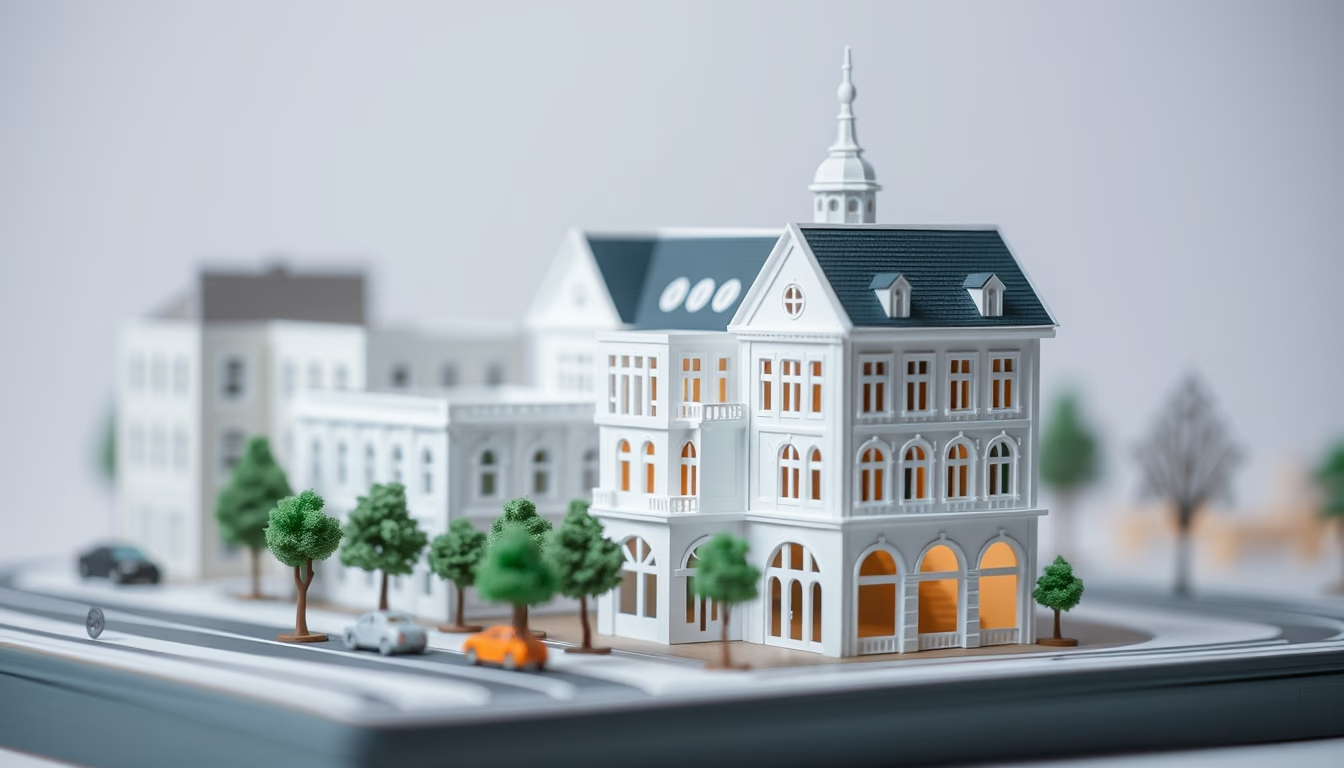
Papercraft architecture combines paper modeling and tilt-shift photography to create realistic miniatures of iconic buildings and urban landscapes.
About this subject
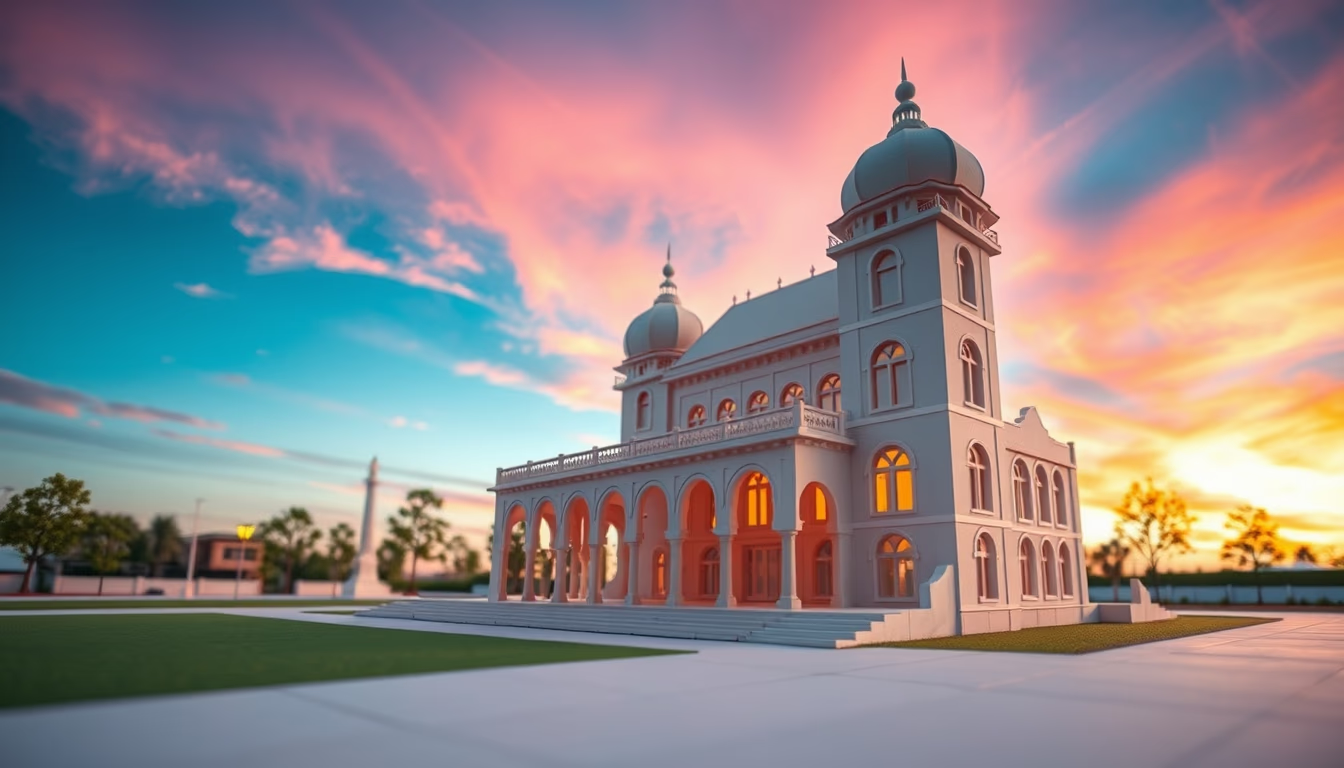
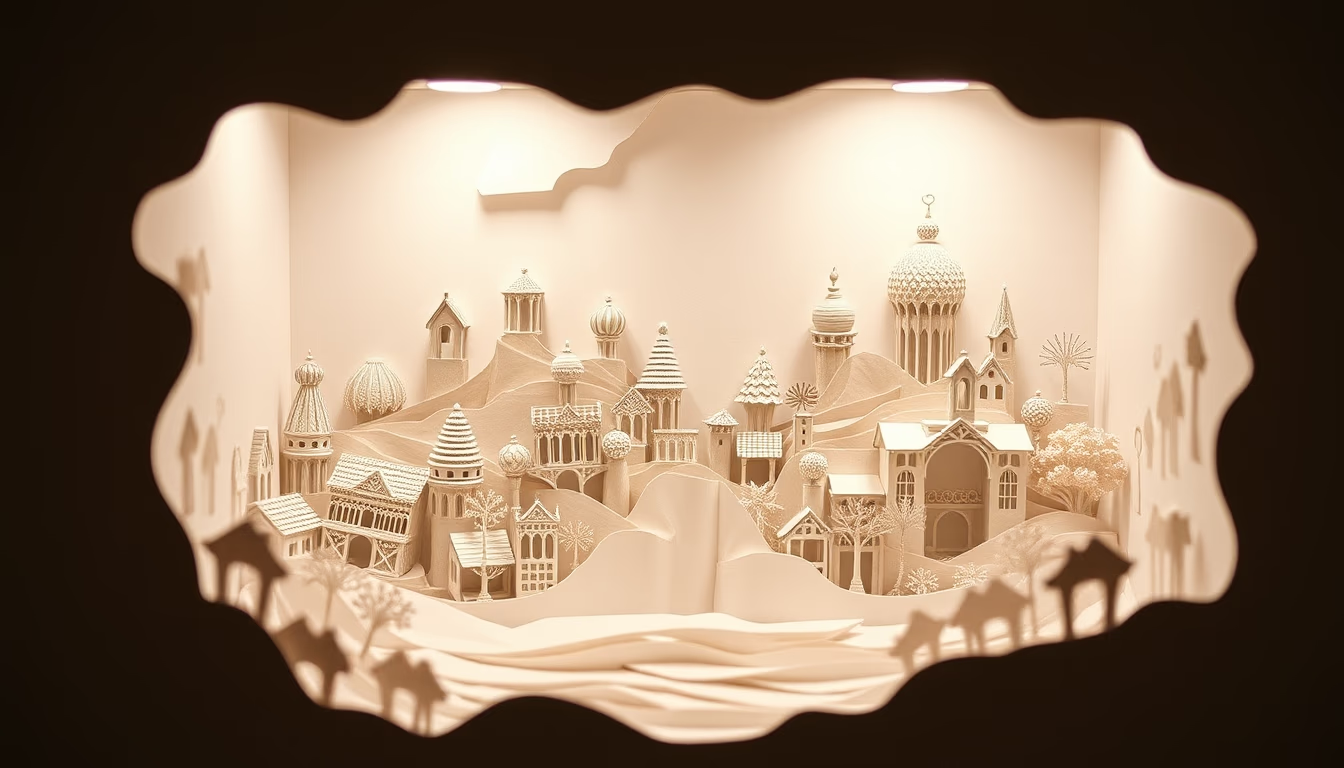
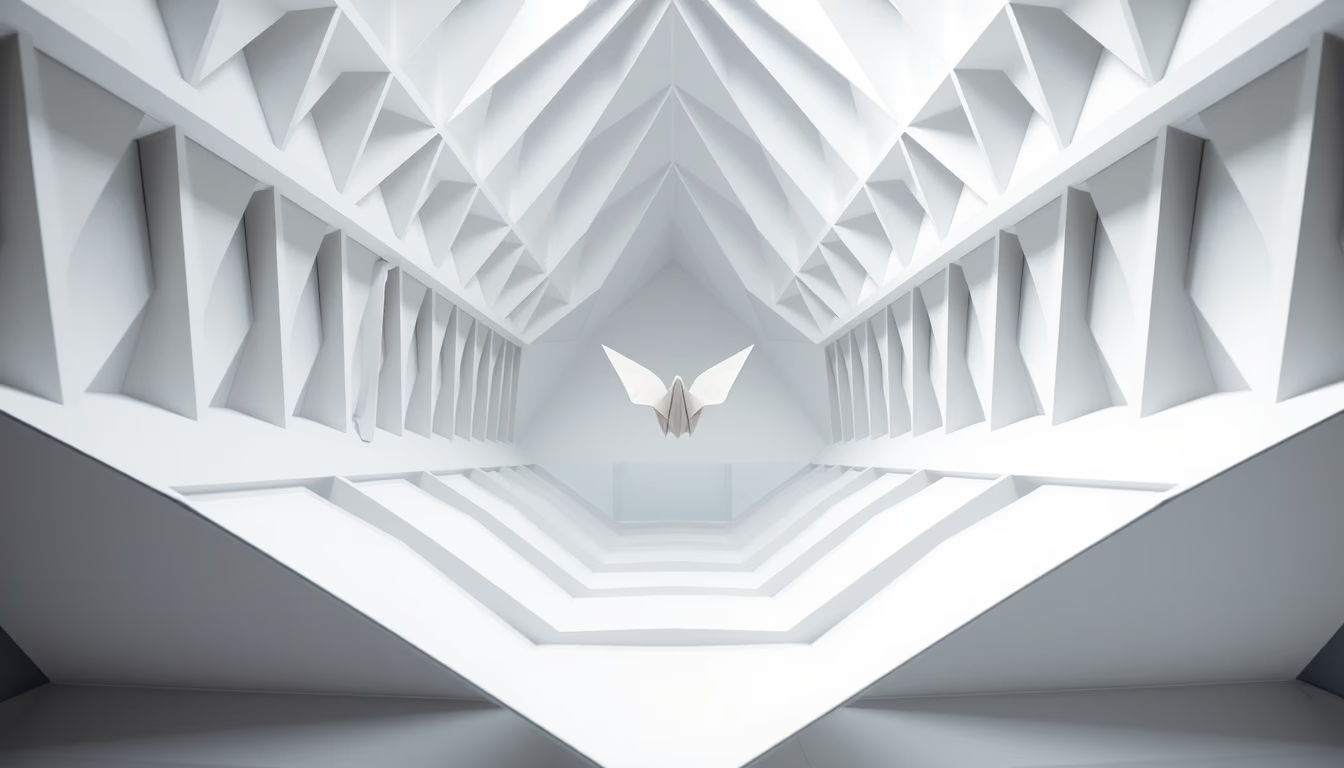
Papercraft architecture is a handcraft technique that uses paper and cardstock to reproduce, in reduced scale, buildings, monuments, and entire cities. Artists cut, fold, and glue layers of high-weight paper, often with textured finishes or digital printing, to mimic facades, windows, and roofs with precision. The choice of colors and shadows is crucial to give depth and realism to the models.
Tilt-shift photography, or fake miniature, enhances the effect: through special lenses or digital editing, the depth of field is reduced, making real objects appear as miniatures. When applied to well-constructed papercraft architectures, the result is an even more convincing illusion. Many artists publish their works on platforms like Flickr and Instagram, creating thematic series such as "Paper Cities" or "Cardboard Skyline."
Beyond entertainment, papercraft architecture is used in architectural prototyping, model scenography, and art and design classes. The technique stimulates patience, fine motor coordination, and understanding of three-dimensional perspectives. Major references include the work of Charles Young and the "Paper Landmarks" series by Japanese artist Wataru Itou, who recreates tourist spots with incredible fidelity.
Fun fact: some architectural papercrafts are fully articulated, with doors that open and windows illuminated by LEDs. PVA glue and precision scalpels are indispensable tools, and paper choice can range from 180 g/m² to 300 g/m² for greater stiffness. Tilt-shift, in turn, was invented by landscape photographers to correct distortions but is now widely used for this playful miniaturization effect.
Frequently Asked Questions
What is the origin of papercraft architecture?
Papercraft architecture has roots in three-dimensional paper models used in architecture and design since the 20th century, but it gained popularity with the internet and the sharing of free templates on sites like Paper-replika and Pepakura.
What type of paper is ideal for papercraft architecture?
Cardstock or cardboard with a weight between 180 g/m² and 300 g/m² is recommended. Thinner paper may wrinkle, while thicker paper makes precise cuts and folds difficult.
How does the tilt-shift effect relate to papercraft?
Tilt-shift photography creates a shallow depth of field that simulates the appearance of miniatures. When applied to a papercraft model, the result is even more realistic, as both elements collaborate for the scale illusion.
Direct URL
https://pub-c7d6a6ea828543ac903a74a341ccb2e1.r2.dev/imagens/papercraft-architecture-tilt-shift-miniature-fresh1.avifHow to credit
Include a visible link back to UtilizAí. Copy one of the snippets below:
<a href="https://xn--utiliza-eza.com/en/midia/imagens/papercraft-architecture-tilt-shift-miniature-fresh1">Papercraft architecture</a> by <a href="https://xn--utiliza-eza.com">UtilizAí</a>, licensed under <a href="https://creativecommons.org/licenses/by/4.0/">CC BY 4.0</a>.
[Papercraft architecture](https://xn--utiliza-eza.com/en/midia/imagens/papercraft-architecture-tilt-shift-miniature-fresh1) by [UtilizAí](https://xn--utiliza-eza.com), CC BY 4.0
License: CC-BY-4.0