Papercraft architecture
1344×768 · AVIF · CC BY 4.0
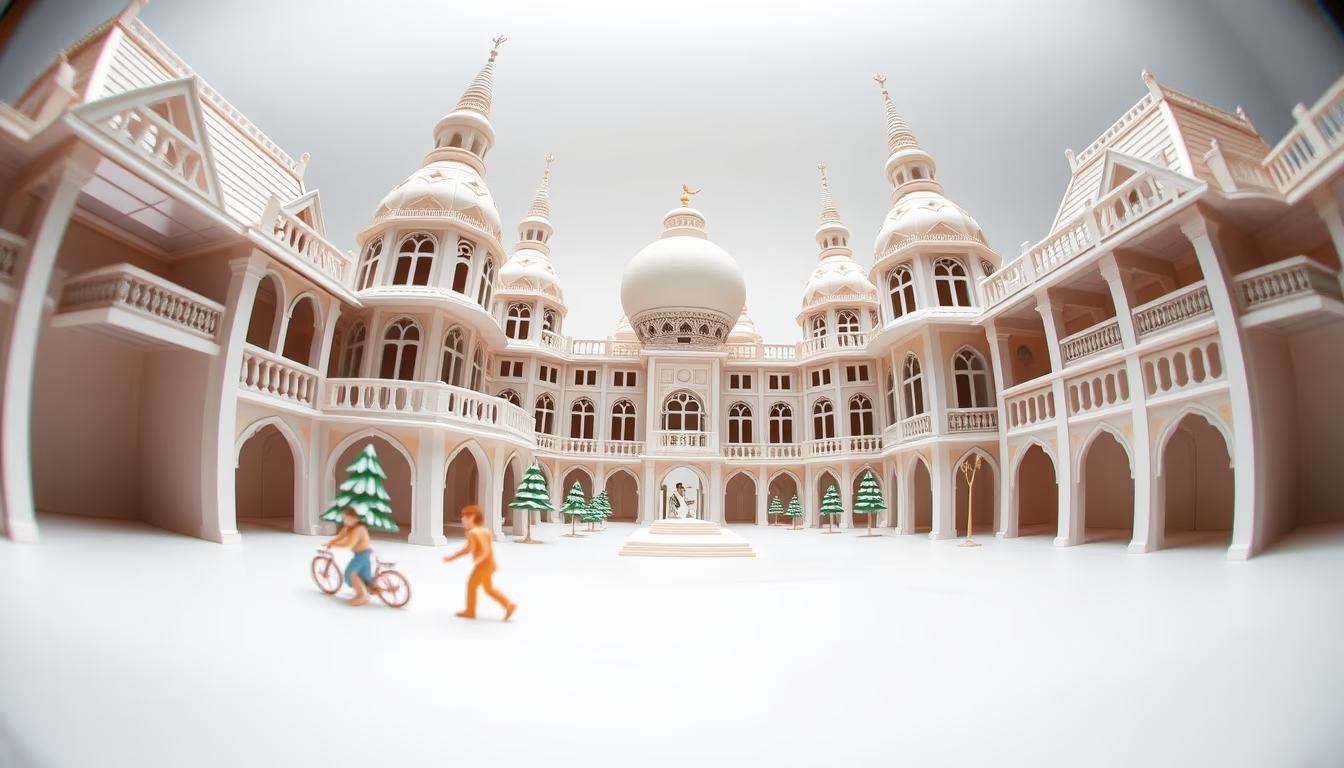
Papercraft architecture turns architectural designs into three-dimensional paper models, blending technical precision with handmade artistry.
About this subject
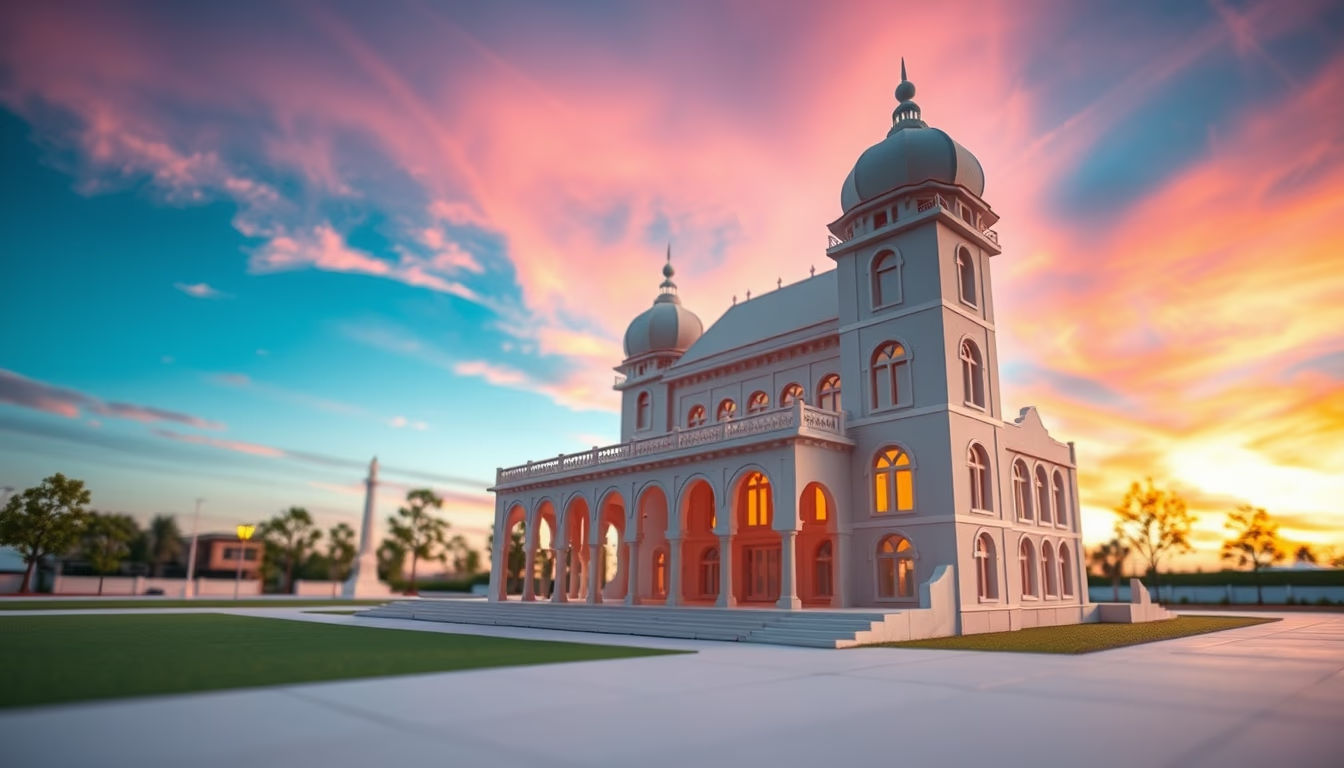
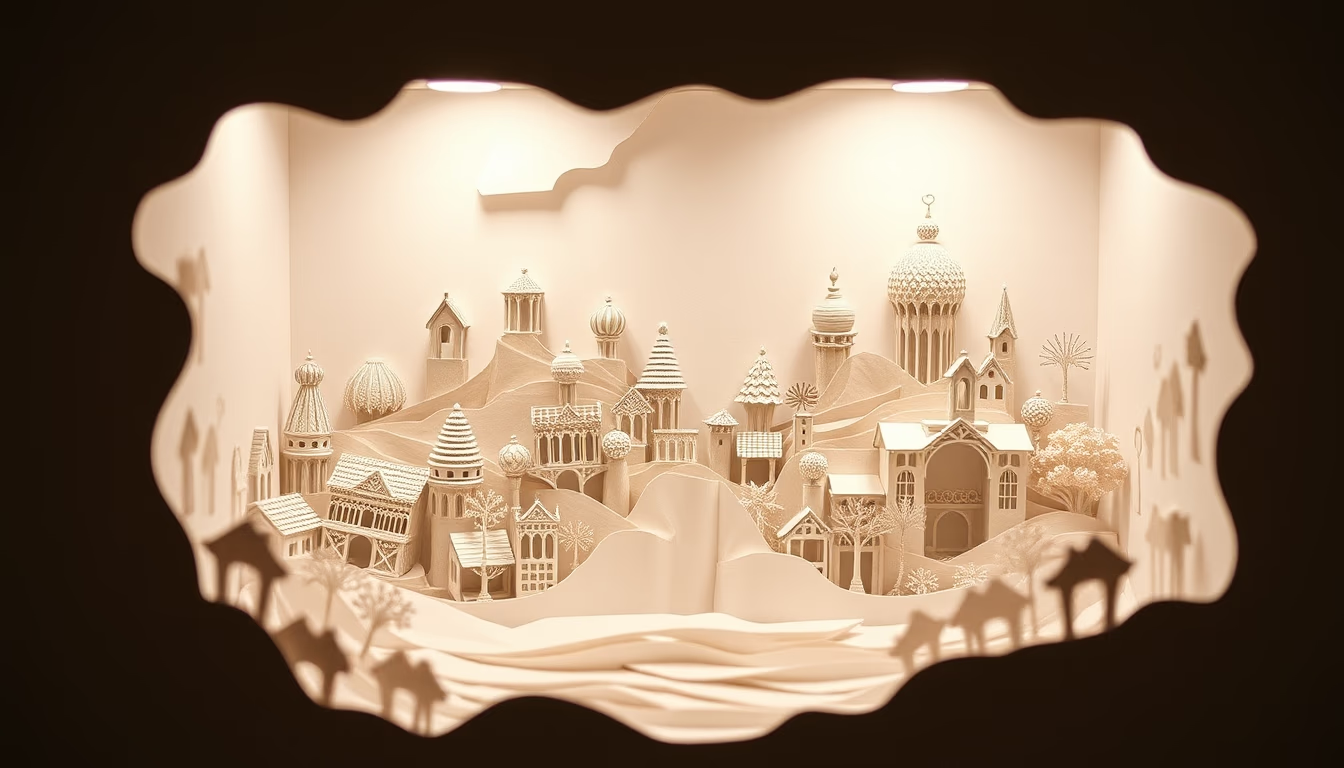
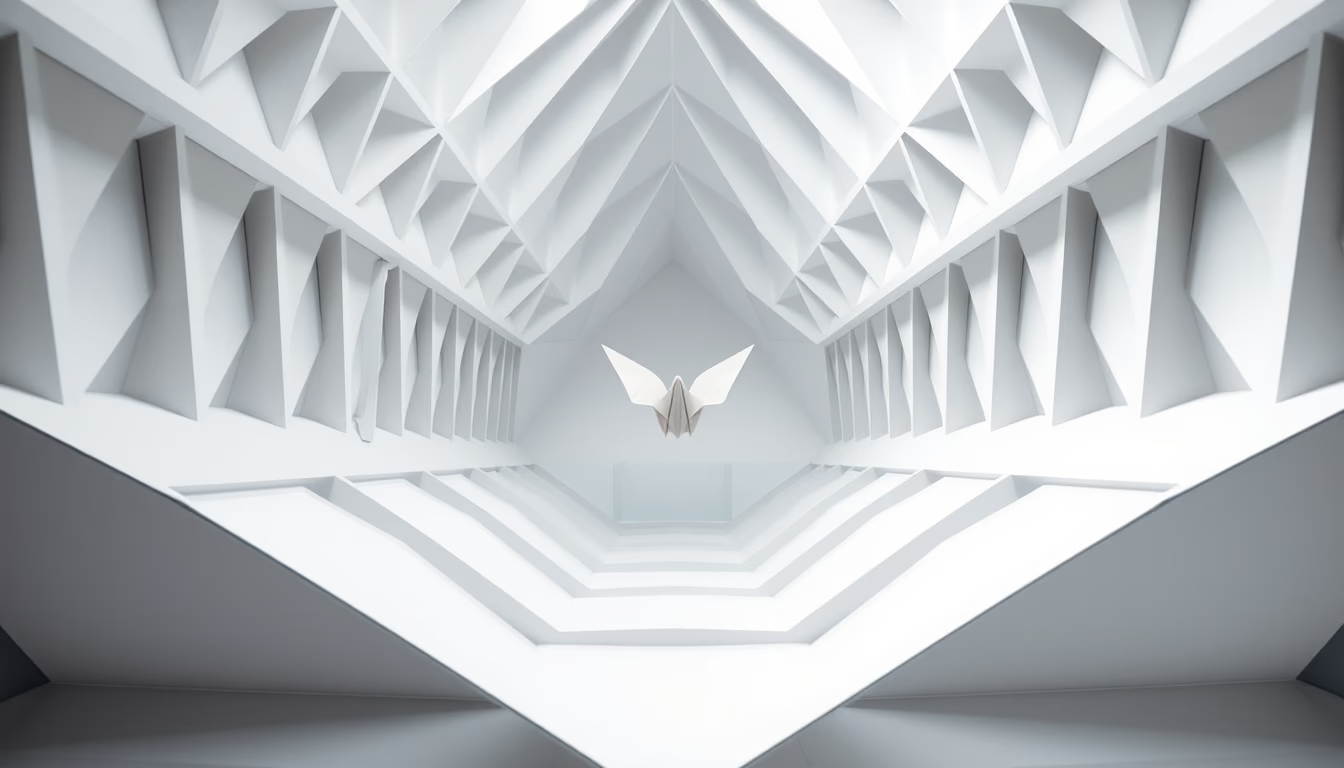
Papercraft architecture is an art form that uses paper as the primary material to recreate buildings, monuments, and urban structures at reduced scale. Unlike simple folding, this technique involves cutting, scoring, and gluing planar pieces to form complex volumes, allowing faithful representation of facades, roofs, and ornamental details. Artists and architects use papercraft both for volume study and for decorative pieces of high aesthetic value.
The origin of modern papercraft is linked to the development of architectural origami in Japan and the popularization of paper models in 19th-century Europe, where cut-out books were used to teach geometry and architecture. Today, papercraft architecture is driven by online communities that share downloadable templates, enabling anyone to assemble replicas of icons such as the Sydney Opera House or the Taj Mahal. Laser-cut precision and a variety of paper weights have expanded creative possibilities, resulting in models that can include LED lighting and moving parts.
Beyond the playful aspect, papercraft architecture is used in architecture firms for quick, low-cost conceptual models, replacing wood or acrylic models in early project stages. The technique also appears in exhibitions, theatrical set design, and merchandising, showcasing the versatility of such a simple material. In Brazil, artists like Fábio Lopes and the collective Papel & Tesoura explore Brazilian architecture in paper, from modernist houses by Oscar Niemeyer to colonial buildings in Ouro Preto.
Frequently Asked Questions
What is the difference between papercraft and origami?
Papercraft involves cutting and gluing paper to form three-dimensional models, while origami uses only folding, without cuts or glue.
What types of paper are recommended for papercraft architecture?
High-weight papers (180-300 gsm) like cardstock, vellum, or chipboard are ideal as they maintain rigidity and detail in cuts.
Do you need advanced skills to start?
No, beginners can start with simple low-complexity models available on specialized websites and gradually progress.
Direct URL
https://pub-c7d6a6ea828543ac903a74a341ccb2e1.r2.dev/imagens/papercraft-architecture-fish-eye-wide-angle-fresh0.avifHow to credit
Include a visible link back to UtilizAí. Copy one of the snippets below:
<a href="https://xn--utiliza-eza.com/en/midia/imagens/papercraft-architecture-fish-eye-wide-angle-fresh0">Papercraft architecture</a> by <a href="https://xn--utiliza-eza.com">UtilizAí</a>, licensed under <a href="https://creativecommons.org/licenses/by/4.0/">CC BY 4.0</a>.
[Papercraft architecture](https://xn--utiliza-eza.com/en/midia/imagens/papercraft-architecture-fish-eye-wide-angle-fresh0) by [UtilizAí](https://xn--utiliza-eza.com), CC BY 4.0
License: CC-BY-4.0