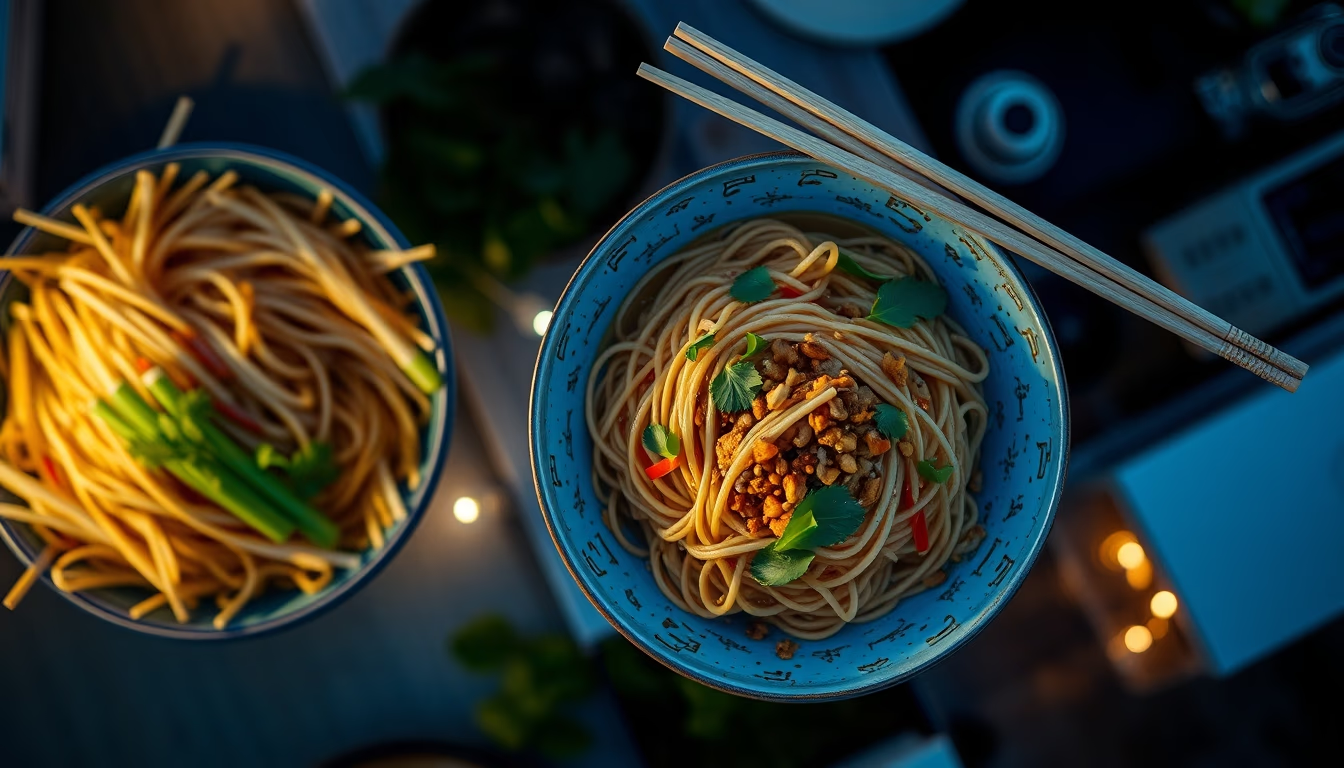
Pad thai noodles
1344×768 · AVIF · CC BY 4.0
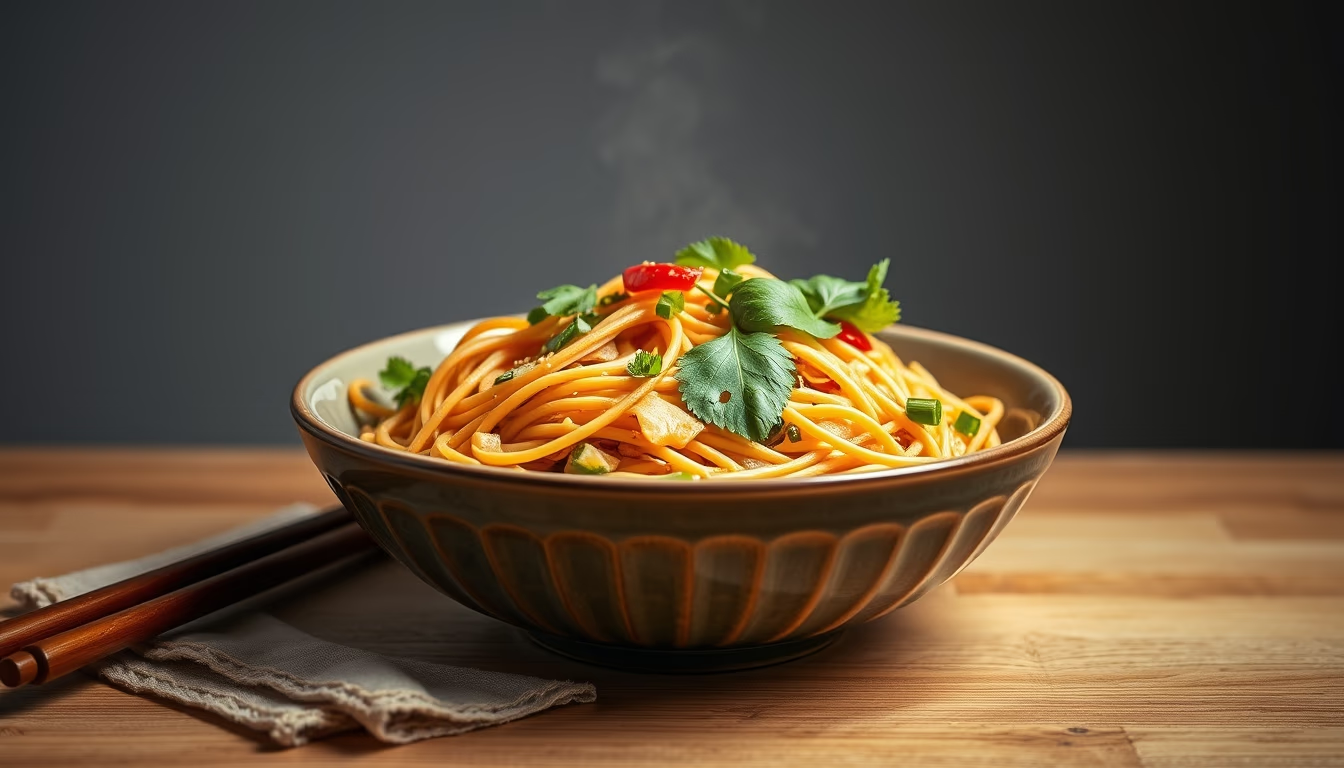
O pad thai é um prato icônico da culinária tailandesa, combinando macarrão de arroz, camarão, tofu, amendoim e molho agridoce de tamarindo. Conheça sua história e adaptações.
Sobre o tema
O pad thai, também conhecido como phad thai, é um prato de macarrão salteado em wok, considerado um dos símbolos da gastronomia tailandesa. Seus ingredientes básicos incluem macarrão de arroz, camarão seco ou fresco, tofu firme, broto de feijão, ovo, cebolinha e amendoim torrado. O molho característico é feito com tamarindo, molho de peixe, açúcar de palma e pimenta, resultando em um equilíbrio de sabores doce, azedo, salgado e picante. Embora o camarão seja a proteína mais comum, versões com frango, porco ou apenas legumes também são populares.
A origem do pad thai remonta às décadas de 1930 e 1940, durante o governo do primeiro-ministro tailandês Plaek Phibunsongkhram. Ele promoveu o prato como parte de uma campanha nacionalista para criar uma identidade culinária tailandesa unificada, substituindo o macarrão chinês (que usava farinha de trigo) pelo macarrão de arroz, mais alinhado aos produtos locais. A receita foi inspirada em pratos chineses de macarrão, mas adaptada com ingredientes tailandeses. Curiosamente, o uso de amendoim e broto de feijão não era original; esses elementos foram incorporados posteriormente para enriquecer a textura e o sabor.
Tradicionalmente, o pad thai é preparado em uma wok em fogo alto, onde os ingredientes são salteados rapidamente. O macarrão é primeiro demolhado e depois frito com o molho, os ovos e as proteínas. É comum servir o prato com limão, folhas de coentro e pimenta calabresa moída, permitindo que o comensal ajuste o tempero. Na Tailândia, o pad thai é um item onipresente na culinária de rua, vendido em barracas em todo o país, especialmente em Bangkok. Sua popularidade global explodiu nas últimas décadas, sendo um dos pratos tailandeses mais pedidos em restaurantes fora da Ásia.
Uma curiosidade histórica é que o pad thai foi por um tempo chamado de “kway teow pad” (macarrão de arroz frito) até ganhar o nome atual, que significa “macarrão frito ao estilo tailandês”. A UNESCO reconheceu a culinária tailandesa como patrimônio cultural imaterial, mas o pad thai em si não é listado individualmente. Apesar disso, sua fama é inegável: em 2021, um levantamento da CNN Travel o colocou entre os 50 melhores pratos do mundo. Hoje, o pad thai continua evoluindo com variações vegetarianas, veganas e até versões low-carb usando macarrão de konjac.
Perguntas frequentes
Qual é a origem do pad thai?
O pad thai foi popularizado na década de 1930 pelo governo tailandês como parte de uma campanha nacionalista. A receita foi adaptada de pratos chineses de macarrão, substituindo o trigo por arroz, e incorporando ingredientes locais como tamarindo e molho de peixe.
Quais são os ingredientes tradicionais do pad thai?
Os ingredientes clássicos incluem macarrão de arroz, camarão (seco ou fresco), tofu, broto de feijão, ovo, cebolinha, amendoim torrado e molho feito com tamarindo, molho de peixe, açúcar de palma e pimenta.
O pad thai é sempre picante?
Não necessariamente. O nível de picância pode ser ajustado. A receita tradicional inclui pimenta no molho, mas é comum servir o prato com pimenta calabresa moída à parte, permitindo que cada pessoa adicione ao seu gosto.
URL direta
https://pub-c7d6a6ea828543ac903a74a341ccb2e1.r2.dev/imagens/pad-thai-noodles-studio-still-life-fresh8.avifComo creditar
Inclua um link visível de volta pro UtilizAí. Copie um dos snippets abaixo:
<a href="https://xn--utiliza-eza.com/midia/imagens/pad-thai-noodles-studio-still-life-fresh8">Pad thai noodles</a> by <a href="https://xn--utiliza-eza.com">UtilizAí</a>, licensed under <a href="https://creativecommons.org/licenses/by/4.0/">CC BY 4.0</a>.
[Pad thai noodles](https://xn--utiliza-eza.com/midia/imagens/pad-thai-noodles-studio-still-life-fresh8) by [UtilizAí](https://xn--utiliza-eza.com), CC BY 4.0
Licença: CC-BY-4.0