Olive press traditional stone
1344×768 · AVIF · CC BY 4.0
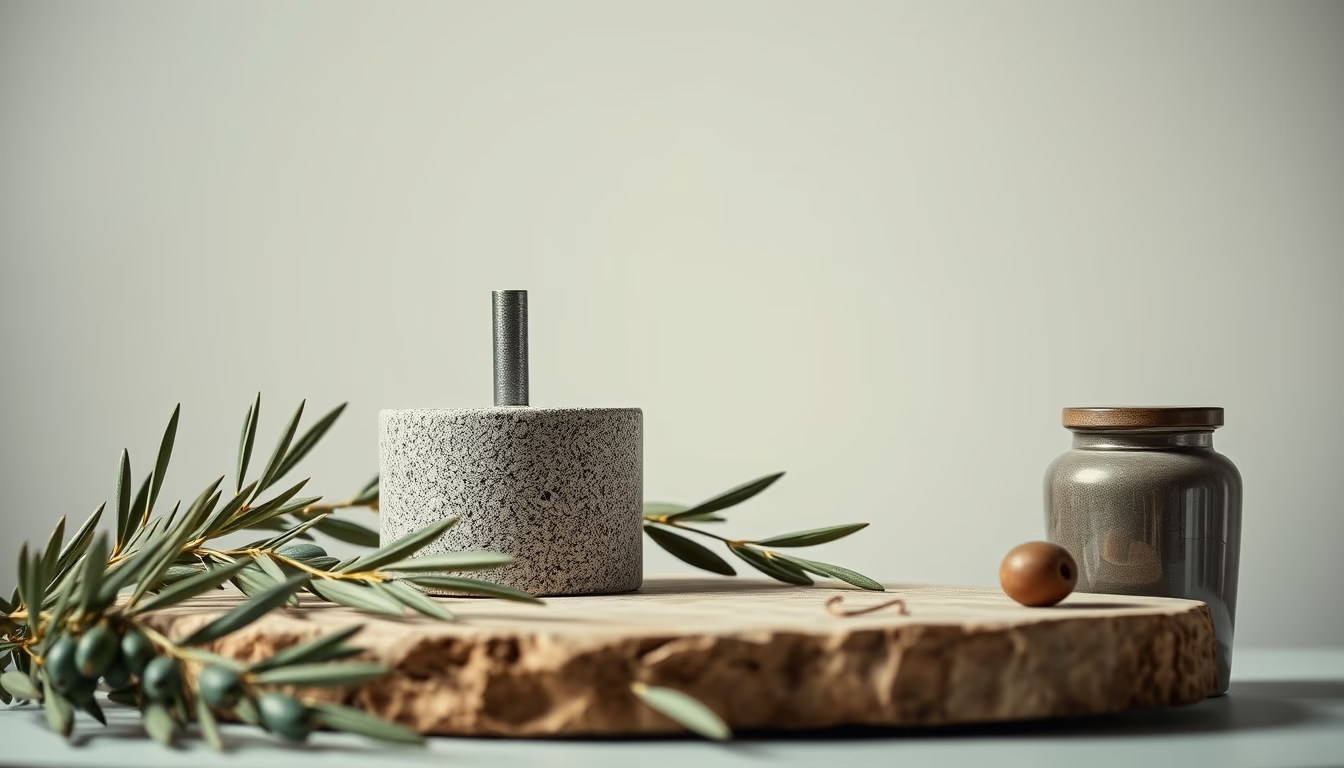
Prensa de azeite tradicional em pedra revela séculos de produção artesanal de azeite oliva.
Sobre o tema
A prensa de azeite tradicional em pedra representa um método milenar de extração de óleo de oliva, ainda utilizado em regiões do Mediterrâneo, como Grécia, Itália, Espanha e Portugal. Essas prensas, geralmente feitas de granito ou basalto, consistem em uma base circular e uma roda vertical que gira sobre as azeitonas, triturando-as até formar uma pasta. O processo é lento e manual, mas preserva os aromas e sabores do fruto, sendo valorizado por produtores de azeite extra virgem artesanal.
A técnica remonta a mais de 5.000 anos na região do Levante e foi difundida pelos fenícios e romanos. Na Roma Antiga, as prensas de pedra eram operadas por escravos ou animais. Com a Revolução Industrial, surgiram prensas hidráulicas e centrífugas, mas as prensas de pedra continuam sendo símbolo de tradição e são usadas em pequenas propriedades para produção limitada e de alta qualidade.
Curiosamente, a pedra não reage quimicamente com o azeite, evitando contaminação metálica. Além disso, o atrito gera calor moderado, que ajuda a liberar o óleo sem degradar seus compostos fenólicos. Hoje, essas prensas são também peças de decoração em fazendas e museus, preservando a história agrícola.
Perguntas frequentes
Como funciona uma prensa de azeite de pedra?
A prensa de pedra funciona com uma roda vertical que gira sobre as azeitonas, triturando-as em uma pasta. A pasta é então prensada para extrair o óleo. O processo é manual e lento, mas preserva a qualidade do azeite.
Qual a origem histórica das prensas de azeite de pedra?
As prensas de pedra têm origem no Levante há mais de 5.000 anos e foram difundidas por fenícios e romanos. Eram comuns na Roma Antiga para produção de azeite.
Por que a pedra é preferida em prensas tradicionais?
A pedra não reage quimicamente com o azeite, evitando contaminação por metais. Além disso, o atrito gera calor moderado que auxilia na extração sem danificar os compostos benéficos do óleo.
URL direta
https://pub-c7d6a6ea828543ac903a74a341ccb2e1.r2.dev/imagens/olive-press-traditional-stone-studio-still-life-p8.avifComo creditar
Inclua um link visível de volta pro UtilizAí. Copie um dos snippets abaixo:
<a href="https://xn--utiliza-eza.com/midia/imagens/olive-press-traditional-stone-studio-still-life-p8">Olive press traditional stone</a> by <a href="https://xn--utiliza-eza.com">UtilizAí</a>, licensed under <a href="https://creativecommons.org/licenses/by/4.0/">CC BY 4.0</a>.
[Olive press traditional stone](https://xn--utiliza-eza.com/midia/imagens/olive-press-traditional-stone-studio-still-life-p8) by [UtilizAí](https://xn--utiliza-eza.com), CC BY 4.0
Licença: CC-BY-4.0