Olive oil tasting glasses
1344×768 · AVIF · CC BY 4.0
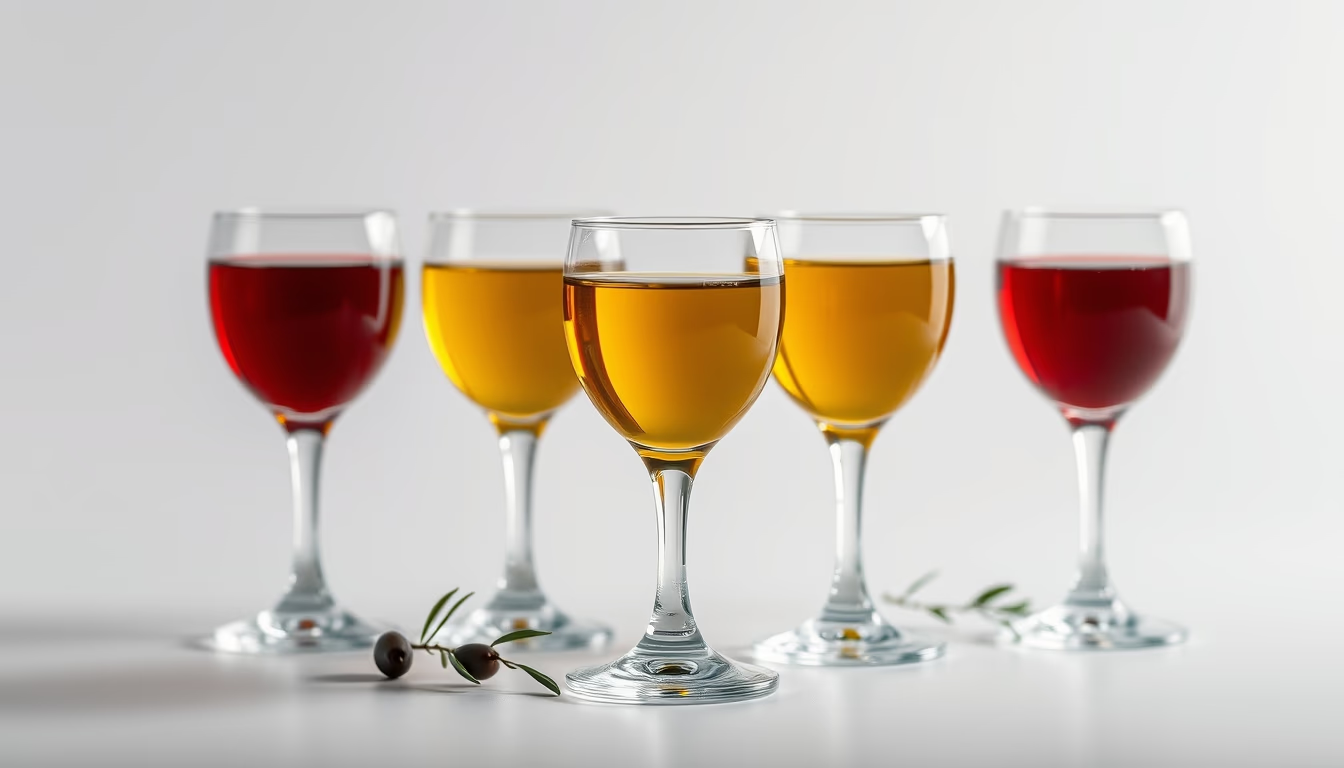
Standardized glassware for professional olive oil tasting: discover its purpose and why the distinctive shape matters.
About this subject
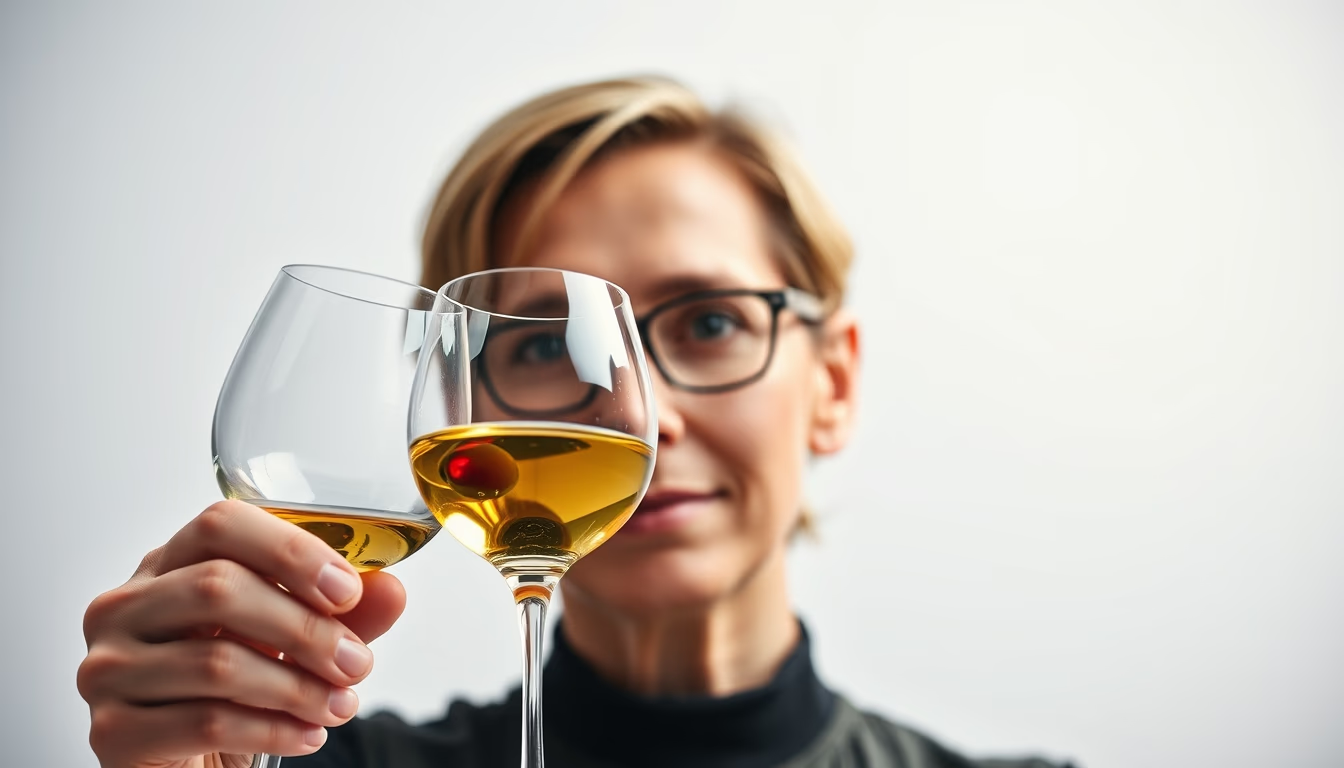
Olive oil tasting glasses, also called tasting cups or copitas, are specialized tools for sensory evaluation of olive oils. Unlike wine glasses, they have a distinct shape: a wide, rounded bowl that tapers at the top, forming a tulip-like silhouette. This design was standardized by the International Olive Council (IOC) to ensure consistent conditions during professional tastings.
The glass is typically made of dark blue or amber glass, deliberately chosen to obscure the oil's color. This prevents the taster from being visually biased, focusing solely on aroma and flavor. The dark color also blocks UV light, preserving the oil's freshness. Each glass comes with a lid (a watch glass) that allows the taster to swirl the sample and trap volatile compounds before sniffing.
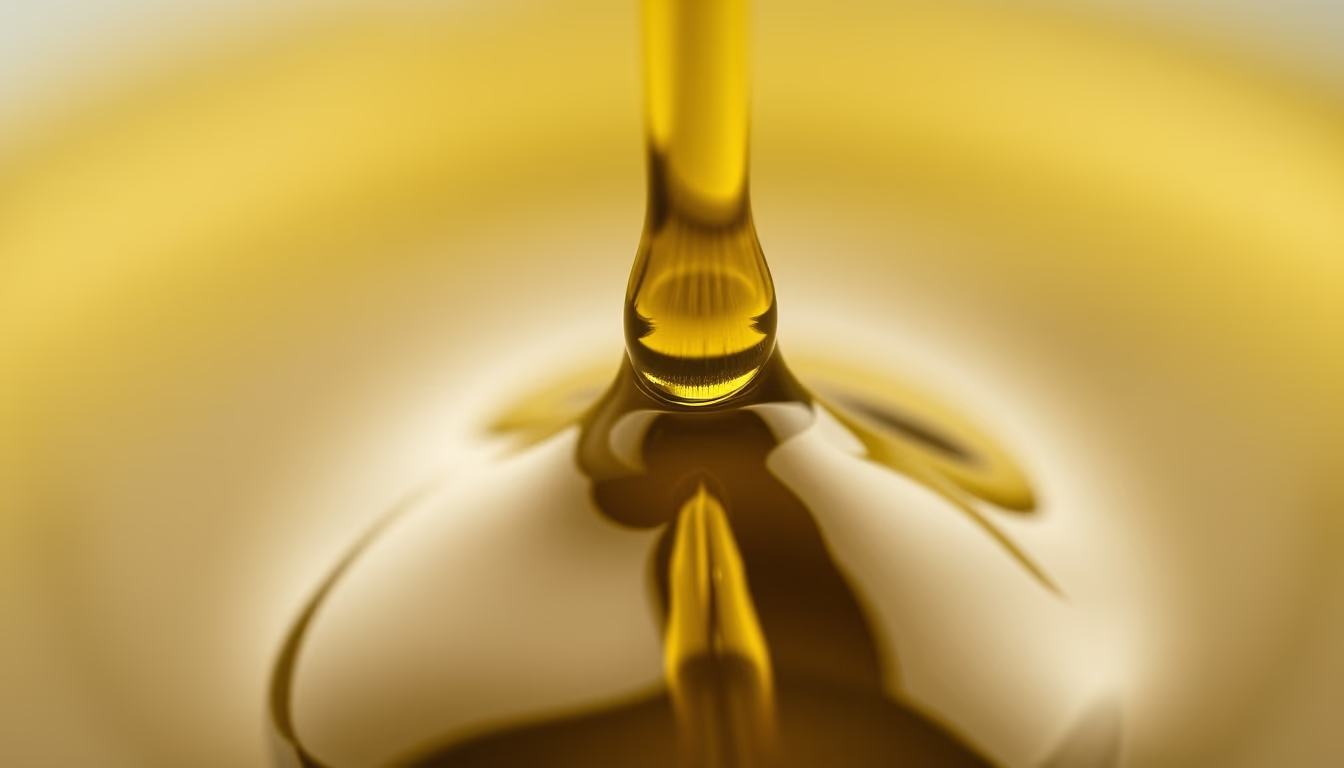
Professional tasting follows a ritual: the glass is warmed by hand to release aromas, tilted to observe viscosity (legs), then sniffed deeply three times. Finally, the oil is sipped with a slurping action to aerate it across the palate. This method is codified in ISO 16657 and used in competitions and laboratories worldwide.
Historically, the first tasting glasses were developed in Italy and Spain in the early 20th century, but the standard IOC model was established in the 1980s. Today, simplified versions are also used in workshops and home tastings, helping consumers appreciate the nuances of extra virgin olive oil.
Frequently Asked Questions
Why are olive oil tasting glasses blue?
The dark blue (or amber) color hides the oil's hue, preventing visual bias during sensory evaluation. This ensures the taster judges solely by aroma and flavor.
What is the difference between an olive oil glass and a wine glass?
Olive oil glasses have a narrower, more closed top to concentrate aromas and are made of colored glass. They also come with a lid to trap volatile compounds when swirling, unlike wine glasses.
How do you properly use an olive oil tasting glass?
Warm the glass with your hands, tilt to observe viscosity, remove the lid, and sniff deeply three times. Then, sip the oil with a slurping action to aerate it across your palate.
Direct URL
https://pub-c7d6a6ea828543ac903a74a341ccb2e1.r2.dev/imagens/olive-oil-tasting-glasses-studio-still-life-p5.avifHow to credit
Include a visible link back to UtilizAí. Copy one of the snippets below:
<a href="https://xn--utiliza-eza.com/en/midia/imagens/olive-oil-tasting-glasses-studio-still-life-p5">Olive oil tasting glasses</a> by <a href="https://xn--utiliza-eza.com">UtilizAí</a>, licensed under <a href="https://creativecommons.org/licenses/by/4.0/">CC BY 4.0</a>.
[Olive oil tasting glasses](https://xn--utiliza-eza.com/en/midia/imagens/olive-oil-tasting-glasses-studio-still-life-p5) by [UtilizAí](https://xn--utiliza-eza.com), CC BY 4.0
License: CC-BY-4.0