Olive oil tasting glasses
1344×768 · AVIF · CC BY 4.0
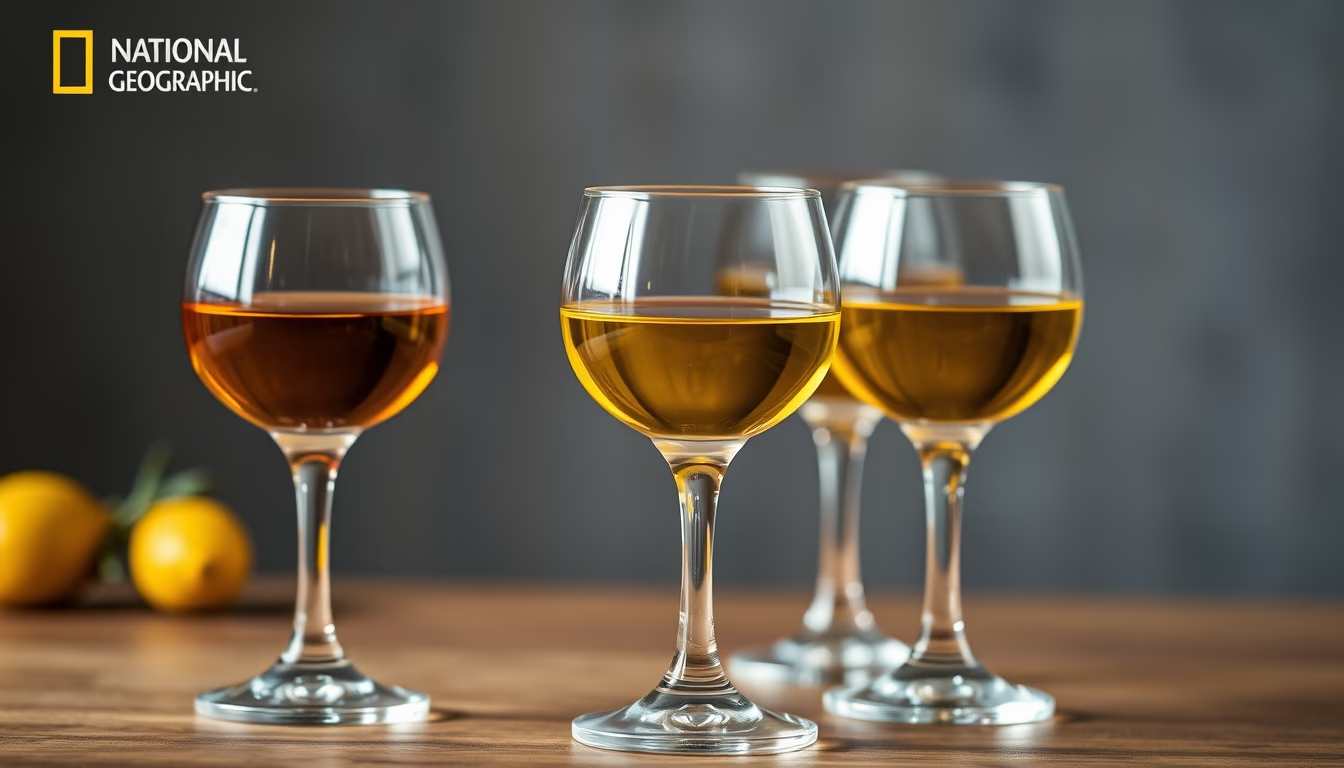
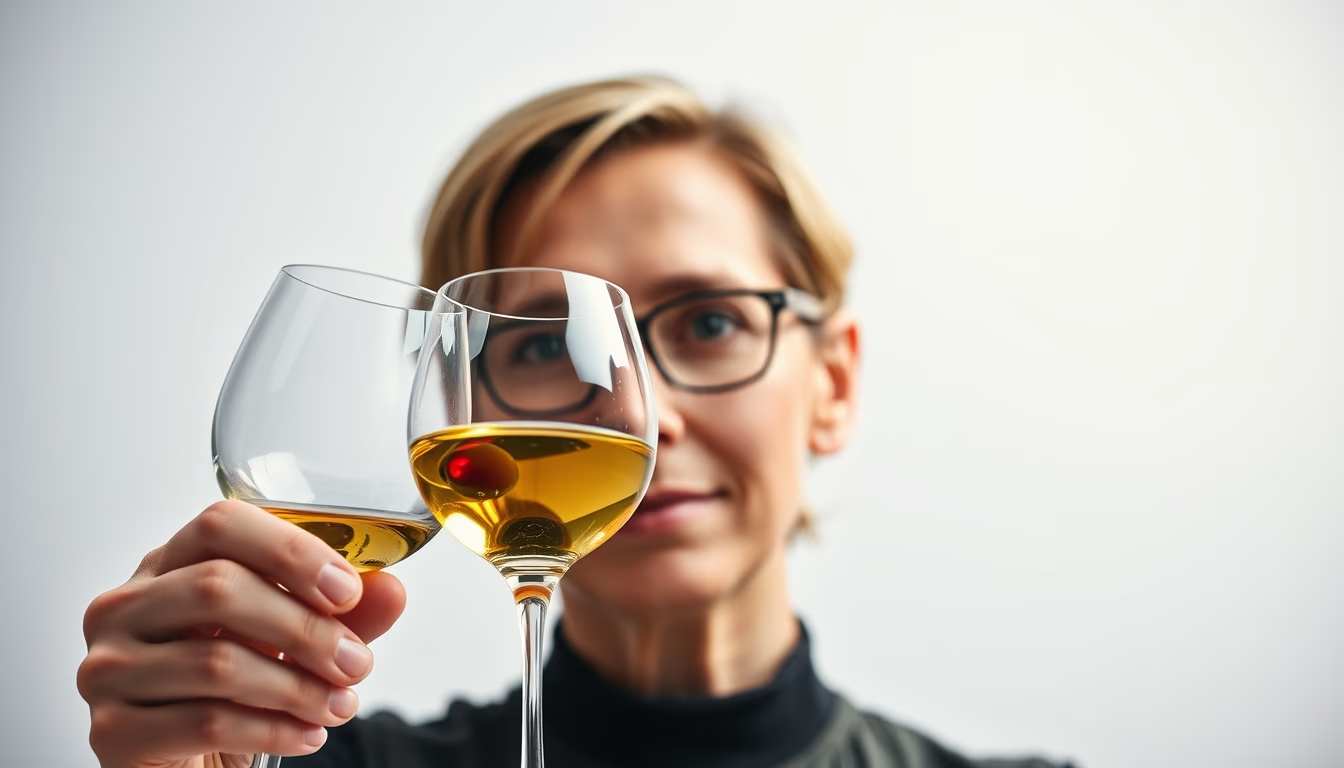
Olive oil tasting glasses are essential tools for evaluating the quality and sensory attributes of olive oil, used worldwide by experts.
About this subject
Olive oil tasting glasses, often made of dark blue glass, are specifically designed for sensory analysis of olive oil. The blue color serves a critical purpose: it masks the oil's color, preventing the taster from being visually influenced by hues that might indicate defects or varieties. This ensures an unbiased assessment based solely on aroma and flavor, following standards from the International Olive Council (IOC).
The glass shape is equally important. It features a wide base and a narrow top, concentrating aromas for easy olfactory perception. The glass typically has a stem, allowing the taster to warm the oil with their palm without transferring excessive heat, releasing volatile compounds. This controlled heating (around 28°C) is a standardized step in professional tasting panels, such as those in producing countries like Spain, Italy, Greece, and Portugal.
Olive oil tasting follows a rigorous protocol. The taster holds the glass by the stem, covers the opening with their hand to swirl the liquid, then lifts the lid to inhale deeply. Next, they slurp the oil to spread it throughout the mouth, evaluating attributes like fruitiness, bitterness, and pungency. Blue glasses have been standard for decades, but variations exist, like clear glass for informal or educational tastings. However, in competitions and certifications, blue glass is mandatory.
Interestingly, the blue color is not only functional; it also evokes Mediterranean tradition and the purity associated with extra virgin olive oil. Many glasses are made of borosilicate glass, resistant to thermal shock. Despite their simple design, their engineering reflects centuries of refinement in olive cultivation. These glasses are found in sensory labs, agricultural fairs, and even olive oil sommelier courses, which are growing in Brazil and worldwide as part of the movement to value artisanal foods.
Frequently Asked Questions
Why are olive oil tasting glasses blue?
The dark blue color masks the oil's color, preventing the taster from being visually influenced, ensuring an unbiased sensory evaluation.
What is the ideal temperature for tasting olive oil?
The ideal temperature is around 28°C, as this warming releases the volatile compounds in the oil, enhancing aroma and flavor perception.
Are these glasses only used by professionals?
Although they are standard in professional tasting panels, they are also used in sommelier courses and educational tastings for interested consumers.
Direct URL
https://pub-c7d6a6ea828543ac903a74a341ccb2e1.r2.dev/imagens/olive-oil-tasting-glasses-national-geographic-style-p0.avifHow to credit
Include a visible link back to UtilizAí. Copy one of the snippets below:
<a href="https://xn--utiliza-eza.com/en/midia/imagens/olive-oil-tasting-glasses-national-geographic-style-p0">Olive oil tasting glasses</a> by <a href="https://xn--utiliza-eza.com">UtilizAí</a>, licensed under <a href="https://creativecommons.org/licenses/by/4.0/">CC BY 4.0</a>.
[Olive oil tasting glasses](https://xn--utiliza-eza.com/en/midia/imagens/olive-oil-tasting-glasses-national-geographic-style-p0) by [UtilizAí](https://xn--utiliza-eza.com), CC BY 4.0
License: CC-BY-4.0