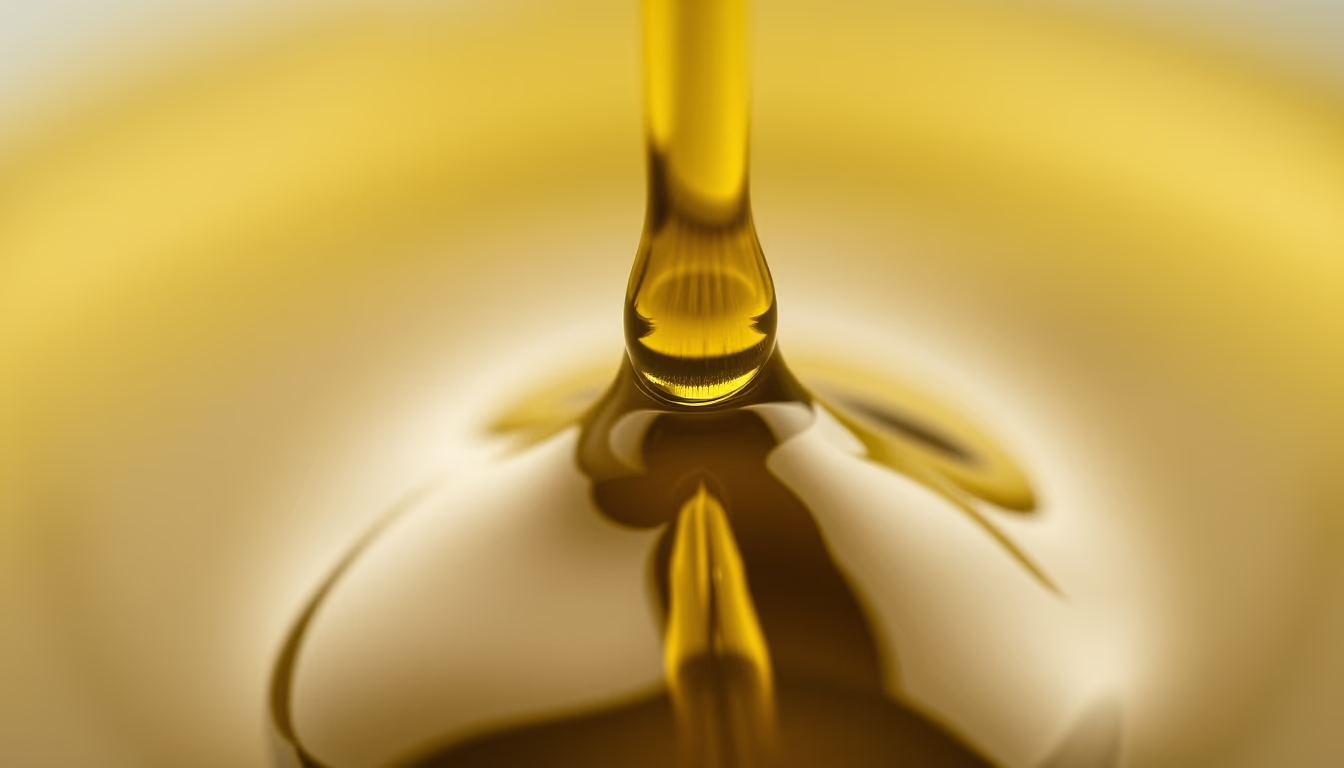
Olive oil pouring from bottle
1344×768 · AVIF · CC BY 4.0
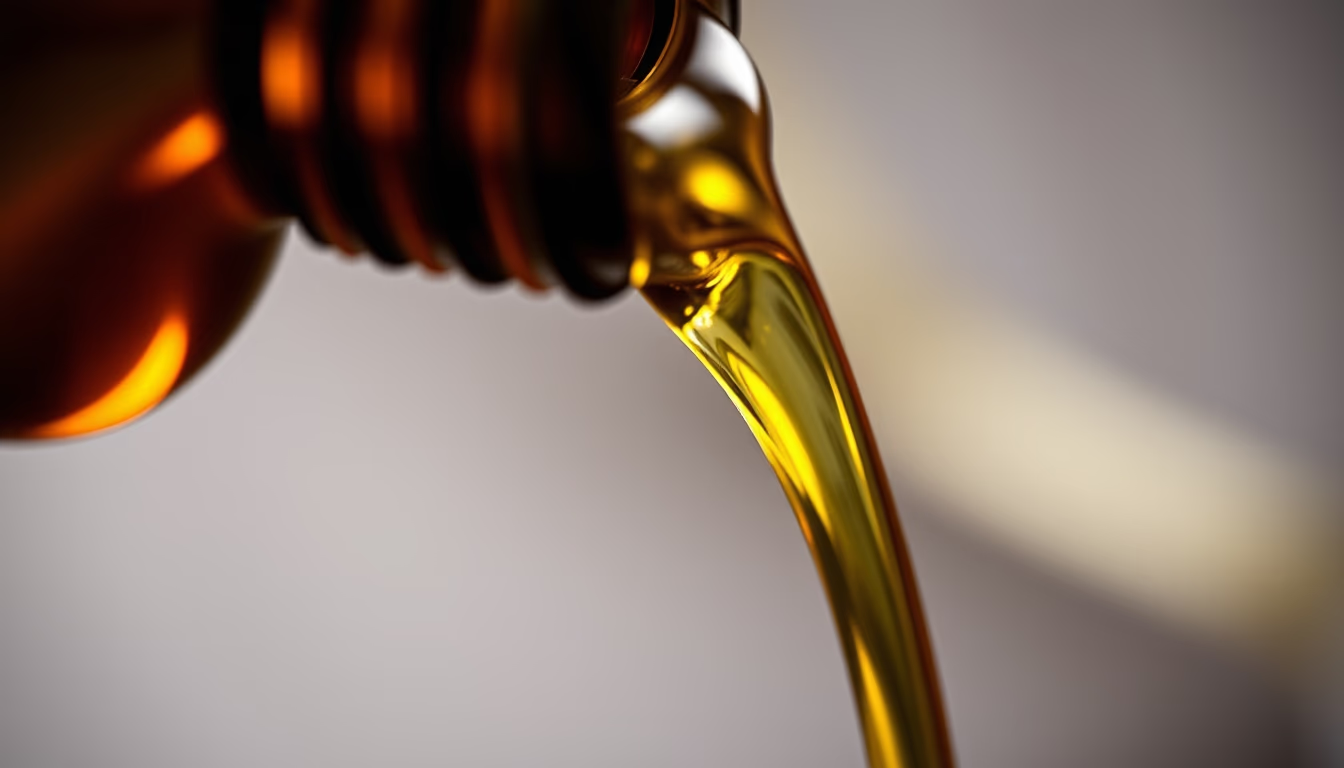
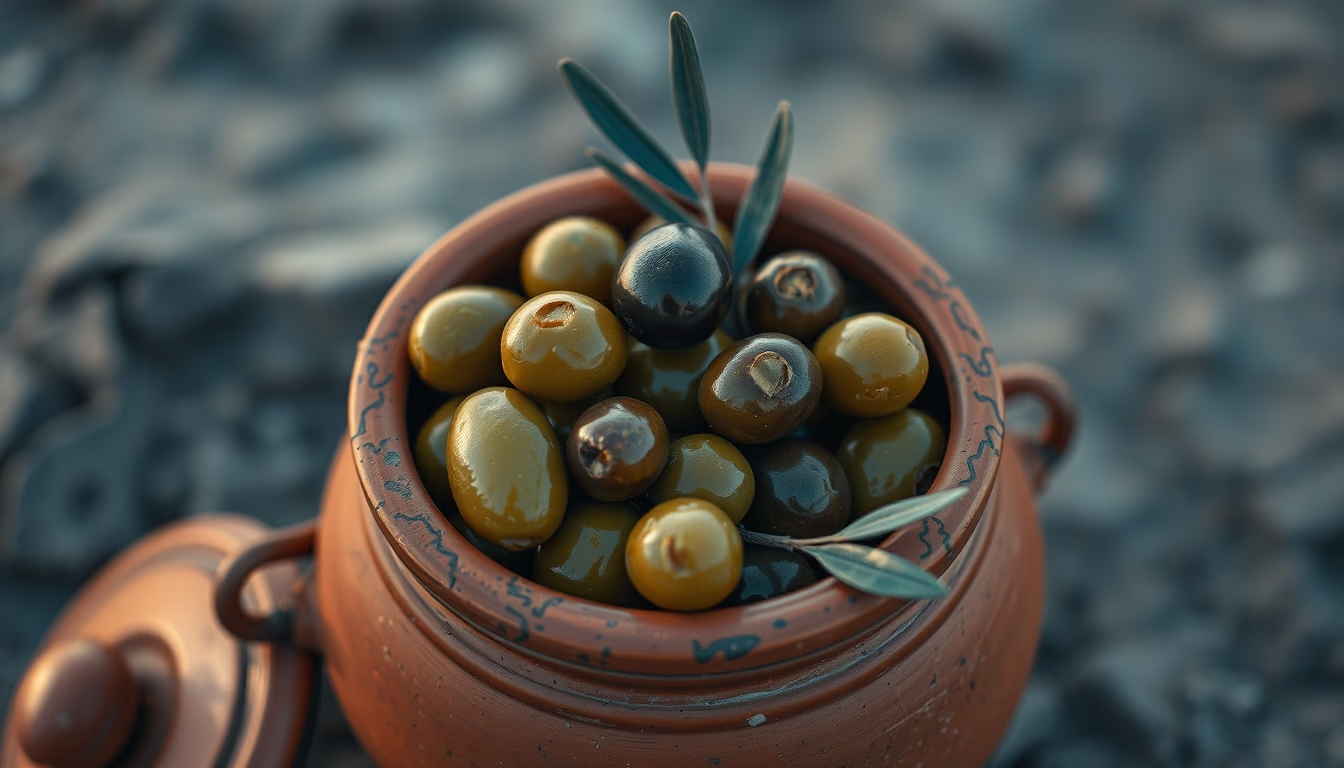
Extra virgin olive oil from fresh olives is a cornerstone of the Mediterranean diet, valued for its cardiovascular benefits and distinctive flavor.
About this subject
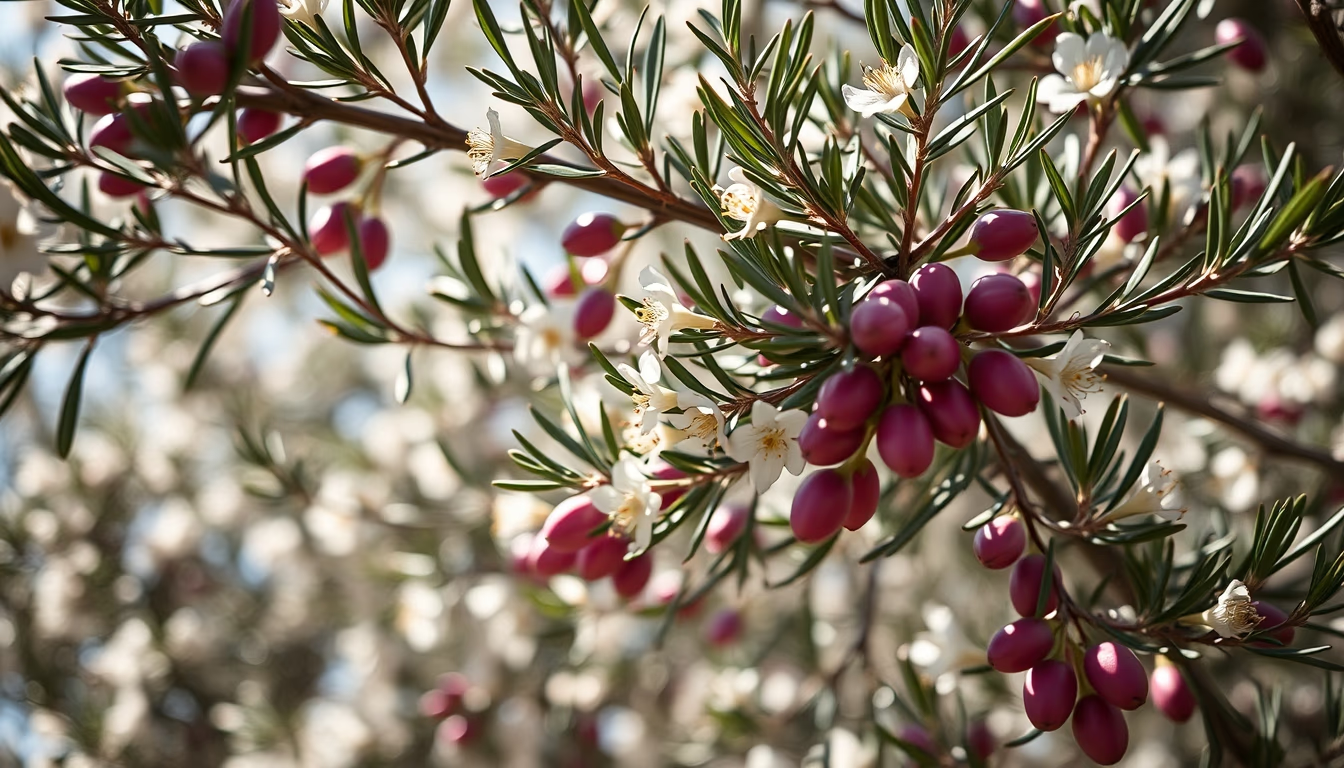
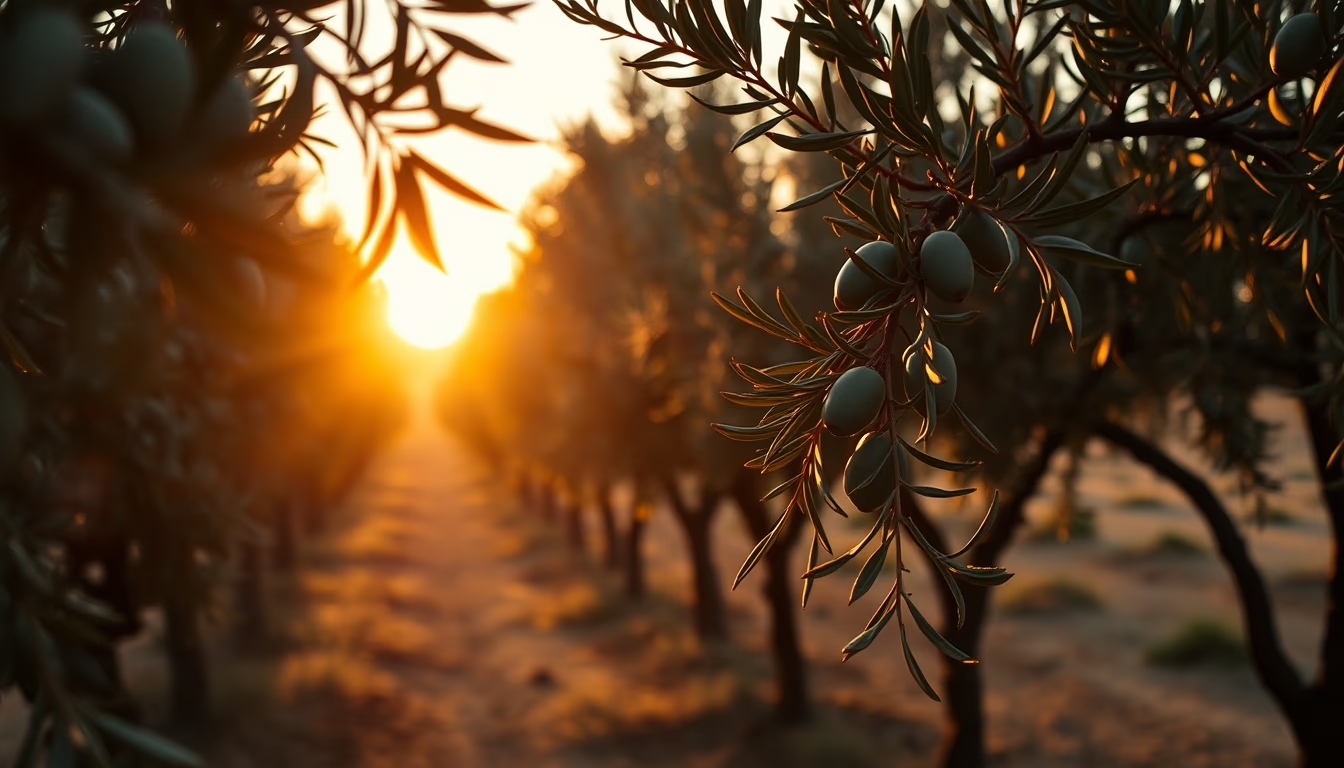
Olive oil is produced by pressing olives, the fruit of the olive tree (Olea europaea). The largest producing regions are in the Mediterranean: Spain, Italy, Greece, and Portugal. In Brazil, states like Rio Grande do Sul and Minas Gerais have been expanding olive cultivation, especially for high-quality extra virgin oils. Cold extraction (below 27°C) preserves volatile compounds and polyphenols, ensuring flavor and health properties.
Classification depends on acidity and extraction method. Extra virgin olive oil has a maximum acidity of 0.8% and is obtained by mechanical processes without chemical solvents. Virgin olive oil has acidity up to 2%. Refined oils, with acidity above 2%, undergo chemical processes that remove odors and flavors, resulting in a neutral product. Lampante oils, of inferior quality, are not suitable for direct consumption.
Regular consumption of extra virgin olive oil is linked to reduced risk of cardiovascular disease, type 2 diabetes, and certain cancers. Its benefits come from monounsaturated fats (mainly oleic acid) and antioxidants such as oleuropein and hydroxytyrosol. The Mediterranean diet, rich in olive oil, is associated with greater longevity and lower incidence of chronic diseases.
In cooking, olive oil is versatile: it can dress salads, finish dishes, and be used for frying and baking, as long as it does not exceed its smoke point (around 190°C for extra virgin). In ancient Rome, it was used as medicine, cosmetic, and lamp fuel. Interestingly, the word "olive oil" derives from Latin "oleum," while in Portuguese "azeite" comes from Arabic "az-zait," meaning olive juice. Today, olive oil is a symbol of gastronomic quality and sustainability.
Frequently Asked Questions
How to identify a quality extra virgin olive oil?
Check the label for acidity (max 0.8%), harvest date (fresh is better), origin, and certification seals. Genuine extra virgin oils taste fruity with bitter and peppery notes.
What is the best way to store olive oil to preserve its properties?
Store in a cool, dark place away from heat sources. Prefer dark glass bottles with tight seals. Avoid keeping near the stove or in direct light.
What is the difference between virgin and extra virgin olive oil?
Extra virgin has maximum acidity of 0.8% and is obtained only by mechanical means, preserving flavor and antioxidants. Virgin has acidity up to 2% and may have slight sensory defects.
Direct URL
https://pub-c7d6a6ea828543ac903a74a341ccb2e1.r2.dev/imagens/olive-oil-pouring-from-bottle-macro-closeup-p0.avifHow to credit
Include a visible link back to UtilizAí. Copy one of the snippets below:
<a href="https://xn--utiliza-eza.com/en/midia/imagens/olive-oil-pouring-from-bottle-macro-closeup-p0">Olive oil pouring from bottle</a> by <a href="https://xn--utiliza-eza.com">UtilizAí</a>, licensed under <a href="https://creativecommons.org/licenses/by/4.0/">CC BY 4.0</a>.
[Olive oil pouring from bottle](https://xn--utiliza-eza.com/en/midia/imagens/olive-oil-pouring-from-bottle-macro-closeup-p0) by [UtilizAí](https://xn--utiliza-eza.com), CC BY 4.0
License: CC-BY-4.0