Olive leaf macro detail
1344×768 · AVIF · CC BY 4.0
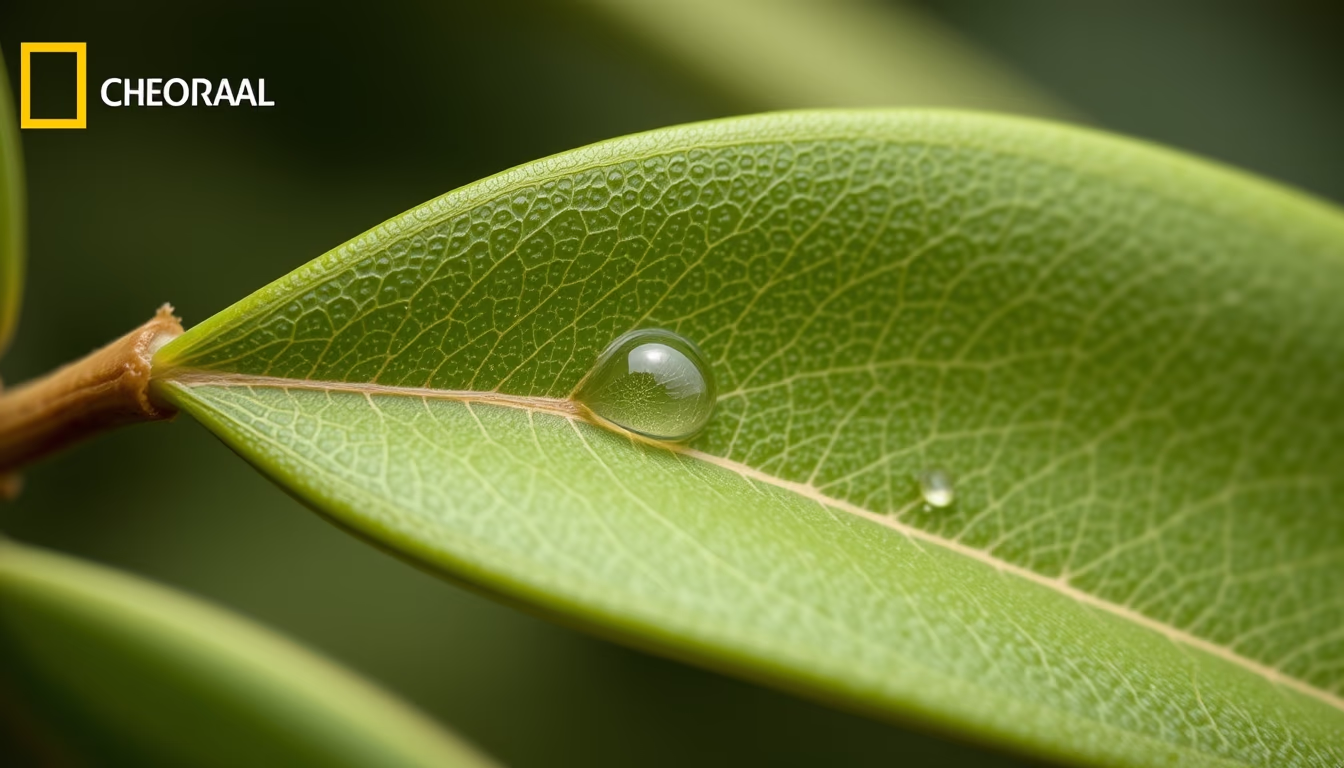
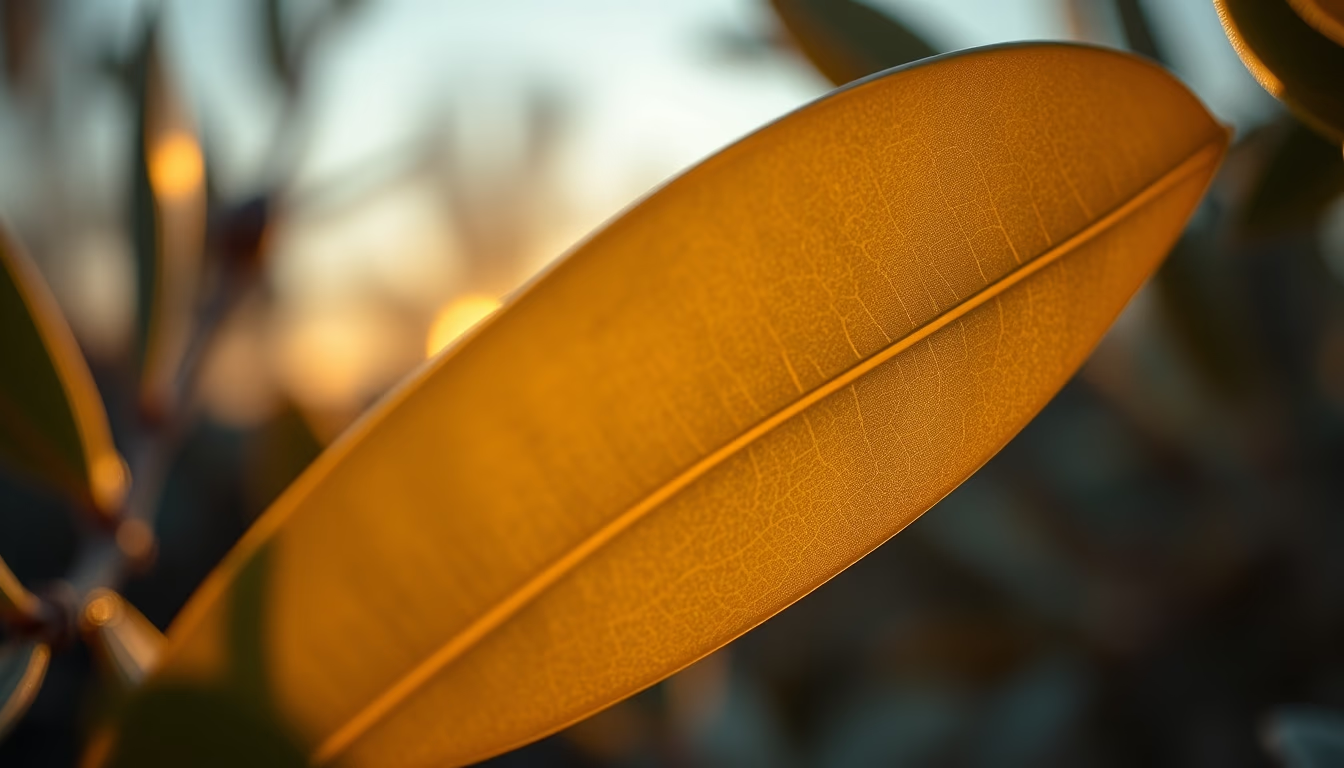
Microscopic details of the olive leaf reveal unique adaptations for survival in Mediterranean climates.
About this subject
The olive tree (Olea europaea) is one of humanity's oldest cultivated plants, with evidence of cultivation dating back over 6,000 years in the Eastern Mediterranean. Its leaves, elongated and leathery, are coated with a thick cuticle and a layer of trichomes (tiny hairs) that give them a characteristic gray-green color. This structure is a crucial adaptation to reduce water loss through transpiration, allowing the tree to withstand long drought periods typical of Mediterranean climates.
In macro detail, each leaf features a prominent central vein and secondary veins branching at acute angles. The lower epidermis is densely covered with peltate scales, which store essential oils and help reflect excess solar radiation. This leaf architecture not only protects the plant from water stress but also influences olive quality, as efficient photosynthesis under harsh conditions affects the accumulation of phenolic compounds and fatty acids.
Culturally, the olive leaf is a peaceful symbol present in Greek mythology (where Athena gifted Athens the first olive tree) and in biblical and Quranic passages. Olive branches were used to crown Olympic victors and still represent peace today. In traditional medicine, olive leaf infusions are used to lower blood pressure and control blood sugar, effects attributed to compounds like oleuropein. Today, olive leaf extracts are studied for their antioxidant and antimicrobial properties.
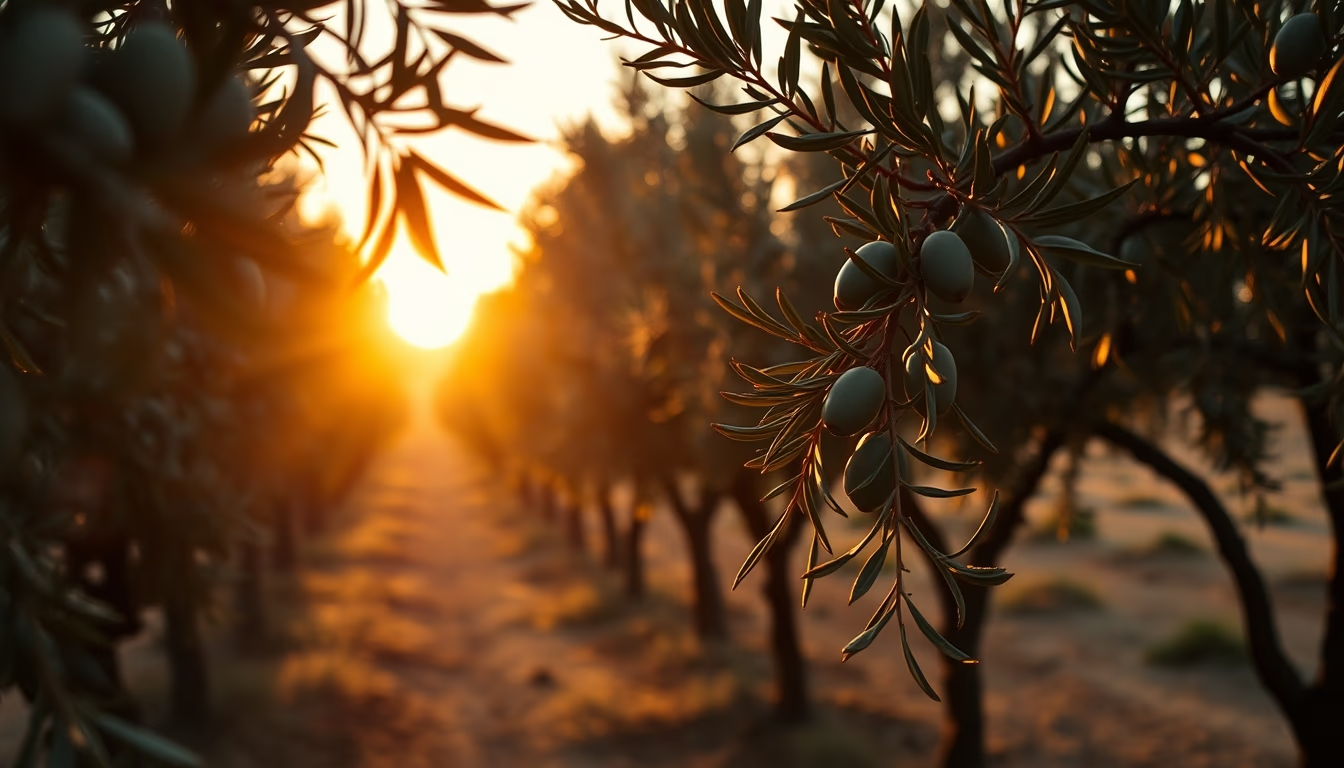
Agronomically, the olive tree is grown on every continent, with major producers including Spain, Italy, Greece, Turkey, and in Brazil, the state of Rio Grande do Sul. Fallen leaves form litter that enriches soil organic matter, while pruned branches are reused as fuel or compost. Detailed observation of the leaf, its shape, texture, and coloration, helps growers identify varieties and detect signs of diseases such as olive knot or peacock spot (repilo).
Frequently Asked Questions
Why are olive leaves grayish-green?
The grayish color comes from trichomes (hairs) on the leaf surface, which reflect sunlight and reduce water loss, an adaptation common in plants from arid and semi-arid regions.
What are the benefits of olive leaf tea?
Studies suggest the tea may help control blood pressure and blood sugar levels, thanks to compounds like oleuropein. It also has antioxidant and anti-inflammatory properties.
How to identify an olive tree by its leaf?
The leaf is simple, opposite, lanceolate (lance-shaped), with an entire margin and short petiole. The upper side is dark green, while the underside is lighter and covered with silvery scales.
Direct URL
https://pub-c7d6a6ea828543ac903a74a341ccb2e1.r2.dev/imagens/olive-leaf-macro-detail-national-geographic-style-p1.avifHow to credit
Include a visible link back to UtilizAí. Copy one of the snippets below:
<a href="https://xn--utiliza-eza.com/en/midia/imagens/olive-leaf-macro-detail-national-geographic-style-p1">Olive leaf macro detail</a> by <a href="https://xn--utiliza-eza.com">UtilizAí</a>, licensed under <a href="https://creativecommons.org/licenses/by/4.0/">CC BY 4.0</a>.
[Olive leaf macro detail](https://xn--utiliza-eza.com/en/midia/imagens/olive-leaf-macro-detail-national-geographic-style-p1) by [UtilizAí](https://xn--utiliza-eza.com), CC BY 4.0
License: CC-BY-4.0