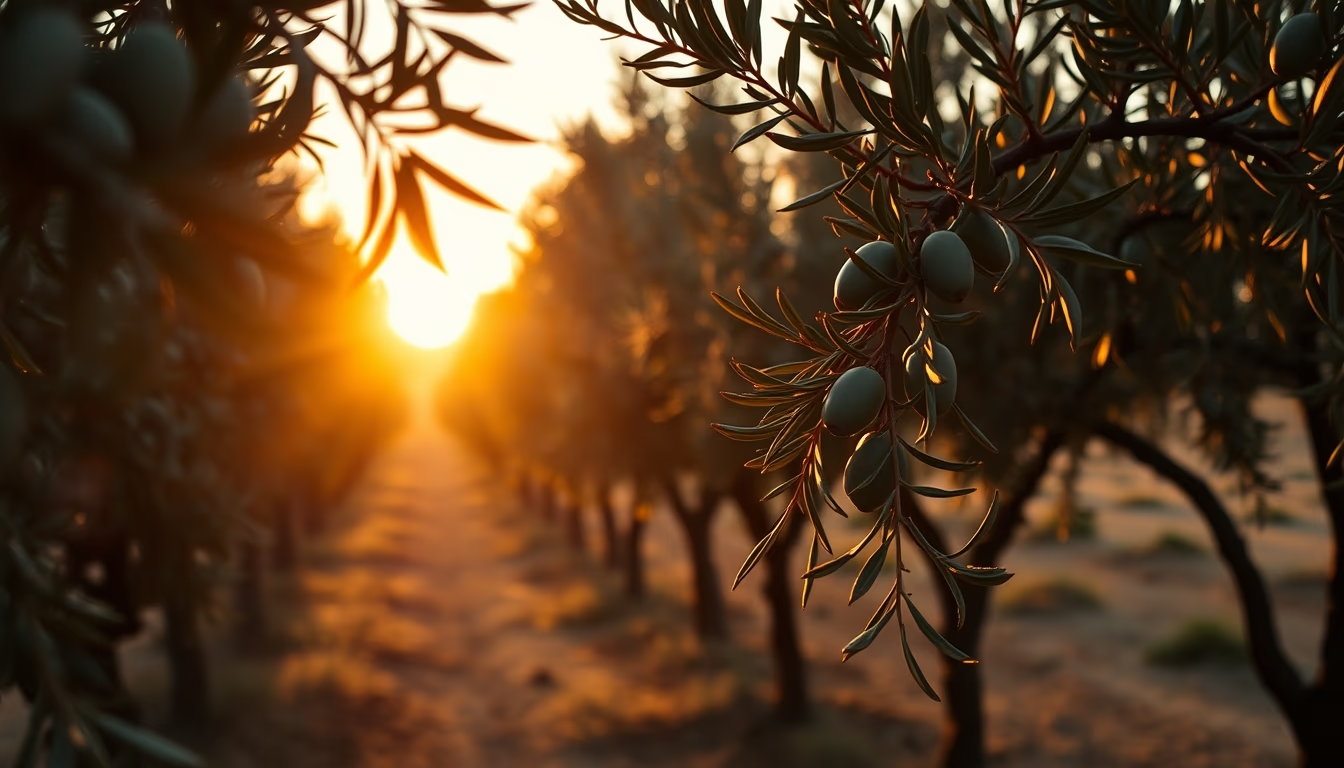
Olive branches with green olives
1344×768 · AVIF · CC BY 4.0
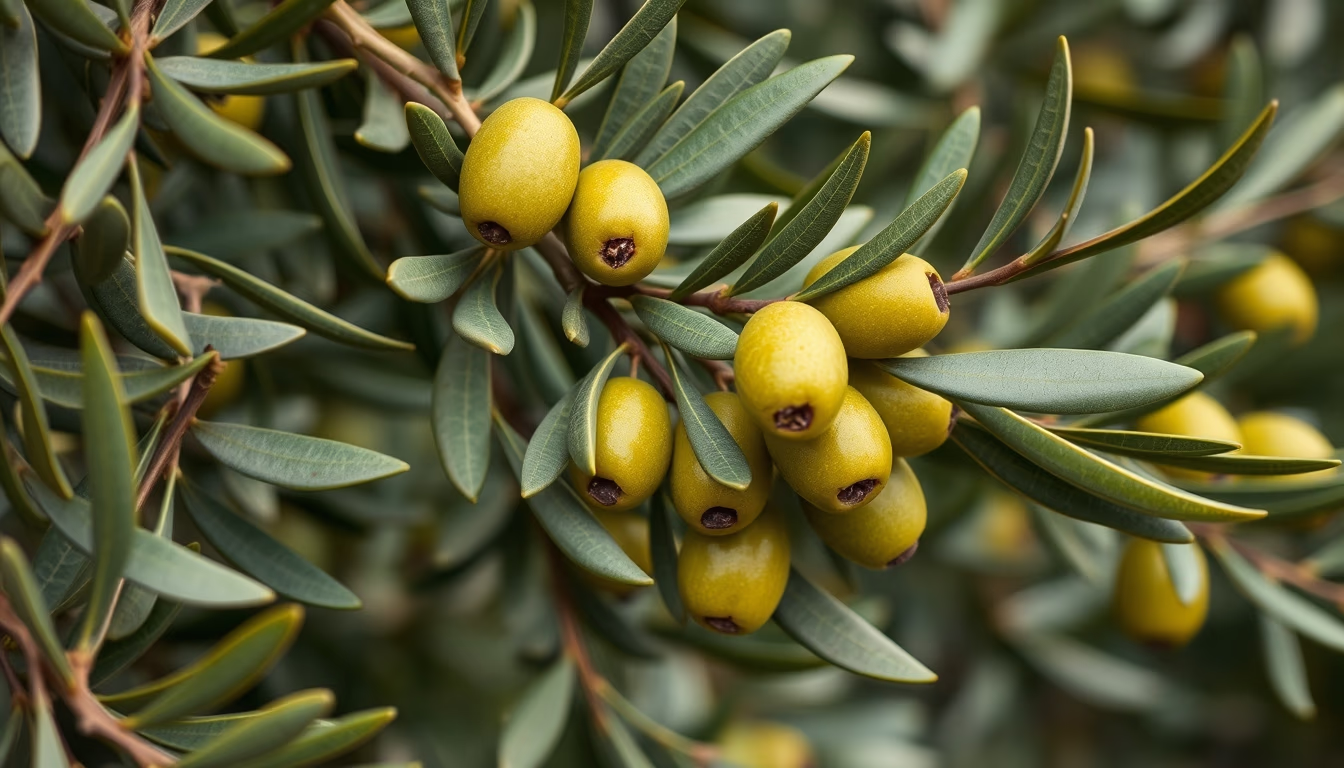
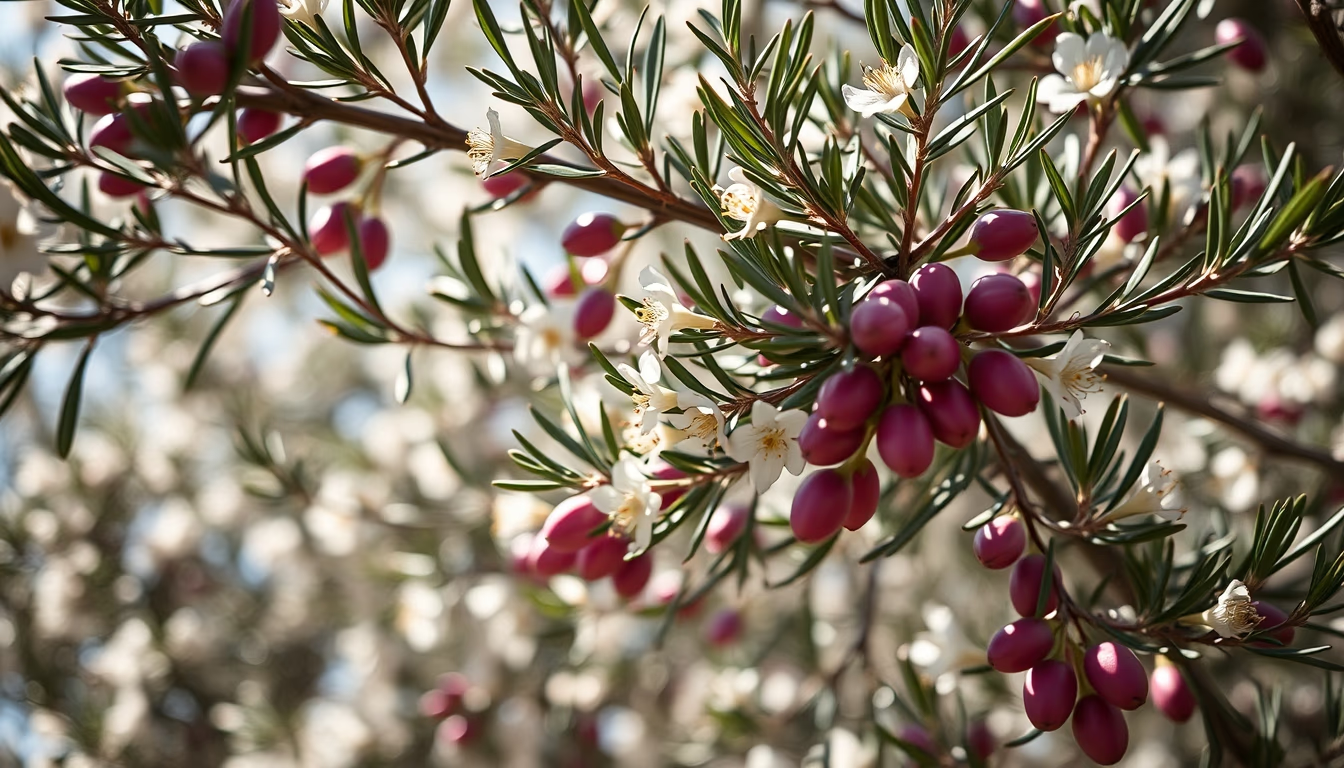
Ramos de oliveira com azeitonas verdes representam o início da colheita, um processo milenar que transforma o fruto em azeite e conservas.
Sobre o tema
As oliveiras (Olea europaea) são árvores frutíferas cultivadas há mais de 6.000 anos na região do Mediterrâneo. Originárias do Crescente Fértil, elas se espalharam por todo o mundo, adaptando-se a climas temperados. Os ramos com azeitonas verdes indicam o estágio inicial de maturação, quando os frutos ainda não adquiriram a coloração escura típica das variedades maduras. Esse estágio é crucial para a produção de azeitonas de mesa e para a extração de azeites com características mais frutadas e picantes.
O cultivo da oliveira exige solos bem drenados, clima ameno e pouca umidade. Países como Espanha, Itália, Grécia e Portugal lideram a produção mundial, mas o Brasil também possui plantações significativas no Rio Grande do Sul e em Minas Gerais, onde o clima subtropical permite a colheita entre janeiro e março. A oliveira é uma árvore de crescimento lento, podendo viver por séculos, e sua longevidade a torna um símbolo de paz e resistência em diversas culturas.
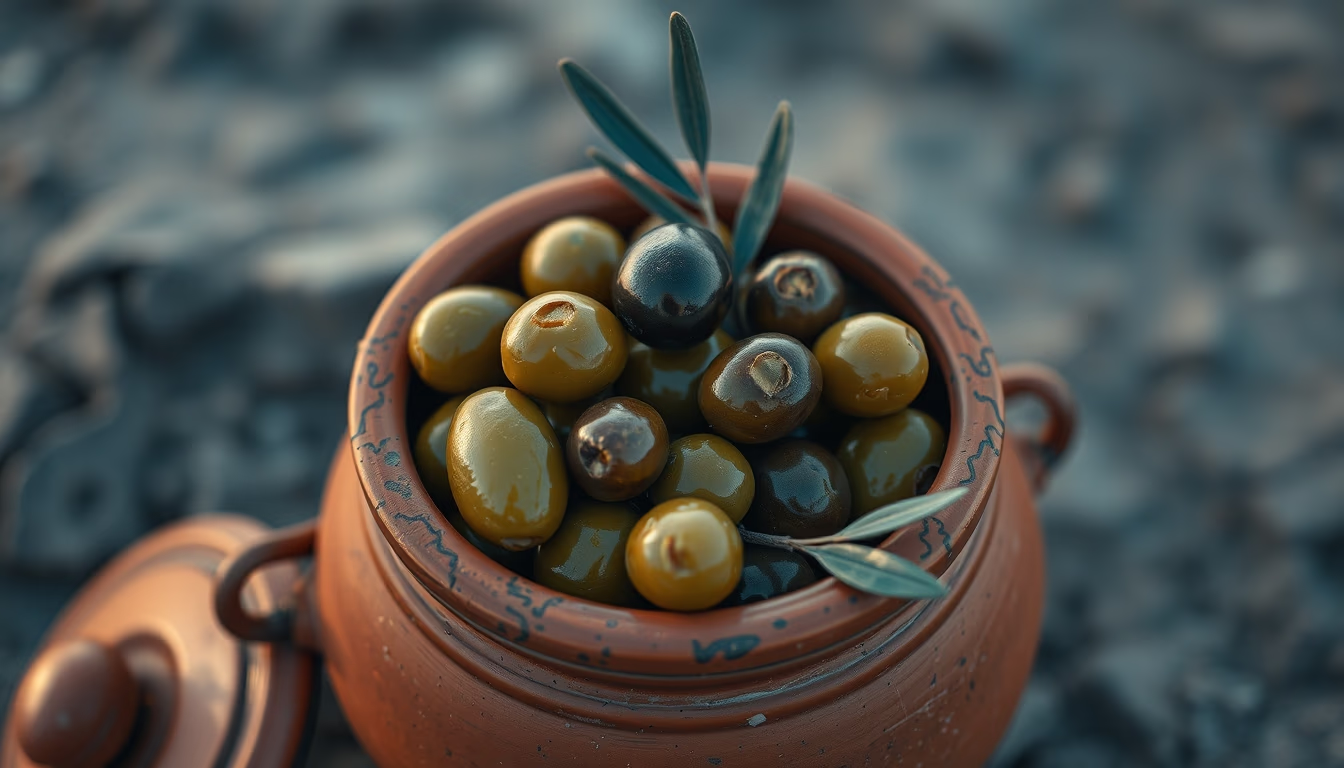
As azeitonas verdes são colhidas manualmente ou com equipamentos mecânicos para evitar danos. Elas passam por um processo de cura para remover o amargor natural, utilizando salmoura, água ou soda cáustica. Diferentes variedades, como a Manzanilla, a Picholine e a Kalamata, oferecem sabores distintos. Além do consumo direto, as azeitonas verdes são usadas na produção de azeite extravirgem, que requer colheita precoce para maior acidez e compostos fenólicos.
Curiosamente, a oliveira é uma das plantas mais mencionadas na Bíblia e na literatura clássica, associada à deusa grega Atena. O ramo de oliveira é um símbolo universal de paz, adotado pela ONU em sua bandeira. O azeite de oliva, extraído das azeitonas, é um pilar da dieta mediterrânea, reconhecido por seus benefícios cardiovasculares. A produção global de azeite ultrapassa 3 milhões de toneladas anuais, com a Espanha respondendo por cerca de 40% do total.
Perguntas frequentes
Qual a diferença entre azeitona verde e azeitona preta?
A diferença principal é o grau de maturação. A azeitona verde é colhida antes de amadurecer completamente, enquanto a preta é colhida madura. As verdes têm sabor mais amargo e textura mais firme, e passam por cura para se tornarem comestíveis.
Onde são cultivadas oliveiras no Brasil?
No Brasil, os maiores cultivos estão no Rio Grande do Sul, especialmente em municípios como Caçapava do Sul e Encruzilhada do Sul, e também em Minas Gerais, na região da Serra da Mantiqueira. O clima subtropical dessas áreas é favorável.
Como é feito o azeite de oliva extravirgem a partir de azeitonas verdes?
O azeite extravirgem é obtido por prensagem mecânica a frio das azeitonas verdes, sem uso de solventes. O processo inclui lavagem, moagem, mistura e centrifugação. Azeitonas verdes produzem azeites mais frutados e com maior teor de polifenóis.
URL direta
https://pub-c7d6a6ea828543ac903a74a341ccb2e1.r2.dev/imagens/olive-branches-with-green-olives-national-geographic-style-p8.avifComo creditar
Inclua um link visível de volta pro UtilizAí. Copie um dos snippets abaixo:
<a href="https://xn--utiliza-eza.com/midia/imagens/olive-branches-with-green-olives-national-geographic-style-p8">Olive branches with green olives</a> by <a href="https://xn--utiliza-eza.com">UtilizAí</a>, licensed under <a href="https://creativecommons.org/licenses/by/4.0/">CC BY 4.0</a>.
[Olive branches with green olives](https://xn--utiliza-eza.com/midia/imagens/olive-branches-with-green-olives-national-geographic-style-p8) by [UtilizAí](https://xn--utiliza-eza.com), CC BY 4.0
Licença: CC-BY-4.0