Oil paint thick texture
1344×768 · AVIF · CC BY 4.0
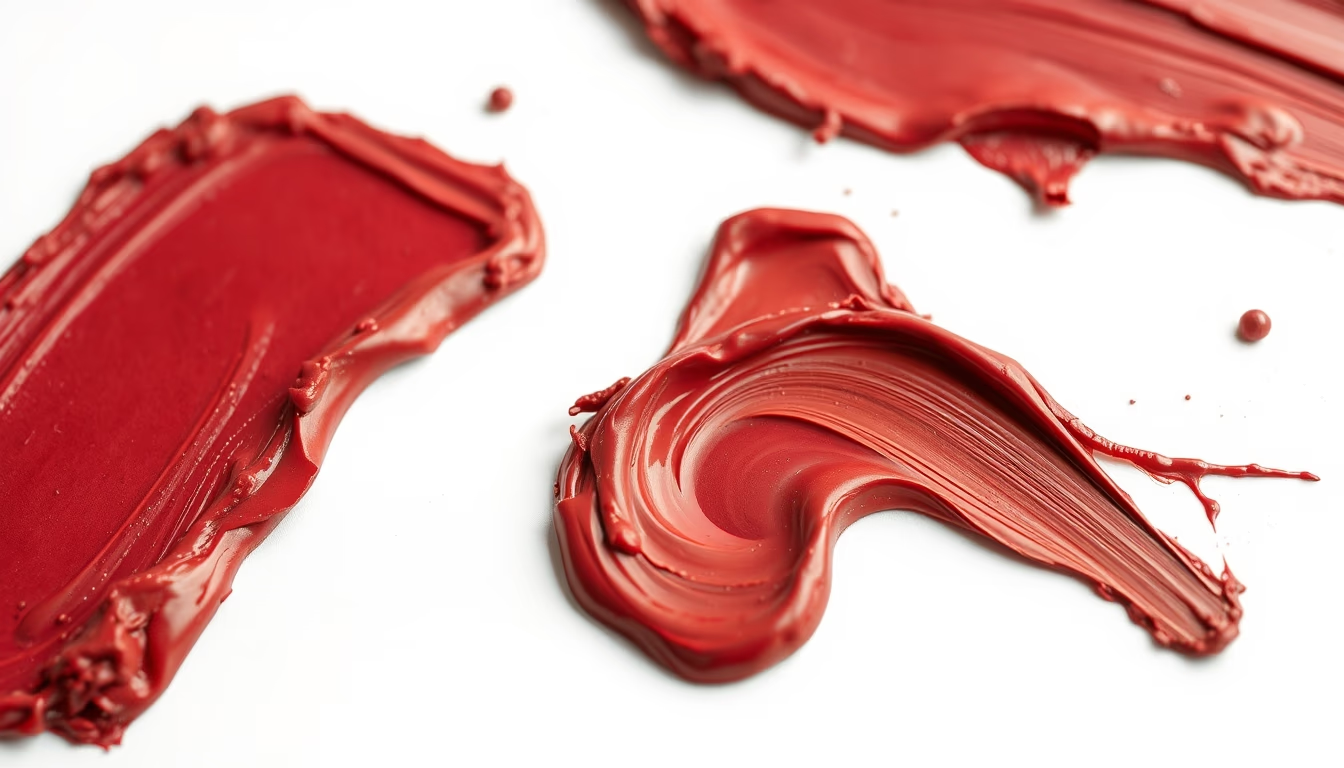
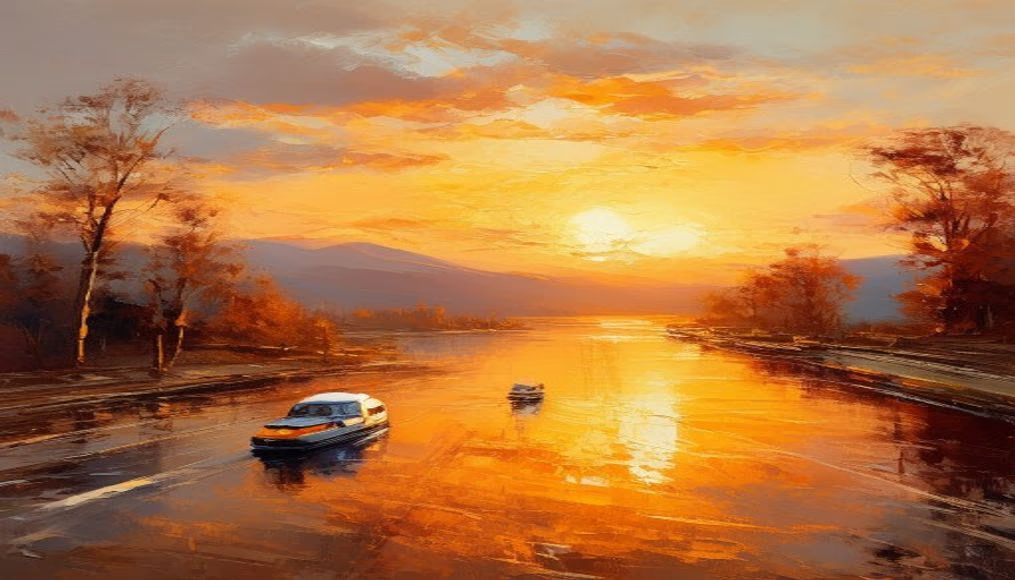
The thick texture of oil paint is a striking feature in artistic painting, especially in the impasto technique.
About this subject
The thick texture of oil paint, often associated with the impasto technique, is achieved by applying generous layers of paint with brushes, palette knives, or even fingers. This approach allows the artist to create three-dimensional reliefs on the canvas, emphasizing brushstrokes and adding depth to the work. Historically, impasto was used by masters such as Rembrandt, who employed it to highlight details like jewels and skin textures, and Vincent van Gogh, whose thick, expressive strokes became his trademark. The technique was also explored by abstract expressionists like Jackson Pollock, who used texture to convey emotion and movement.
The thickness of oil paint is not merely aesthetic: it affects how light interacts with the painted surface. The raised areas create shadows and highlights that shift with the viewing angle, bringing the composition to life. Moreover, oil paint, with its vegetable oil base, dries slowly, allowing artists to work the texture over days or weeks. This property is crucial for techniques like sfumato or glazing, but impasto requires patience, as thick layers can crack if not applied correctly.
In contemporary art, thick texture continues to be explored, both in traditional painting and in digital media that simulate relief. Artists like Gerhard Richter use thick layers to create blur and depth effects. Technically, thick oil paint presents conservation challenges: uneven drying can lead to cracks, and dust accumulates in crevices. Museums and restorers adopt specific care, such as humidity and lighting control, to preserve these works.
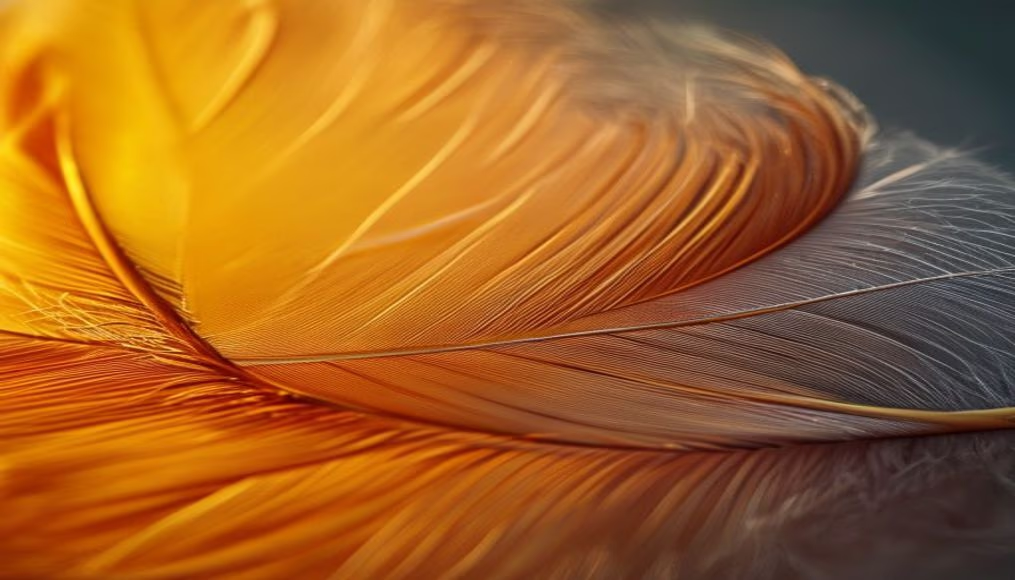
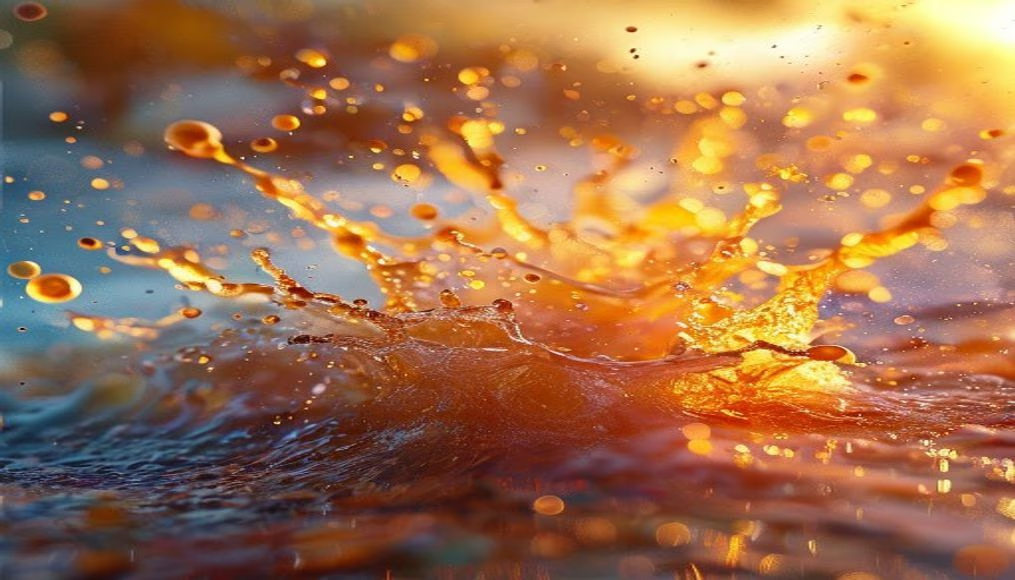
Interestingly, thick texture also has applications beyond art. In product photography, simulating oil paint texture can convey a sense of luxury and craftsmanship. This versatility shows how impasto transcends painting and influences other visual fields.
Frequently Asked Questions
How to create thick texture with oil paint?
Use high-viscosity oil paint applied with a palette knife or brush in generous layers. Avoid excessive thinners; the paint should remain pasty.
Why do artists use thick texture?
To add relief and depth, emphasize brushstrokes, create light and shadow effects, and convey emotion or movement.
What is the difference between impasto and other techniques?
Impasto focuses on thick, visible paint application, while techniques like glazing use thin, transparent layers. Impasto creates three-dimensional texture; others aim for smooth surfaces.
Direct URL
https://pub-c7d6a6ea828543ac903a74a341ccb2e1.r2.dev/imagens/oil-paint-thick-texture-commercial-product-photography-p4.avifHow to credit
Include a visible link back to UtilizAí. Copy one of the snippets below:
<a href="https://xn--utiliza-eza.com/en/midia/imagens/oil-paint-thick-texture-commercial-product-photography-p4">Oil paint thick texture</a> by <a href="https://xn--utiliza-eza.com">UtilizAí</a>, licensed under <a href="https://creativecommons.org/licenses/by/4.0/">CC BY 4.0</a>.
[Oil paint thick texture](https://xn--utiliza-eza.com/en/midia/imagens/oil-paint-thick-texture-commercial-product-photography-p4) by [UtilizAí](https://xn--utiliza-eza.com), CC BY 4.0
License: CC-BY-4.0