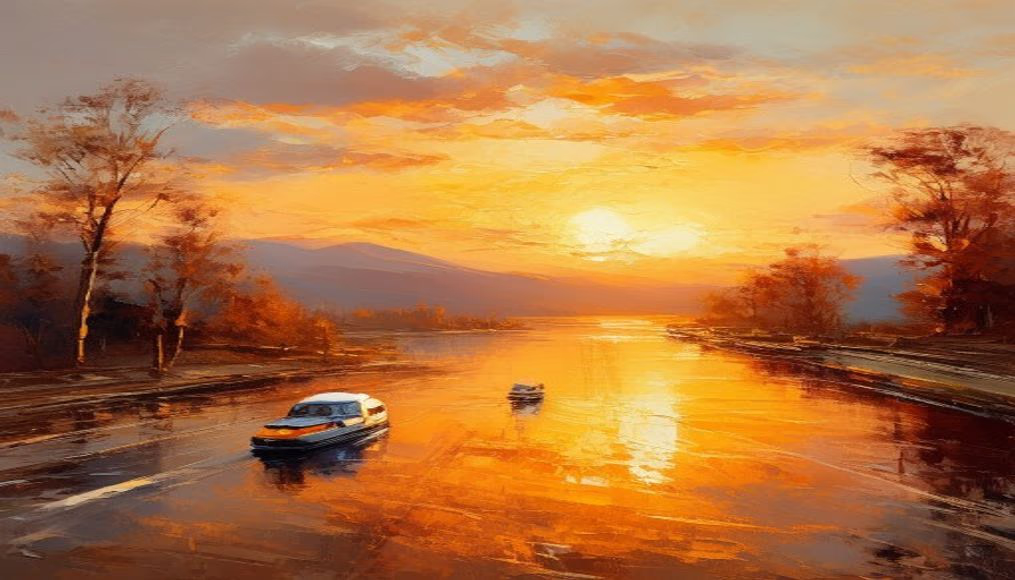
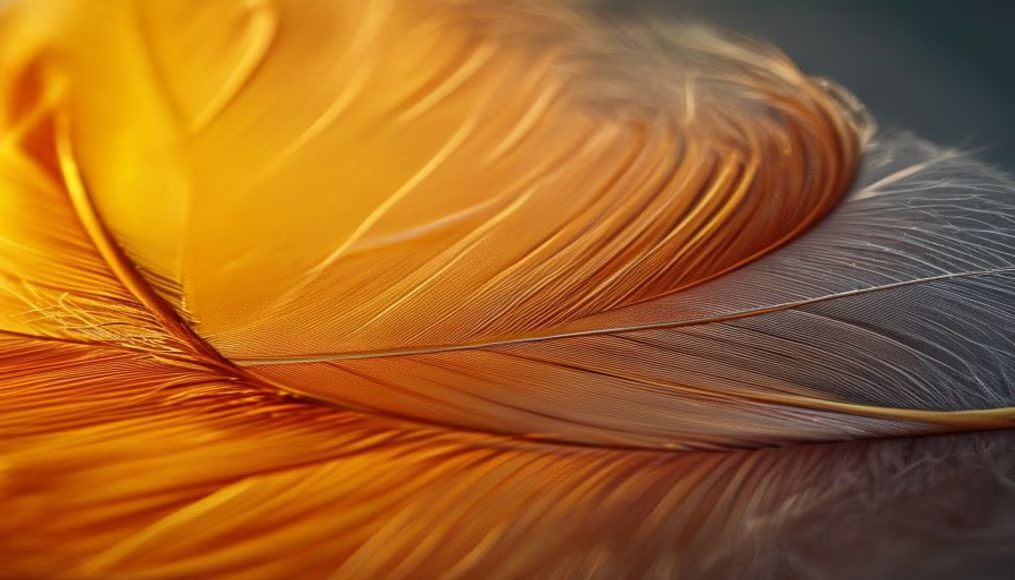
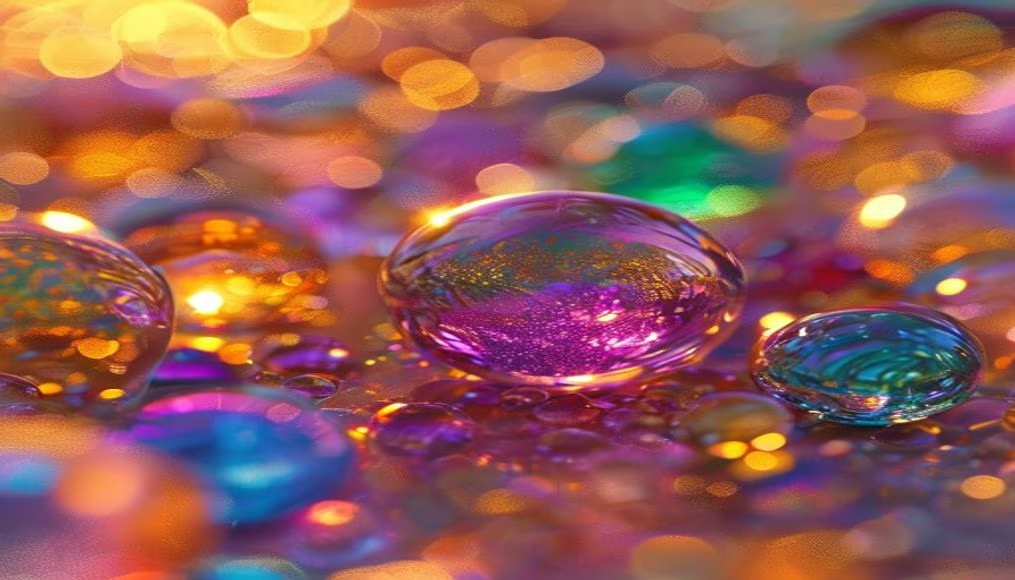
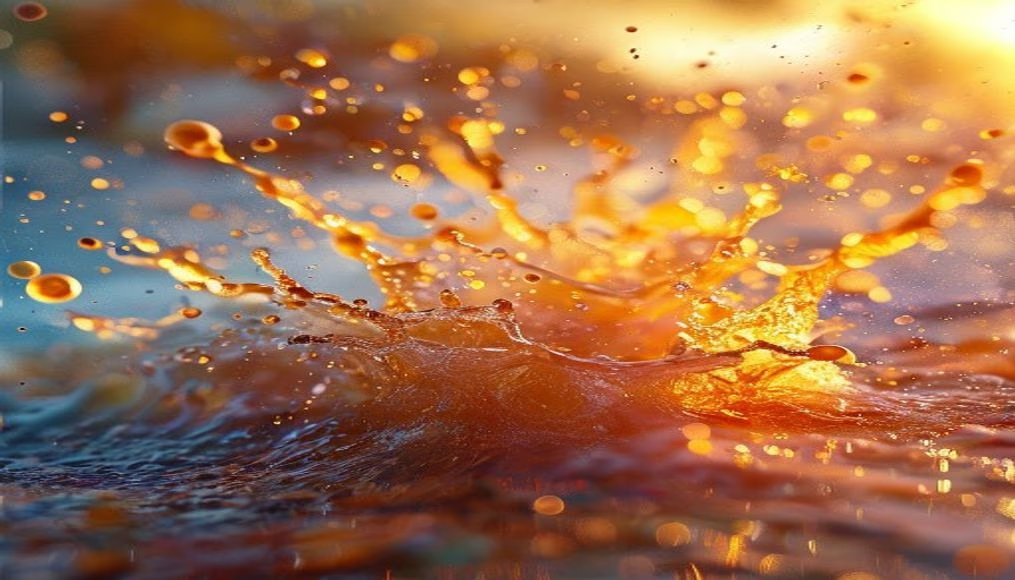
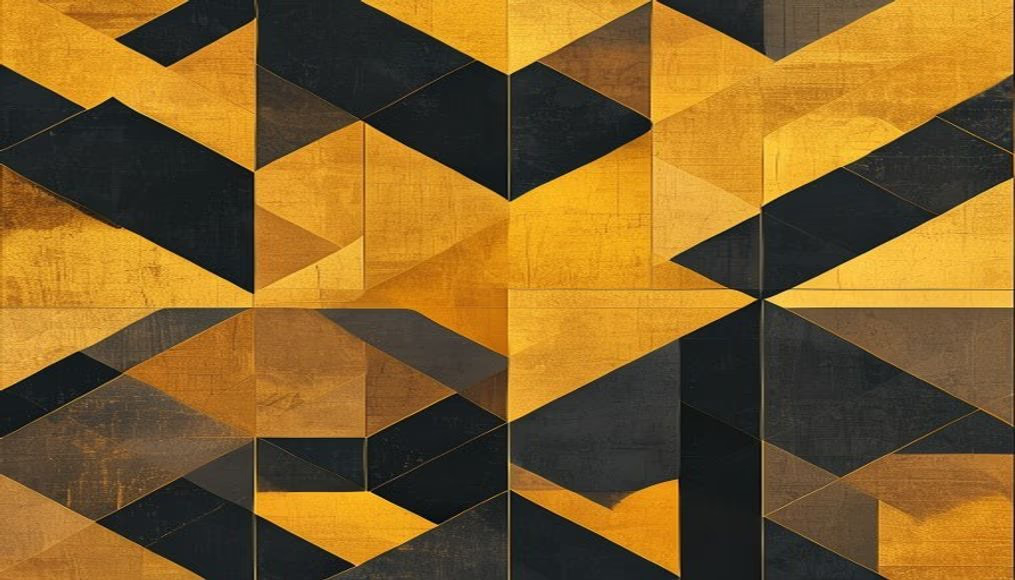
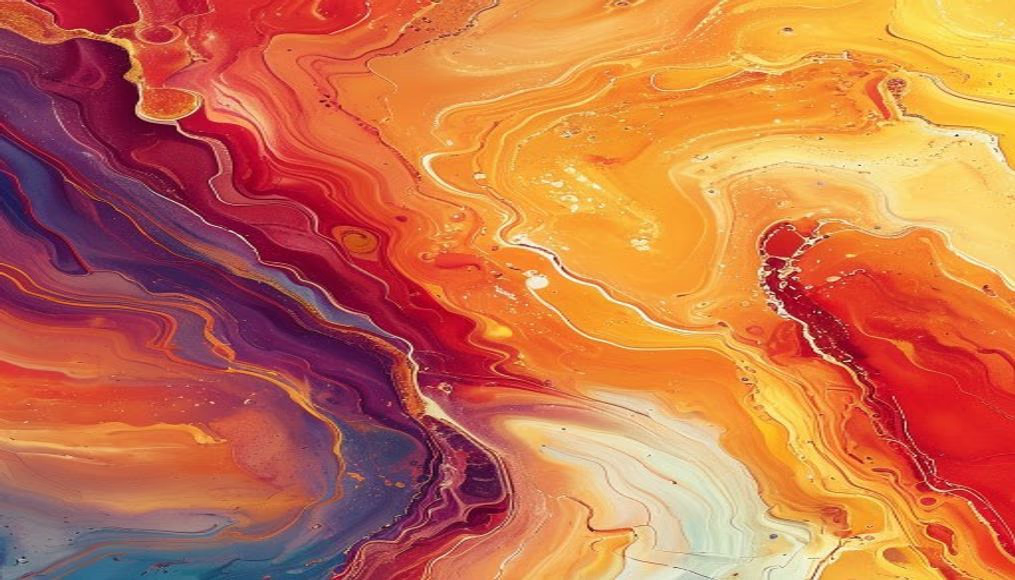
Oil paint texture
1344×768 · AVIF · CC BY 4.0
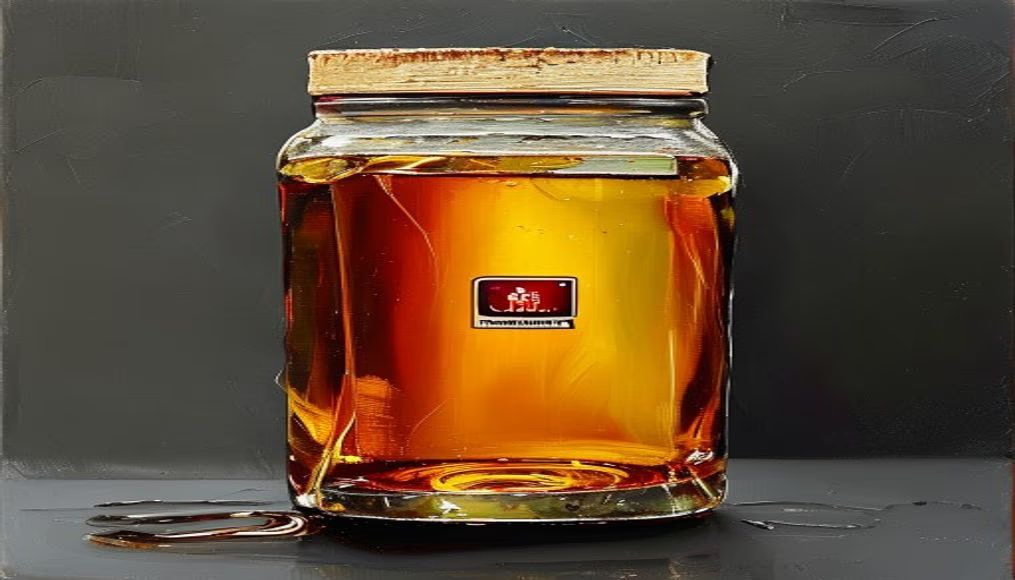
Oil paint texture: learn about the characteristics, history, and use of this classic medium in artistic painting.
About this subject
Oil paint is one of the most traditional and versatile mediums in the history of painting. Composed of pigments suspended in a drying oil, typically linseed, walnut, or poppy seed oil, it allows a wide range of textures, from fine, smooth brushstrokes to thick, three-dimensional impastos. The slow drying time is a crucial advantage, giving the artist time to blend colors, make corrections, and create smooth transitions. This property was fundamental to the development of techniques such as Leonardo da Vinci's sfumato and the transparent layers (glazes) used by Flemish Renaissance painters.
Historically, oil paint gained prominence in 15th-century Europe, with Jan van Eyck often credited with perfecting its formula, although it was known earlier. From then on, it became the dominant medium for nearly 500 years, used by masters like Rembrandt, Vermeer, Turner, and the Impressionists. Each period explored textures uniquely: the Baroque artists used dramatic impastos to capture light, while Impressionists applied visible, broken brushstrokes to suggest movement and atmosphere.
In contemporary art, oil paint texture continues to be explored, whether in abstract works that emphasize the materiality of paint or in hyper-realistic paintings seeking extreme smoothness. The medium's versatility allows for satin-like surfaces to sculptural reliefs. Artists like Gerhard Richter use palette knives to create dragged textures, while others, like Anselm Kiefer, incorporate sand and other materials to enrich the surface. The choice of texture is an aesthetic and expressive decision that directly influences the viewer's perception of the artwork.
Technical curiosities: the addition of mediums such as linseed oil, turpentine, or varnish can alter the paint's viscosity and gloss, enabling varied textures. Impasto, the technique of thick application, creates ridges that dynamically capture and reflect light. In contrast, sfumato requires thin, rubbed layers to achieve imperceptible transitions. Texture also affects durability: thick layers may crack over time if the canvas is not properly prepared.
Frequently Asked Questions
How long does oil paint take to dry?
Oil paint drying time ranges from a few days to weeks, depending on layer thickness, temperature, and humidity. Thin layers dry faster, while thick impastos may take months to fully cure.
What are the main techniques for creating texture with oil paint?
Key techniques include impasto (thick application with brush or palette knife), sfumato (thin, rubbed layers for smooth transitions), glazing (transparent layers over a dry base), and using mediums to alter paint consistency.
Can oil paint texture be altered after drying?
Yes, texture can be added after drying using varnishes, mediums, or additional paint layers. However, compatibility between layers must be considered to avoid cracking or delamination.
Direct URL
https://pub-c7d6a6ea828543ac903a74a341ccb2e1.r2.dev/imagens/oil-paint-texture-commercial-product-photography-v9.avifHow to credit
Include a visible link back to UtilizAí. Copy one of the snippets below:
<a href="https://xn--utiliza-eza.com/en/midia/imagens/oil-paint-texture-commercial-product-photography-v9">Oil paint texture</a> by <a href="https://xn--utiliza-eza.com">UtilizAí</a>, licensed under <a href="https://creativecommons.org/licenses/by/4.0/">CC BY 4.0</a>.
[Oil paint texture](https://xn--utiliza-eza.com/en/midia/imagens/oil-paint-texture-commercial-product-photography-v9) by [UtilizAí](https://xn--utiliza-eza.com), CC BY 4.0
License: CC-BY-4.0