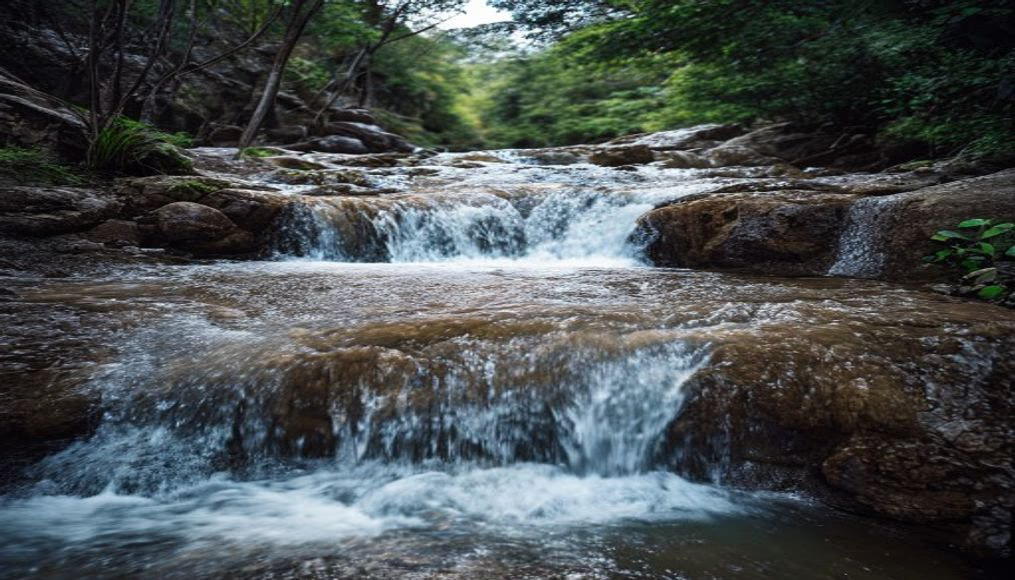
Niagara falls long exposure
1344×768 · AVIF · CC BY 4.0
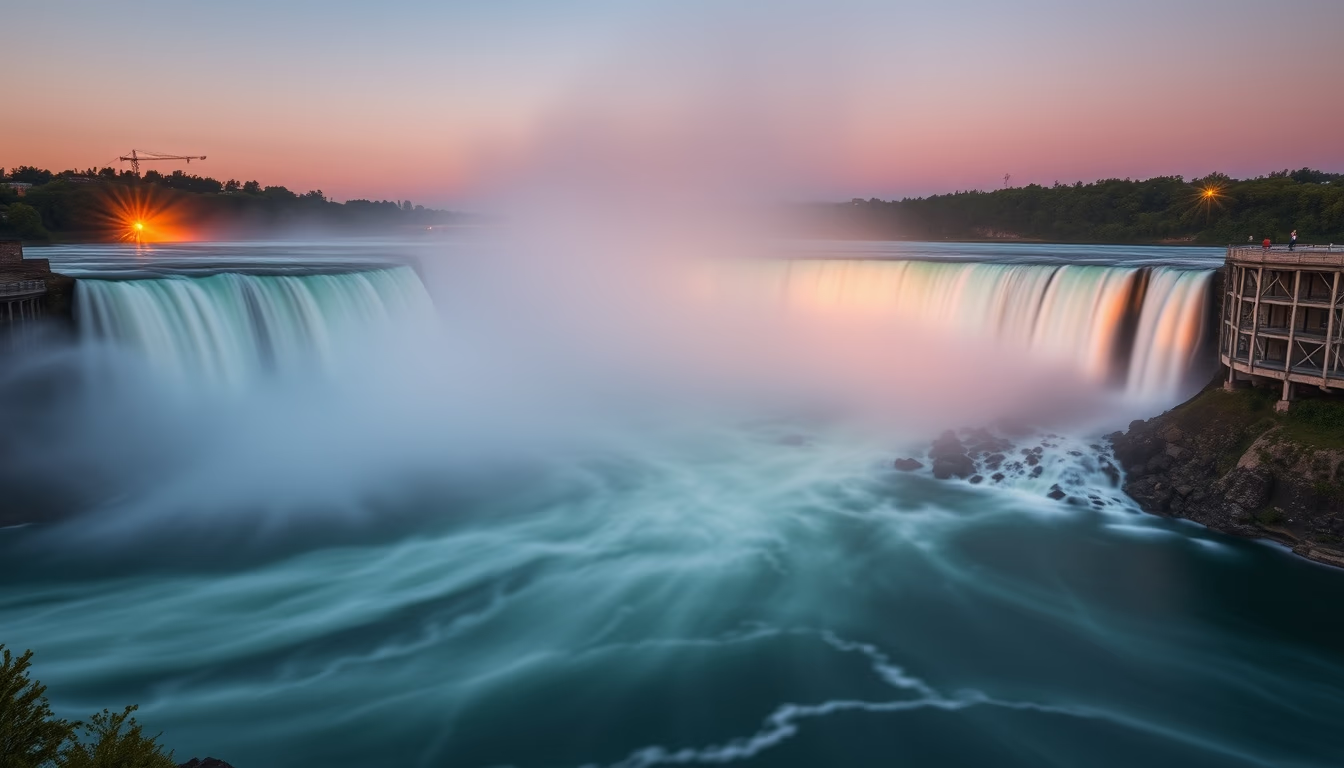
Niagara Falls em longa exposição revela a fluidez da água e a grandiosidade das cataratas na fronteira entre EUA e Canadá.
Sobre o tema
Niagara Falls é um dos conjuntos de cataratas mais famosos do mundo, localizado na fronteira entre o estado de Nova York (EUA) e a província de Ontário (Canadá). Composto por três quedas d'água: as Cataratas Americanas, as Cataratas Bridal Veil e as Cataratas do Canadá (ou Horseshoe Falls), o volume de água que passa pelo sistema é de aproximadamente 2.400 metros cúbicos por segundo durante o pico da temporada. A técnica de longa exposição usada na fotografia suaviza o movimento da água, criando um efeito sedoso que contrasta com as rochas escuras e o céu noturno, destacando a potência natural do local.
A região de Niagara Falls é um destino turístico desde o século XIX, atraindo milhões de visitantes anualmente. As cataratas foram formadas há cerca de 12.000 anos, no final da última era glacial, quando o recuo das geleiras criou o Rio Niágara e as quedas. Ao longo dos anos, a erosão causou o recuo das cataratas em direção ao Lago Erie, a uma taxa de cerca de 1 metro por século. Para preservar o local, projetos de engenharia, como a instalação de barragens e desvios, controlam o fluxo de água, especialmente durante a noite, quando o volume é reduzido para gerar energia hidrelétrica.
As Cataratas do Canadá, em forma de ferradura, são as mais impressionantes, com cerca de 53 metros de altura e 792 metros de largura. A iluminação noturna das cataratas é um espetáculo à parte, com luzes coloridas que realçam a beleza do local. Além disso, a região oferece atividades como cruzeiros até a base das quedas (Maid of the Mist), trilhas e observação de pontos panorâmicos. A longa exposição captura não apenas a água, mas também as luzes artificiais e as estrelas, criando uma atmosfera mística que atrai fotógrafos do mundo inteiro.
Curiosamente, o nome "Niagara" deriva de uma palavra iroquesa que significa "trovão de água", uma referência ao som ensurdecedor das quedas. O local também foi palco de feitos históricos, como a primeira travessia de barril em 1901, realizada por Annie Edson Taylor. Hoje, Niagara Falls é um Patrimônio Natural da Humanidade (designação da UNESCO para a Reserva da Biosfera) e continua a ser um símbolo de poder natural e beleza cênica inigualáveis.
Perguntas frequentes
Qual a melhor época para fotografar Niagara Falls com longa exposição?
A primavera e o outono oferecem menor fluxo de turistas e condições de luz favoráveis. No inverno, as quedas parcialmente congeladas criam um visual único, mas exigem equipamento resistente ao frio.
É necessário usar filtro ND para fotografia de longa exposição em Niagara Falls?
Sim, um filtro de densidade neutra (ND) é recomendado para permitir velocidades lentas do obturador mesmo durante o dia, evitando superexposição e obtendo o efeito sedoso na água.
Quais pontos de observação oferecem a melhor vista das cataratas?
O Table Rock Observation Deck (lado canadense) e a Prospect Point Observation Tower (lado americano) proporcionam vistas panorâmicas. O cruzeiro Maid of the Mist também oferece ângulos únicos.
URL direta
https://pub-c7d6a6ea828543ac903a74a341ccb2e1.r2.dev/imagens/niagara-falls-long-exposure-cinematic-wide-shot-v2.avifComo creditar
Inclua um link visível de volta pro UtilizAí. Copie um dos snippets abaixo:
<a href="https://xn--utiliza-eza.com/midia/imagens/niagara-falls-long-exposure-cinematic-wide-shot-v2">Niagara falls long exposure</a> by <a href="https://xn--utiliza-eza.com">UtilizAí</a>, licensed under <a href="https://creativecommons.org/licenses/by/4.0/">CC BY 4.0</a>.
[Niagara falls long exposure](https://xn--utiliza-eza.com/midia/imagens/niagara-falls-long-exposure-cinematic-wide-shot-v2) by [UtilizAí](https://xn--utiliza-eza.com), CC BY 4.0
Licença: CC-BY-4.0