Mtb rocky trail descent
1344×768 · AVIF · CC BY 4.0
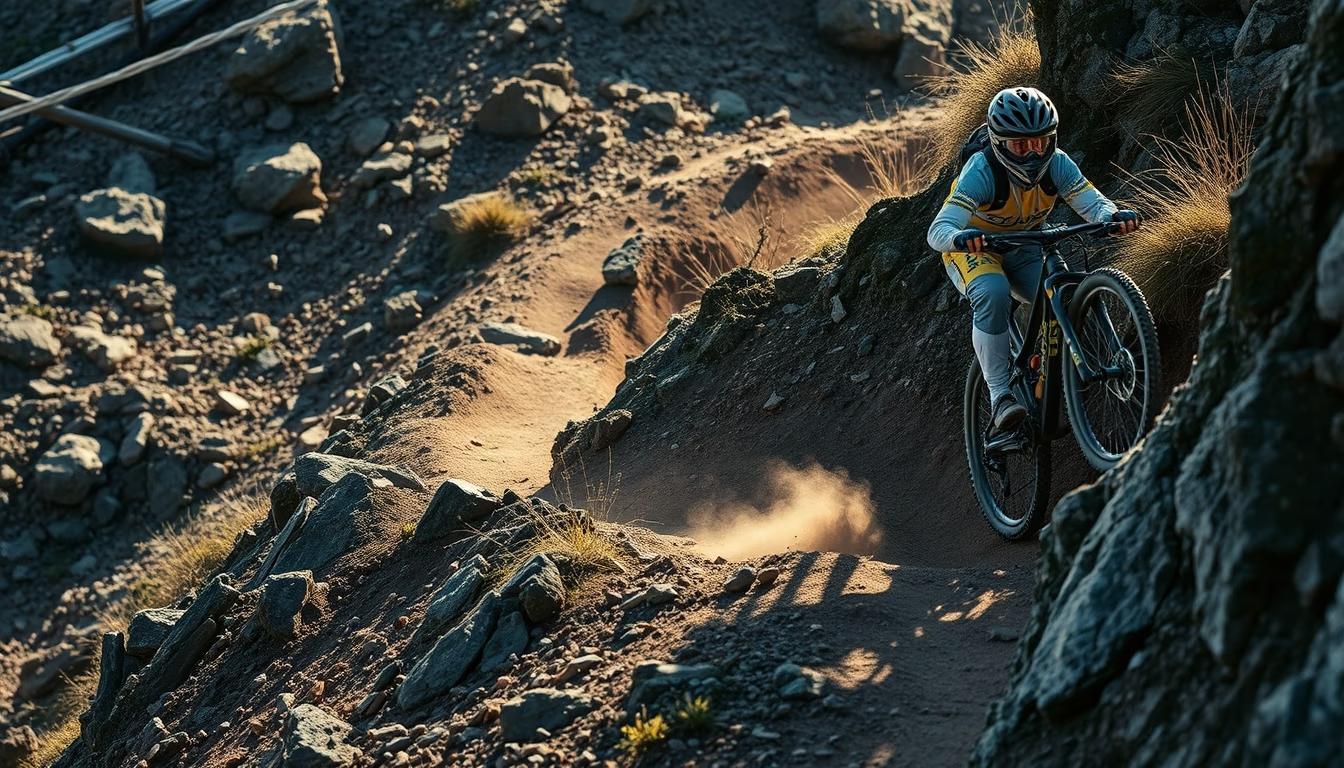
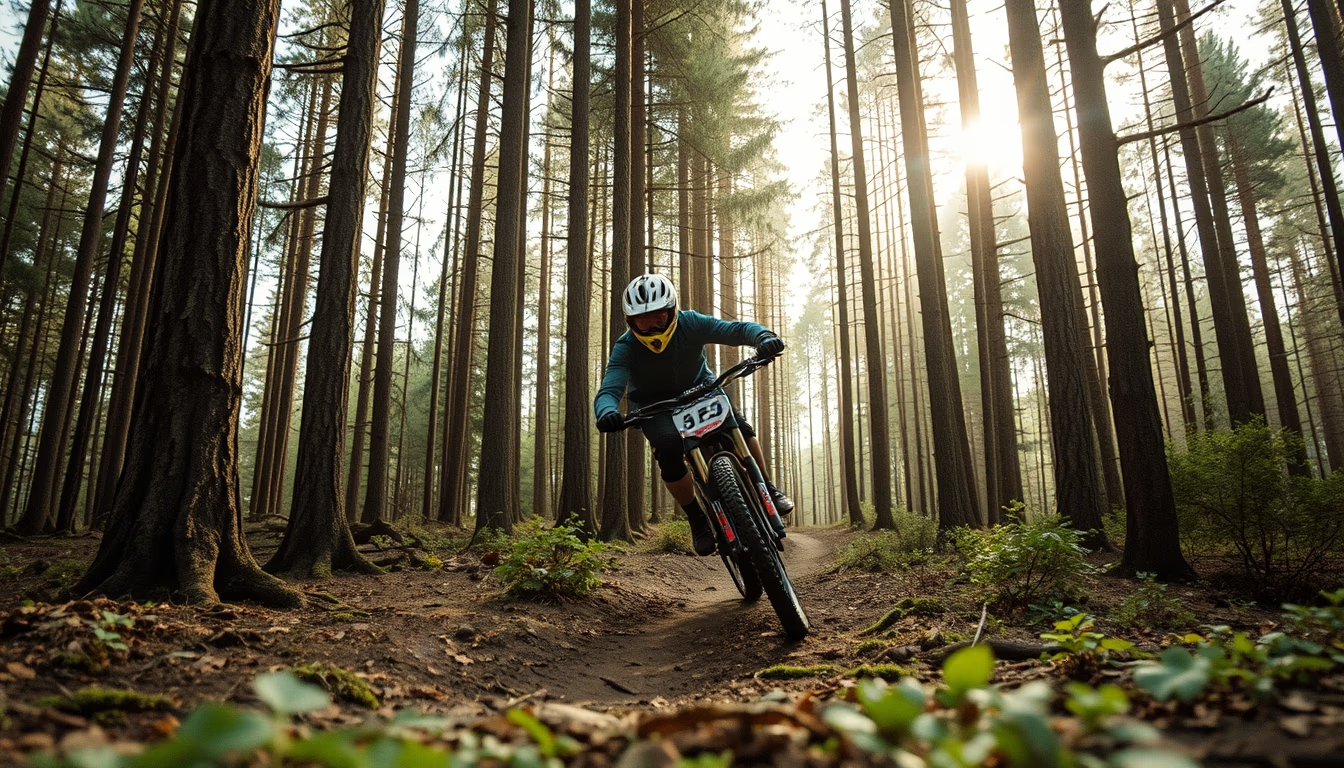
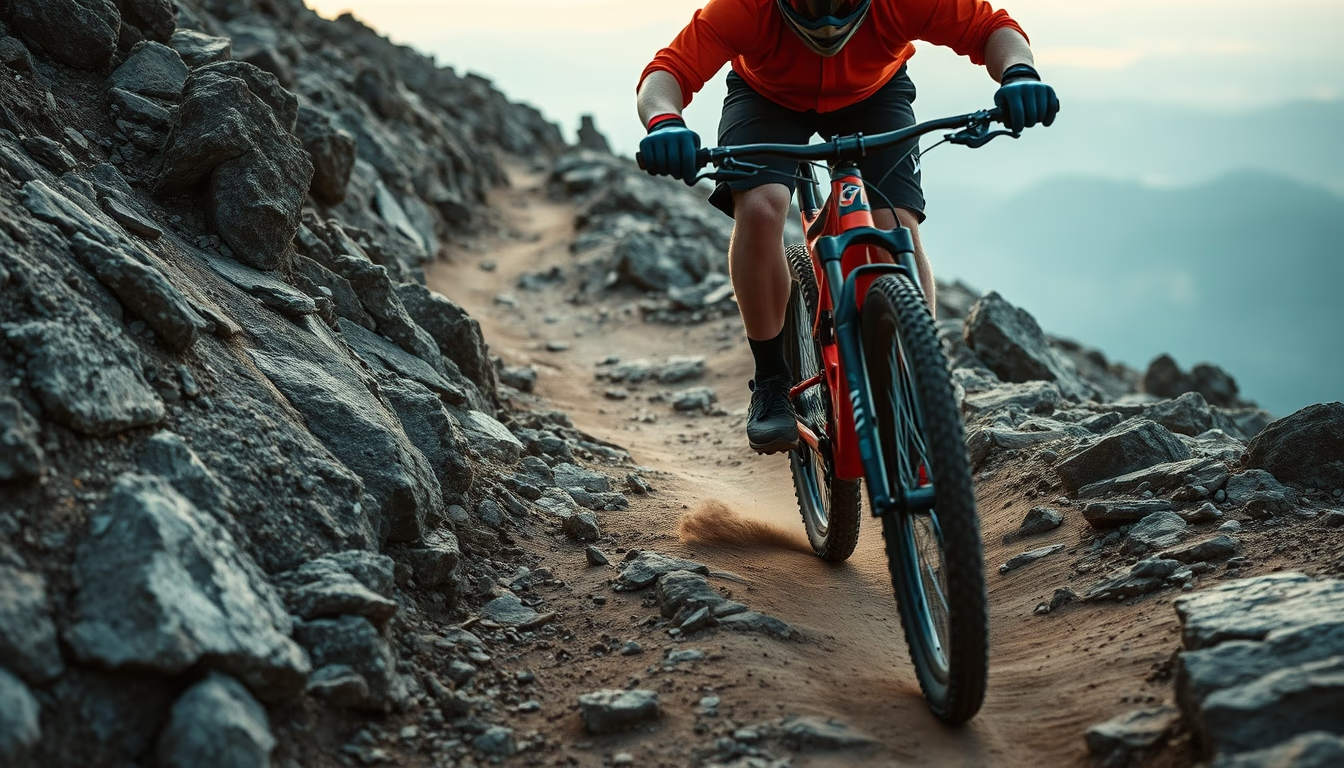
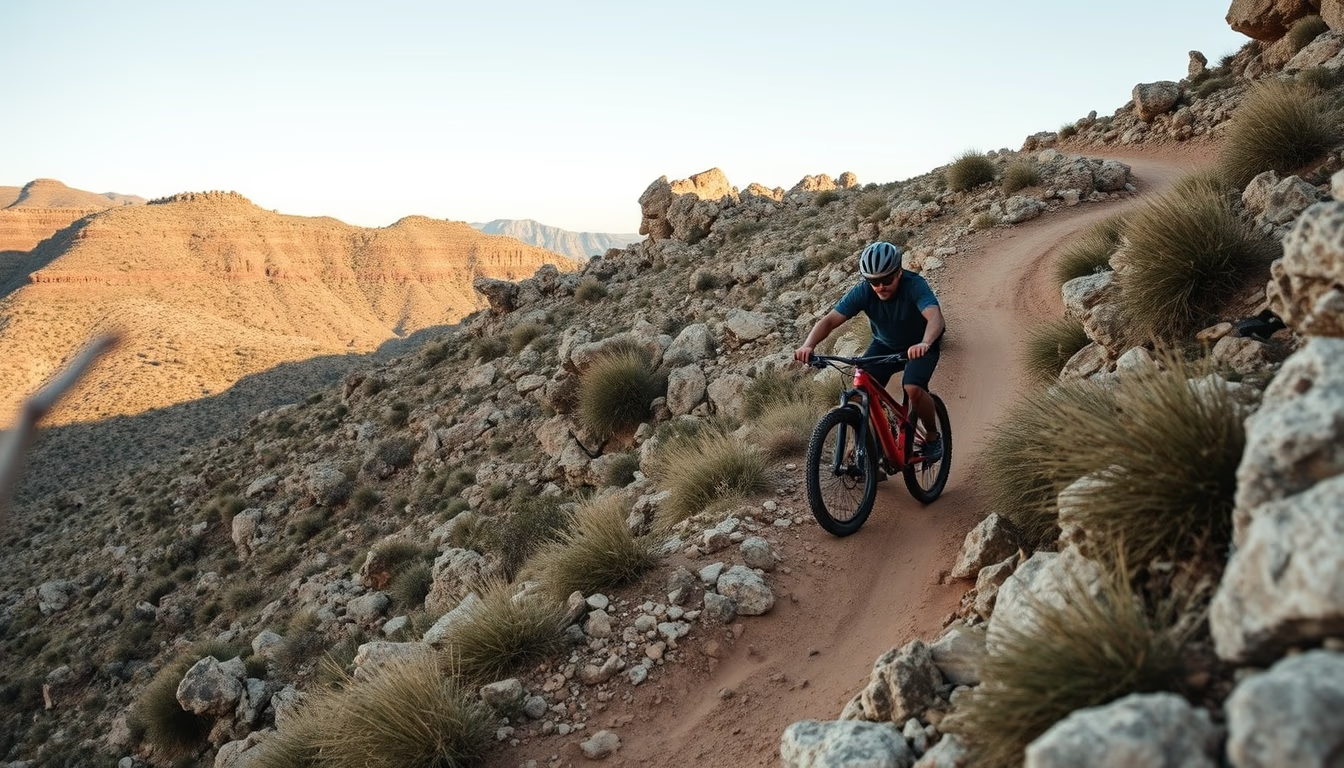
Mountain biking rocky trail descents demands refined technique, robust gear, and terrain knowledge to ensure safety and performance.
About this subject
Rocky trail descents are among the toughest challenges in mountain biking. Terrain featuring loose rocks, slabs, and roots demands a combination of balance, impact absorption, and precise line choice. Globally, iconic locations include the rocky trails of Moab (Utah, USA), the Alps in Europe, and the Andes in South America. In Brazil, spots like Serra do Rio do Rastro, Chapada Diamantina, and Serra da Mantiqueira are renowned for technical downhill sections.
Proper technique involves keeping the center of gravity low, level pedals, and bent elbows. A full suspension bike with progressive damping helps maintain traction. Aggressive tread tires run at low pressure (around 20-25 psi) improve grip. Choosing the right gear allows maintaining cadence without losing control.
In competition, the UCI MTB World Cup Downhill series races on rocky tracks worldwide, such as in Lenzerheide (Switzerland) and Val di Sole (Italy). The sport demands total commitment and mental focus, as mistakes can lead to serious crashes. Professional riders use specially tuned bikes with slack geometry and long travel suspension (200 mm or more) for maximum stability.
For beginners, it is wise to start on less steep, less rocky trails and progress gradually. Protective gear like full-face helmets, knee pads, and elbow pads is mandatory. Regular bike maintenance, especially brakes and suspension, ensures reliable performance on rough terrain. Learning to read the trail ahead and choose the smoothest line is key to both speed and safety.
Frequently Asked Questions
How can I improve my technique on rocky downhill trails?
Practice the neutral position: level pedals, bent knees and elbows, low hips. Focus on looking ahead and choosing your line early. Train on short sections and repeat to build confidence.
What bike is best for rocky descents?
A full suspension mountain bike is recommended. Travel ranges from 150mm to 200mm for downhill. Wide tires (2.4 to 2.6 inches) with aggressive tread and hydraulic disc brakes with good modulation are essential.
How should I prepare for a technical rocky descent?
Check your bike: brakes, suspension, tire pressure. Wear full protective gear. Recon the trail beforehand, noting obstacles. Stay calm and breathe deeply before starting.
Direct URL
https://pub-c7d6a6ea828543ac903a74a341ccb2e1.r2.dev/imagens/mtb-rocky-trail-descent-magazine-editorial-fresh15.avifHow to credit
Include a visible link back to UtilizAí. Copy one of the snippets below:
<a href="https://xn--utiliza-eza.com/en/midia/imagens/mtb-rocky-trail-descent-magazine-editorial-fresh15">Mtb rocky trail descent</a> by <a href="https://xn--utiliza-eza.com">UtilizAí</a>, licensed under <a href="https://creativecommons.org/licenses/by/4.0/">CC BY 4.0</a>.
[Mtb rocky trail descent](https://xn--utiliza-eza.com/en/midia/imagens/mtb-rocky-trail-descent-magazine-editorial-fresh15) by [UtilizAí](https://xn--utiliza-eza.com), CC BY 4.0
License: CC-BY-4.0