Moroccan mint tea pot
1344×768 · AVIF · CC BY 4.0
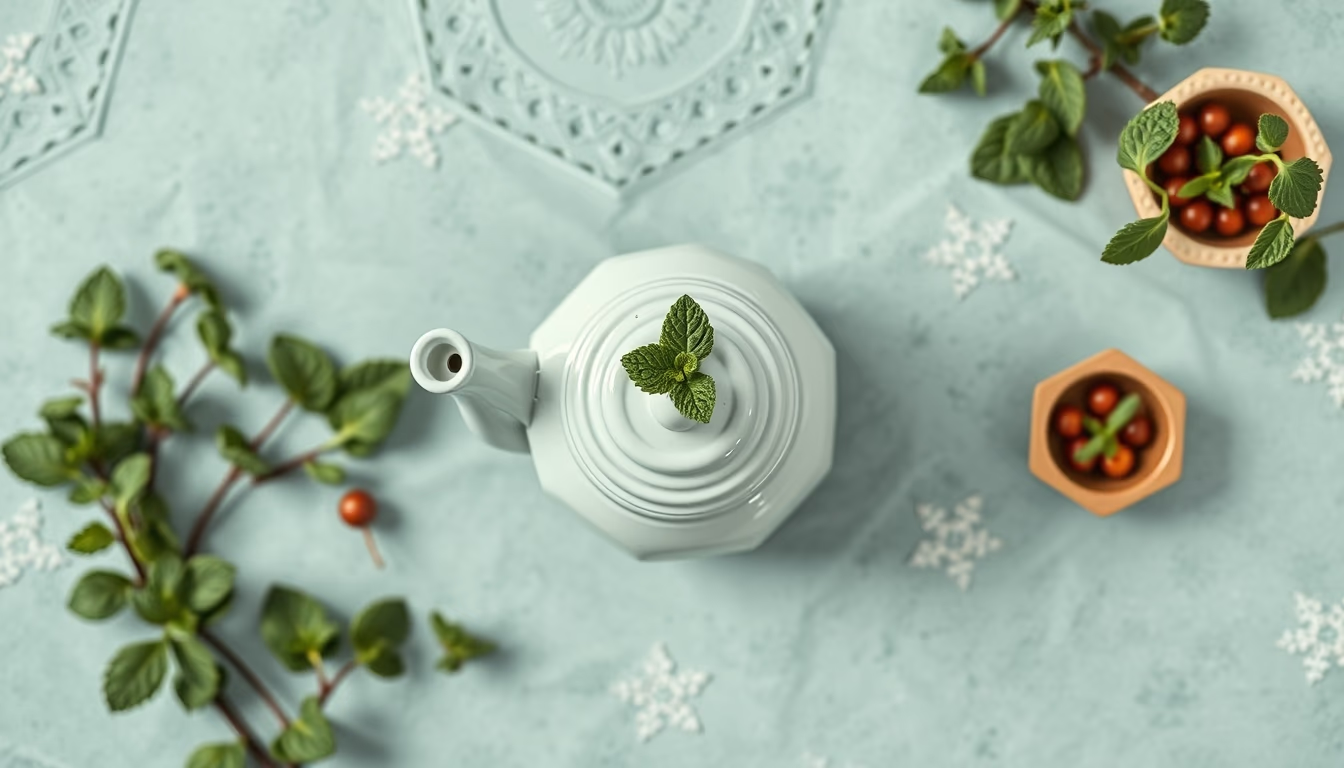
The Moroccan tea pot, or berrad, is the symbol of Maghrebi hospitality, where mint tea is prepared and served in a ritual blending tradition, artistry and flavor.
About this subject
Moroccan mint tea, known as 'atay' or 'chai nana', is far more than a beverage: it is a deeply social ritual rooted in Maghrebi culture. Traditionally prepared in a metal teapot called a berrad, made of stainless steel or silver, the tea combines green gunpowder tea, fresh spearmint leaves (nana), and a generous amount of sugar. The brewing and infusion are done over low heat, often keeping the pot on a small stove to maintain temperature.
The most iconic moment of the ceremony is the pouring: the host raises the teapot high and pours the tea into small decorated glass cups, creating a foamy top. This aerates the tea and showcases the server's skill and care. Traditionally, three cups are served to each guest, each with slightly different taste, the first is strong, the second milder, and the third sweetest. Refusing the third cup would be impolite, as it symbolizes love and friendship.
The history of Moroccan mint tea dates back to the 19th century, when green tea was introduced by British traders during the Crimean War in exchange for wool. Moroccans quickly adapted the drink by adding local mint and lots of sugar, creating a unique flavor that became a national symbol. Tea is consumed at every occasion, from formal receptions to everyday conversations in the souks, and it is a mandatory gesture of welcome in any Moroccan home.
Beyond its refreshing taste, mint tea carries deep cultural meanings. The preparation and serving follow strict etiquette: the host tastes the first cup to ensure quality, and the cups are arranged on a round tray representing family unity. Each berrad teapot is often decorated with geometric or floral motifs typical of Moroccan craftsmanship, making it a functional art object that carries centuries of tradition.
Frequently Asked Questions
Why is Moroccan tea served in three glasses?
Traditionally, the host serves three glasses per guest. The first is stronger and more bitter, the second more balanced, and the third sweeter. Each glass represents a life stage: bitter, sweet, and smooth. Refusing the third is considered rude.
What is the difference between a Moroccan teapot (berrad) and other teapots?
The berrad is a tall, slender pot usually made of stainless steel or silver, with a curved spout and ornate lid. Its shape allows pouring from a great height to create foam. It is also heated over low flame during preparation, unlike common ceramic or glass teapots.
Does Moroccan mint tea contain caffeine?
Yes, because the base is green gunpowder tea, which is rich in caffeine. However, the addition of mint and sugar can moderate the stimulant effect. The tea is often consumed throughout the day, including after meals to aid digestion.
Direct URL
https://pub-c7d6a6ea828543ac903a74a341ccb2e1.r2.dev/imagens/moroccan-mint-tea-pot-isometric-flat-lay-fresh9.avifHow to credit
Include a visible link back to UtilizAí. Copy one of the snippets below:
<a href="https://xn--utiliza-eza.com/en/midia/imagens/moroccan-mint-tea-pot-isometric-flat-lay-fresh9">Moroccan mint tea pot</a> by <a href="https://xn--utiliza-eza.com">UtilizAí</a>, licensed under <a href="https://creativecommons.org/licenses/by/4.0/">CC BY 4.0</a>.
[Moroccan mint tea pot](https://xn--utiliza-eza.com/en/midia/imagens/moroccan-mint-tea-pot-isometric-flat-lay-fresh9) by [UtilizAí](https://xn--utiliza-eza.com), CC BY 4.0
License: CC-BY-4.0