Moroccan mint tea pot
1344×768 · AVIF · CC BY 4.0
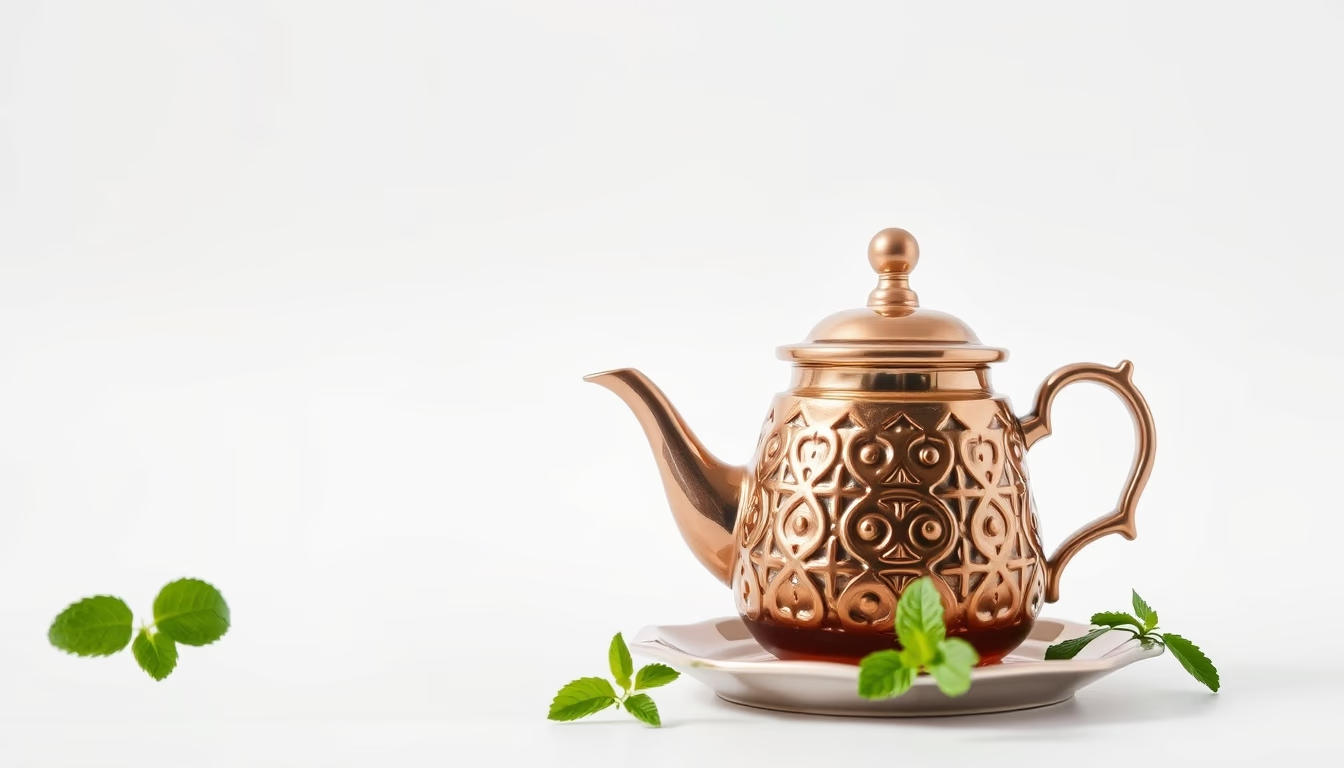
Moroccan mint tea pot, a symbol of hospitality and tea tradition in the Maghreb, featuring a curved spout and metallic finish.
About this subject
The Moroccan mint tea pot is a central piece in Maghreb culture, especially in Morocco, Algeria, and Tunisia. This metallic utensil, typically made of silver, stainless steel, or copper, features a long curved spout that allows pouring tea from a height, creating a characteristic foam on top of the glass. The tradition of mint tea dates back to the 19th century, when Chinese gunpowder green tea was introduced to North Africa through trade routes. It was quickly adapted with fresh mint and large amounts of sugar, becoming an icon of hospitality.
The ritual of preparation and serving is as important as the drink itself. The teapot is preheated with boiling water, then the tea is rinsed to remove bitterness. Next, sugar and mint sprigs are added, and boiling water is poured on top. The tea is served in small glass cups, poured from a height of 30 to 50 centimeters to aerate and slightly cool it. The resulting foam is a sign of a good brew. The ceremony often includes three glasses, each with a meaning: the first is bitter like life, the second sweet like love, and the third soft like death.
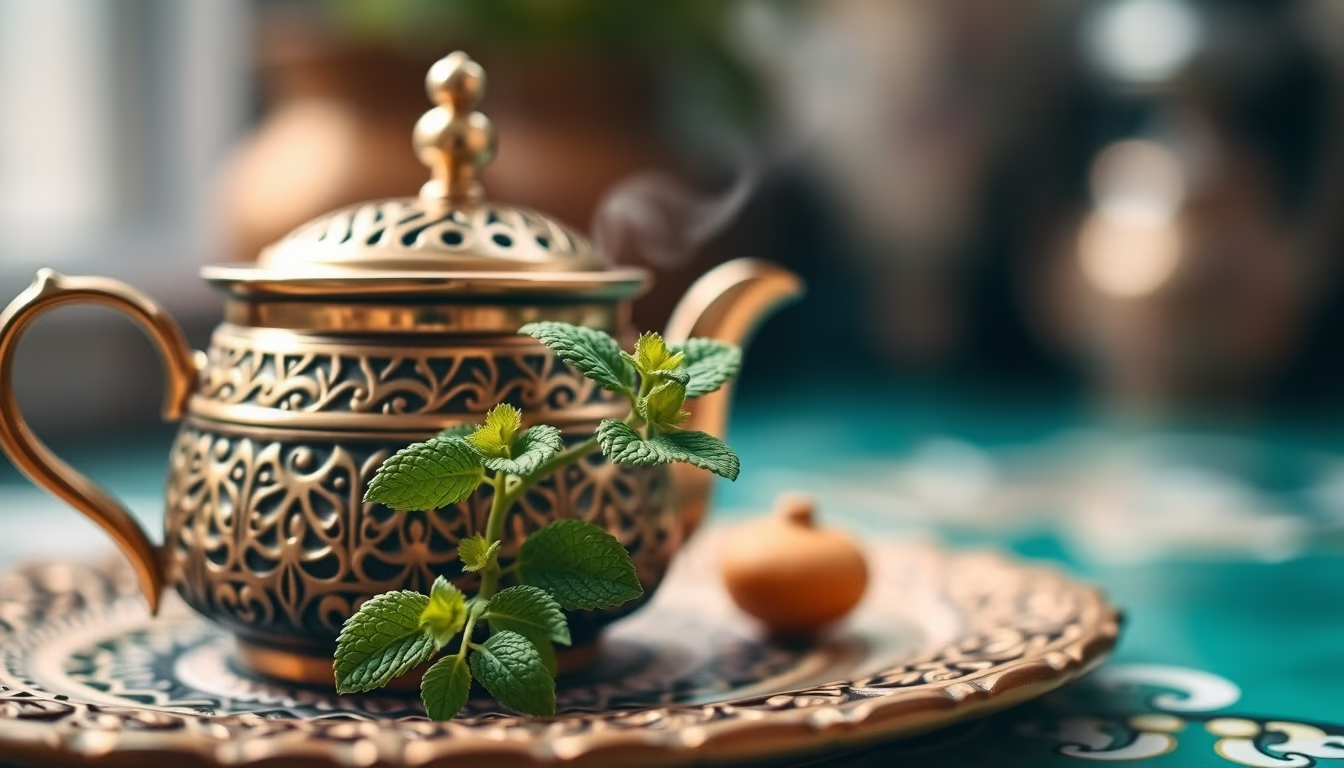
Beyond its practical use, the teapot is an art object. Many examples are adorned with geometric carvings, arabesques, or Arabic calligraphy, reflecting Moorish and Berber influences. In different regions, the design can vary: in southern Morocco, teapots tend to be more elongated, while in the north they are rounder. The teapot is not just a container but a symbol of status and generosity. Offering tea to a visitor is a mandatory gesture of welcome in any Moroccan home. The tradition spans generations and remains alive in cafes, souks, and households, preserving its cultural significance.
Frequently Asked Questions
What is the origin of Moroccan mint tea?
Moroccan mint tea originated in the 19th century when Chinese gunpowder green tea was introduced to North Africa by traders. Moroccans adapted it with fresh mint and sugar, creating the sweet, aromatic version that became a tradition.
Why does the teapot have a curved spout?
The curved spout allows pouring tea from a height, creating foam and aerating the drink, which enhances flavor and slightly cools the tea. This technique is essential in the Moroccan tea ritual.
How is mint tea traditionally prepared and served?
First, warm the teapot with boiling water. Rinse the green tea to remove bitterness. Add sugar to taste and fresh mint sprigs. Fill with boiling water and steep for a few minutes. Serve in small glasses, pouring from a height to create foam.
Direct URL
https://pub-c7d6a6ea828543ac903a74a341ccb2e1.r2.dev/imagens/moroccan-mint-tea-pot-commercial-product-photography-fresh1.avifHow to credit
Include a visible link back to UtilizAí. Copy one of the snippets below:
<a href="https://xn--utiliza-eza.com/en/midia/imagens/moroccan-mint-tea-pot-commercial-product-photography-fresh1">Moroccan mint tea pot</a> by <a href="https://xn--utiliza-eza.com">UtilizAí</a>, licensed under <a href="https://creativecommons.org/licenses/by/4.0/">CC BY 4.0</a>.
[Moroccan mint tea pot](https://xn--utiliza-eza.com/en/midia/imagens/moroccan-mint-tea-pot-commercial-product-photography-fresh1) by [UtilizAí](https://xn--utiliza-eza.com), CC BY 4.0
License: CC-BY-4.0