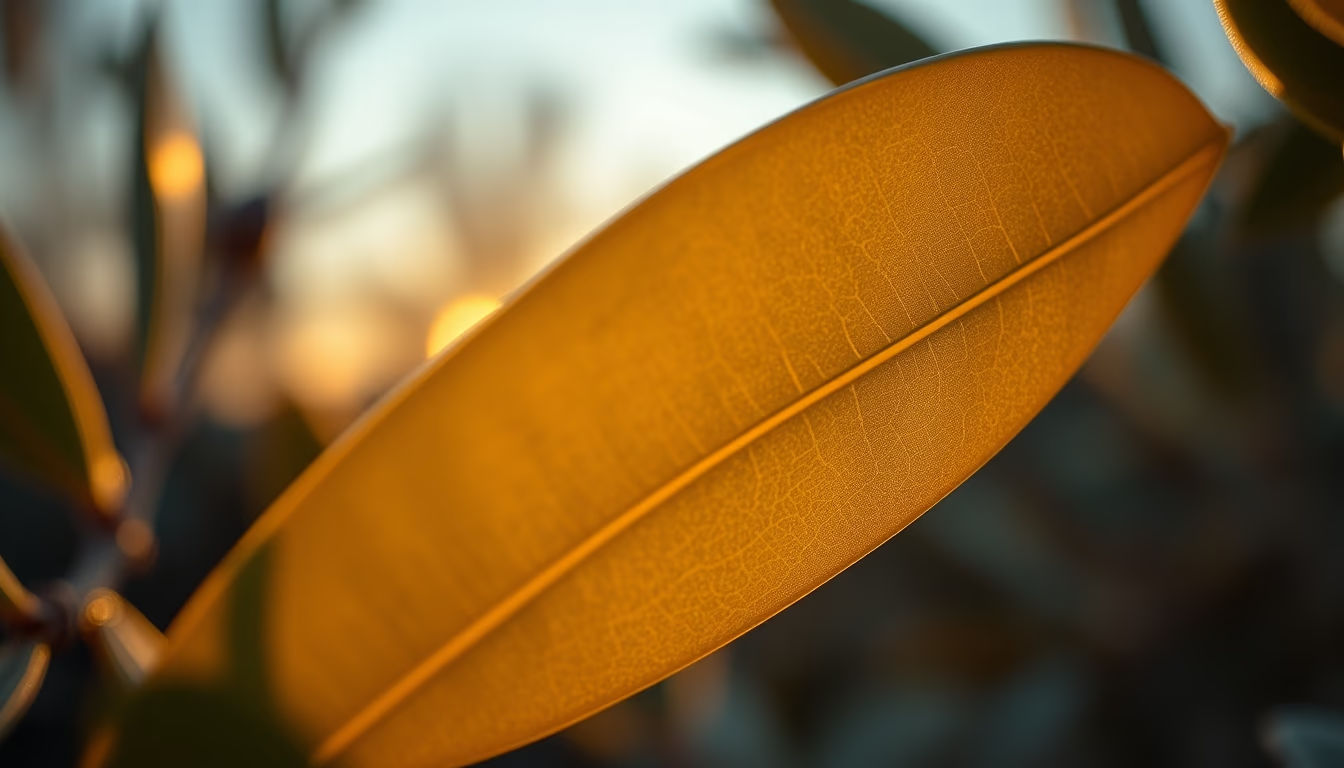
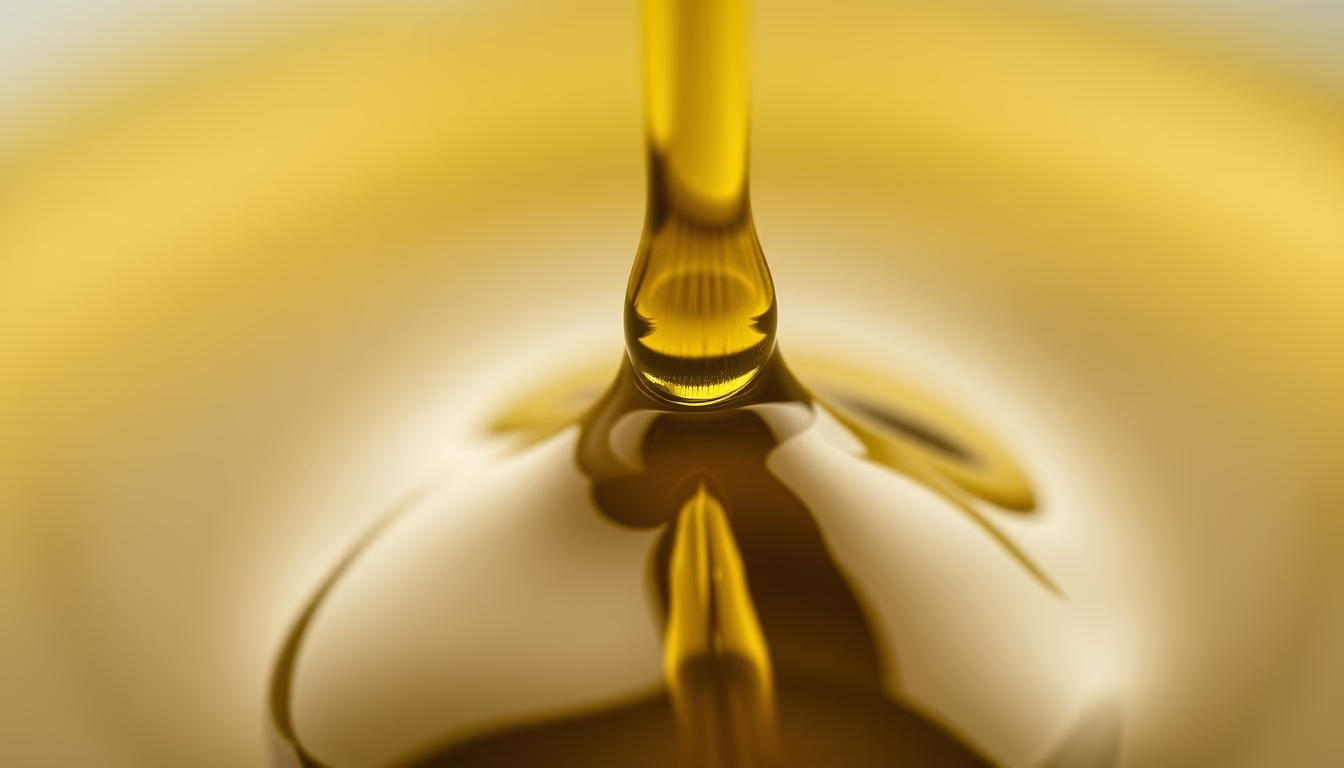
Mediterranean olive plantation aerial
1344×768 · AVIF · CC BY 4.0
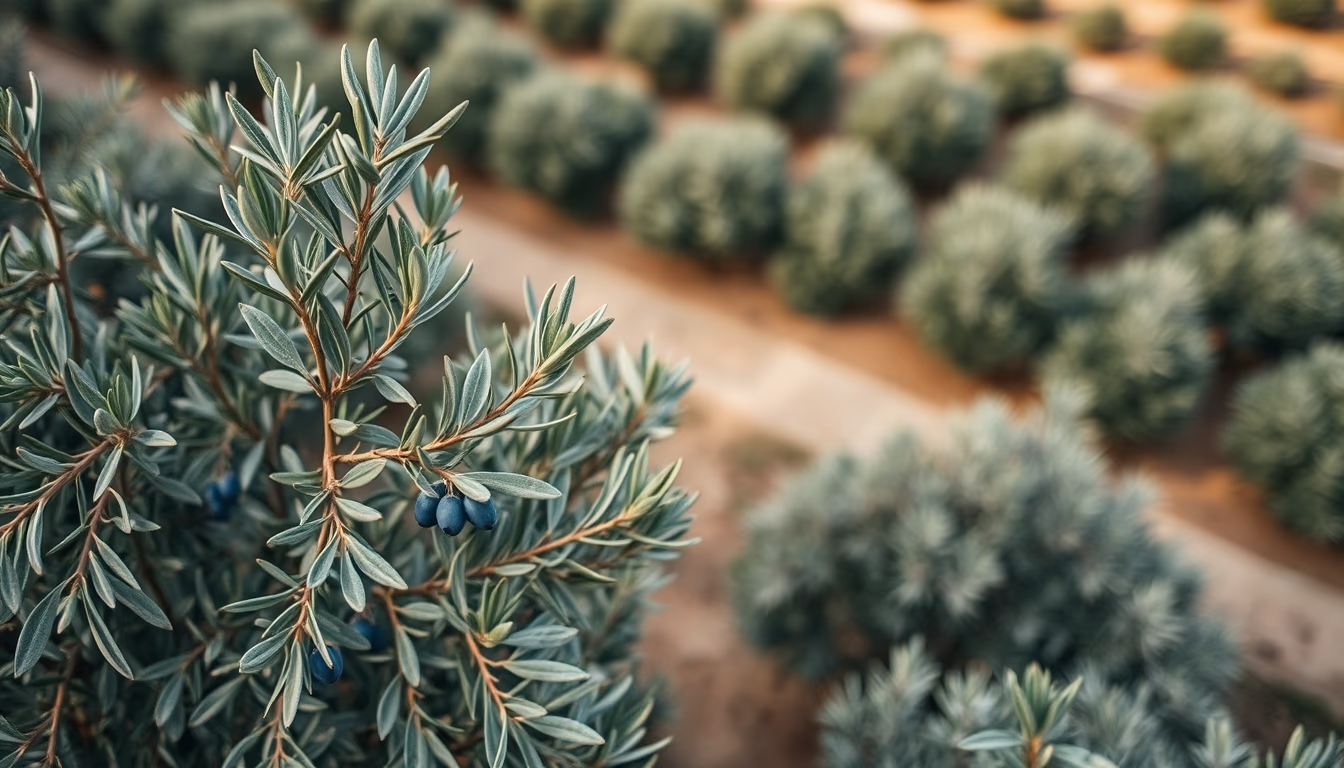
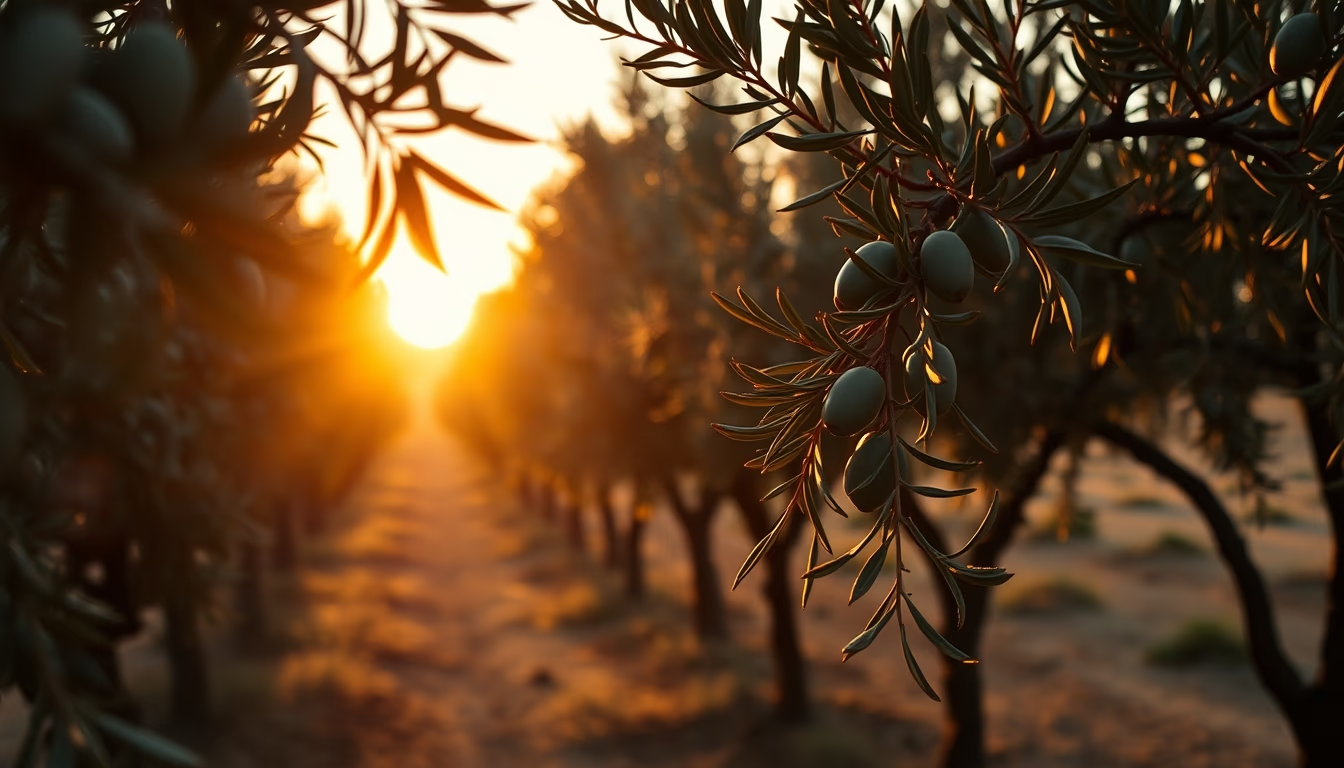
Olive trees have dominated the Mediterranean landscape for millennia, forming plantations that are symbols of tradition, economy, and flavor.
About this subject
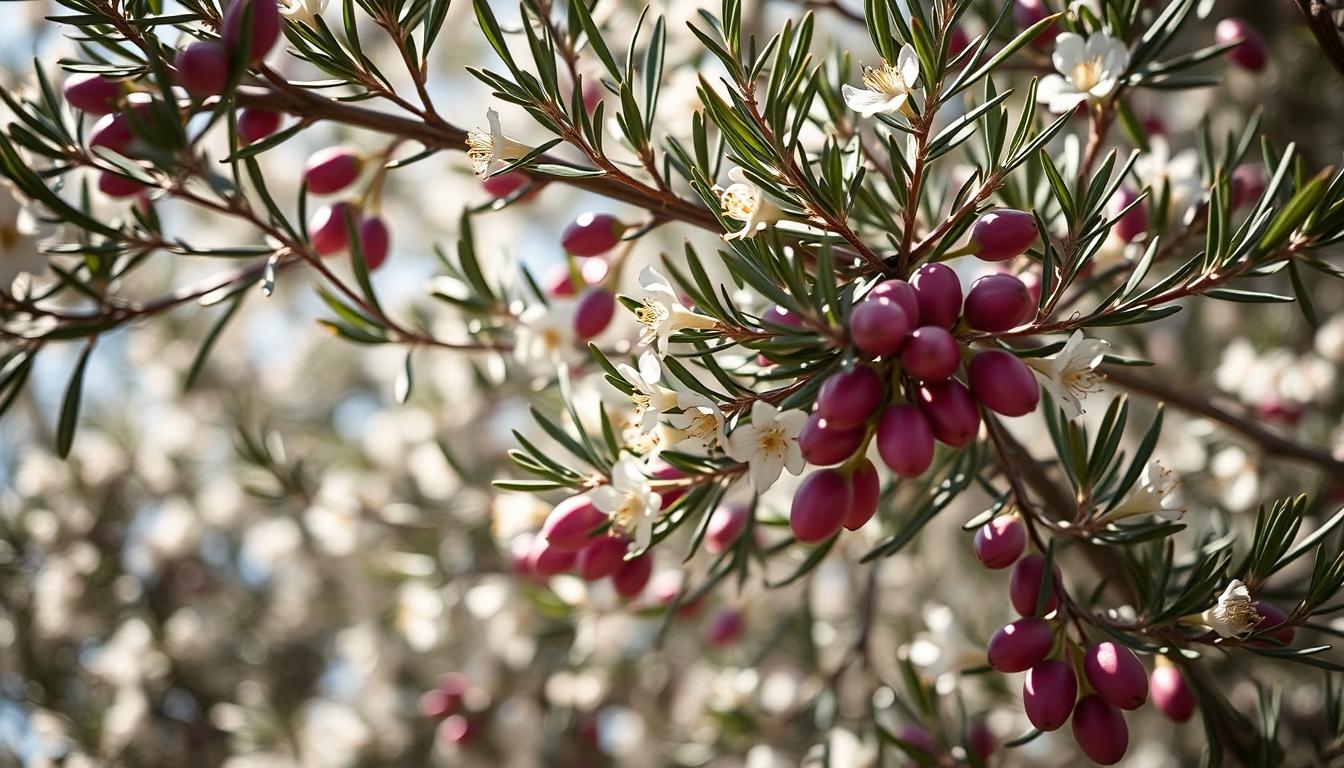
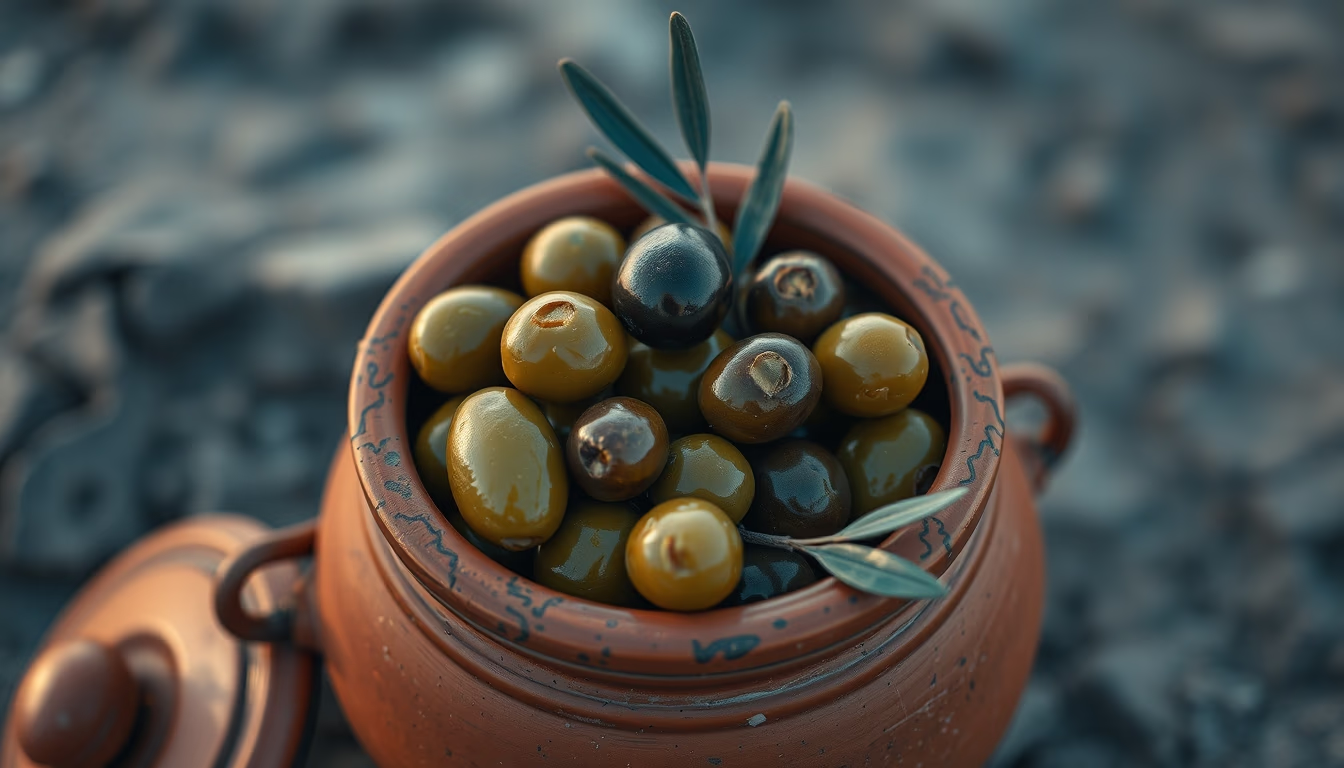
Olive cultivation in the Mediterranean region dates back over 4,000 years, with evidence of olive oil production in Ancient Greece and the Roman Empire. Today, countries like Spain, Italy, and Greece are the world's largest producers, accounting for about 70% of global olive oil output. The plantations are often laid out on sunny hillsides and calcareous soils, where slow-growing trees can live for centuries, some over a thousand years. Careful pruning and manual or mechanical harvesting ensure the quality of olives, which are pressed to produce extra virgin olive oil, prized for its health benefits, rich in monounsaturated fats and antioxidants. The olive landscape is not only agricultural but also cultural, inspiring everything from Greek mythology, where the goddess Athena is said to have gifted the first olive tree to the city of Athens, to modern harvest festivals. Olive oil is a cornerstone of the Mediterranean diet, recognized by UNESCO as an Intangible Cultural Heritage of Humanity. Beyond oil, olive trees provide wood and help prevent soil erosion. In regions such as Andalusia in Spain or Tuscany in Italy, the plantations form a silvery-green mosaic that attracts tourists and photographers, especially in spring when white blossoms appear and in autumn during harvest season.
Frequently Asked Questions
Which Mediterranean region is most famous for its olive plantations?
Andalusia in southern Spain is the most famous region, concentrating a large part of Spanish olive oil production, especially in the province of Jaén, which has millions of olive trees.
How long does an olive tree take to start producing olives?
An olive tree takes 3 to 5 years to start producing fruit, but full production only occurs after 8 to 10 years. Some trees remain productive for hundreds of years.
Is extra virgin olive oil healthier than other types?
Yes, extra virgin olive oil is the least processed, preserving more antioxidants and healthy fats. It is rich in polyphenols and vitamin E, associated with reducing inflammation and supporting cardiovascular health.
Direct URL
https://pub-c7d6a6ea828543ac903a74a341ccb2e1.r2.dev/imagens/mediterranean-olive-plantation-aerial-macro-closeup-p1.avifHow to credit
Include a visible link back to UtilizAí. Copy one of the snippets below:
<a href="https://xn--utiliza-eza.com/en/midia/imagens/mediterranean-olive-plantation-aerial-macro-closeup-p1">Mediterranean olive plantation aerial</a> by <a href="https://xn--utiliza-eza.com">UtilizAí</a>, licensed under <a href="https://creativecommons.org/licenses/by/4.0/">CC BY 4.0</a>.
[Mediterranean olive plantation aerial](https://xn--utiliza-eza.com/en/midia/imagens/mediterranean-olive-plantation-aerial-macro-closeup-p1) by [UtilizAí](https://xn--utiliza-eza.com), CC BY 4.0
License: CC-BY-4.0