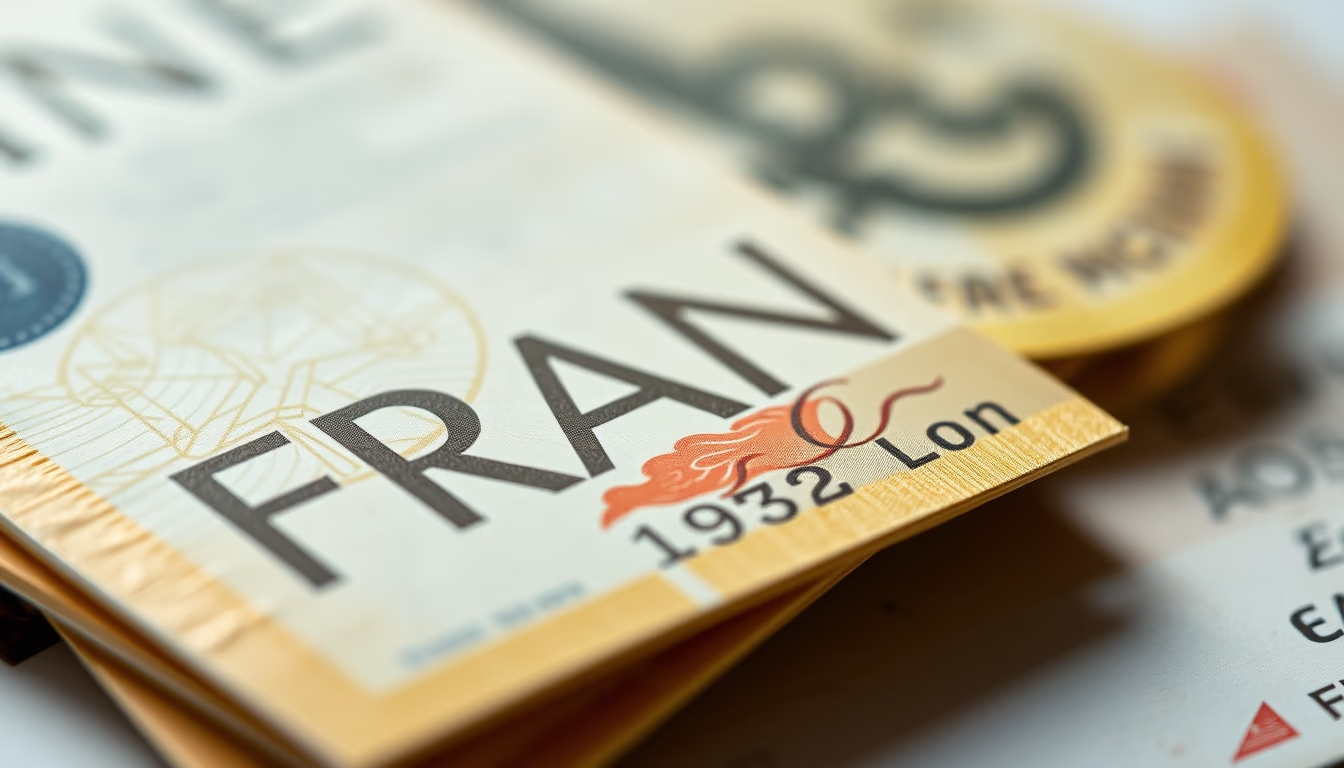
Medieval florin gold
1344×768 · AVIF · CC BY 4.0

O florim de ouro medieval, cunhado em Florença a partir de 1252, foi a moeda que padronizou o comércio europeu e financiou o Renascimento.
Sobre o tema
O florim de ouro foi introduzido pela República de Florença em 1252, durante um período de expansão econômica e comercial na Itália. A moeda pesava aproximadamente 3,5 gramas de ouro de alta pureza (cerca de 24 quilates), o que lhe conferiu um valor estável e amplamente reconhecido. Seu nome deriva da flor de lírio, símbolo da cidade, estampada no anverso, enquanto o reverso traz a figura de São João Batista, padroeiro de Florença. O design permaneceu praticamente inalterado por séculos, garantindo confiança entre mercadores de toda a Europa.
A adoção do florim como moeda de referência transformou o comércio internacional. Antes dele, a circulação de moedas de ouro era irregular e cada região cunhava seu próprio padrão, dificultando transações. O florim tornou-se aceito desde a Inglaterra até o Império Bizantino, sendo usado em contratos, letras de câmbio e pagamentos de dívidas. Sua influência foi tão grande que outras cidades italianas, como Veneza (com o ducado) e Gênova, imitaram seu peso e pureza. Estima-se que milhões de florins foram cunhados ao longo dos séculos XIII e XIV.
Além do impacto econômico, o florim teve papel cultural crucial. A estabilidade monetária proporcionada por ele permitiu o florescimento do mecenato artístico: famílias como os Médici usaram fortunas acumuladas com o comércio apoiado pelo florim para financiar obras de arte e arquitetura renascentistas. Hoje, exemplares bem preservados são altamente valorizados por colecionadores, podendo alcançar dezenas de milhares de dólares em leilões, especialmente os primeiros cunhos com data visível e bom estado de conservação.
Perguntas frequentes
Qual era o peso e a pureza do ouro do florim medieval?
O florim pesava cerca de 3,5 gramas e era cunhado em ouro de aproximadamente 24 quilates, ou seja, praticamente puro. Essa pureza elevada garantiu sua aceitação internacional.
Por que o florim foi tão importante para o comércio europeu?
Por oferecer um padrão estável e confiável, o florim simplificou transações entre regiões com moedas diferentes. Ele se tornou a moeda de referência para contratos e letras de câmbio em toda a Europa.
Onde posso ver um florim de ouro original hoje?
Exemplares originais estão em museus como o Museu Nacional do Bargello (Florença) e em coleções particulares. Leilões especializados em numismática também exibem peças autênticas.
URL direta
https://pub-c7d6a6ea828543ac903a74a341ccb2e1.r2.dev/imagens/medieval-florin-gold-magazine-editorial-fresh4.avifComo creditar
Inclua um link visível de volta pro UtilizAí. Copie um dos snippets abaixo:
<a href="https://xn--utiliza-eza.com/midia/imagens/medieval-florin-gold-magazine-editorial-fresh4">Medieval florin gold</a> by <a href="https://xn--utiliza-eza.com">UtilizAí</a>, licensed under <a href="https://creativecommons.org/licenses/by/4.0/">CC BY 4.0</a>.
[Medieval florin gold](https://xn--utiliza-eza.com/midia/imagens/medieval-florin-gold-magazine-editorial-fresh4) by [UtilizAí](https://xn--utiliza-eza.com), CC BY 4.0
Licença: CC-BY-4.0