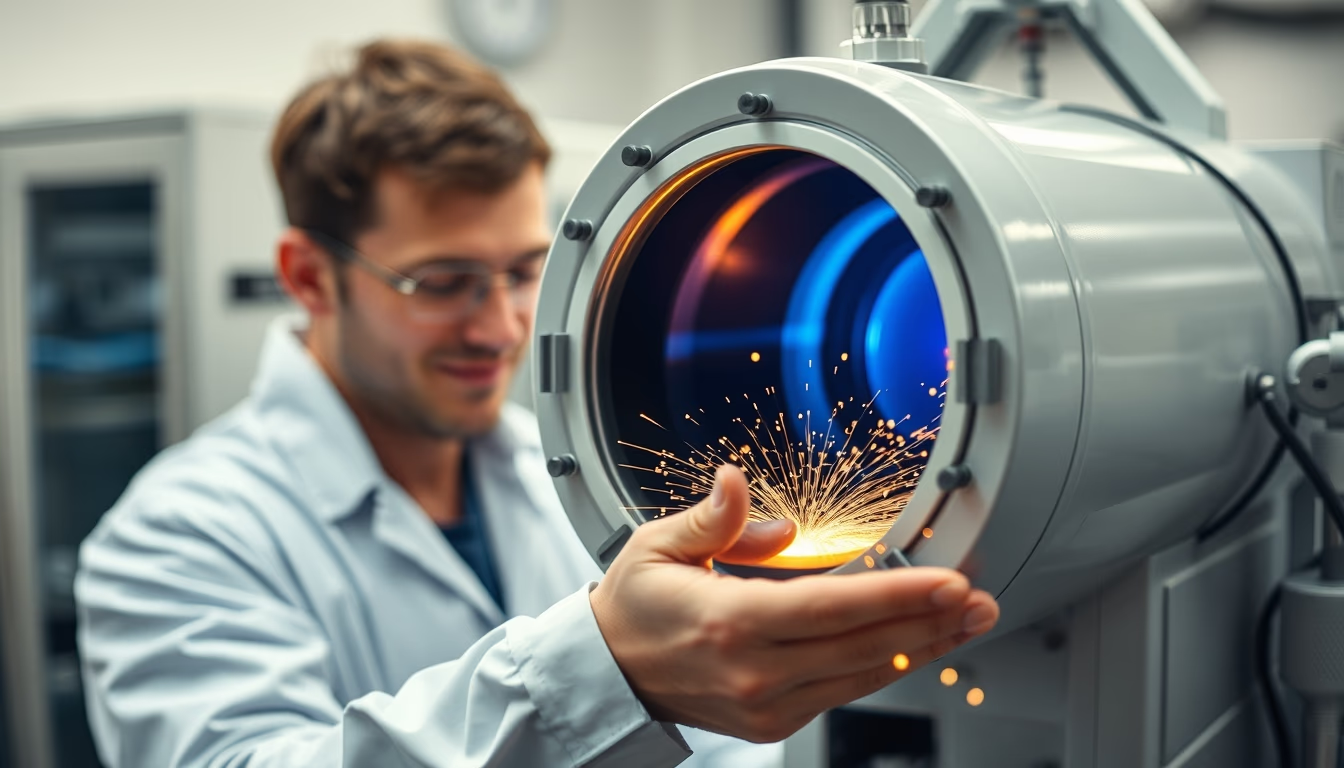
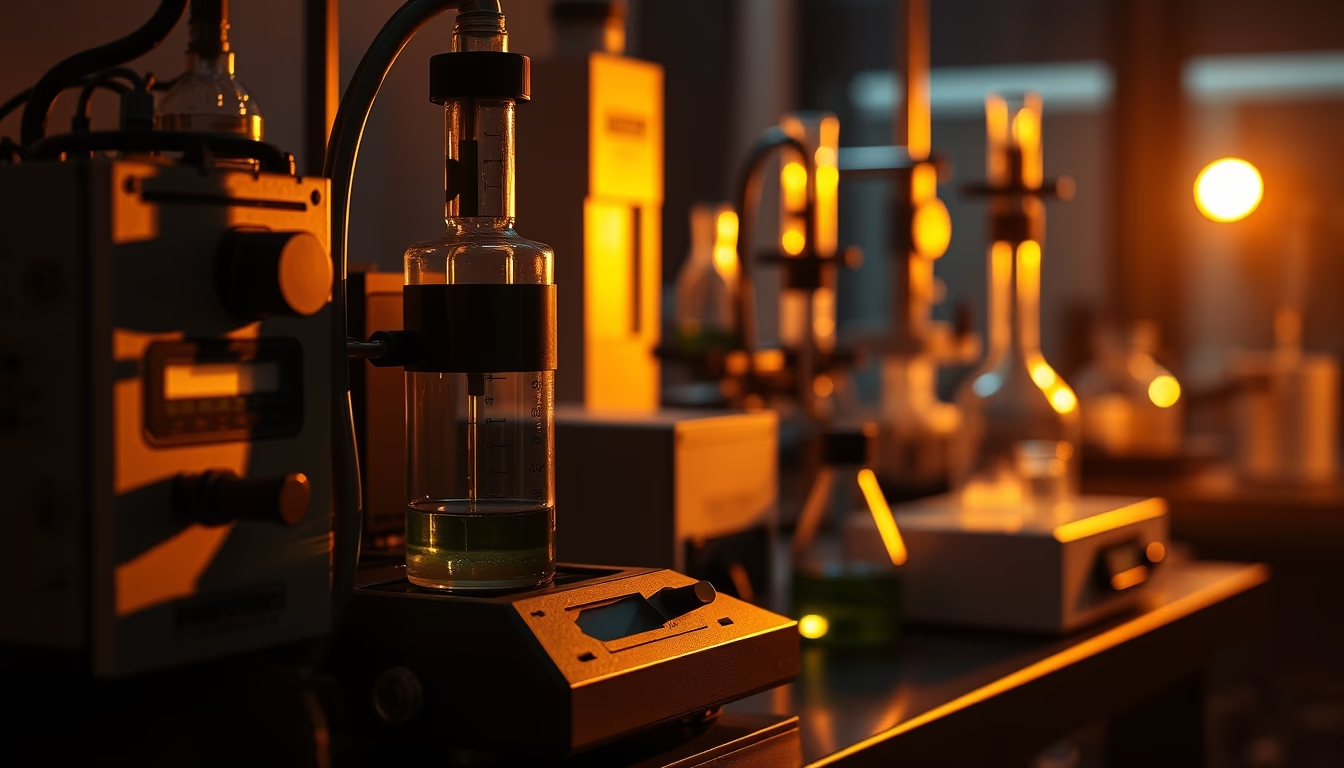
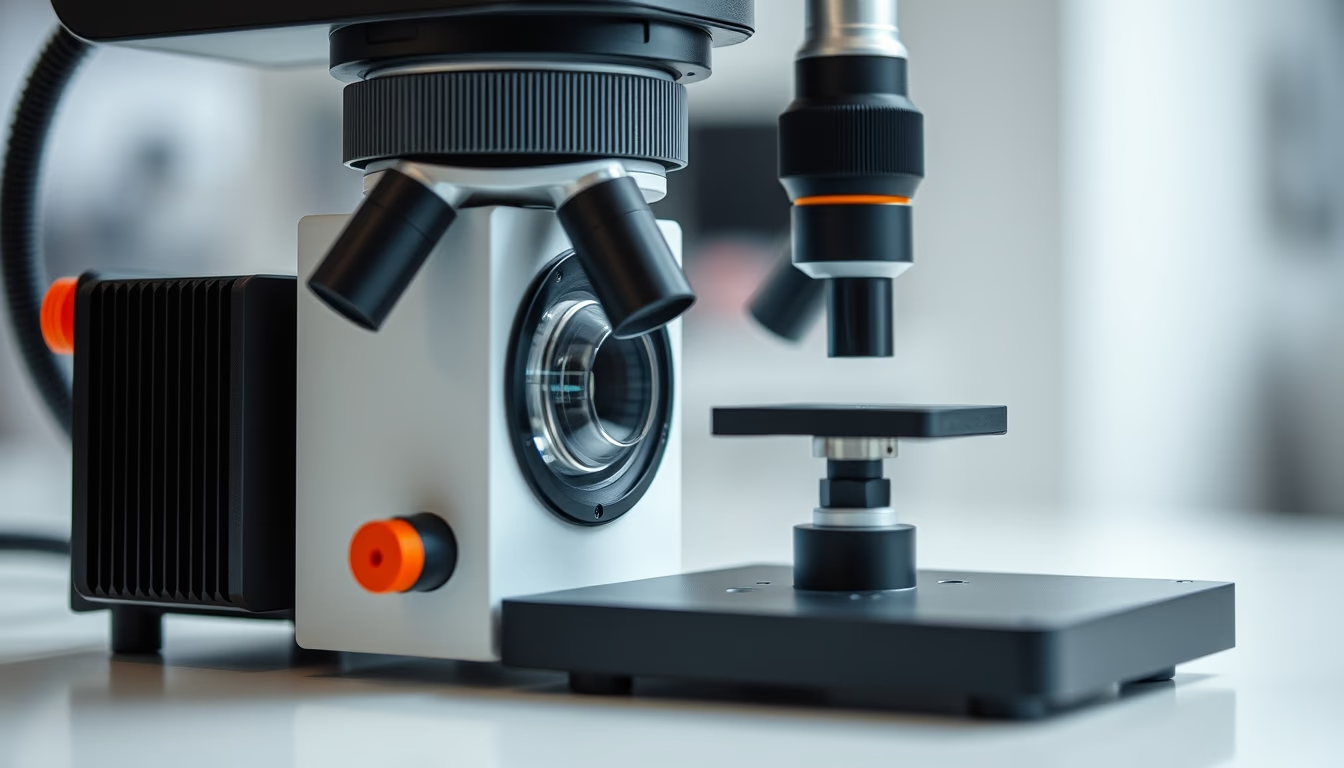
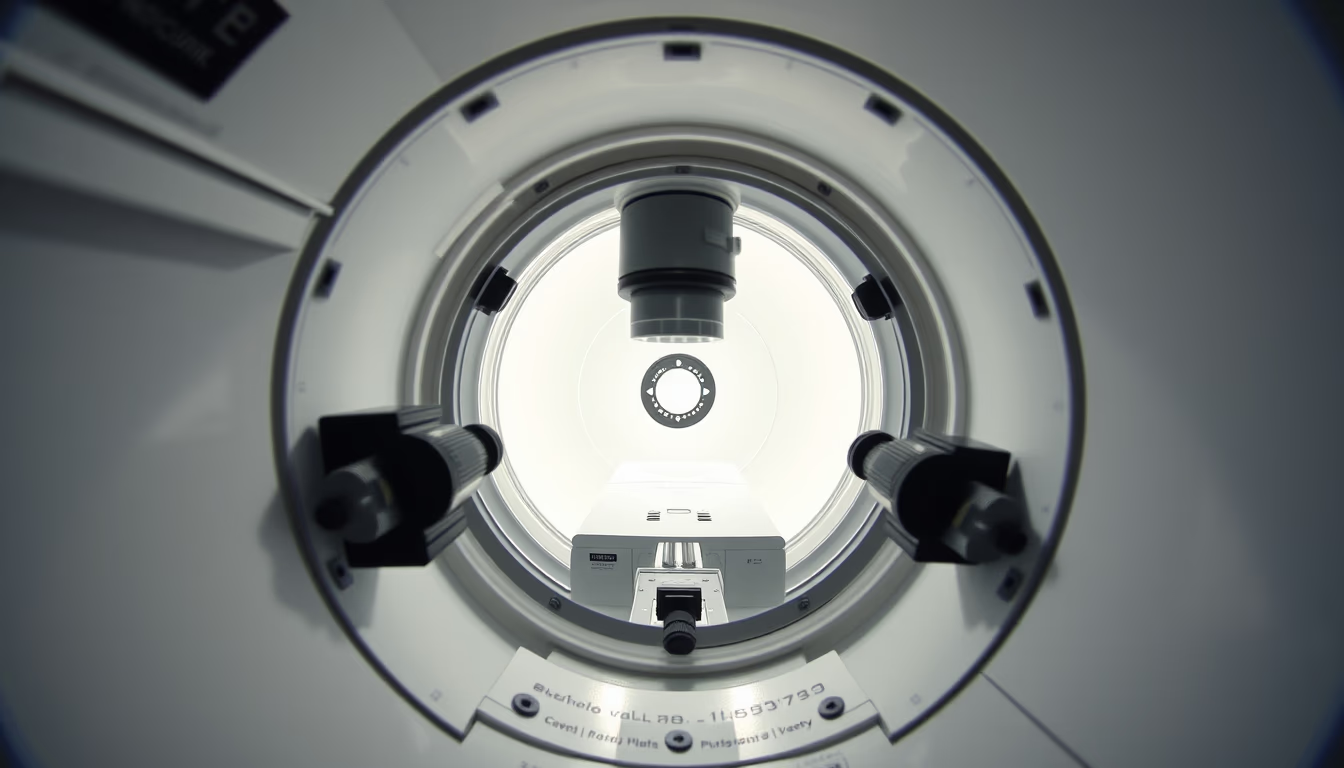
Mass spectrometer device
1344×768 · AVIF · CC BY 4.0
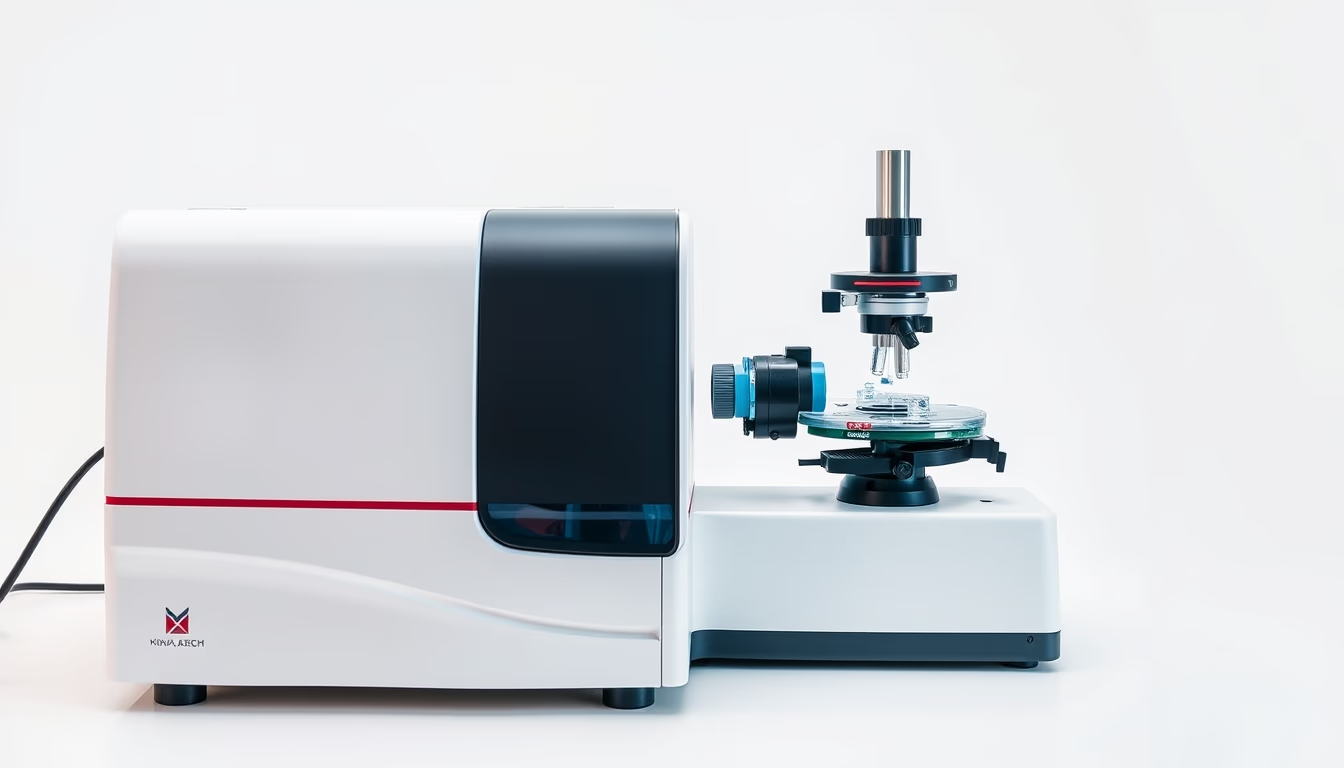
A mass spectrometer is an analytical instrument that identifies and quantifies molecules by their mass-to-charge ratio, essential in research laboratories.
About this subject
A mass spectrometer is a fundamental tool in analytical chemistry, capable of determining the molecular composition of complex samples. Its operating principle involves ionization of molecules, separation of ions according to their mass-to-charge ratio (m/z), and detection of these ions to generate a mass spectrum. This spectrum provides precise information about the molecular mass and chemical structure of the compounds present.
Initially developed by J.J. Thomson in the early 20th century, the mass spectrometer has evolved significantly. Today there are various configurations such as quadrupole, time-of-flight (TOF), ion trap, and Orbitrap, each with specific advantages for different applications. Modern instrumentation often couples mass spectrometry with chromatographic techniques (GC-MS, LC-MS), expanding its ability to analyze complex mixtures.
The applications of mass spectrometers are vast. In the biomedical field, they are used to identify proteins, metabolites, and drugs, as well as to aid in disease diagnosis. In forensic science, they help identify drugs and toxins. In industry, they are employed in quality control of food, beverages, and pharmaceuticals. They are also crucial in environmental research to detect pollutants at trace levels. The precision and sensitivity of this instrument make it indispensable in modern laboratories.
Frequently Asked Questions
What is a mass spectrometer used for?
It is used to identify and quantify molecules in a sample, providing information on molecular mass and chemical structure. It is applied in chemistry, biology, medicine, forensics, and industry.
What are the main types of mass spectrometers?
The main types include quadrupole, time-of-flight (TOF), ion trap, and Orbitrap. Each has specific features for different analytical applications.
How does mass spectrometry coupled with chromatography work?
Chromatography separates the components of a mixture, which are then introduced into the mass spectrometer for identification. Techniques like GC-MS and LC-MS combine separation and analysis in one method.
Direct URL
https://pub-c7d6a6ea828543ac903a74a341ccb2e1.r2.dev/imagens/mass-spectrometer-device-commercial-product-photography-fresh7.avifHow to credit
Include a visible link back to UtilizAí. Copy one of the snippets below:
<a href="https://xn--utiliza-eza.com/en/midia/imagens/mass-spectrometer-device-commercial-product-photography-fresh7">Mass spectrometer device</a> by <a href="https://xn--utiliza-eza.com">UtilizAí</a>, licensed under <a href="https://creativecommons.org/licenses/by/4.0/">CC BY 4.0</a>.
[Mass spectrometer device](https://xn--utiliza-eza.com/en/midia/imagens/mass-spectrometer-device-commercial-product-photography-fresh7) by [UtilizAí](https://xn--utiliza-eza.com), CC BY 4.0
License: CC-BY-4.0