Maritime knots rope
1344×768 · AVIF · CC BY 4.0
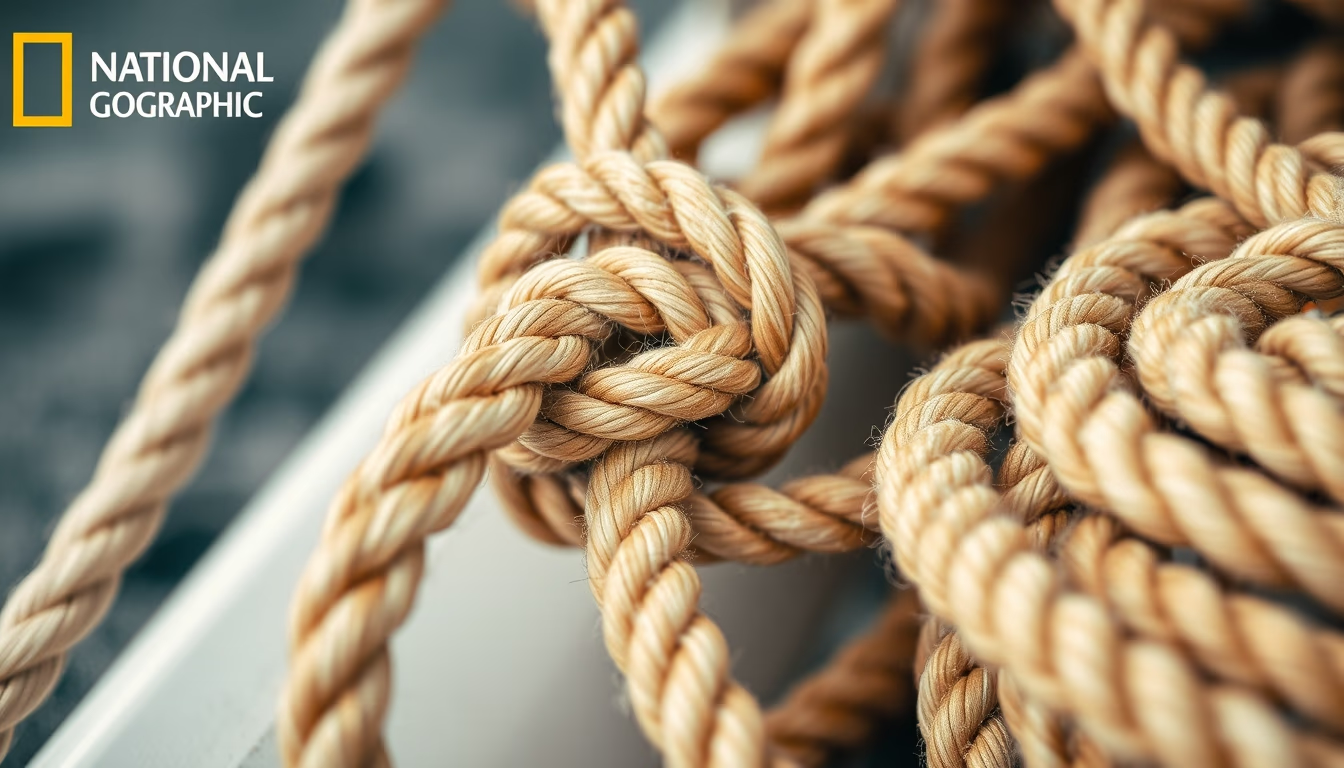
Nós marítimos são técnicas essenciais para amarração e segurança em embarcações, com séculos de uso em navegação e pesca.
Sobre o tema
Os nós marítimos são técnicas ancestrais de amarração, fundamentais para a segurança e operação de embarcações. Existem mais de 4.000 tipos de nós documentados, mas apenas algumas dezenas são consideradas essenciais para marinheiros. Entre os mais conhecidos estão o nó direito, a volta do fiel, o nó de correr e o nó oito. Cada um tem aplicações específicas, como unir cabos, prender uma embarcação a um ponto fixo ou criar uma alça que não deslize.
A origem dos nós marítimos remonta às primeiras civilizações que navegaram, como fenícios e egípcios. Na era das grandes navegações, o conhecimento de nós era transmitido oralmente entre tripulações. O nó de fiel, por exemplo, é mencionado em textos do século XVI e continua sendo usado por sua confiabilidade. Materiais também evoluíram: das fibras naturais como cânhamo e sisal às cordas sintéticas de poliéster e polipropileno, que exigem adaptações nas técnicas tradicionais.
Curiosamente, a resistência de um nó é medida pela redução da capacidade da corda. Um nó bem feito pode reter até 80% da resistência original, enquanto nós mal amarrados reduzem drasticamente a segurança. Competições de nós marítimos, como a International Knot Tying Competition, destacam a precisão e rapidez na execução. Além do uso prático, nós têm significado cultural: o nó cego simboliza união, e o nó de oito é usado em escalada como segurança.
Na atualidade, o conhecimento de nós marítimos é ensinado em cursos de vela, mergulho e resgate. Aplicativos e vídeos tutoriais popularizaram essas técnicas, mas a prática manual ainda é valorizada. Organizações como a International Guild of Knot Tyers promovem o estudo e a preservação desse patrimônio técnico. Saber amarrar um nó corretamente pode ser a diferença entre uma viagem segura e um acidente.
Perguntas frequentes
Qual é o nó marítimo mais forte?
O nó de fiel (bowline) é considerado um dos mais fortes e versáteis, mantendo até 80% da resistência da corda. No entanto, a resistência depende do material e da execução.
Como dar uma volta do fiel?
Faça um laço pequeno na ponta da corda, passe a extremidade livre por baixo e por dentro do laço, depois por fora, apertando. É um nó simples que não desliza.
Qual a diferença entre nó e nó de correr?
Nó é uma amarração fixa que não desliza; o nó de correr (ou nó de correr) tem uma alça que se aperta quando puxada, usada para prender objetos temporariamente.
URL direta
https://pub-c7d6a6ea828543ac903a74a341ccb2e1.r2.dev/imagens/maritime-knots-rope-national-geographic-style-p4.avifComo creditar
Inclua um link visível de volta pro UtilizAí. Copie um dos snippets abaixo:
<a href="https://xn--utiliza-eza.com/midia/imagens/maritime-knots-rope-national-geographic-style-p4">Maritime knots rope</a> by <a href="https://xn--utiliza-eza.com">UtilizAí</a>, licensed under <a href="https://creativecommons.org/licenses/by/4.0/">CC BY 4.0</a>.
[Maritime knots rope](https://xn--utiliza-eza.com/midia/imagens/maritime-knots-rope-national-geographic-style-p4) by [UtilizAí](https://xn--utiliza-eza.com), CC BY 4.0
Licença: CC-BY-4.0