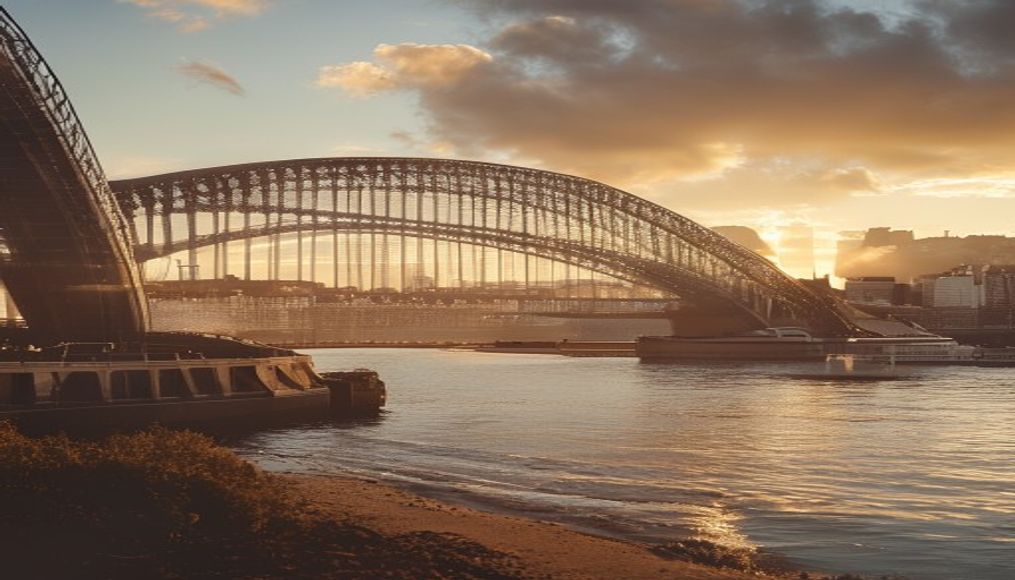
Louvre pyramid glass
1344×768 · AVIF · CC BY 4.0

The Louvre Pyramid in Paris is one of the world's most iconic architectural works, symbolizing the fusion of classical and contemporary design.
About this subject
Inaugurated in 1989, the Louvre Pyramid was designed by Chinese-American architect I. M. Pei as part of the Grand Louvre project, aimed at modernizing and expanding the museum. The structure is made of glass and steel, with 673 glass panes (603 rhombi and 70 triangles) mounted on a metal framework, creating an effect of lightness and transparency. Its height is 21.6 meters, and its square base measures 35 meters on each side. The pyramid serves as the main entrance to the Louvre, connecting visitors to the vast network of galleries.
The choice of glass was deliberate: Pei wanted the pyramid to dialogue with the Renaissance architecture of the palace without visually competing. The transparency allows natural light to flood the underground lobby, while at night, internal illumination makes the pyramid glow like a beacon. Initially controversial, the pyramid was criticized by purists who saw it as a modernist intrusion into historic Paris. Today, however, it is one of the most photographed symbols of the city and a prime example of contemporary design coexisting with historical heritage.
Beyond its practical function, the pyramid has become a global cultural icon, appearing in films like The Da Vinci Code and inspiring replicas worldwide. Its construction involved significant technical challenges, such as manufacturing highly precise glass panels to ensure structural safety and optical purity. The pyramid also is part of a visual axis stretching from the Arc de Triomphe to the Louvre, passing through Place de la Concorde and the Tuileries Garden.
A curious fact: the number of panes (673) is often misreported as 666, sparking unfounded conspiracy theories about satanic symbolism. In reality, 673 is a prime number, and the precise geometry was calculated to avoid visual distortions.
Frequently Asked Questions
Who designed the Louvre Pyramid and when was it inaugurated?
The Louvre Pyramid was designed by architect I. M. Pei and inaugurated in 1989 as part of the Grand Louvre project.
How many glass panes make up the pyramid?
The pyramid has 673 glass panes: 603 rhombi and 70 triangles. Despite rumors, it is not 666 panes.
What is the main function of the Louvre Pyramid?
It serves as the main entrance to the museum, connecting visitors to the underground lobby that leads to the galleries.
Direct URL
https://pub-c7d6a6ea828543ac903a74a341ccb2e1.r2.dev/imagens/louvre-pyramid-glass-high-fashion-editorial-p1.avifHow to credit
Include a visible link back to UtilizAí. Copy one of the snippets below:
<a href="https://xn--utiliza-eza.com/en/midia/imagens/louvre-pyramid-glass-high-fashion-editorial-p1">Louvre pyramid glass</a> by <a href="https://xn--utiliza-eza.com">UtilizAí</a>, licensed under <a href="https://creativecommons.org/licenses/by/4.0/">CC BY 4.0</a>.
[Louvre pyramid glass](https://xn--utiliza-eza.com/en/midia/imagens/louvre-pyramid-glass-high-fashion-editorial-p1) by [UtilizAí](https://xn--utiliza-eza.com), CC BY 4.0
License: CC-BY-4.0