Loom weaving alpaca
1344×768 · AVIF · CC BY 4.0
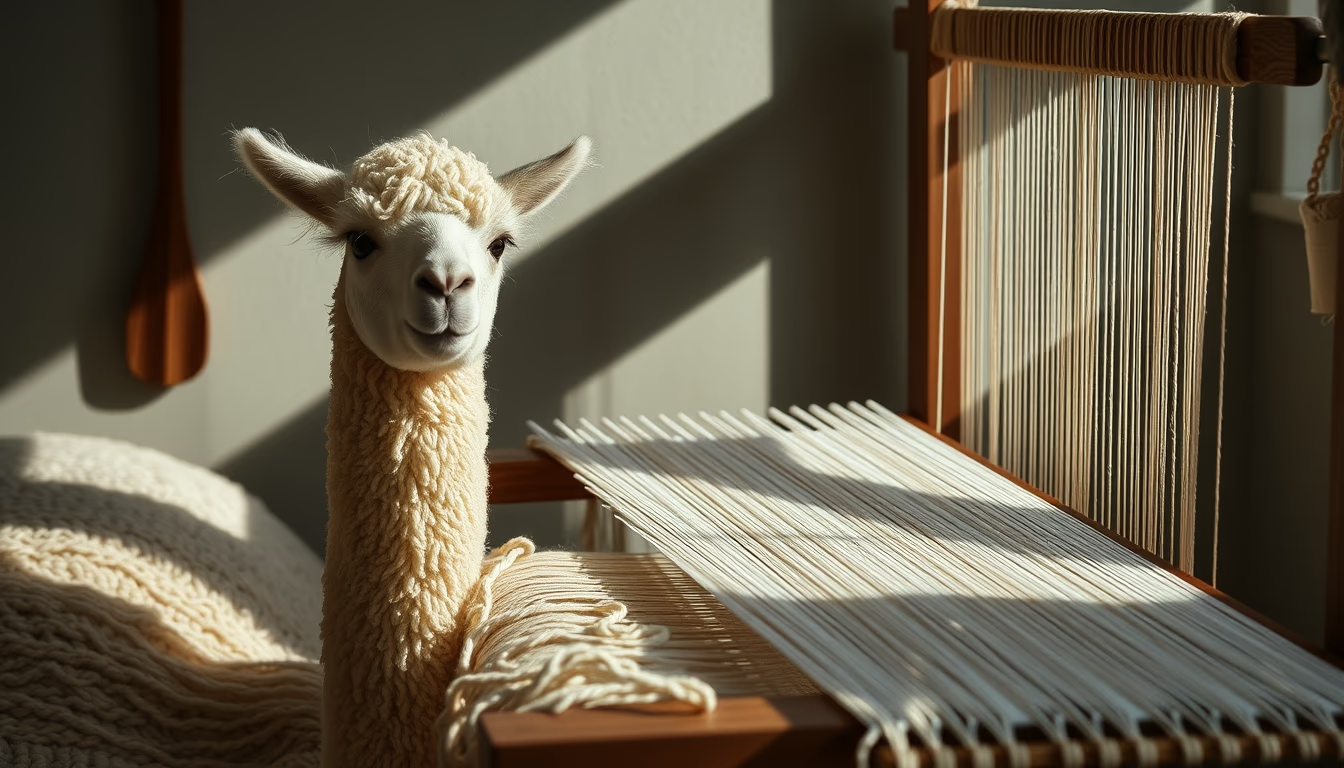
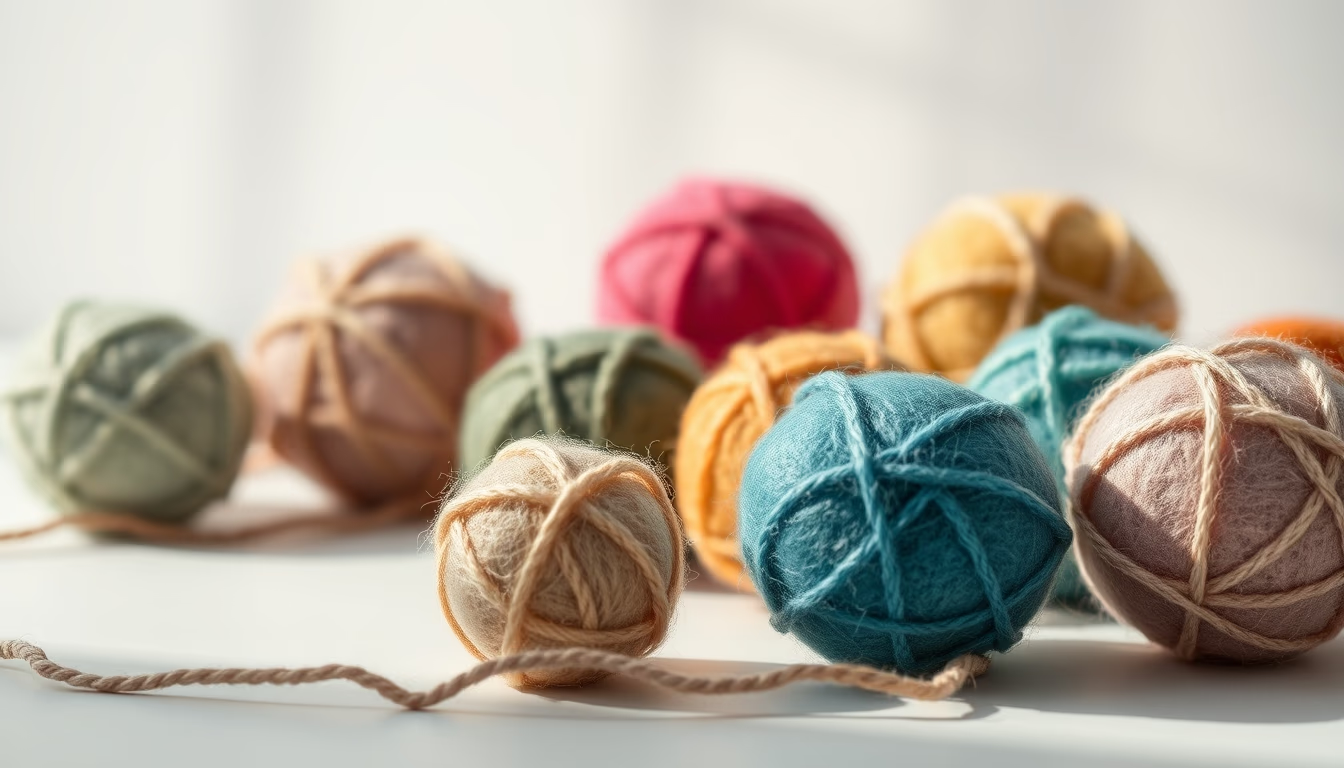
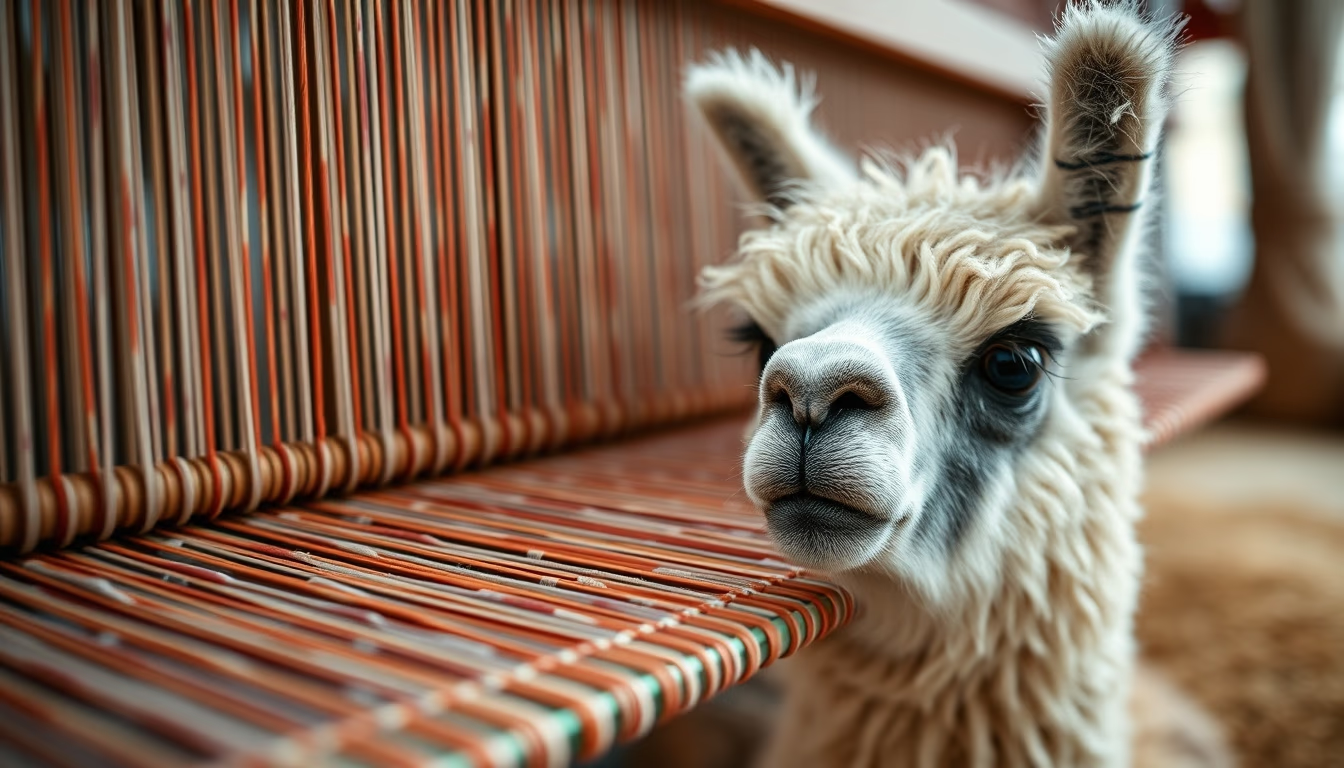
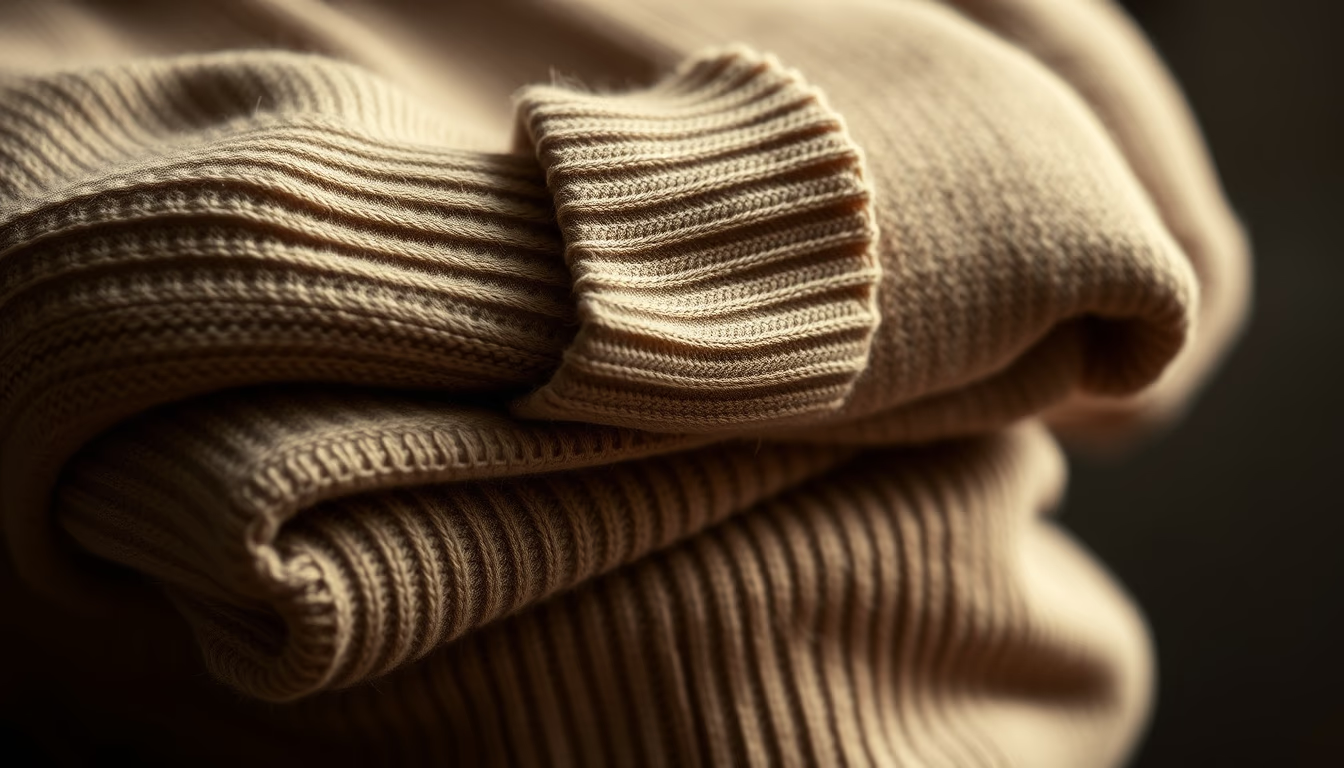
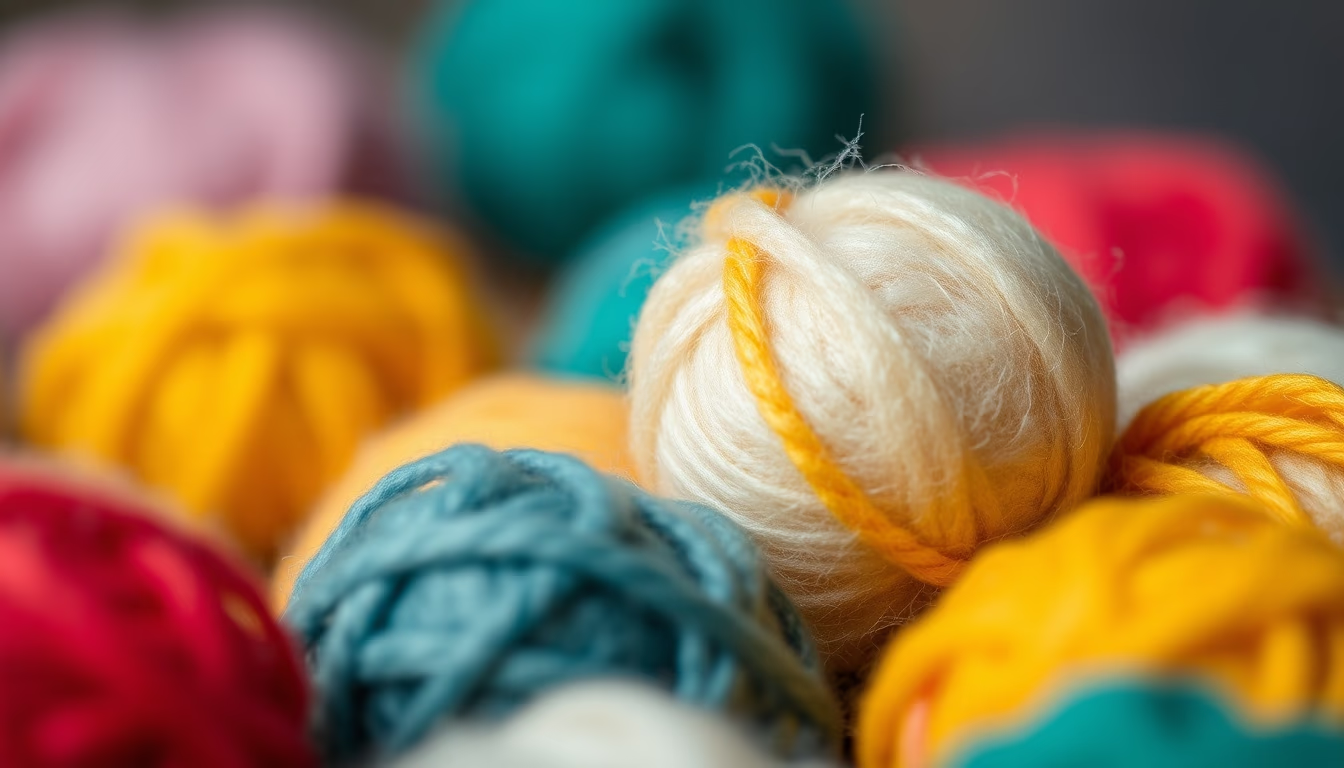
Alpaca fiber, prized for its softness and durability, is traditionally hand-loomed in the Peruvian and Bolivian Andes, producing pieces of high cultural and textile value.
About this subject
Alpaca fiber is a natural material from two main breeds: Huacaya, with crimpy and dense fiber, and Suri, with long and silky locks. Unlike sheep wool, alpaca fibers are hollow, making them lighter and superior in thermal insulation, and hypoallergenic due to the absence of lanolin. This makes it ideal for people sensitive to traditional wools.
In the Andean countries, hand loom weaving is an ancient practice. The most common looms are the backstrap loom, used by indigenous communities to create ponchos, blankets, and shawls, and the pedal loom, which allows higher productivity. The technique involves interlacing warp and weft threads, often dyed with natural colorants from plants, minerals, and insects, such as cochineal for red tones.
Culturally, alpaca textiles carry symbolic meanings. Geometric patterns and stylized figures represent elements of nature and the Andean worldview. Pieces like the poncho and the lliclla (woman's shawl) are worn in festivities and daily life, conveying identity and social status. Today, global demand for sustainable fibers drives fair trade and the preservation of these artisanal techniques.
Interestingly, alpacas have been raised for thousands of years on the Andean highlands, adapted to altitudes above 4,000 meters. Their fiber comes in 22 natural colors, from white to black, including browns and grays. Shearing occurs once a year, without causing stress to the animal, and a single alpaca produces about 2 to 5 kg of raw fiber.
Frequently Asked Questions
What is the difference between alpaca wool and sheep wool?
Alpaca wool is lighter, less prone to pilling, and contains no lanolin, making it hypoallergenic. Its hollow fibers provide better thermal insulation.
How is hand loom weaving with alpaca fiber done?
Backstrap or pedal looms are used. The threads are prepared, dyed with natural colorants, and interlaced by hand. Each piece may take days or weeks, depending on complexity.
Is alpaca farming sustainable?
Yes. Alpacas graze at high altitudes without damaging the soil, and annual shearing is done ethically. The demand for natural fibers promotes fair trade in Andean communities.
Direct URL
https://pub-c7d6a6ea828543ac903a74a341ccb2e1.r2.dev/imagens/loom-weaving-alpaca-magazine-editorial-fresh0.avifHow to credit
Include a visible link back to UtilizAí. Copy one of the snippets below:
<a href="https://xn--utiliza-eza.com/en/midia/imagens/loom-weaving-alpaca-magazine-editorial-fresh0">Loom weaving alpaca</a> by <a href="https://xn--utiliza-eza.com">UtilizAí</a>, licensed under <a href="https://creativecommons.org/licenses/by/4.0/">CC BY 4.0</a>.
[Loom weaving alpaca](https://xn--utiliza-eza.com/en/midia/imagens/loom-weaving-alpaca-magazine-editorial-fresh0) by [UtilizAí](https://xn--utiliza-eza.com), CC BY 4.0
License: CC-BY-4.0