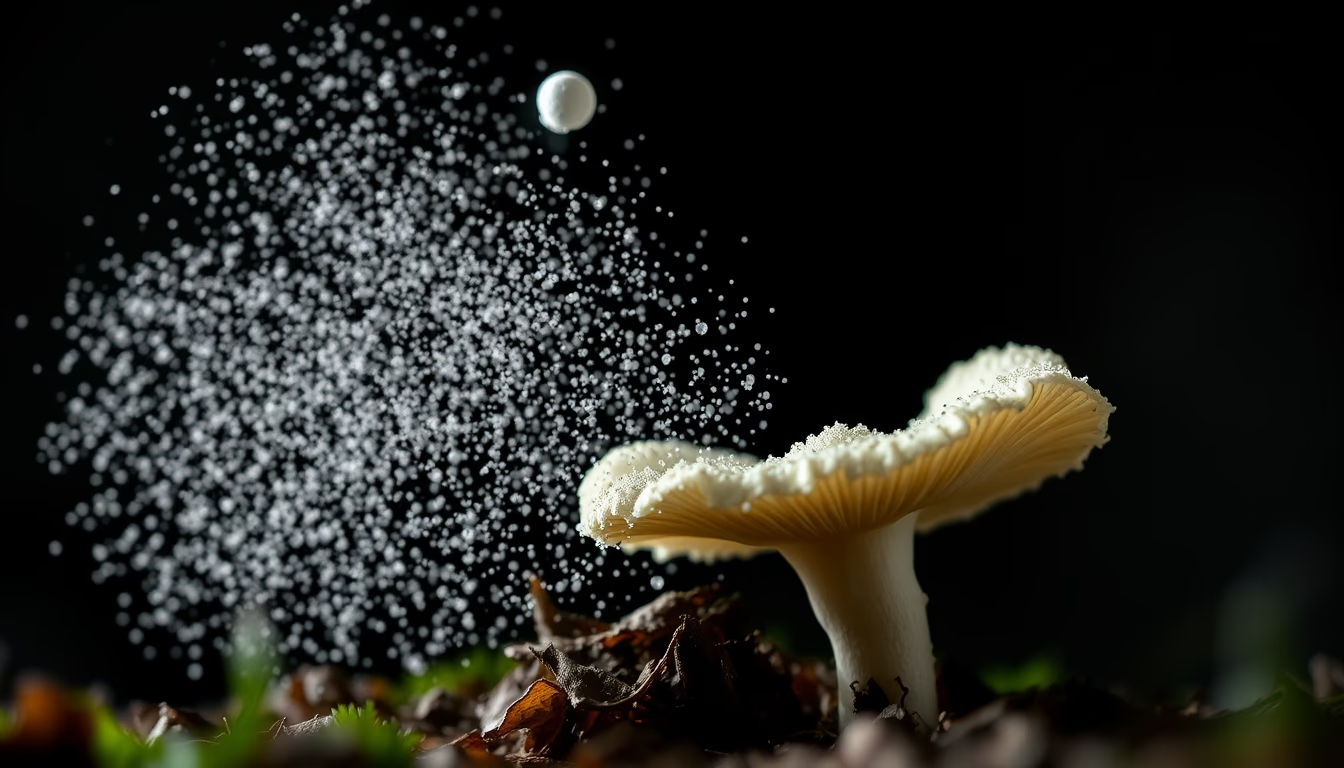
Lion mane mushroom
1344×768 · AVIF · CC BY 4.0

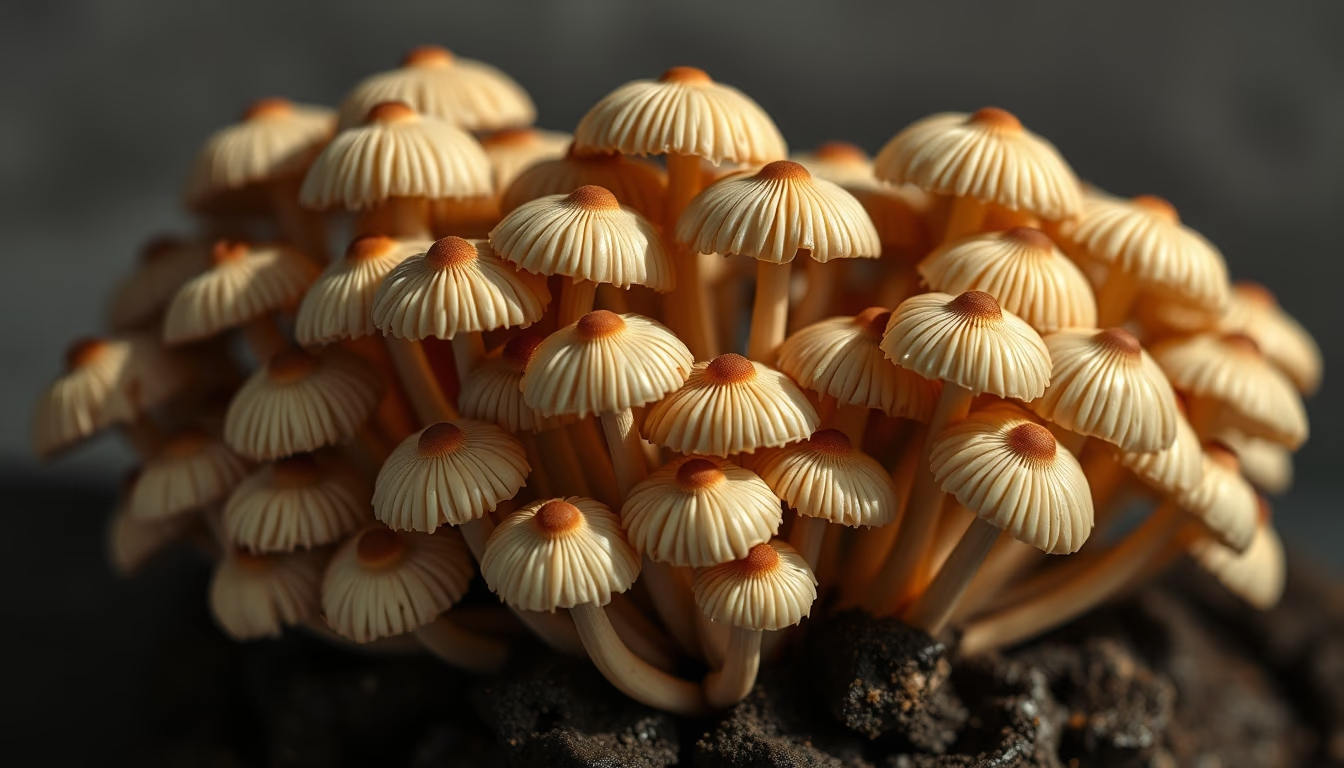
Lion's mane mushroom (Hericium erinaceus): an edible fungus native to North America, Asia, and Europe, prized for its nootropic properties and cognitive health benefits.
About this subject
The lion's mane mushroom, scientifically known as Hericium erinaceus, is an edible fungus that grows on decaying hardwood trees such as oak and beech. Native to temperate regions of North America, Europe, and Asia, it is distinguished by its unique appearance: long, white or cream-colored spines that cascade in clusters, resembling a lion's mane. Unlike common mushrooms, its texture is reminiscent of seafood when cooked, making it a popular vegetarian substitute for lobster or crab.
In traditional Chinese and Japanese medicine, lion's mane has been consumed for centuries to treat digestive and inflammatory disorders. Modern research indicates that compounds such as erinacines and hericenones stimulate nerve growth factor (NGF), potentially supporting neuronal regeneration. Studies in animals and humans suggest that regular consumption may enhance memory, alleviate symptoms of anxiety and depression, and protect against neurodegenerative diseases like Alzheimer's. Although medical consensus is still evolving, the mushroom's popularity among health and nootropic enthusiasts continues to rise.
Culturally, lion's mane is celebrated at mushroom festivals across Europe and North America. In Brazil, its cultivation is expanding, especially on specialized gourmet fungus farms. It is a versatile culinary ingredient: it can be sautéed in butter, added to soups, or dried and ground as a supplement. Proper storage requires refrigeration or dehydration due to its high perishability. Because of its rarity in the wild, sustainable foraging or home cultivation are recommended practices.
Frequently Asked Questions
How to identify a lion's mane mushroom?
Look for a cluster of long, hanging white or cream spines growing on deciduous logs. It has no visible gills or pores and emits a mild earthy smell.
What are the brain benefits of lion's mane?
Studies suggest compounds like erinacines and hericenones may stimulate nerve growth factor (NGF), supporting neuron regeneration, memory improvement, and anxiety reduction.
Can lion's mane be cultivated at home?
Yes, grow kits with supplemented sawdust are available. The fungus prefers temperatures 18-24°C and high humidity. Harvest occurs about 2-3 weeks after inoculation.
Direct URL
https://pub-c7d6a6ea828543ac903a74a341ccb2e1.r2.dev/imagens/lion-mane-mushroom-film-grain-authentic-p1.avifHow to credit
Include a visible link back to UtilizAí. Copy one of the snippets below:
<a href="https://xn--utiliza-eza.com/en/midia/imagens/lion-mane-mushroom-film-grain-authentic-p1">Lion mane mushroom</a> by <a href="https://xn--utiliza-eza.com">UtilizAí</a>, licensed under <a href="https://creativecommons.org/licenses/by/4.0/">CC BY 4.0</a>.
[Lion mane mushroom](https://xn--utiliza-eza.com/en/midia/imagens/lion-mane-mushroom-film-grain-authentic-p1) by [UtilizAí](https://xn--utiliza-eza.com), CC BY 4.0
License: CC-BY-4.0