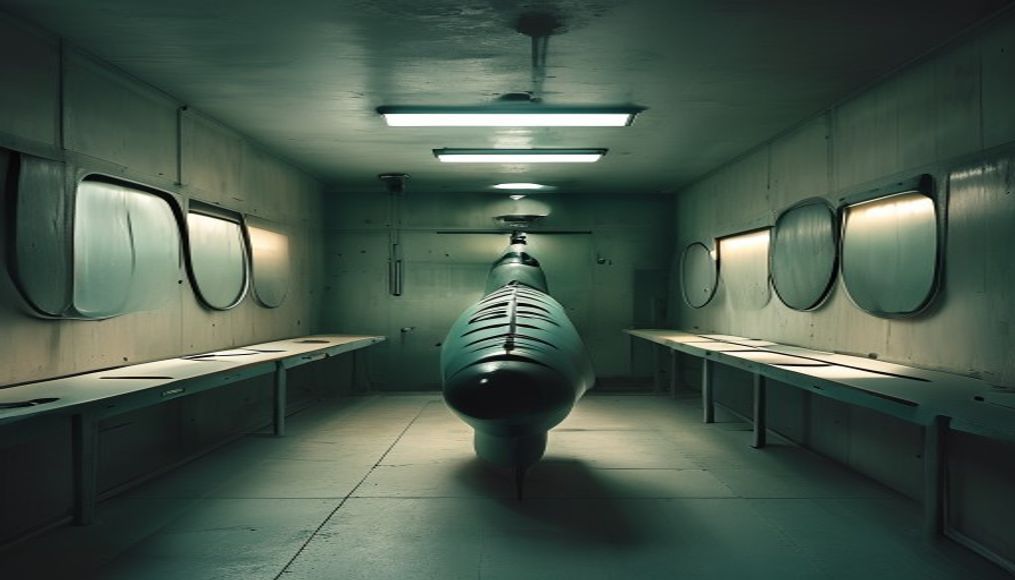
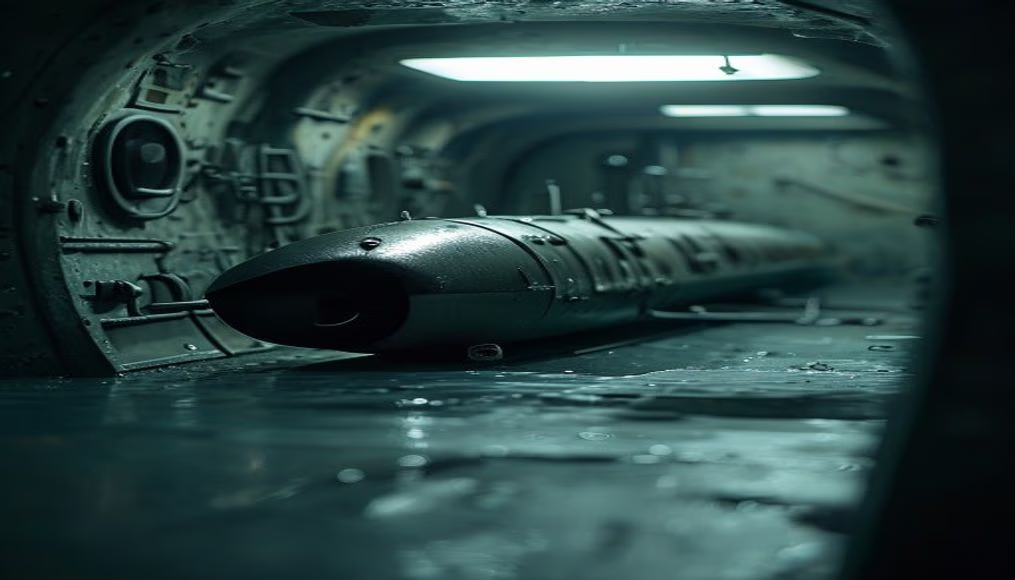
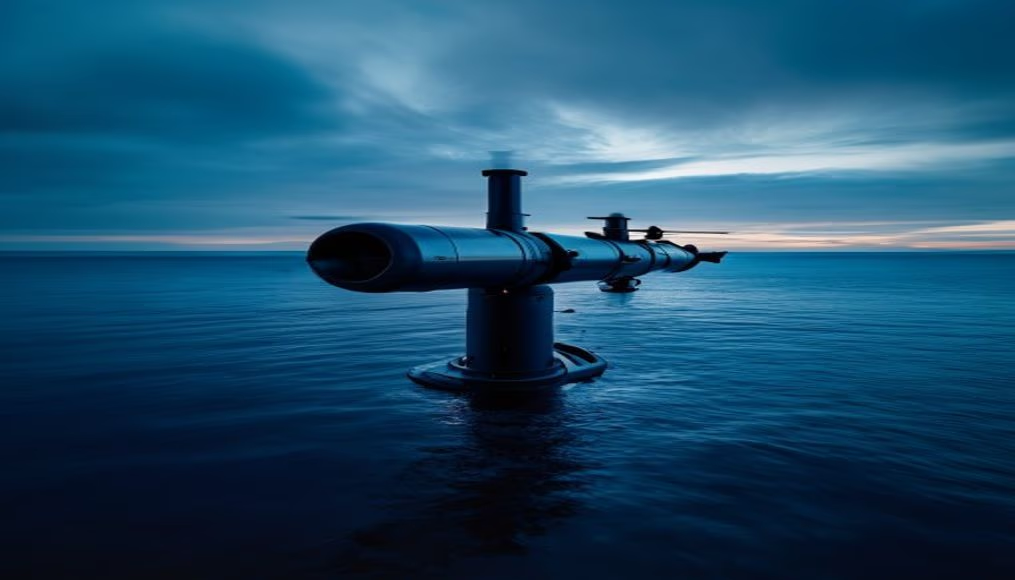
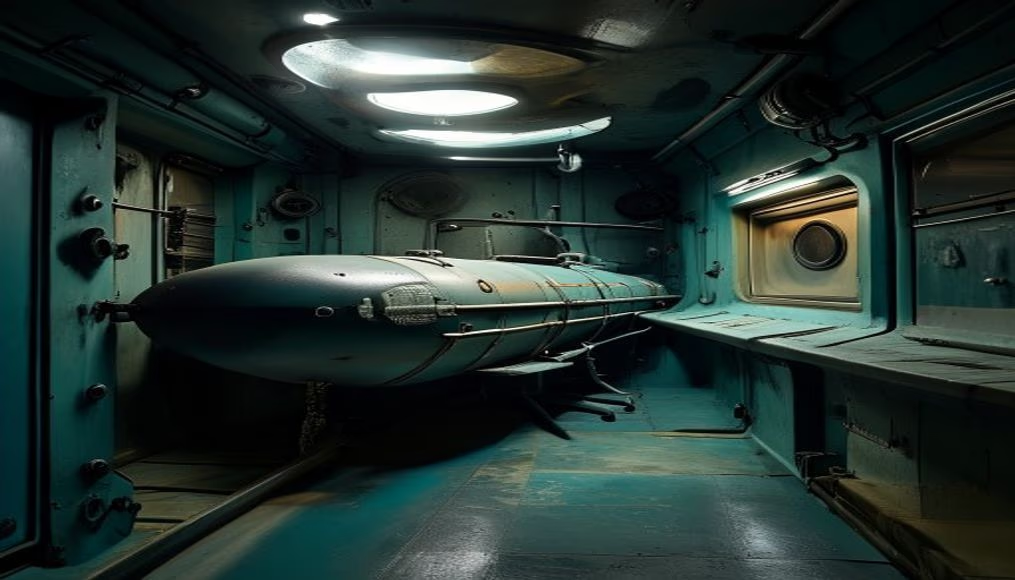
Lifeboat rescue ocean
1344×768 · AVIF · CC BY 4.0
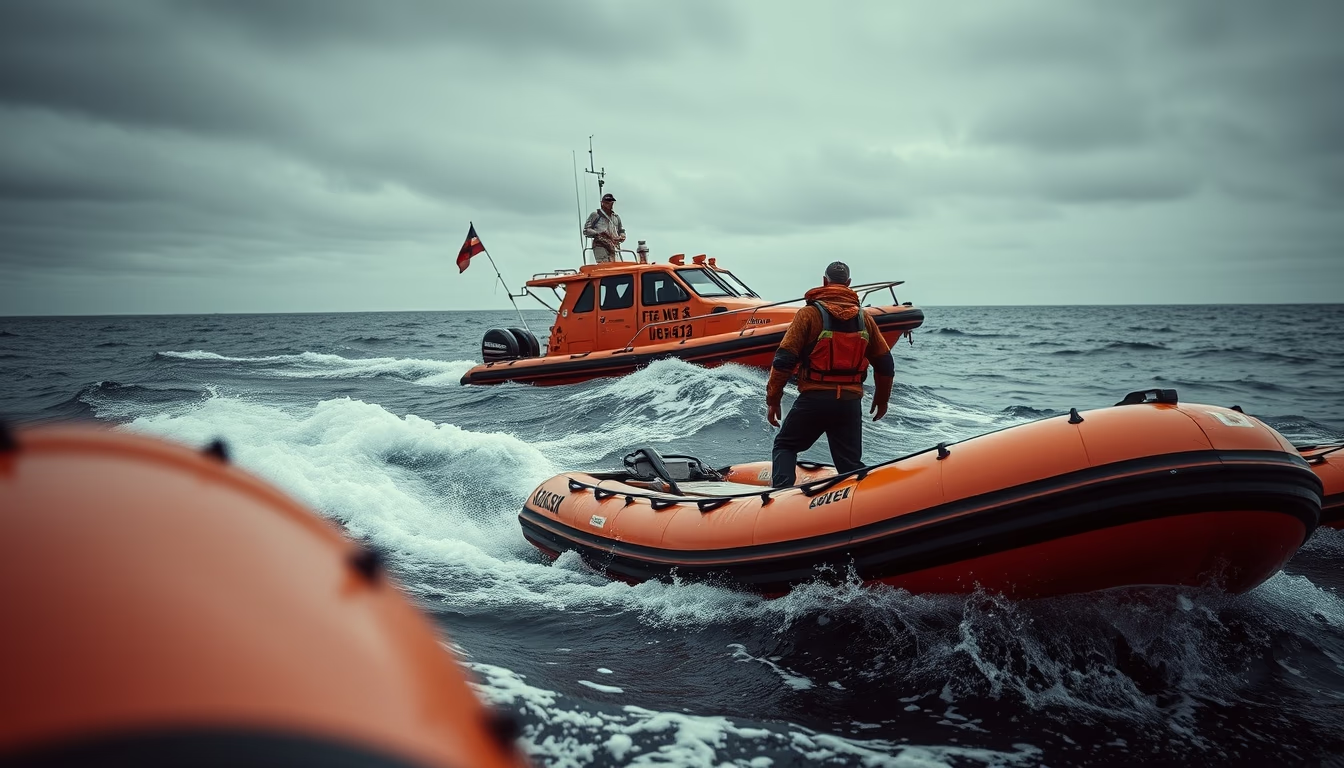
Lifeboat rescue operations are critical for maritime safety. Learn how they work and their significance.
About this subject
Lifeboats are vessels specifically designed to rescue people in distress at sea. They are an integral part of safety systems on ships, oil platforms, and coastal stations. Unlike ordinary boats, lifeboats are built with impact-resistant materials, self-righting capabilities, and powerful engines for quick maneuvering in adverse conditions.
Ocean rescues often involve emergencies such as shipwrecks, fishing vessel accidents, or persons overboard. Rescue crews are trained to operate in high waves, strong winds, and low visibility. Modern lifeboats are equipped with GPS navigation, emergency radios, and long-range searchlights for nighttime location.
Maritime rescue history includes notable examples like the 1912 Titanic rescue, where lifeboats were used but insufficient. Since then, international regulations under the International Maritime Organization require every ship to have lifeboat capacity for all aboard. In Brazilian waters, the Brazilian Navy's Salvamar conducts frequent operations, especially off the coast of Rio de Janeiro and in high-traffic shipping lanes.
Interestingly, many lifeboats are launched via free-fall mechanisms, dropping from heights of up to 20 meters. Rigorous tests ensure they withstand impact and remain operational. Each lifeboat carries supplies such as drinking water, food, first aid kits, and flares, sufficient for days of waiting until rescue by larger vessels or helicopters.
Frequently Asked Questions
How does a lifeboat rescue work?
A lifeboat is launched into the sea, usually by davits or free-fall, and navigates to the distress site. The trained crew picks up survivors and transports them to a safe location, such as a nearby ship or shore. The operation is coordinated via radio with rescue coordination centers.
What essential equipment does a lifeboat carry?
Each lifeboat contains drinking water, emergency rations, first aid kit, blankets, flares, signaling mirrors, whistle, VHF radio, and an outboard motor. Some models have portable desalinators and power generators.
In what situations are lifeboats deployed?
Lifeboats are deployed in shipwrecks, collisions, onboard fires, groundings, or when a person falls overboard (man overboard). They are also used for preventive evacuations during severe storms or piracy threats.
Direct URL
https://pub-c7d6a6ea828543ac903a74a341ccb2e1.r2.dev/imagens/lifeboat-rescue-ocean-high-fashion-editorial-p11.avifHow to credit
Include a visible link back to UtilizAí. Copy one of the snippets below:
<a href="https://xn--utiliza-eza.com/en/midia/imagens/lifeboat-rescue-ocean-high-fashion-editorial-p11">Lifeboat rescue ocean</a> by <a href="https://xn--utiliza-eza.com">UtilizAí</a>, licensed under <a href="https://creativecommons.org/licenses/by/4.0/">CC BY 4.0</a>.
[Lifeboat rescue ocean](https://xn--utiliza-eza.com/en/midia/imagens/lifeboat-rescue-ocean-high-fashion-editorial-p11) by [UtilizAí](https://xn--utiliza-eza.com), CC BY 4.0
License: CC-BY-4.0