Lalique crystal flacon
1344×768 · AVIF · CC BY 4.0
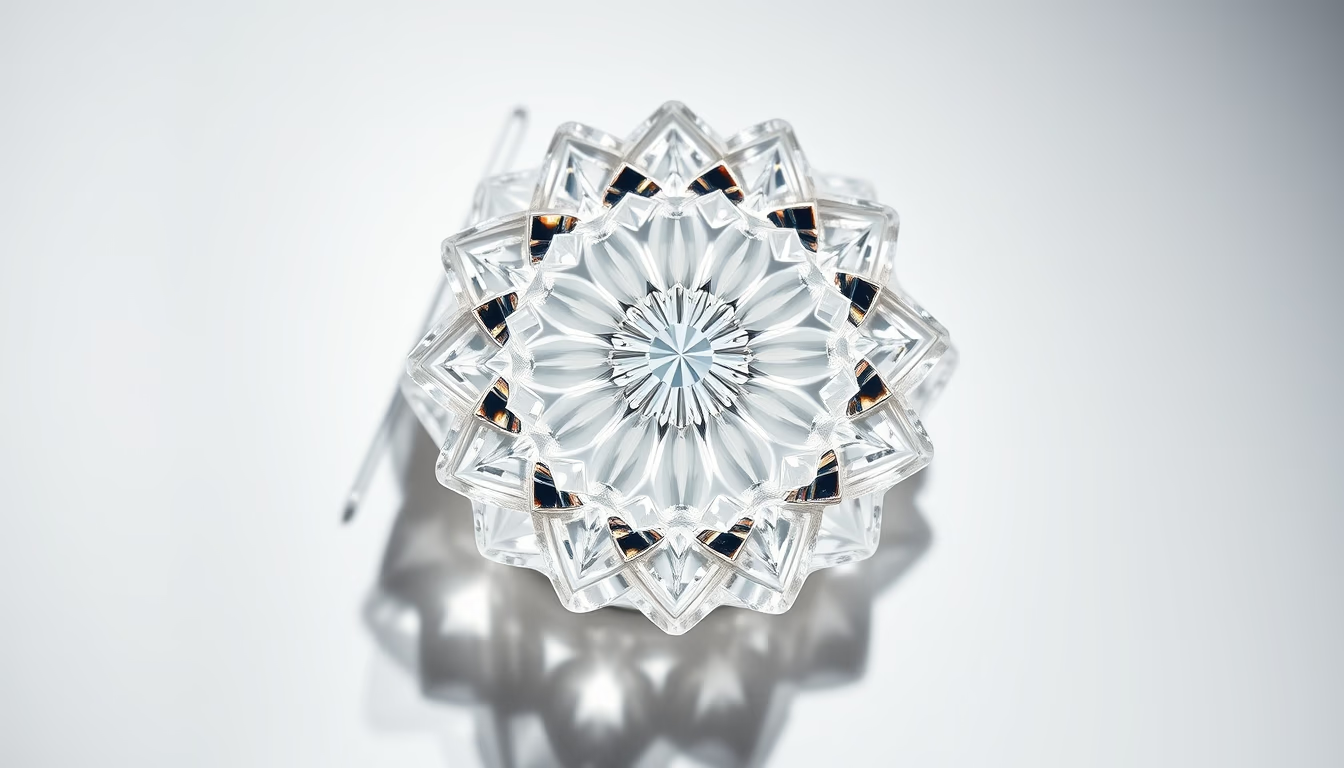
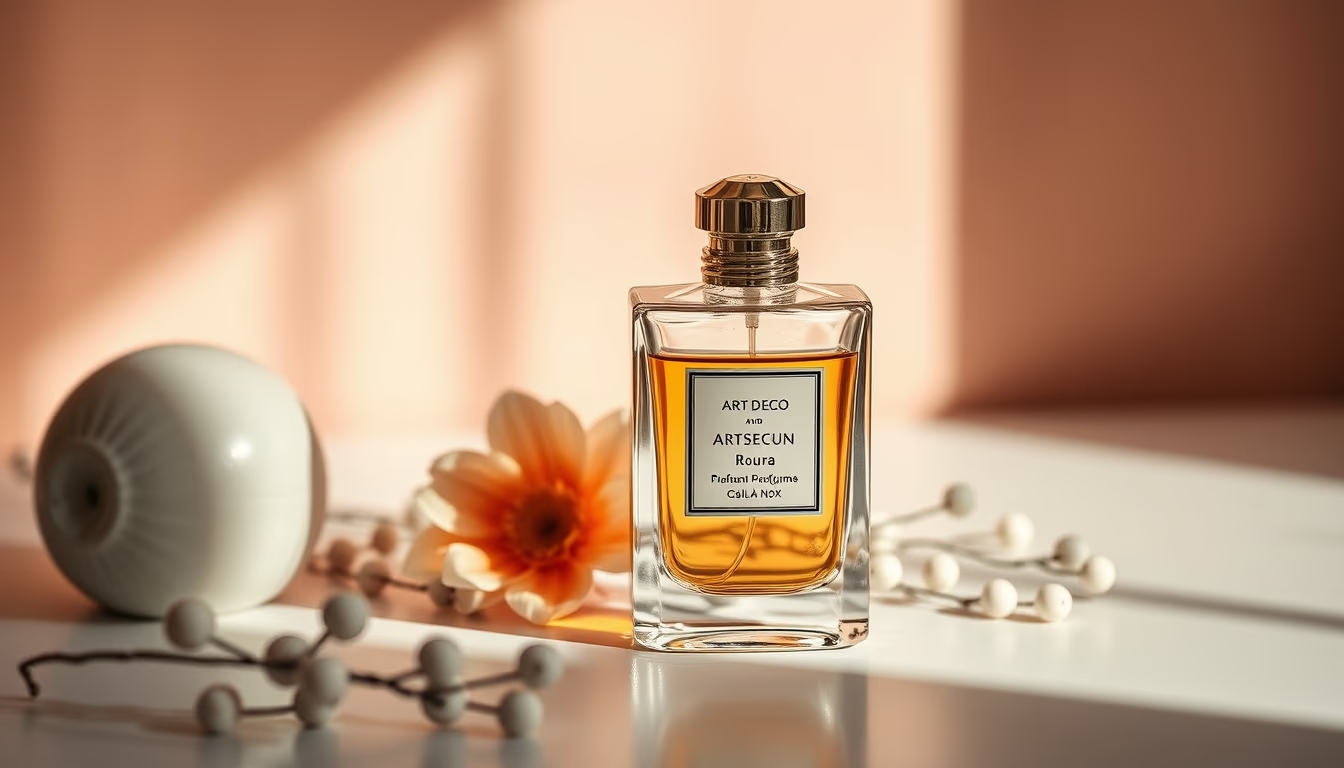
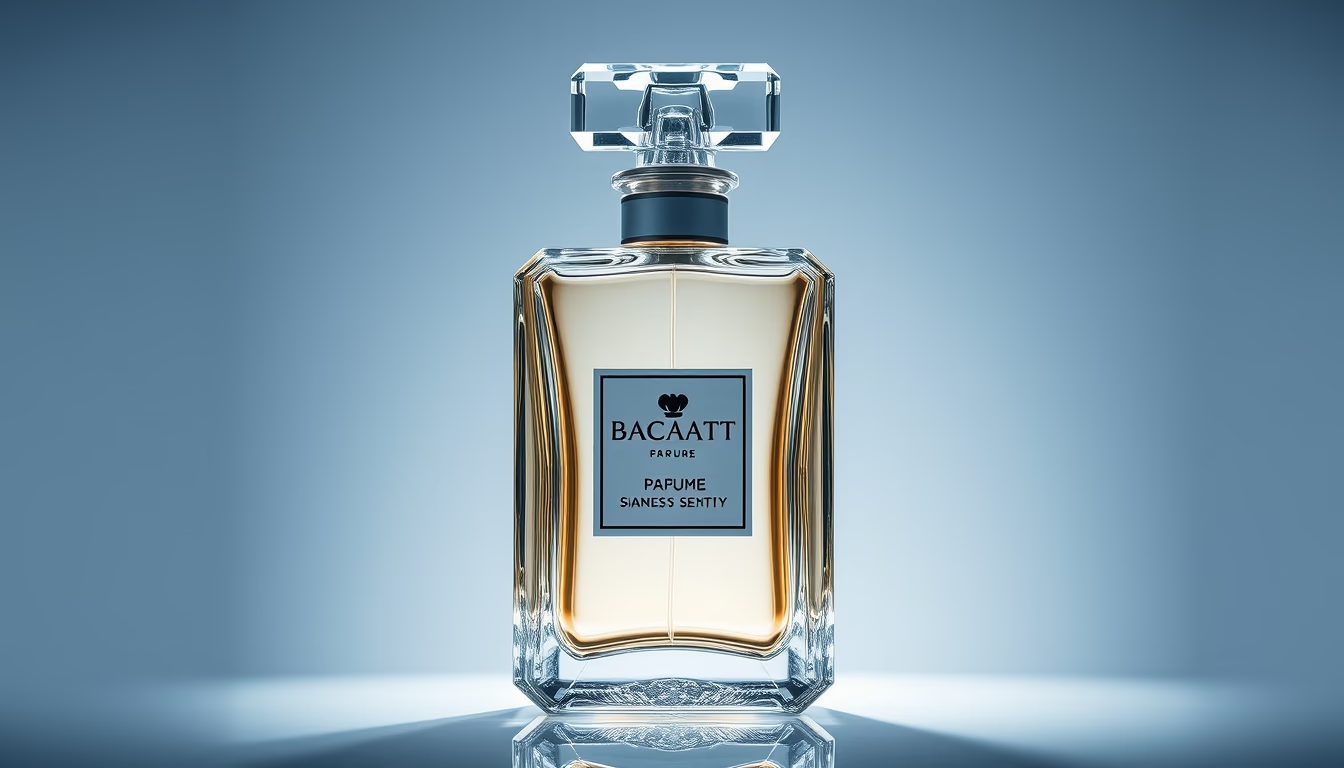
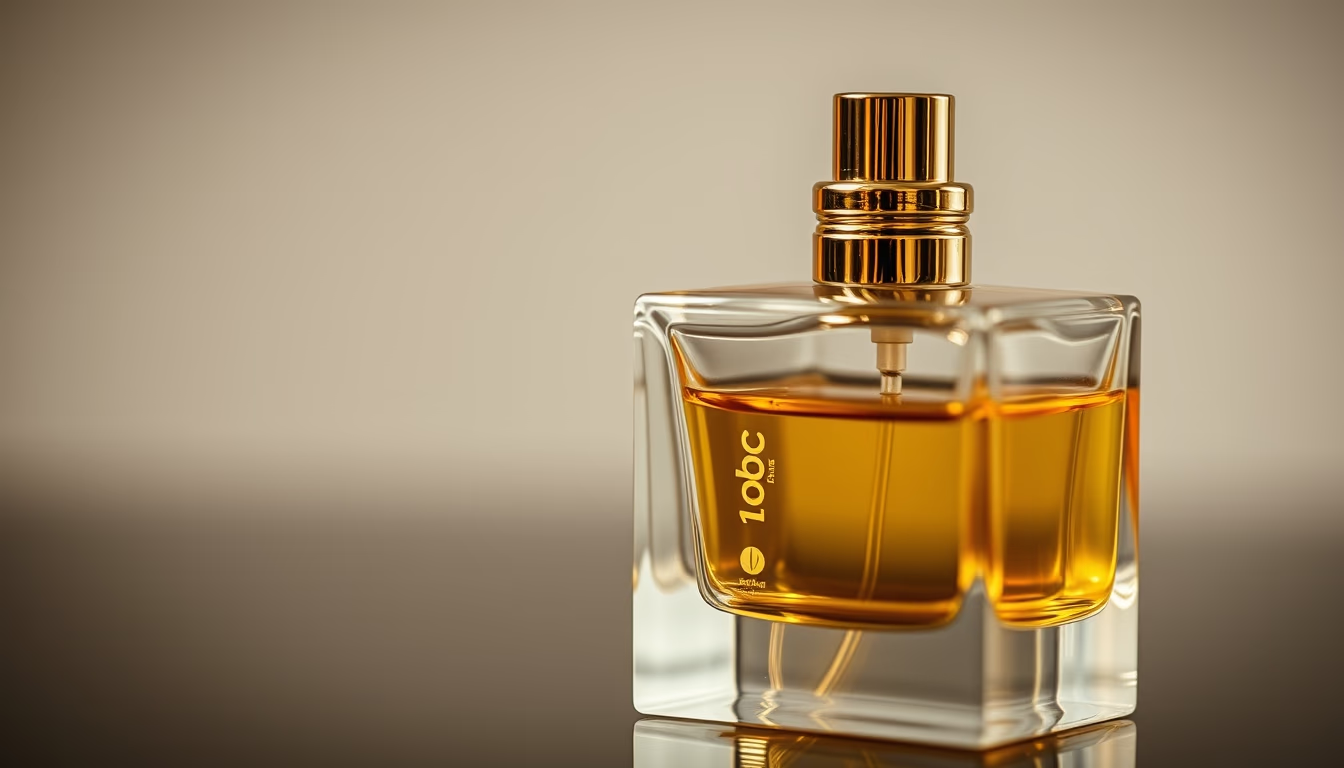
Lalique crystal flacon, a luxury piece from the renowned French crystal house, combines artistic design and functionality in perfumery.
About this subject
Lalique crystal flacons are icons of elegance and craftsmanship since the house was founded in 1888 by René Lalique. Originally a jeweler, Lalique revolutionized perfumery by creating bottles that were true works of art, such as the classic "Bacchantes" (1927) or the modern "Noir de Noir" for Tom Ford. Each piece is hand-blown and carved at the factory in Alsace, France, using techniques including fire polishing and application of gold or platinum baths.
The tradition of Lalique in perfumery is linked to the use of natural motifs like leaves, flowers, and mythological figures. The "Danaïdes" flacon (1992), for example, honors the daughters of Danaus from Greek mythology. Brands such as Nina Ricci, Worth, and Guerlain commissioned exclusive designs, elevating the status of the perfumes. The weight and light refraction of lead crystal (24% PbO) give a characteristic brilliance that distinguishes original pieces from replicas.
Today, vintage Lalique flacons are highly collectible, fetching thousands of dollars at auctions. The house also produces limited editions for contemporary perfumes, maintaining a balance between tradition and innovation. Each bottle bears a serial number and the engraving "Lalique® France" for authentication. The durability of crystal means many 19th-century flacons remain in perfect condition.
Geographically, the brand is rooted in the Alsace region, an area known for its glassmaking tradition since the 16th century. The Lalique museum in Wingen-sur-Moder displays over 650 pieces, including historical flacons. Lalique's influence extends to interior design and automobiles, but perfume bottles remain its most widespread and accessible legacy to the public.
Frequently Asked Questions
How to identify an authentic Lalique flacon?
Check for the engraving "Lalique® France" on the glass, usually on the base. The crystal has a distinctive weight and sound when tapped. Original pieces have a serial number and certificate of authenticity. Be wary of irregular finishing or light weight.
What are the most famous Lalique flacons?
The "Bacchantes" (1927) with female figures in relief, the "Danaïdes" (1992) with caryatids, and the "Noir de Noir" for Tom Ford (2012) in matte black. Also iconic are bottles created for perfumes like "L'Air du Temps" (Nina Ricci) and "Shalimar" (Guerlain).
Can I use an old Lalique flacon as a vase or decoration?
Yes, but be careful: crystal can chip on impact. Avoid prolonged sun exposure, which can dull the material. Clean with a soft cloth and warm water, without abrasive products. Many collectors display them empty or with the original stopper.
Direct URL
https://pub-c7d6a6ea828543ac903a74a341ccb2e1.r2.dev/imagens/lalique-crystal-flacon-isometric-flat-lay-fresh11.avifHow to credit
Include a visible link back to UtilizAí. Copy one of the snippets below:
<a href="https://xn--utiliza-eza.com/en/midia/imagens/lalique-crystal-flacon-isometric-flat-lay-fresh11">Lalique crystal flacon</a> by <a href="https://xn--utiliza-eza.com">UtilizAí</a>, licensed under <a href="https://creativecommons.org/licenses/by/4.0/">CC BY 4.0</a>.
[Lalique crystal flacon](https://xn--utiliza-eza.com/en/midia/imagens/lalique-crystal-flacon-isometric-flat-lay-fresh11) by [UtilizAí](https://xn--utiliza-eza.com), CC BY 4.0
License: CC-BY-4.0