Lalique cire perdue rose
1344×768 · AVIF · CC BY 4.0
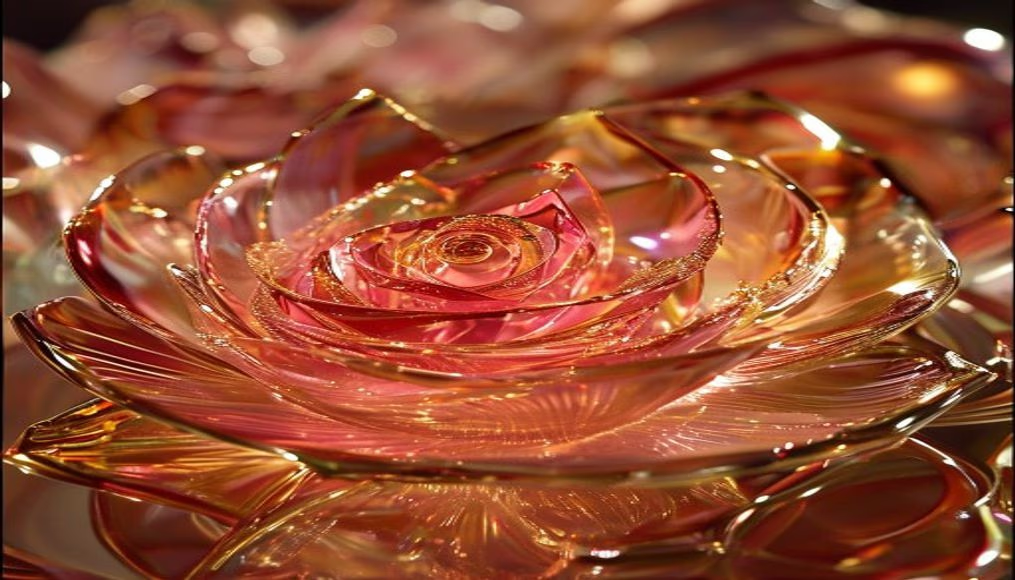
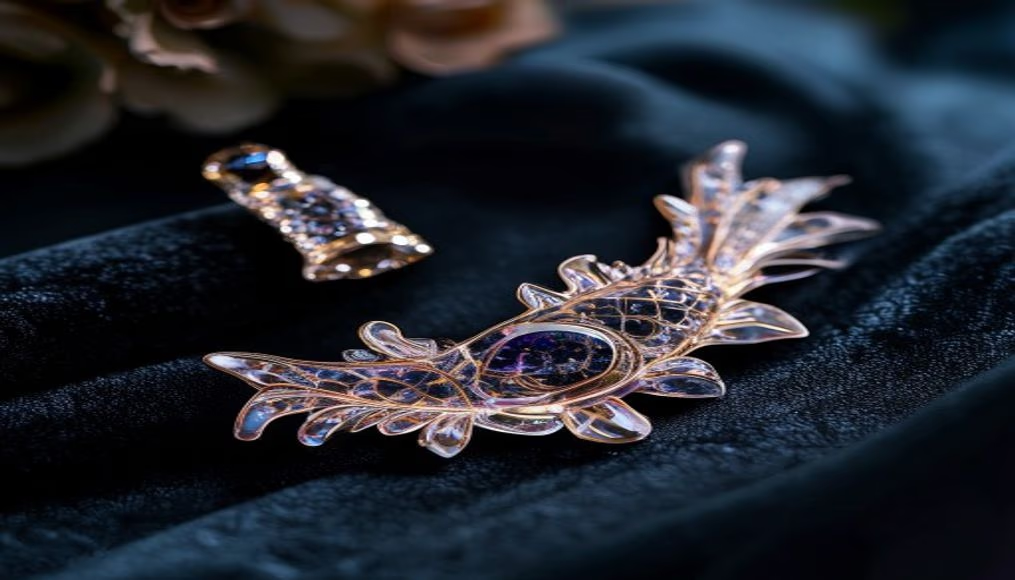
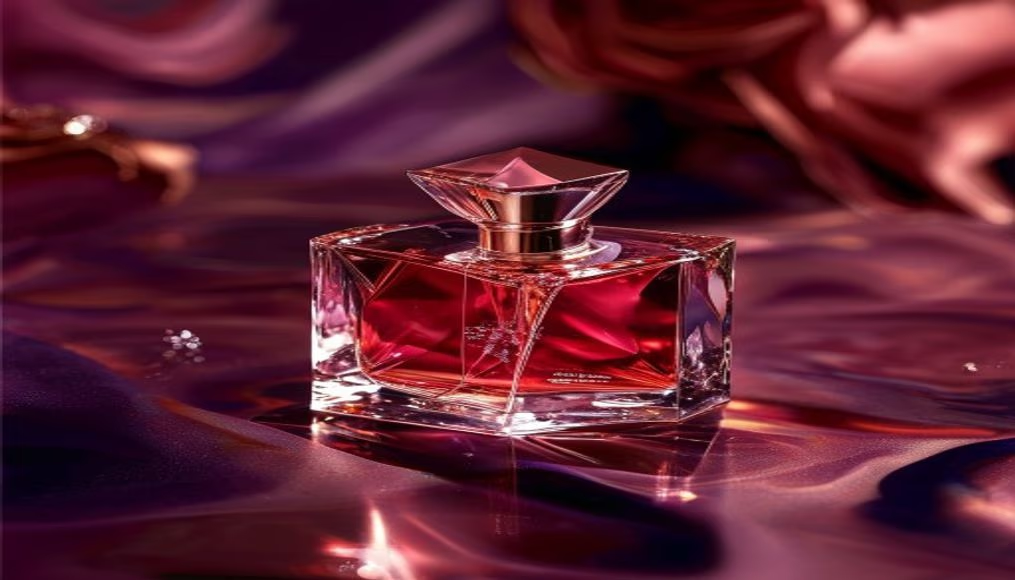
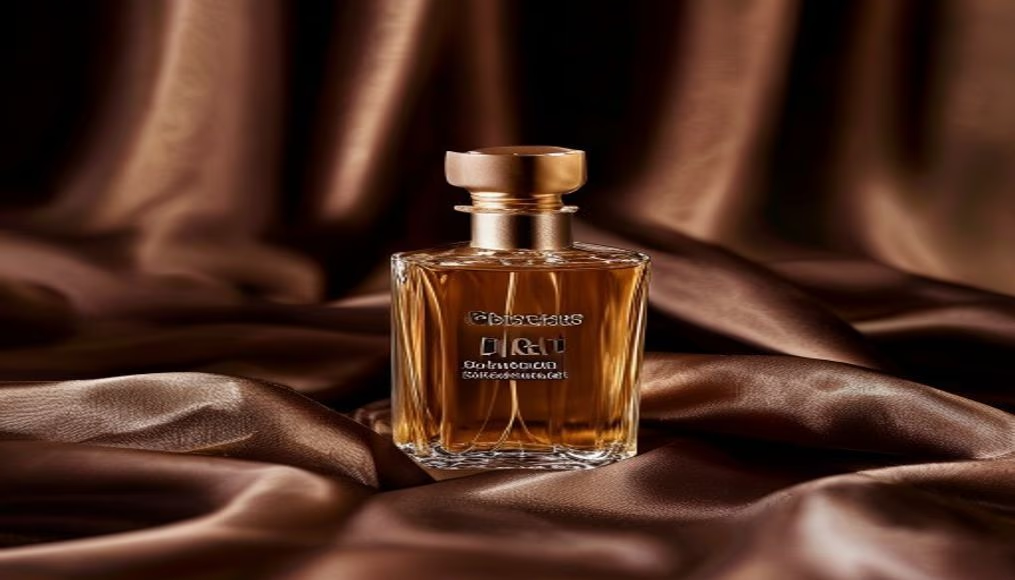
The Lalique crystal rose, crafted using the cire perdue technique, merges French tradition with timeless design.
About this subject
Lalique, founded in 1888 by master glassmaker René Lalique, is synonymous with luxury and refined craftsmanship. The cire perdue, or 'lost wax', technique is an ancient process that allows for extremely precise details in crystal. A wax model is coated with refractory material, heated to melt the wax, and the resulting mold is filled with molten crystal. Each piece is unique because the mold is destroyed after cooling.
The rose, one of Lalique's most iconic motifs, symbolizes elegance and eternal beauty. The Parisian maison has incorporated the flower into various collections, from perfume bottles to decorative objects. The Lalique rose is not merely ornamental; it reflects René Lalique's obsession with nature and light, capturing the translucency of crystal to create plays of shadow and brilliance.
Producing a Lalique rose involves hours of manual work, from sculpting the mold to final polishing. Skilled artisans at the factory in Alsace, France, master techniques passed down through generations. Each piece receives an edition number and the maison's seal, guaranteeing authenticity. The combination of the cire perdue technique with timeless design makes these roses collector's items and high-status gifts.
Lalique is also known for collaborations with artists and luxury brands, expanding the reach of French crystal. The cire perdue rose, in particular, exemplifies the maison's ability to fuse tradition and innovation, keeping René Lalique's heritage alive while catering to contemporary tastes.
Frequently Asked Questions
What is the cire perdue (lost wax) technique?
It is an ancient casting process where a wax model is covered with refractory material. When heated, the wax melts and drains out, leaving a hollow mold that is filled with molten metal or crystal. The mold is broken after cooling, resulting in a unique piece.
Why is the rose important to Lalique?
The rose is an iconic motif for the maison, symbolizing elegance and eternal beauty. René Lalique incorporated natural elements into his designs, and the rose reflects his passion for nature and light, appearing in perfume bottles, vases, and decorative objects.
How can you identify an authentic Lalique piece?
Authentic pieces bear the maison's engraved mark, usually on the base or side, along with an edition number. The quality of the crystal, precision of details, and weight are also indicators. Lalique has produced pieces at its factory in Alsace, France, since 1920.
Direct URL
https://pub-c7d6a6ea828543ac903a74a341ccb2e1.r2.dev/imagens/lalique-cire-perdue-rose-golden-ratio-composition-luxury-luxo1.avifHow to credit
Include a visible link back to UtilizAí. Copy one of the snippets below:
<a href="https://xn--utiliza-eza.com/en/midia/imagens/lalique-cire-perdue-rose-golden-ratio-composition-luxury-luxo1">Lalique cire perdue rose</a> by <a href="https://xn--utiliza-eza.com">UtilizAí</a>, licensed under <a href="https://creativecommons.org/licenses/by/4.0/">CC BY 4.0</a>.
[Lalique cire perdue rose](https://xn--utiliza-eza.com/en/midia/imagens/lalique-cire-perdue-rose-golden-ratio-composition-luxury-luxo1) by [UtilizAí](https://xn--utiliza-eza.com), CC BY 4.0
License: CC-BY-4.0