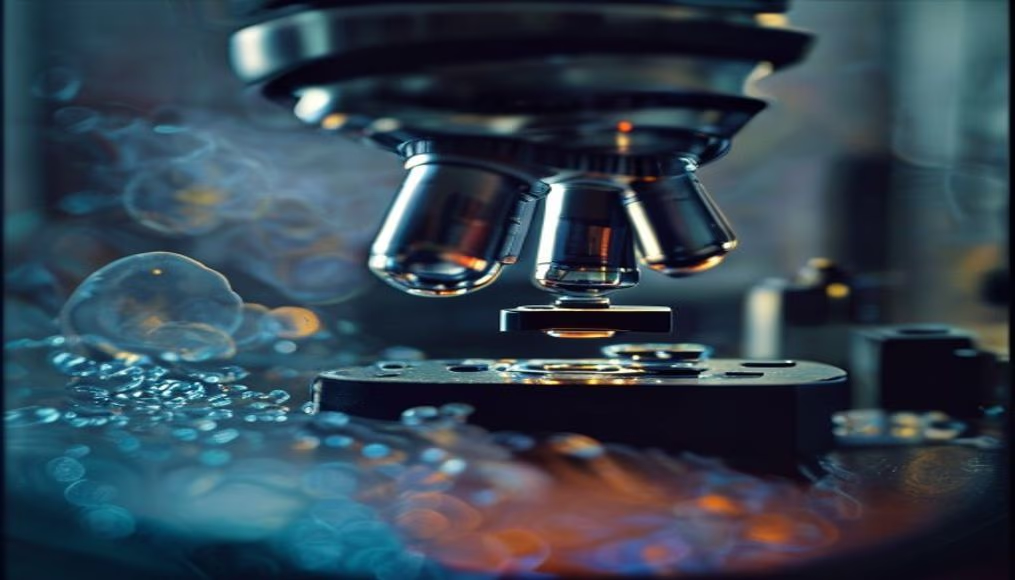
Lab technician looking through microscope
1344×768 · AVIF · CC BY 4.0
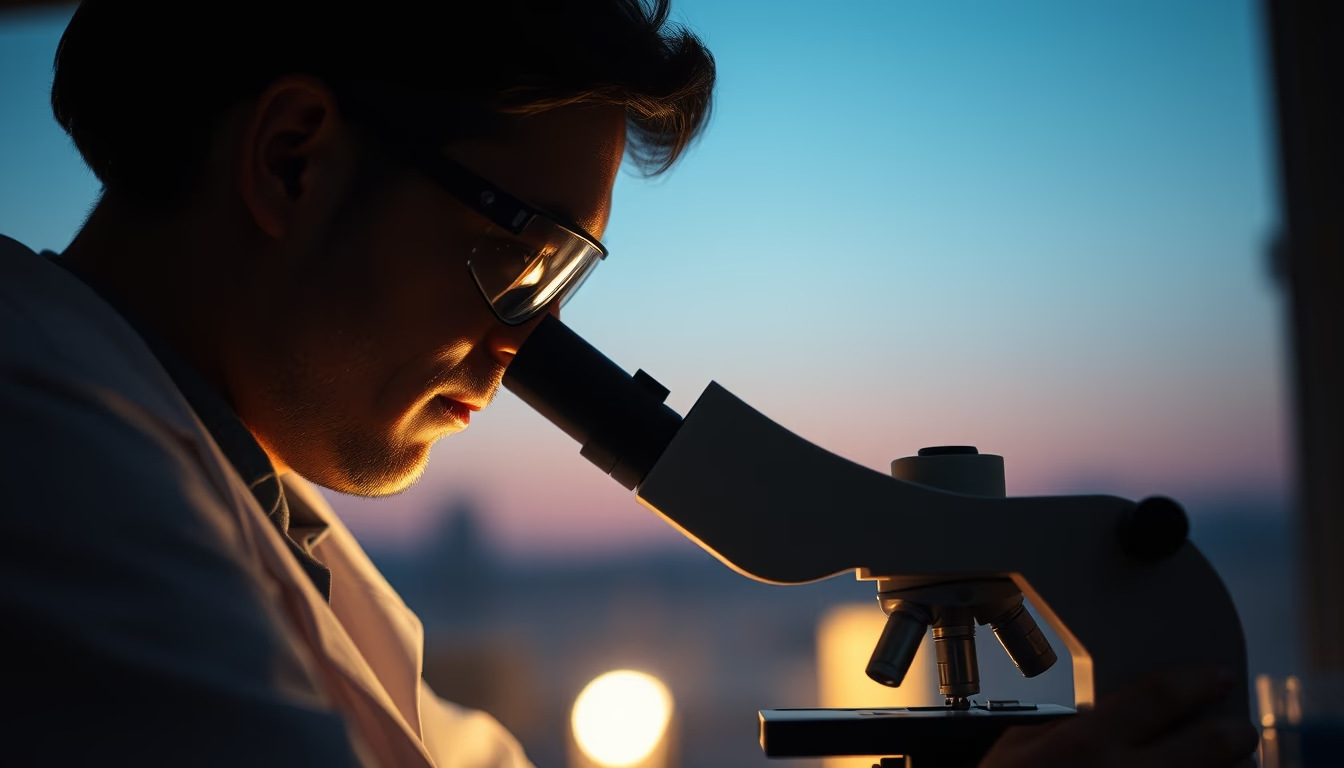
Lab technician analyzes a sample under a microscope during a night shift, highlighting the routine of health research.
About this subject
Microscopic analysis is a fundamental step in health laboratories, enabling the identification of abnormal cells, microorganisms, and tissue alterations. The lab technician, an essential professional in this process, operates equipment such as optical and electron microscopes to assist in diagnosing diseases like cancer, bacterial infections, and parasitic diseases. In Brazil, the work of these professionals is regulated by the Federal Council of Biomedicine and by standards of the National Health Surveillance Agency (Anvisa), which establish biosafety and quality protocols.
Night shifts are common in hospital and research center laboratories, where the demand for urgent tests, such as blood counts and microbiological cultures, never stops. Studies indicate that visual fatigue and the need for intense concentration make night work challenging, requiring scheduled breaks and proper ergonomics. Ambient lighting, as suggested by the twilight tone, can influence contrast and the perception of details on the slide.
Interestingly, the modern compound microscope dates back to the 17th century with Antonie van Leeuwenhoek, but advances in lenses and LED lighting have made current equipment more accurate and accessible. In the Brazilian context, public laboratories such as those of the Oswaldo Cruz Foundation (Fiocruz) and the Public Health Laboratory Network play a crucial role in outbreak monitoring and research into new therapies. The image captures a moment of silent dedication that underpins evidence-based medicine.
Frequently Asked Questions
What is the role of a lab technician in healthcare?
The lab technician performs analyses of biological samples (blood, urine, tissues) using equipment such as microscopes and centrifuges, aiding in disease diagnosis and treatment monitoring.
How does night lighting affect microscope work?
Night lighting, such as twilight, can reduce contrast and require adjustments in microscope intensity. Professionals should take breaks to avoid visual fatigue and ensure accuracy.
What are the main challenges of night shifts in laboratories?
Challenges include eye strain, reduced concentration due to circadian rhythm, and the need to maintain accuracy in urgent tests. Breaks and proper lighting are recommended.
Direct URL
https://pub-c7d6a6ea828543ac903a74a341ccb2e1.r2.dev/imagens/lab-technician-looking-through-microscope-closeup-twilight-6.avifHow to credit
Include a visible link back to UtilizAí. Copy one of the snippets below:
<a href="https://xn--utiliza-eza.com/en/midia/imagens/lab-technician-looking-through-microscope-closeup-twilight-6">Lab technician looking through microscope</a> by <a href="https://xn--utiliza-eza.com">UtilizAí</a>, licensed under <a href="https://creativecommons.org/licenses/by/4.0/">CC BY 4.0</a>.
[Lab technician looking through microscope](https://xn--utiliza-eza.com/en/midia/imagens/lab-technician-looking-through-microscope-closeup-twilight-6) by [UtilizAí](https://xn--utiliza-eza.com), CC BY 4.0
License: CC-BY-4.0