Koan mountain temple
1344×768 · AVIF · CC BY 4.0
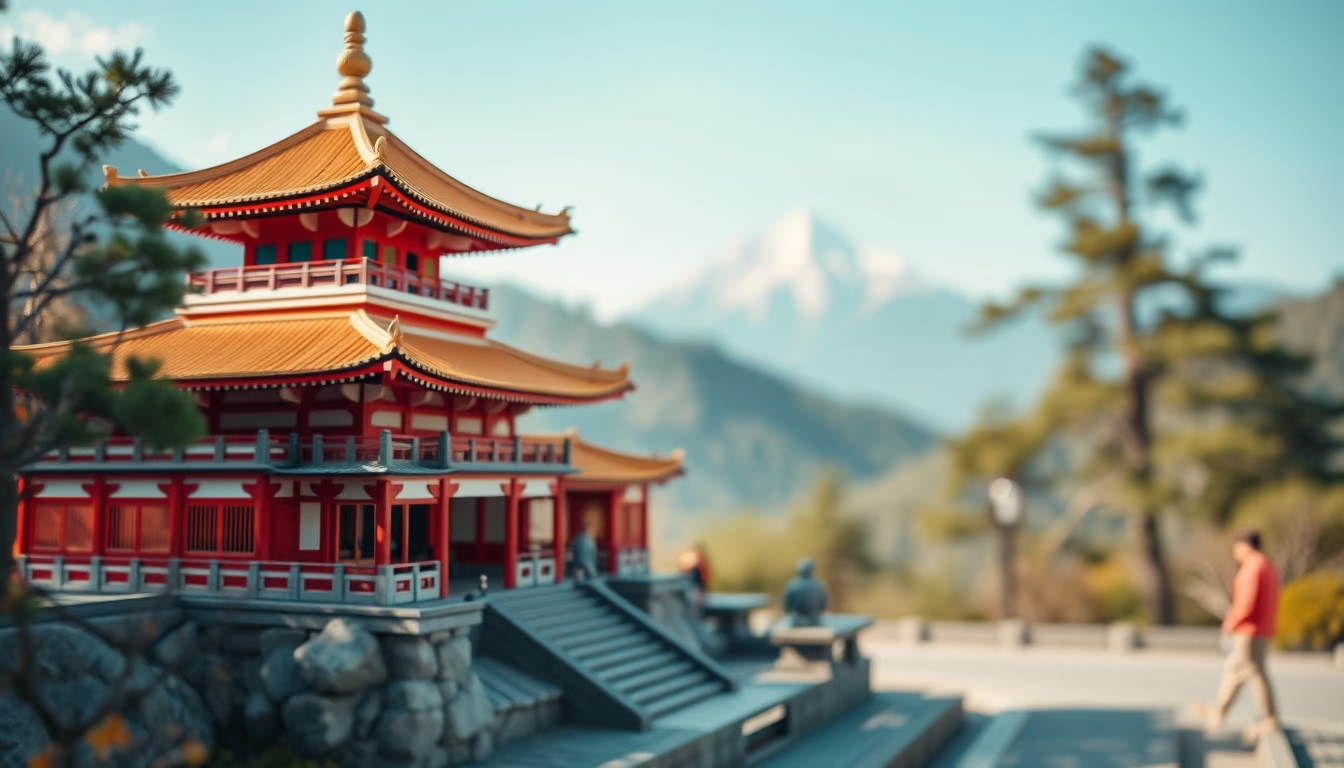
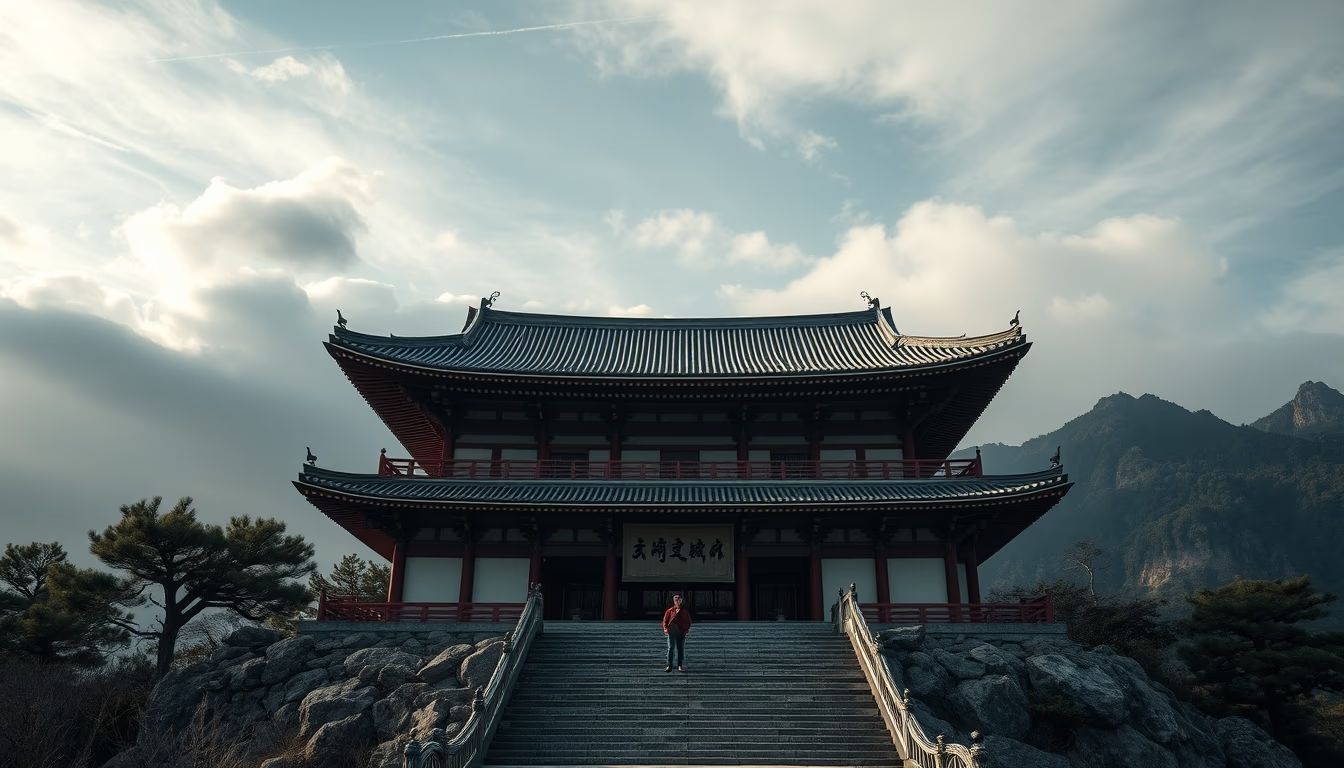
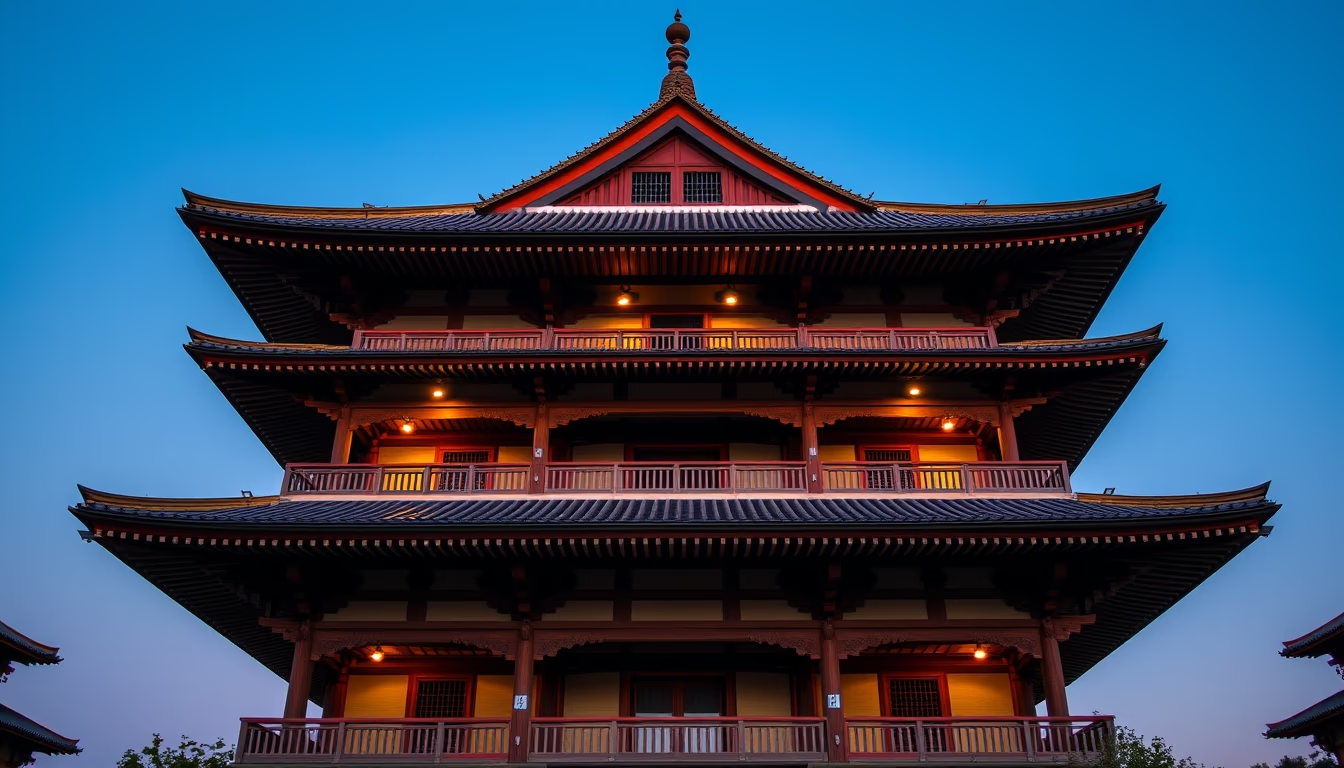
A zen temple atop a mountain, associated with the practice of koans, paradoxical teachings in Zen Buddhism aimed at enlightenment.
About this subject
Koan mountain temple refers to Zen Buddhist temples situated on mountains, often serving as retreats for intensive meditation. The term 'koan' comes from the Chinese 'gōng'àn', meaning 'public case', and comprises short stories or dialogues that defy logical thought. In Japan, temples like Shōgen-in or Daitoku-ji in Kyoto are renowned for their rock gardens and meditation halls where monks study classic koans such as 'What is the sound of one hand clapping?'.
The construction of temples on mountains stems from the Chinese Chan (Zen) tradition, where altitude symbolizes spiritual elevation and detachment from the material world. Many such temples, like the Shaolin Temple (famous for kung fu) or Lingyin Temple in Hangzhou, were built on steep slopes, blending into the natural landscape. The word 'mountain' itself is a koan: in Zen teachings, 'the mountain is a mountain, then it is not a mountain, then it is a mountain again', representing stages of understanding.
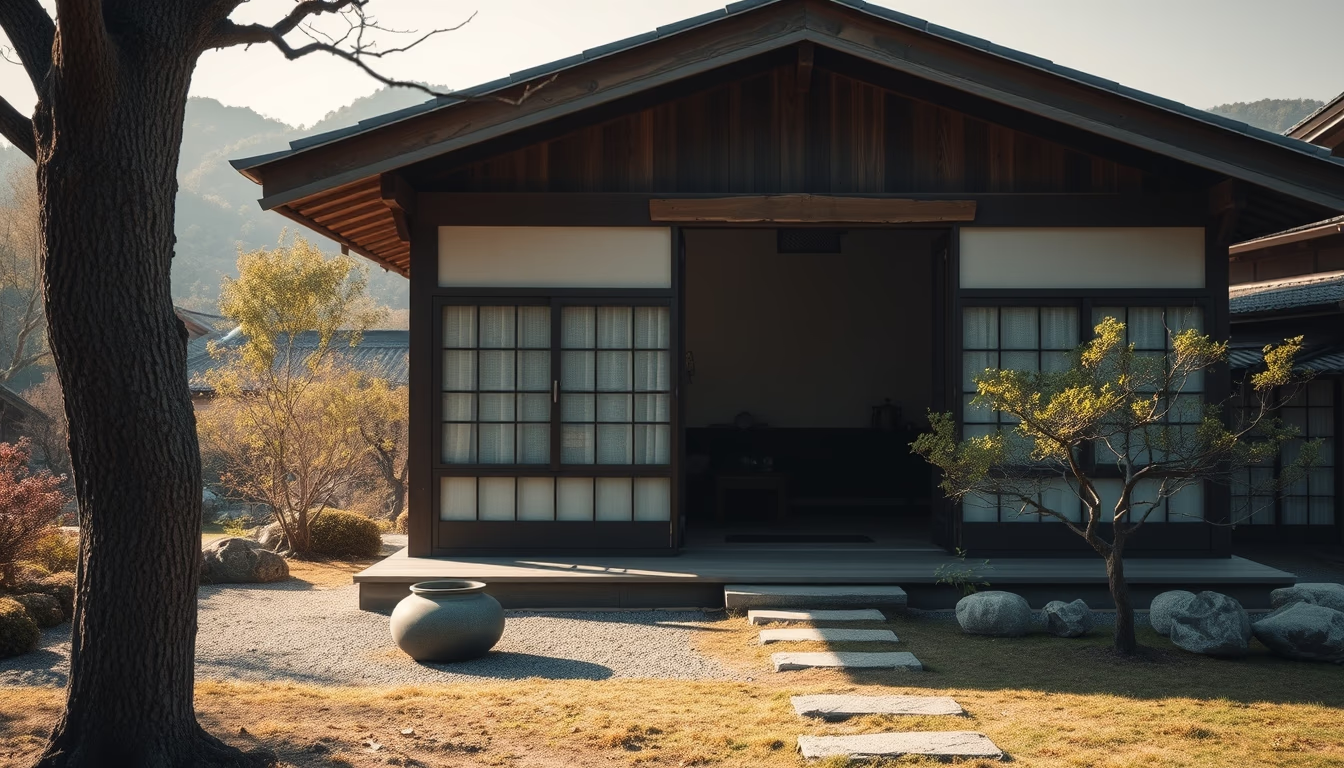
The tilt-shift miniature effect in photography of these temples creates a model-like illusion, highlighting the symmetry and stillness of curved roofs and stone courtyards. This visual technique emphasizes the contemplative nature of the space, inviting viewers to reflect on impermanence and the beauty of the present moment, core concepts in koan study. Although the image is an artistic representation, it captures the essence of sites like Kōdai-ji Temple or Ryōan-ji Temple, famous for their dry gardens and meditative atmosphere.
Frequently Asked Questions
What is a koan in Zen Buddhism?
A koan is a paradoxical riddle used in Zen training to break dualistic thinking and lead to enlightenment. Famous examples include 'What is the sound of one hand clapping?' and 'What was your original face before your parents were born?'.
Why are Zen temples built on mountains?
Mountain locations provide isolation from the secular world, fostering the stillness required for meditation. In Zen tradition, mountains also symbolize spiritual ascent and transcendence.
What is the tilt-shift miniature effect and why is it used in temple photos?
The tilt-shift effect makes a real scene look like a miniature by blurring parts of the image. In temple photos, it emphasizes symmetry and serenity, creating a sense of detachment akin to Zen contemplation.
Direct URL
https://pub-c7d6a6ea828543ac903a74a341ccb2e1.r2.dev/imagens/koan-mountain-temple-tilt-shift-miniature-fresh5.avifHow to credit
Include a visible link back to UtilizAí. Copy one of the snippets below:
<a href="https://xn--utiliza-eza.com/en/midia/imagens/koan-mountain-temple-tilt-shift-miniature-fresh5">Koan mountain temple</a> by <a href="https://xn--utiliza-eza.com">UtilizAí</a>, licensed under <a href="https://creativecommons.org/licenses/by/4.0/">CC BY 4.0</a>.
[Koan mountain temple](https://xn--utiliza-eza.com/en/midia/imagens/koan-mountain-temple-tilt-shift-miniature-fresh5) by [UtilizAí](https://xn--utiliza-eza.com), CC BY 4.0
License: CC-BY-4.0