Koan mountain temple
1344×768 · AVIF · CC BY 4.0
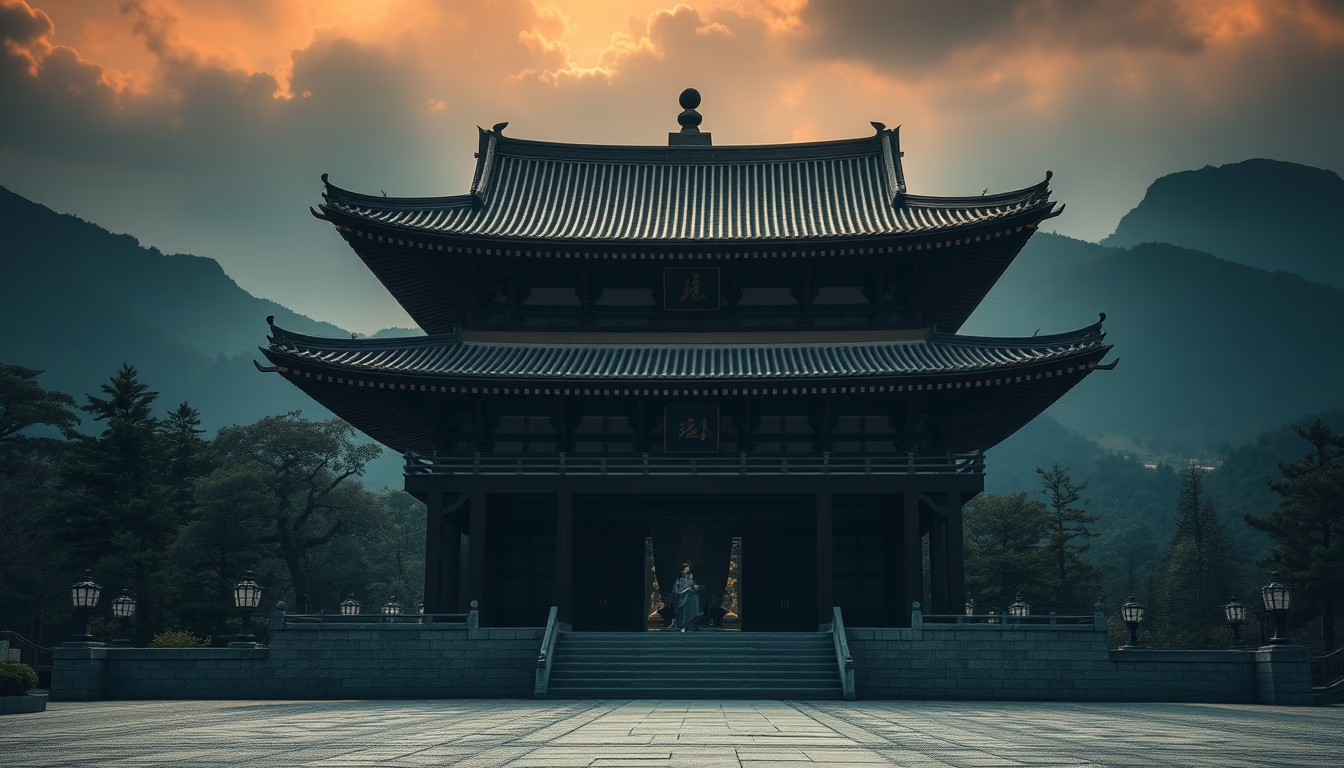
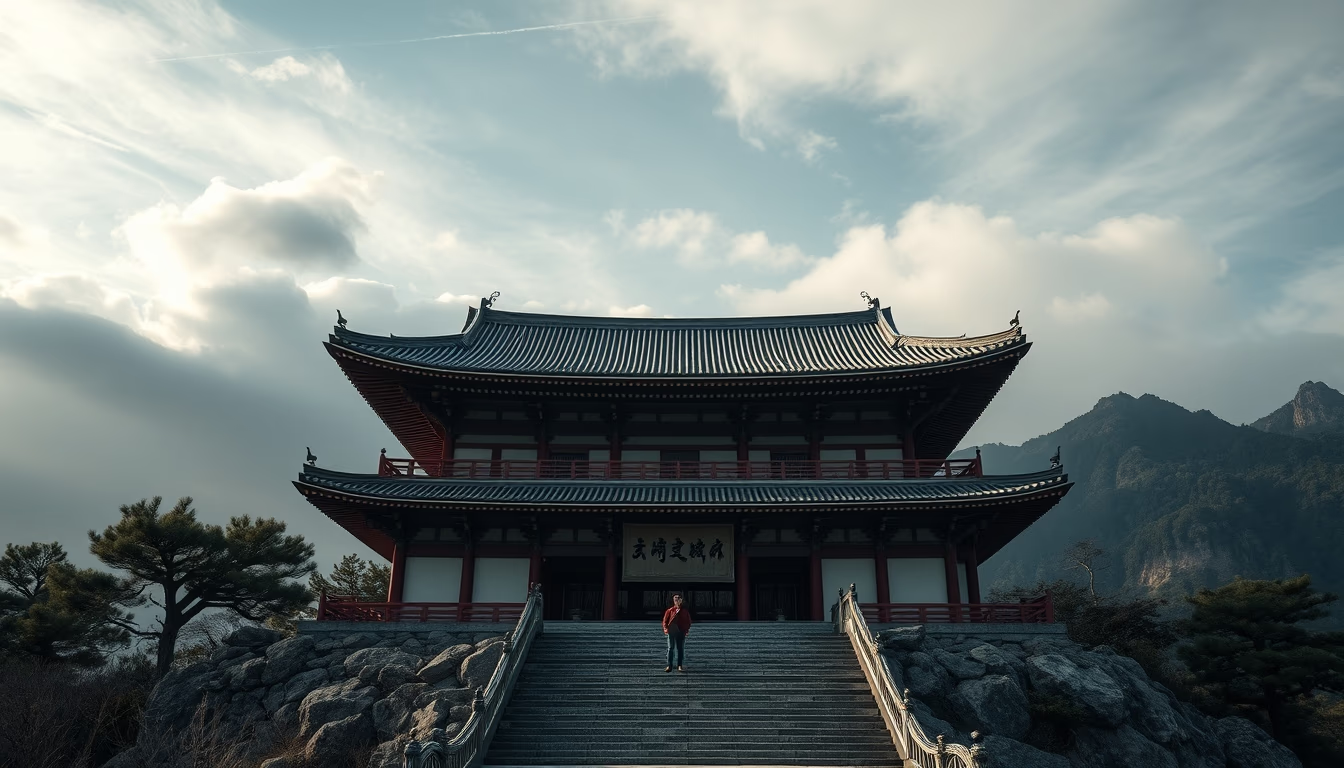
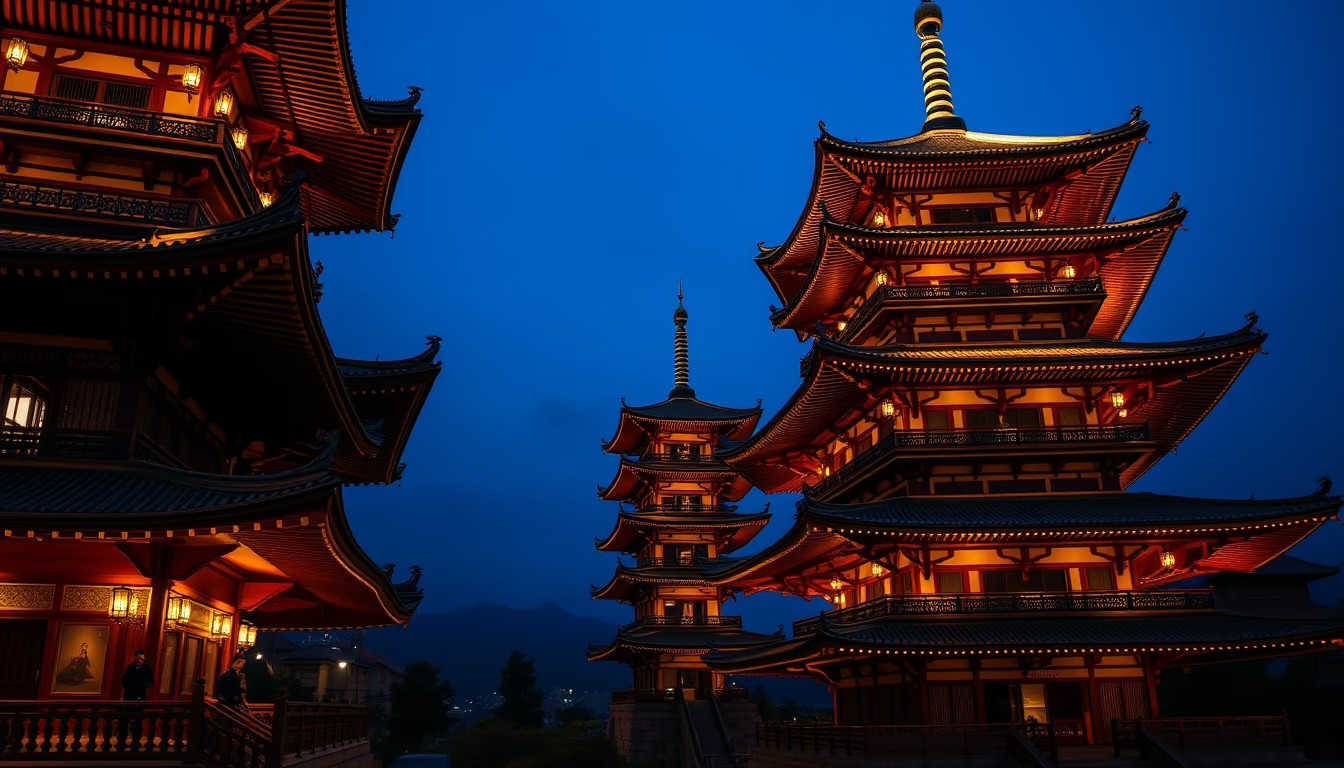
Koan mountain temple is a Zen Buddhist temple located in the mountains of Kyoto, renowned for its dry gardens and intensive koan practice.
About this subject
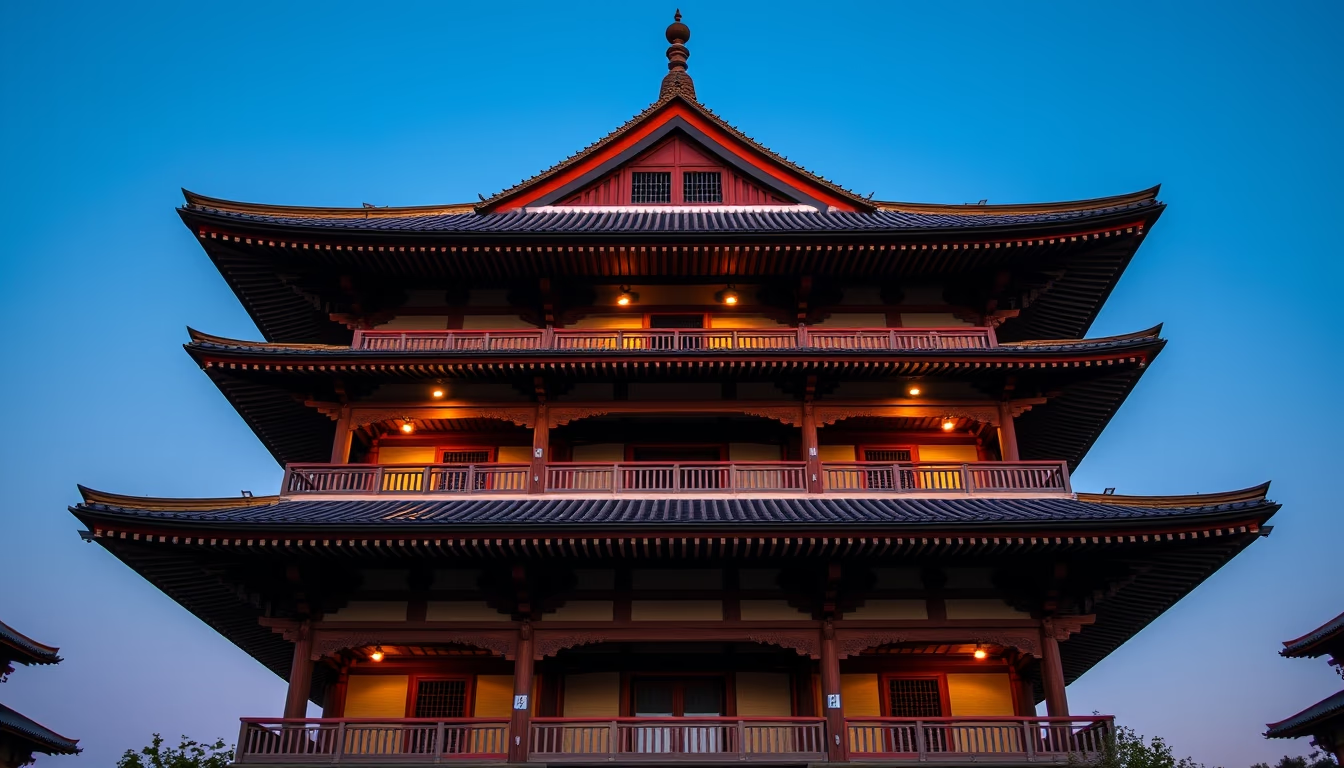
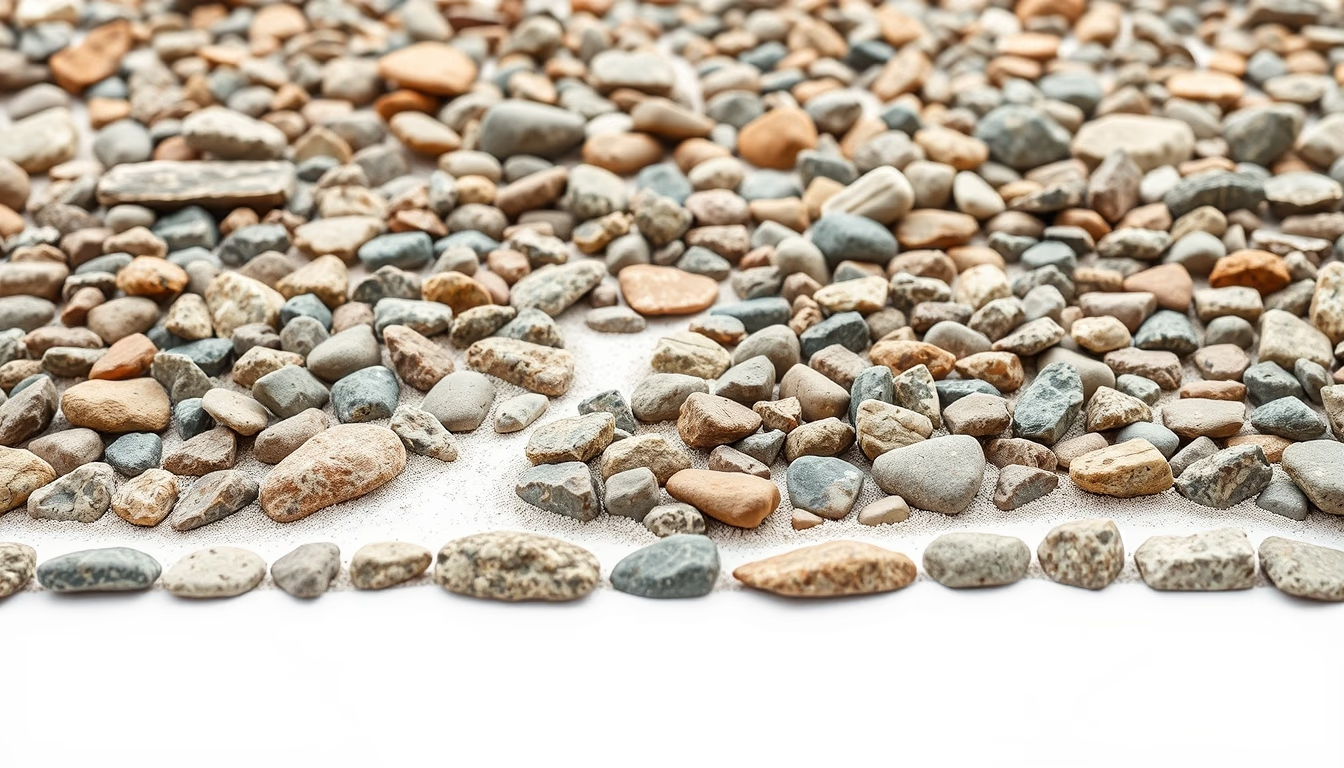
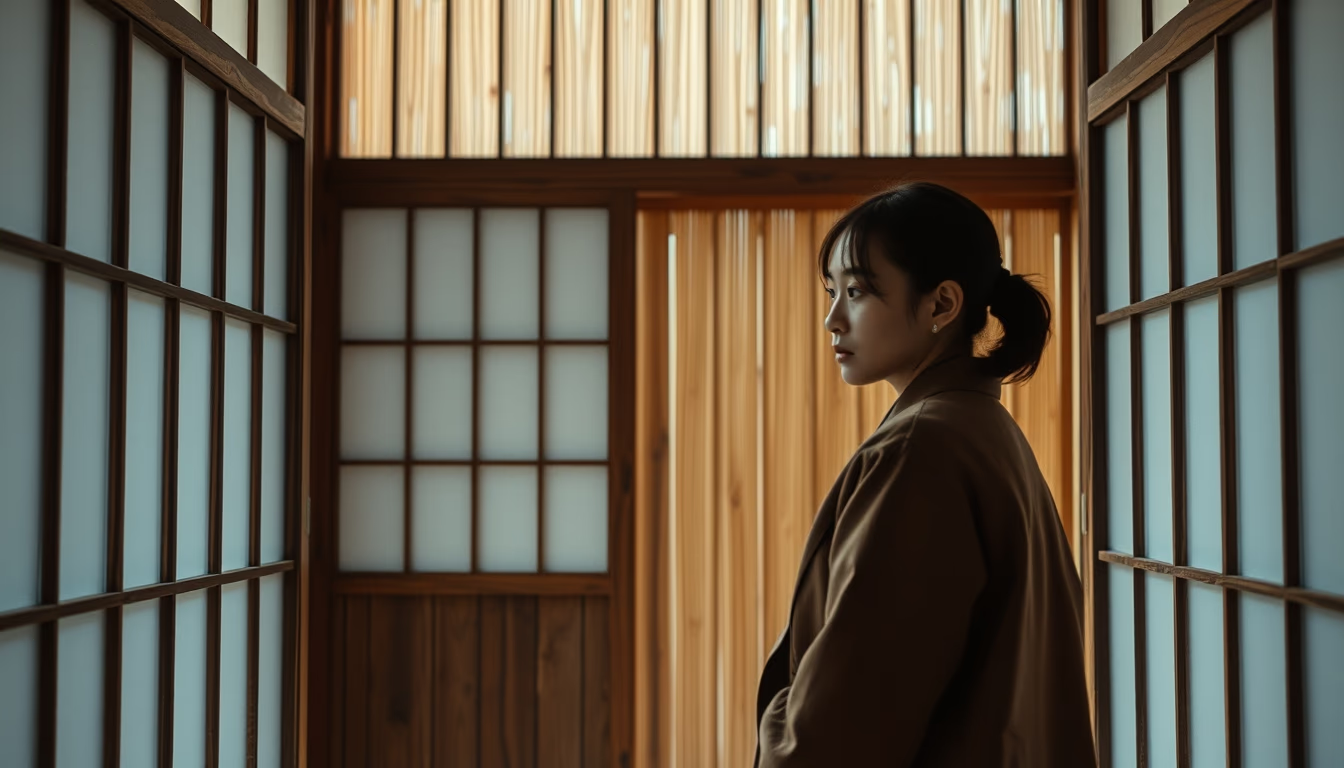
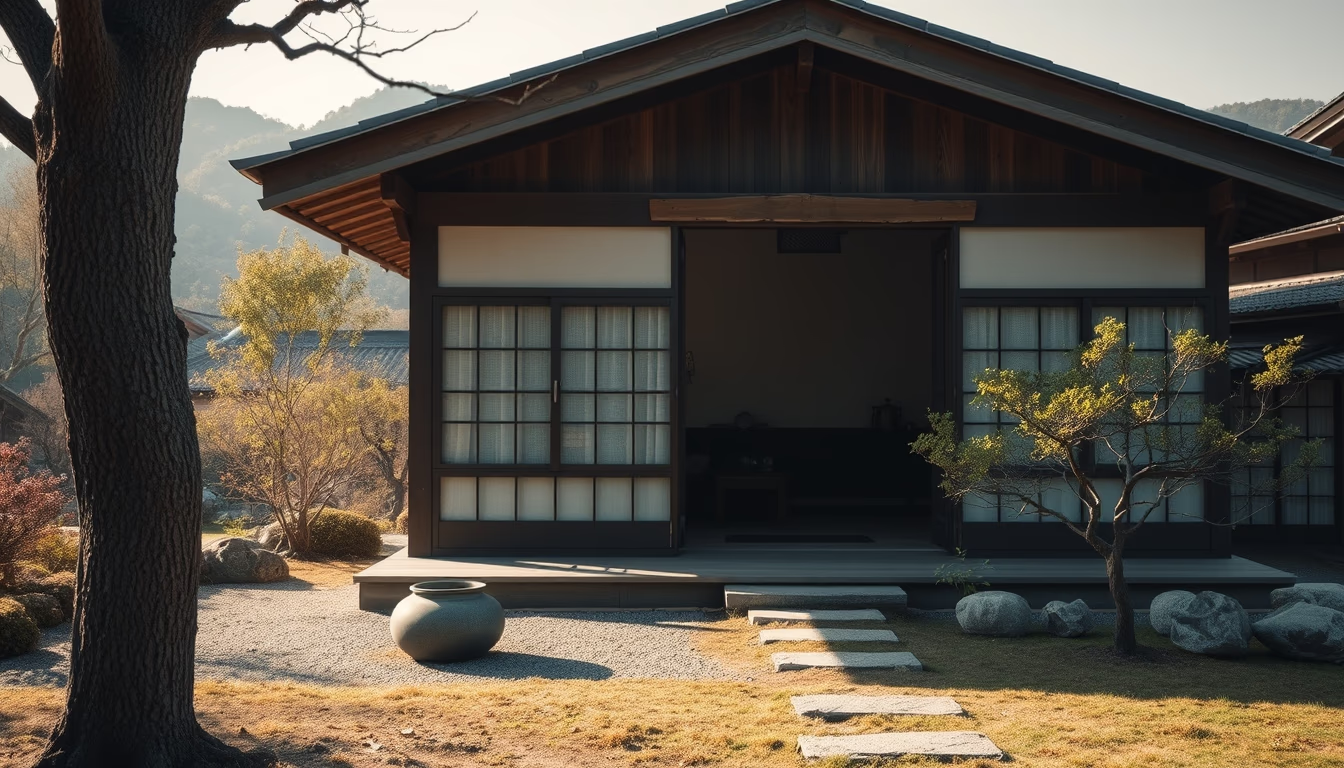
Koan mountain temple, located in the mountains north of Kyoto, Japan, is one of the most revered centers for the study of koans in Zen Buddhism. Founded in the 14th century by master Ryoan Koan, the temple was designed to facilitate deep meditation and questioning. Its rock garden, composed of 15 stones arranged on white gravel, is a classic example of the karesansui style and invites silent contemplation. The wooden structures, with cedar roofs and sliding shoji doors, house meditation halls where monks spend hours solving koans like 'What is the sound of one hand clapping?'
The temple's tradition attracts scholars from around the world. Unlike more touristy temples, Koan mountain temple maintains an austere routine: monks wake at 4 am for zazen, followed by lectures from the abbot and manual labor. The name 'Koan' derives from the founding master but also refers to the central practice. Koans are paradoxes used to break logical thinking, and the temple is famous for its 'Wall of Koans', where hundreds of challenges are inscribed on wooden plaques. Visitors can participate in guided sessions, but silence is mandatory.
Geographically, the temple sits at an altitude of 800 meters, surrounded by bamboo and pine forests. During autumn, momiji leaves dye the slopes red and orange, contrasting with the gray stones. The temple was damaged in the 1923 earthquake but was faithfully rebuilt. Today it is considered a Japanese Cultural Property and attracts not only Buddhists but also architects and artists interested in aesthetic minimalism. One curiosity: the garden is never photographed for commercial publications, respecting an internal rule that preserves each visitor's personal experience.
Frequently Asked Questions
What does koan mean in the context of the temple?
Koan refers to a paradoxical riddle used in Zen Buddhism to transcend logical thinking and induce enlightenment. At the temple, monks and visitors meditate on koans like 'What is the sound of one hand clapping?'.
What is the best time to visit Koan mountain temple?
Autumn (October to November) is spectacular due to the red momiji leaves. Spring (April) has cherry blossoms. In winter, the temple is covered in snow with fewer visitors.
Can I photograph the temple's rock garden?
Generally no. The temple prohibits commercial photography of the garden to preserve the contemplative experience. Discreet personal photos are allowed, but without tripod or flash.
Direct URL
https://pub-c7d6a6ea828543ac903a74a341ccb2e1.r2.dev/imagens/koan-mountain-temple-fine-art-photography-fresh13.avifHow to credit
Include a visible link back to UtilizAí. Copy one of the snippets below:
<a href="https://xn--utiliza-eza.com/en/midia/imagens/koan-mountain-temple-fine-art-photography-fresh13">Koan mountain temple</a> by <a href="https://xn--utiliza-eza.com">UtilizAí</a>, licensed under <a href="https://creativecommons.org/licenses/by/4.0/">CC BY 4.0</a>.
[Koan mountain temple](https://xn--utiliza-eza.com/en/midia/imagens/koan-mountain-temple-fine-art-photography-fresh13) by [UtilizAí](https://xn--utiliza-eza.com), CC BY 4.0
License: CC-BY-4.0