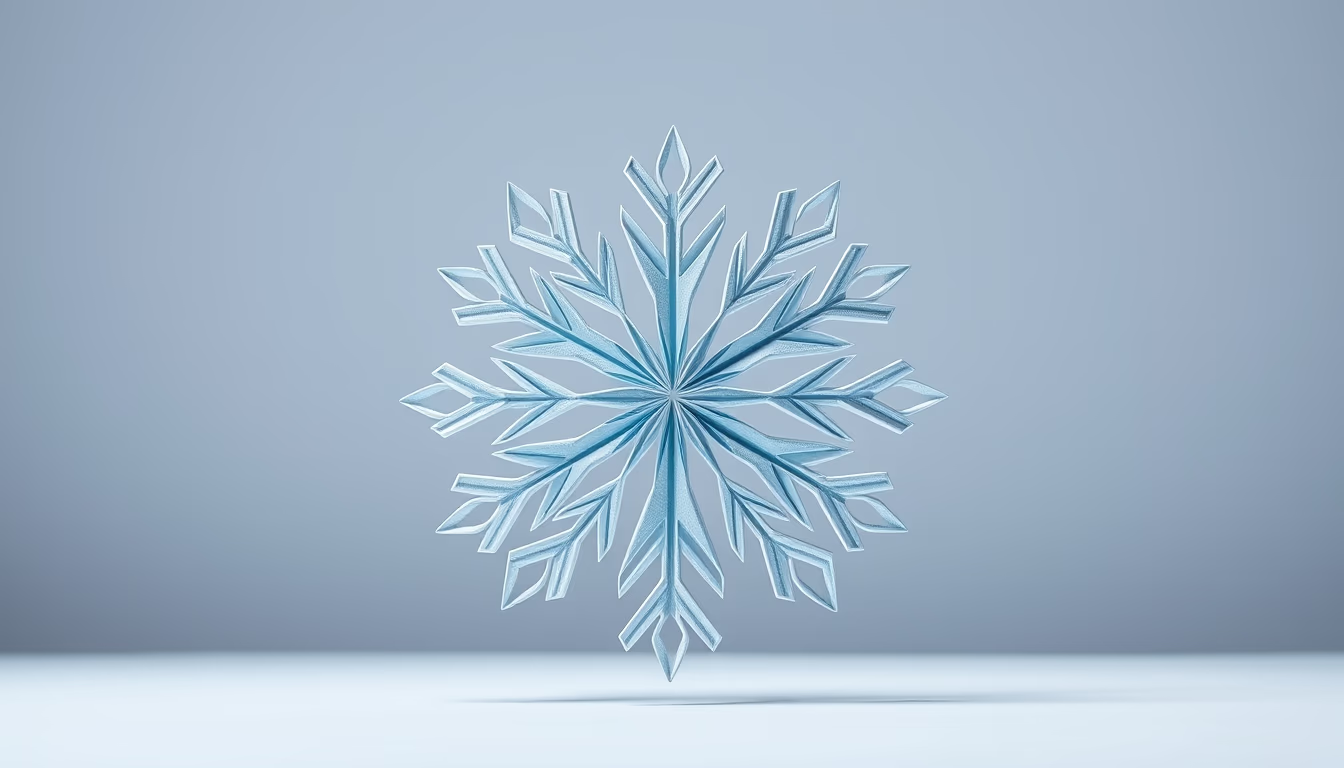
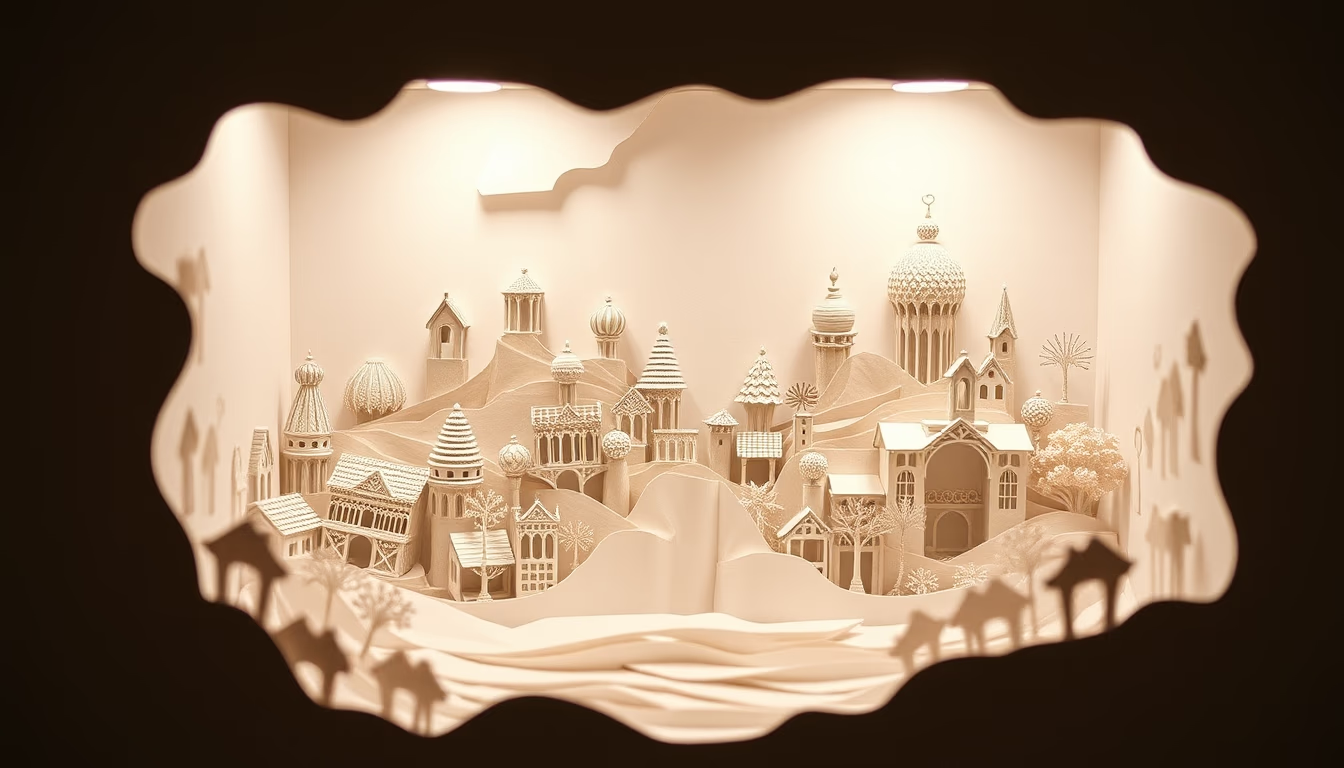
Kirigami snowflake
1344×768 · AVIF · CC BY 4.0
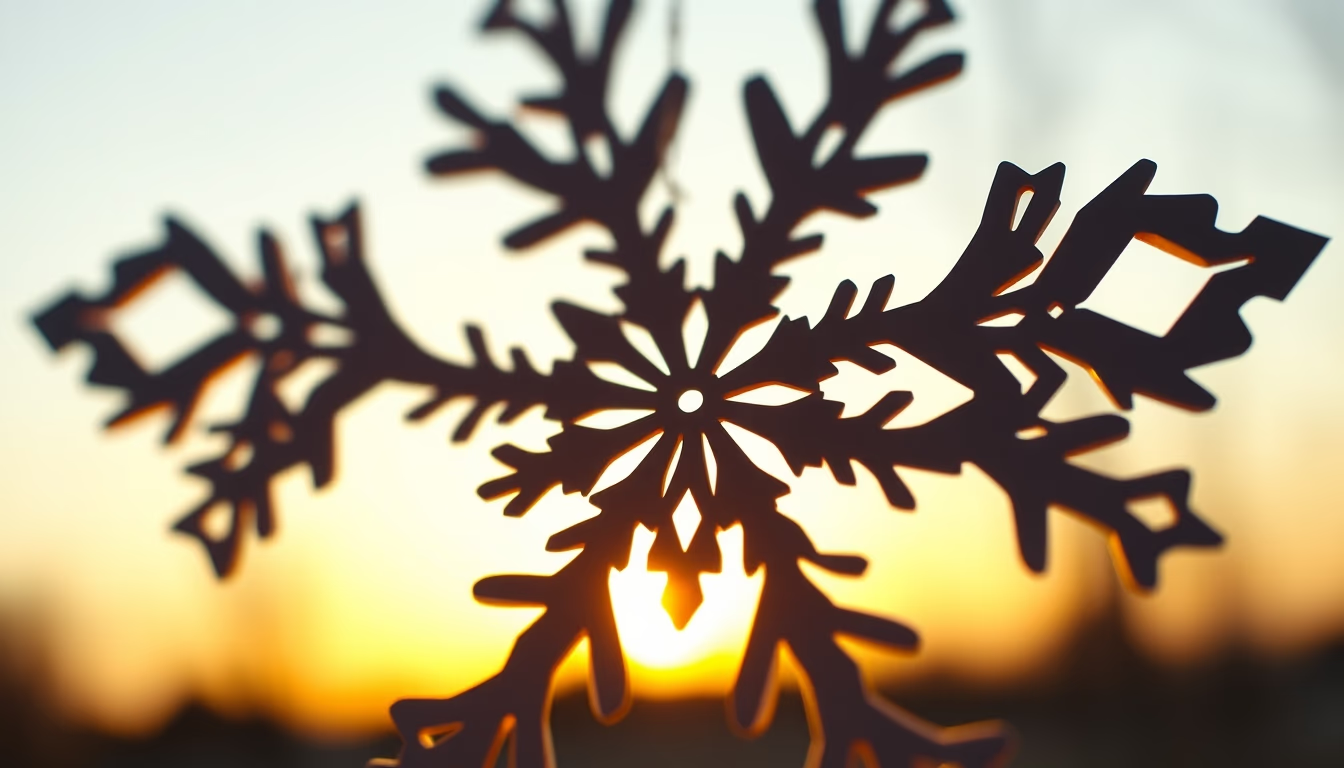
Kirigami snowflakes are a paper art technique combining folding and cutting, originated in Japan, creating symmetrical and delicate patterns inspired by natural geometry.
About this subject
Kirigami is a variation of origami that includes cutting the paper, allowing for more complex and detailed shapes. While traditional origami relies solely on folding, kirigami incorporates scissors or craft knives, enabling intricate designs. The technique gained prominence in feudal Japan, where it was used to decorate temples and religious objects, but only became popular in the West in the 20th century.
Kirigami snowflakes are especially popular during winter and holiday seasons. Inspired by the hexagonal symmetry of real ice crystals, artisans design complex geometric patterns that, when unfolded, reveal unique shapes. Each snowflake is an exercise in precision: a single miscut can ruin the entire structure. The choice of paper is crucial, thin papers like Japanese washi or tissue paper allow for finer cuts.
Culturally, kirigami is linked to the Japanese philosophy of wabi-sabi, which values imperfection and ephemerality. A kirigami snowflake, like real ones, is temporary and fragile. Many contemporary artists use this technique for art installations, wedding invitations, and window displays. In Brazil, kirigami has gained traction in craft workshops and art schools, especially during Christmas.
Interestingly, the mathematics of real snowflakes, with their six-fold radial symmetry, has inspired cutting algorithms in kirigami. Studies show that repeating hexagonal patterns maximizes the structural stability of the final piece, a principle also used in materials engineering. Therefore, the kirigami snowflake is not just art but also an educational tool for teaching geometry and patience.
Frequently Asked Questions
What is the difference between origami and kirigami?
Origami only allows folding, while kirigami permits cutting the paper as well, enabling more open and detailed shapes like snowflakes.
What type of paper is best for kirigami snowflakes?
Thin yet sturdy papers, such as Japanese washi, tissue paper, or good-quality origami paper, allow precise cuts and prevent tearing.
Does the kirigami snowflake have symbolic meaning?
Yes, it symbolizes ephemerality and natural beauty, reflecting the wabi-sabi philosophy that appreciates imperfection and transience.
Direct URL
https://pub-c7d6a6ea828543ac903a74a341ccb2e1.r2.dev/imagens/kirigami-snowflake-cinematic-wide-shot-fresh5.avifHow to credit
Include a visible link back to UtilizAí. Copy one of the snippets below:
<a href="https://xn--utiliza-eza.com/en/midia/imagens/kirigami-snowflake-cinematic-wide-shot-fresh5">Kirigami snowflake</a> by <a href="https://xn--utiliza-eza.com">UtilizAí</a>, licensed under <a href="https://creativecommons.org/licenses/by/4.0/">CC BY 4.0</a>.
[Kirigami snowflake](https://xn--utiliza-eza.com/en/midia/imagens/kirigami-snowflake-cinematic-wide-shot-fresh5) by [UtilizAí](https://xn--utiliza-eza.com), CC BY 4.0
License: CC-BY-4.0