Kiln pottery firing
1344×768 · AVIF · CC BY 4.0
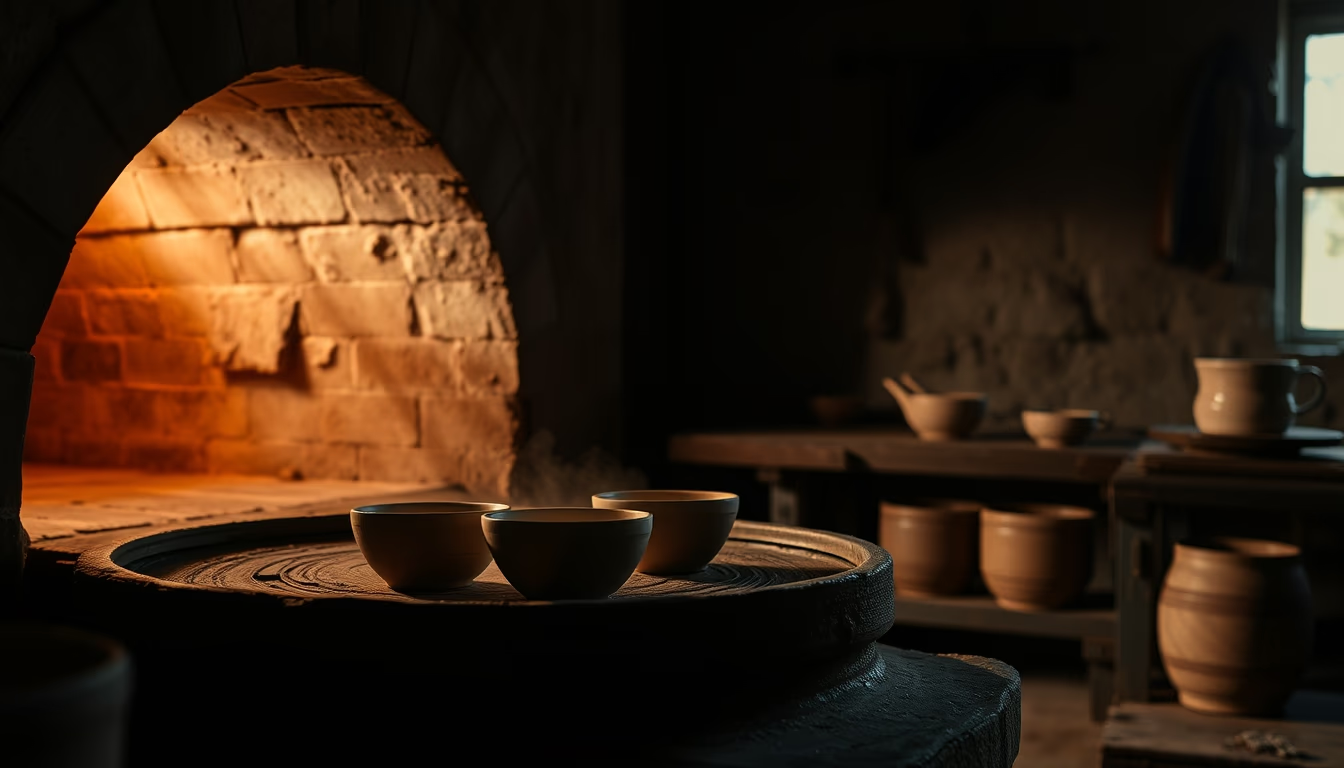
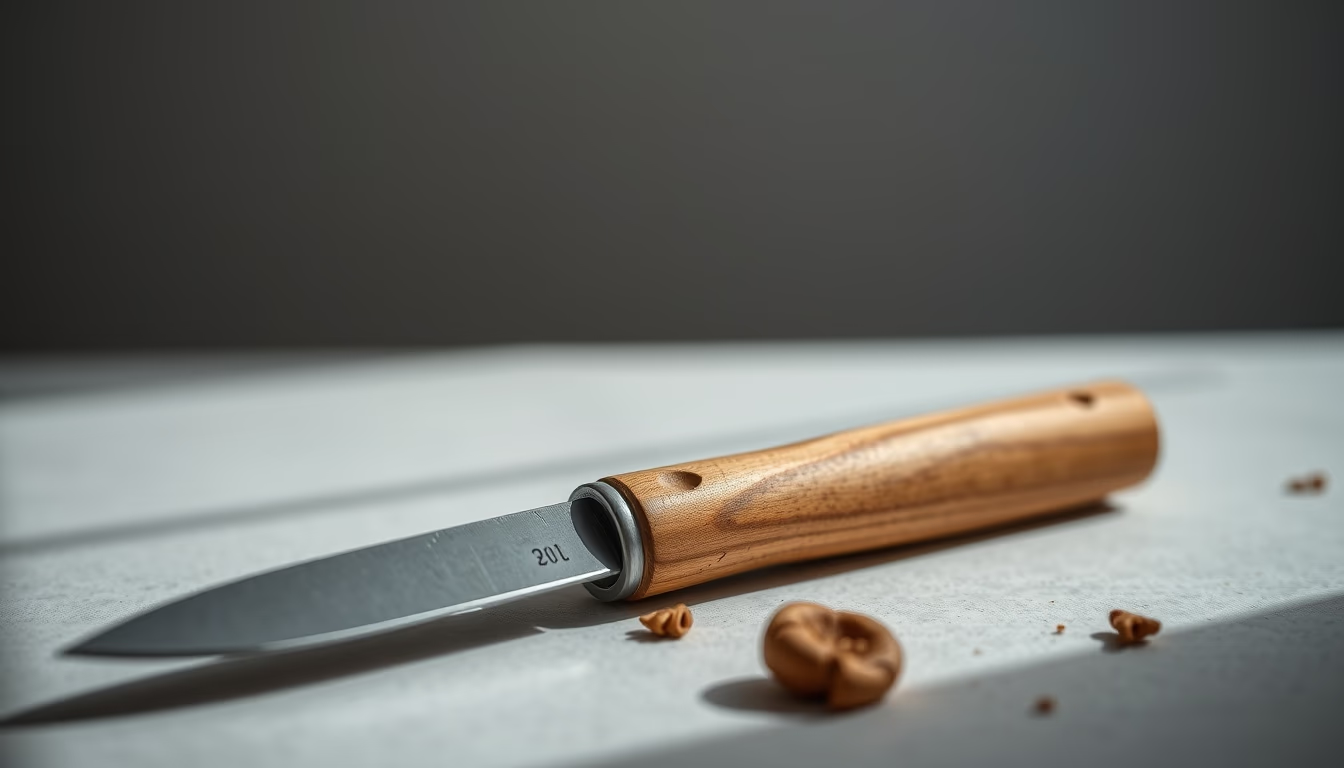
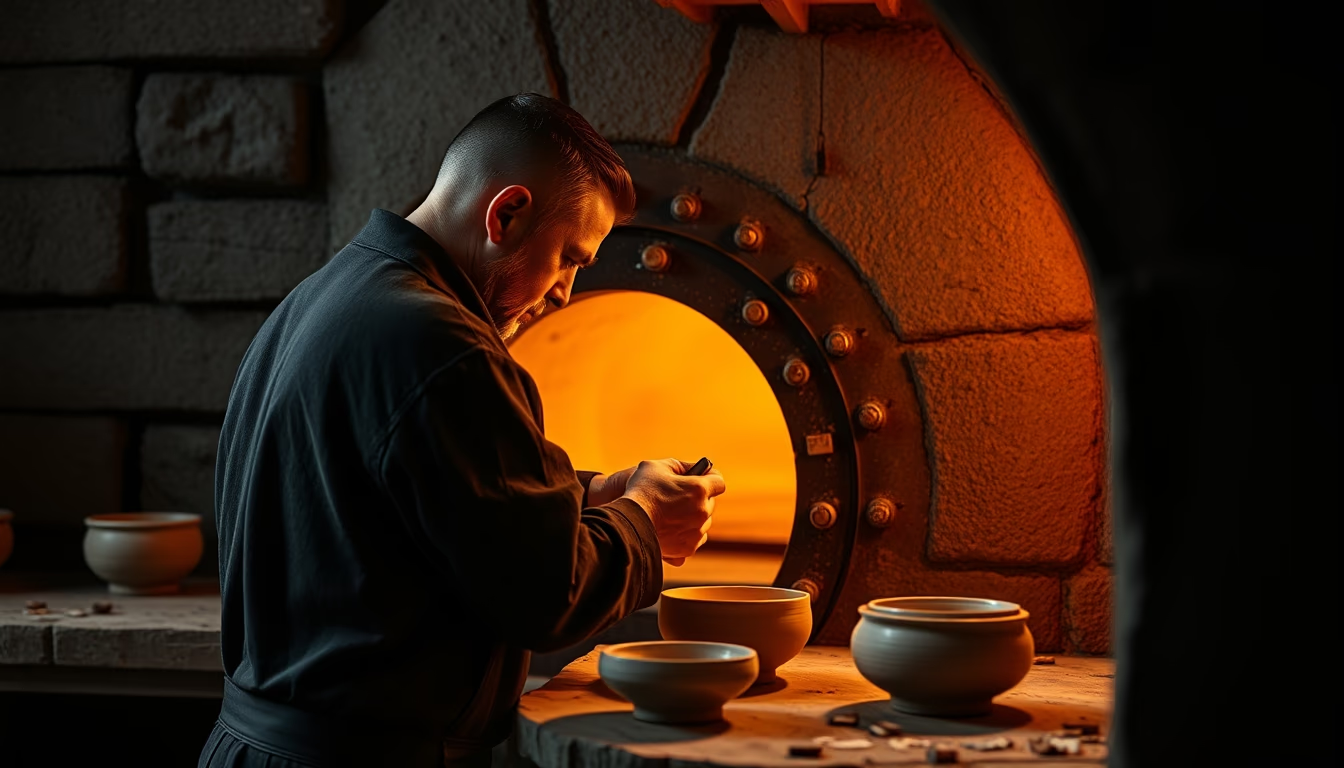
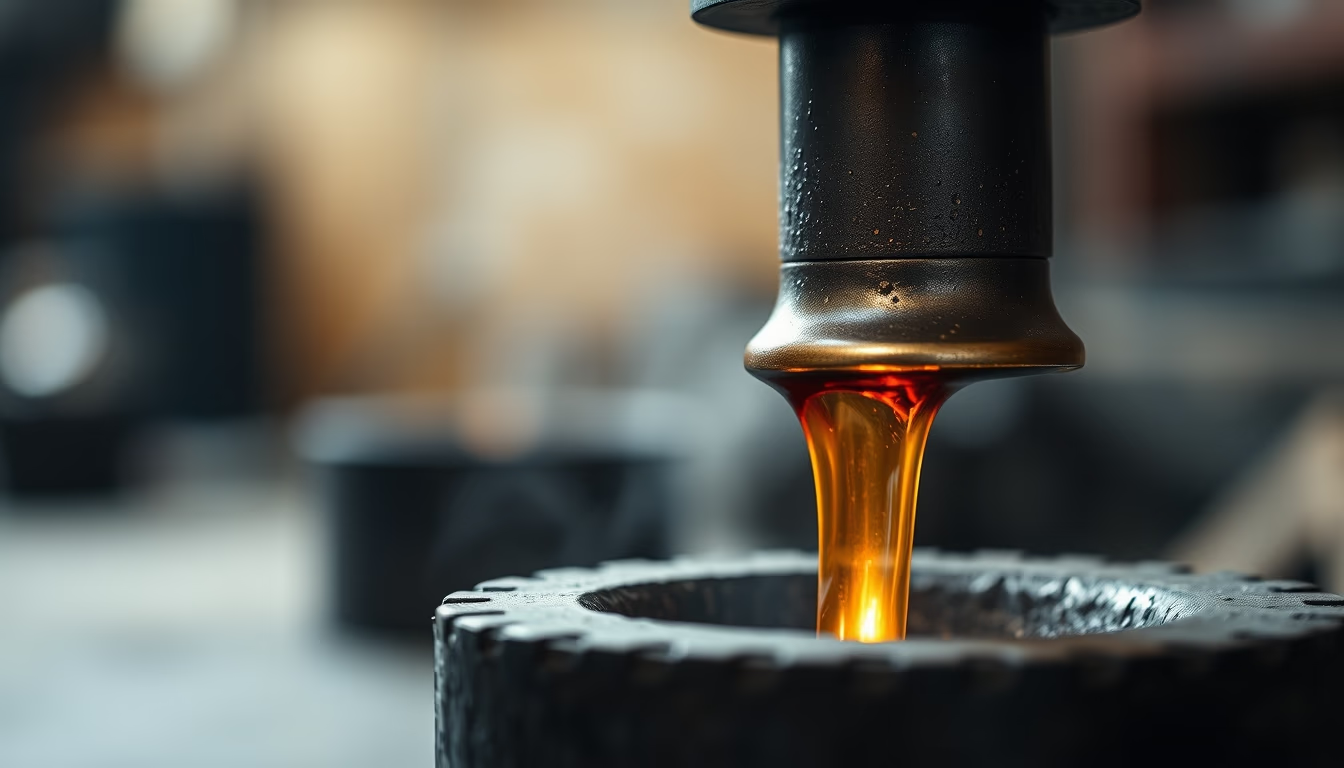
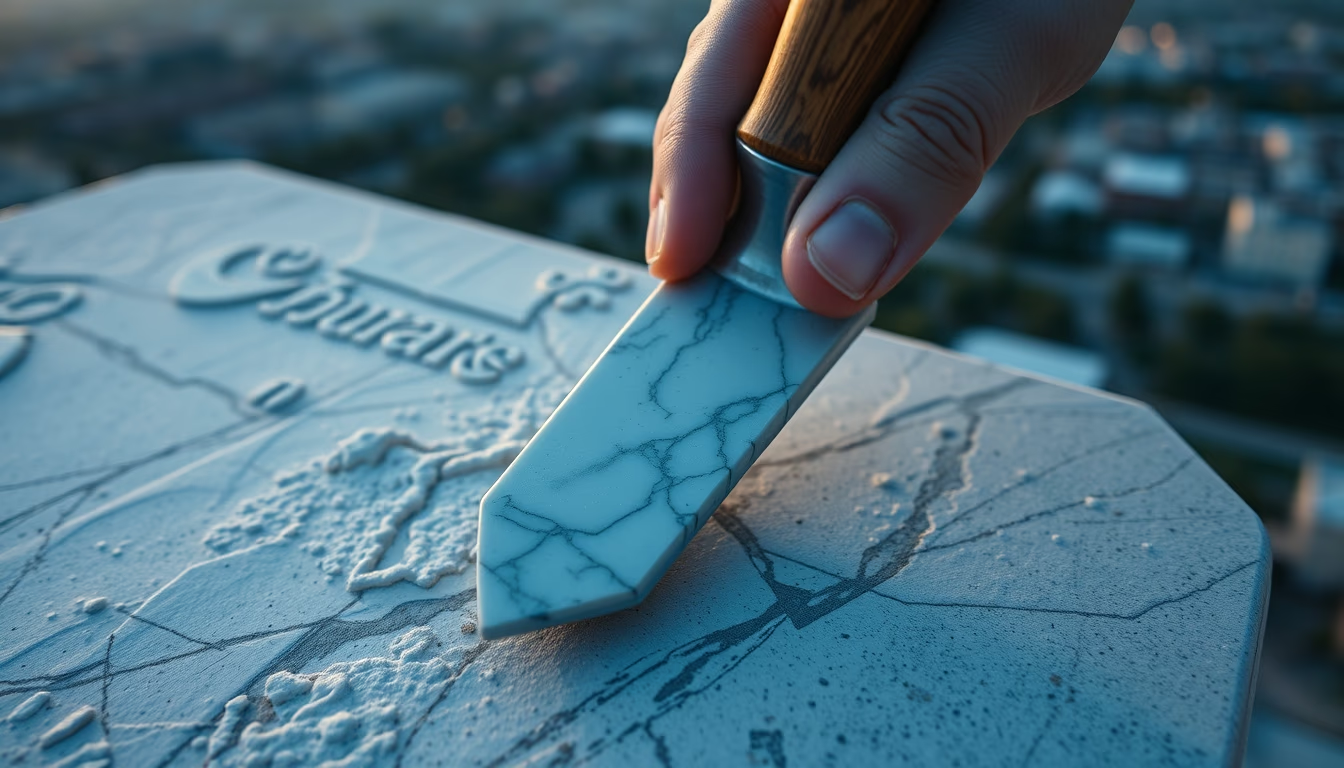
The process of firing pottery in a kiln, essential for transforming clay into durable pieces, involves high temperatures and ancient techniques.
About this subject
Firing pottery in a kiln is a crucial step in ceramic production, transforming plastic clay into a hard, impermeable ceramic body. Different types of kilns exist, including electric, gas, and traditional wood-fired ones. Firing temperature varies by clay type and glaze, reaching over 1300°C for stoneware and porcelain.
Historically, the earliest pottery kilns date back about 29,000 years, found in the Moravian region of the Czech Republic, where fired clay figurines were discovered. Ancient civilizations such as the Chinese, Greek, and Roman developed sophisticated kilns that allowed precise control of temperature and firing atmosphere, enabling creations like Chinese porcelain and Greek red-figure pottery.
In Brazil, ceramics are an important part of indigenous and folk culture. Techniques like firing in rustic clay kilns are used by artisan communities in regions such as the Jequitinhonha Valley in Minas Gerais and the Northeast. Additionally, modern industrial kilns employ computerized control systems to ensure uniformity and energy efficiency.
The kiln atmosphere can be oxidizing (excess oxygen) or reducing (oxygen deficiency), directly influencing the color and finish of glazes. For example, in reduction firing, iron oxide can turn into metallic iron, producing green or grayish tones. Techniques like raku firing, originating from Japan, involve removing the piece from the kiln while still glowing to create crackle and smoke effects.
Frequently Asked Questions
What is the ideal temperature for firing pottery?
The ideal temperature varies by clay and glaze type. Low-fire clays (earthenware) fire between 900°C and 1100°C, while stoneware and porcelain require 1200°C to 1300°C or higher.
How long does it take to fire ceramic pieces?
A firing cycle can take from a few hours to over a day, depending on the kiln type, piece size, and target temperature. It includes gradual heating, a soaking period, and controlled cooling.
What is bisque firing?
Bisque firing is the first firing of raw clay pieces before glaze application. It typically occurs between 900°C and 1000°C, making the piece porous and ready to accept glaze.
Direct URL
https://pub-c7d6a6ea828543ac903a74a341ccb2e1.r2.dev/imagens/kiln-pottery-firing-rembrandt-lighting-dramatic-shadows-fresh11.avifHow to credit
Include a visible link back to UtilizAí. Copy one of the snippets below:
<a href="https://xn--utiliza-eza.com/en/midia/imagens/kiln-pottery-firing-rembrandt-lighting-dramatic-shadows-fresh11">Kiln pottery firing</a> by <a href="https://xn--utiliza-eza.com">UtilizAí</a>, licensed under <a href="https://creativecommons.org/licenses/by/4.0/">CC BY 4.0</a>.
[Kiln pottery firing](https://xn--utiliza-eza.com/en/midia/imagens/kiln-pottery-firing-rembrandt-lighting-dramatic-shadows-fresh11) by [UtilizAí](https://xn--utiliza-eza.com), CC BY 4.0
License: CC-BY-4.0