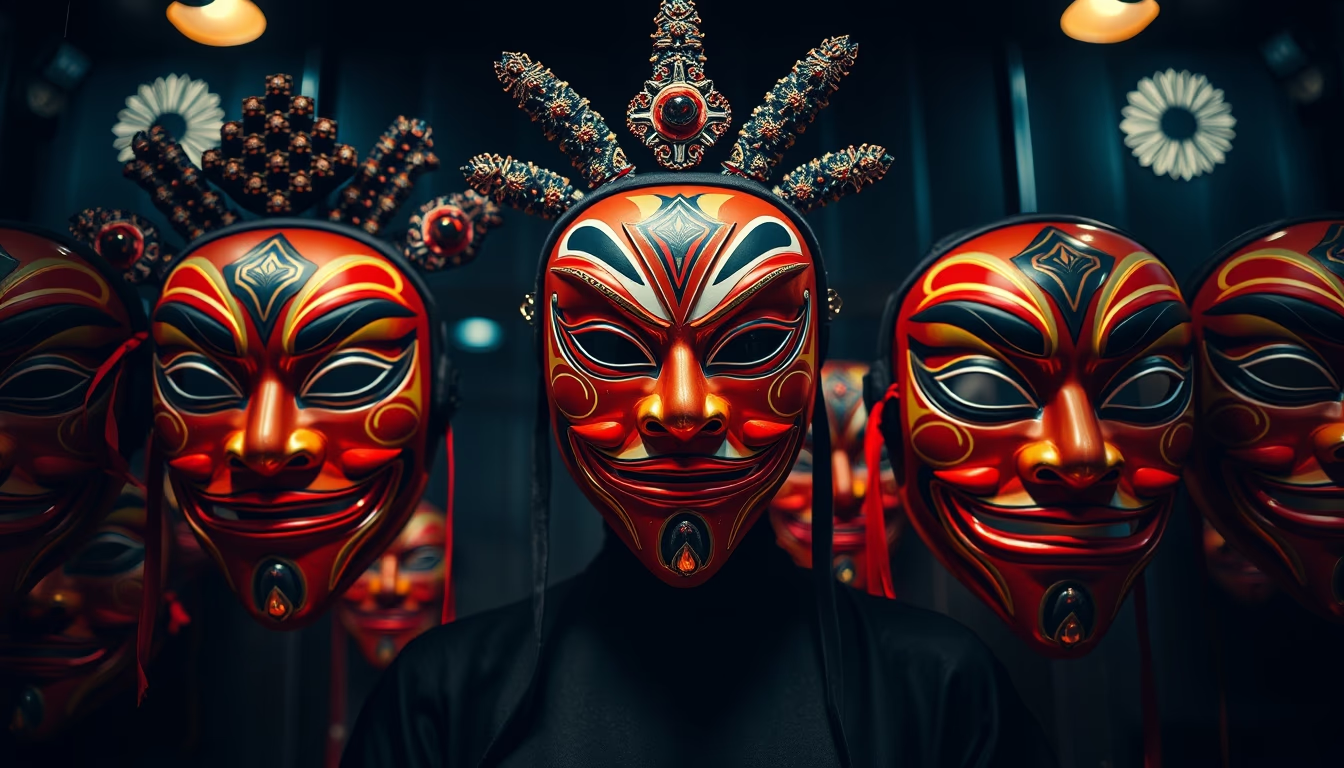
Kabuki stage japanese
1344×768 · AVIF · CC BY 4.0
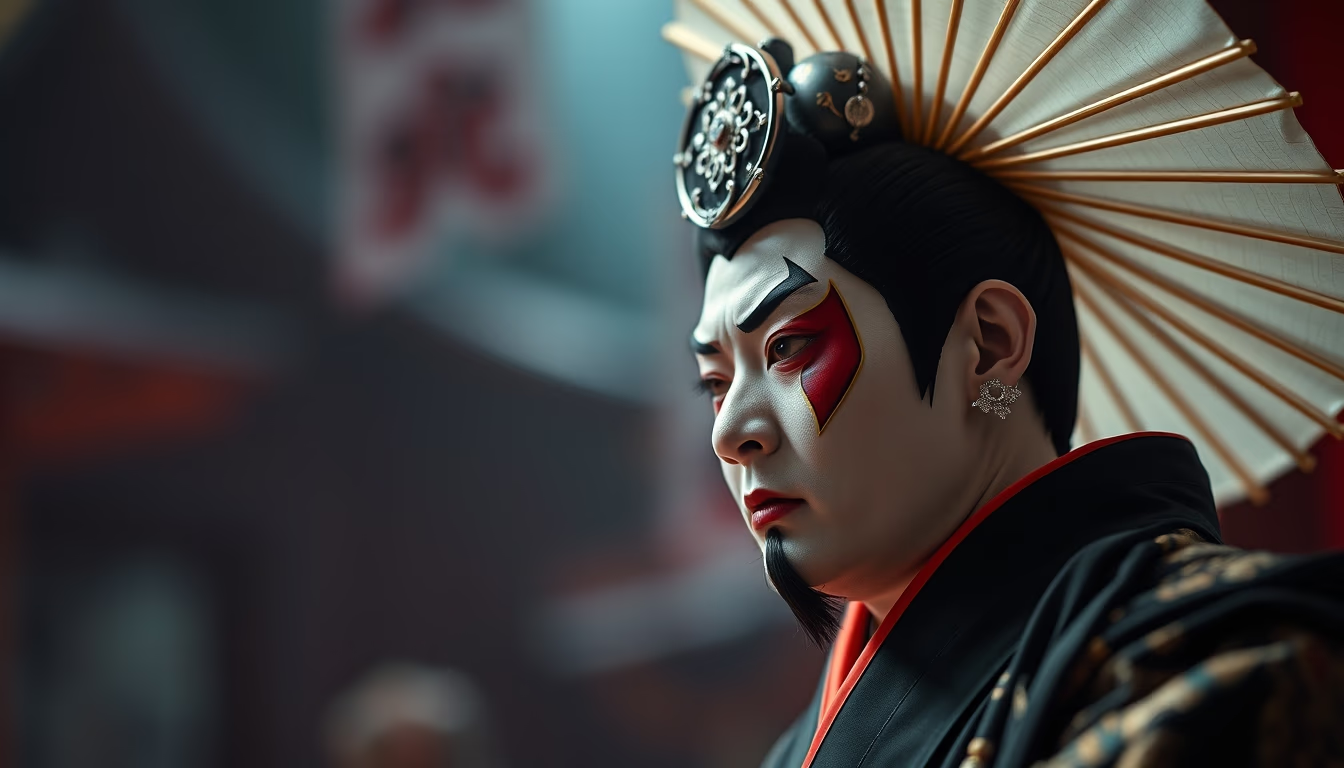
The Kabuki stage is a masterpiece of Japanese theatrical engineering, featuring elements like the hanamichi runway and kagami-ita roof, turning performances into unique visual experiences.
About this subject
Kabuki is a form of Japanese theater that originated in the early Edo period, around 1603, when Izumo no Okuni, a Shinto priestess, began performing dramatic dances in dry riverbeds in Kyoto. The style quickly evolved into a highly stylized spectacle, known for its elaborate costumes, white oshiroi makeup, and striking wigs. The Kabuki stage is an essential part of the performance, designed to maximize visual and dramatic impact.
One of the most recognizable elements is the hanamichi, a runway that extends from the side of the main stage to the back of the audience. It is used for dramatic entrances and exits, bringing the actors closer to the audience. Another important component is the kagami-ita, a decorative wooden panel that covers the front of the stage and often features intricate carvings or paintings of pine trees, lions, or other traditional motifs. The stage also has a system of trapdoors (seri) and revolving platforms (mawari butai) that allow for quick scene changes and surprising appearances.
Kabuki was declared an Intangible Cultural Heritage by UNESCO in 2005, recognizing its importance as a living art form. Traditional Kabuki theaters, such as the Kabukiza in Tokyo and the Minamiza in Kyoto, maintain these architectural features while incorporating modern technology for sound and lighting. The attention to detail on the stage reflects the Japanese aesthetics of ma (negative space) and mono no aware (the pathos of things), creating an atmosphere that transports the viewer into the world of legends and historical dramas.
Beyond the physical structure, the Kabuki stage is a ritualistic space. The colors and symbols used in the decoration have specific meanings: red represents heroism and passion, black symbolizes villainy or the supernatural, and blue is associated with calm or sad emotions. The interaction between actors and the stage is meticulously choreographed, with movements following traditional patterns called kata. Kabuki continues to influence contemporary theater and global pop culture, studied by artists and directors worldwide.
Frequently Asked Questions
What is the hanamichi in Kabuki theater?
The hanamichi is a runway that extends from the main stage to the back of the audience, used for dramatic entrances and exits. It brings actors closer to the audience and is an iconic element of Kabuki.
Why is Kabuki culturally important in Japan?
Kabuki is one of Japan's most important traditional theater forms, recognized by UNESCO as Intangible Cultural Heritage in 2005. It preserves stories, acting styles, and stage techniques that continue to influence Japanese culture today.
How does the Kabuki stage contribute to storytelling?
The Kabuki stage is designed to maximize dramatic impact, with elements like trapdoors (seri) and revolving platforms (mawari butai) allowing quick scene changes. The decoration and colors also carry symbolism, reinforcing the emotions and themes of the play.
Direct URL
https://pub-c7d6a6ea828543ac903a74a341ccb2e1.r2.dev/imagens/kabuki-stage-japanese-macro-closeup-fresh7.avifHow to credit
Include a visible link back to UtilizAí. Copy one of the snippets below:
<a href="https://xn--utiliza-eza.com/en/midia/imagens/kabuki-stage-japanese-macro-closeup-fresh7">Kabuki stage japanese</a> by <a href="https://xn--utiliza-eza.com">UtilizAí</a>, licensed under <a href="https://creativecommons.org/licenses/by/4.0/">CC BY 4.0</a>.
[Kabuki stage japanese](https://xn--utiliza-eza.com/en/midia/imagens/kabuki-stage-japanese-macro-closeup-fresh7) by [UtilizAí](https://xn--utiliza-eza.com), CC BY 4.0
License: CC-BY-4.0