Iot sensor industrial
1344×768 · AVIF · CC BY 4.0
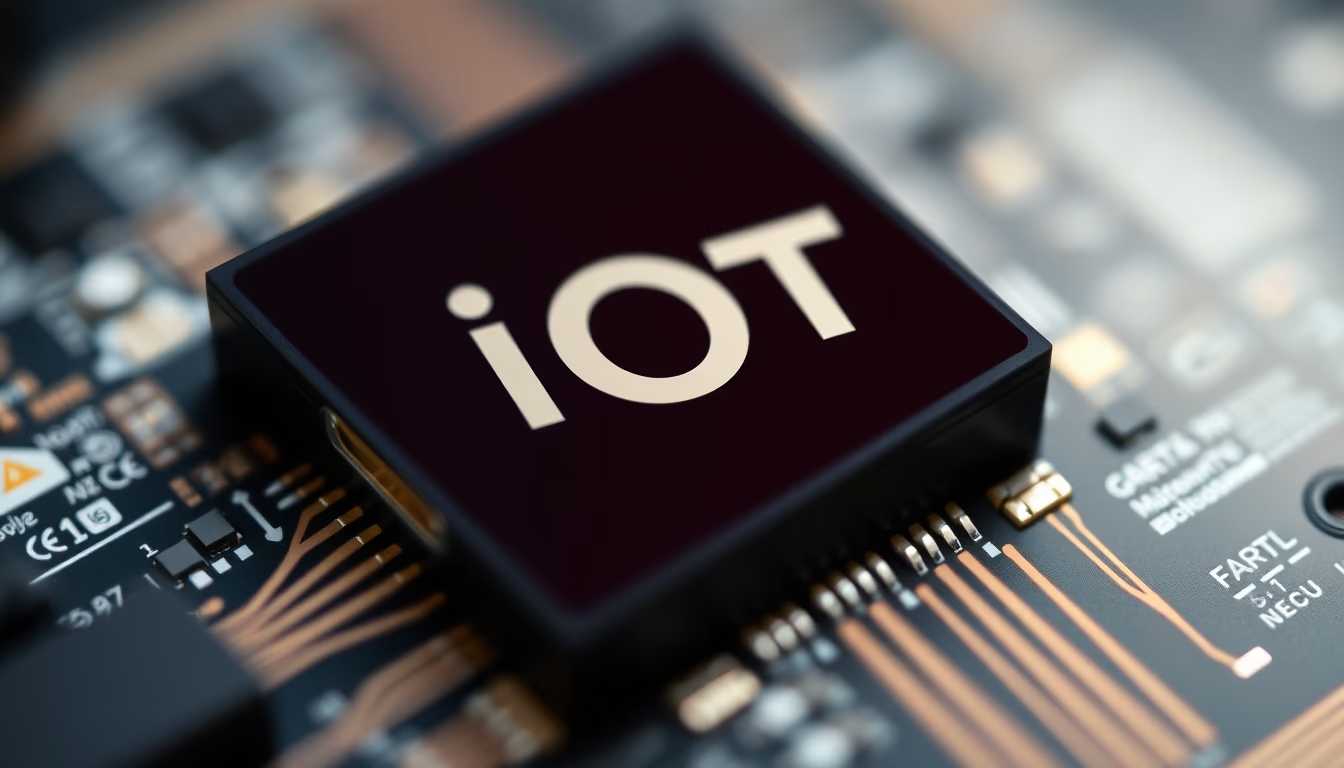
Sensores IoT industriais são dispositivos conectados que monitoram máquinas, temperatura e vibração em fábricas, viabilizando a manutenção preditiva e a Indústria 4.0.
Sobre o tema
Os sensores IoT industriais formam a espinha dorsal da chamada Indústria 4.0. Esses dispositivos, que incluem medidores de temperatura, pressão, vibração, umidade e fluxo, capturam dados em tempo real de máquinas e processos produtivos. Conectados por protocolos como MQTT, LoRaWAN ou redes 5G privadas, eles transmitem informações para plataformas de análise na nuvem ou em borda (edge computing). A partir desses dados, algoritmos de inteligência artificial identificam padrões de desgaste, preveem falhas e otimizam o consumo de energia, reduzindo paradas não programadas em até 30%.
O mercado global de sensores IoT industriais deve ultrapassar US$ 40 bilhões até 2026, impulsionado pela digitalização de fábricas, armazéns e infraestruturas críticas. Setores como automotivo, petroquímico e de alimentos e bebidas lideram a adoção. Sensores sem fio e de baixo consumo energético permitem instalação em locais de difícil acesso, como dutos e silos, sem necessidade de cabeamento extenso. A segurança cibernética desses dispositivos tornou-se prioridade, com a implementação de criptografia de ponta a ponta e autenticação por hardware.
Curiosidade: alguns sensores industriais modernos são capazes de realizar processamento local, filtrando ruídos e enviando apenas alertas relevantes, o que reduz congestionamento de rede e consumo de bateria. A tendência para 2026 inclui a integração com gêmeos digitais (digital twins), onde cada sensor alimenta uma réplica virtual da fábrica, permitindo simulações em tempo real.
Em termos de sustentabilidade, sensores IoT ajudam a monitorar emissões de CO₂, consumo hídrico e eficiência energética, alinhando a produção industrial às metas ESG. A proliferação desses dispositivos exige padronização de protocolos e maior cooperação entre fabricantes para garantir interoperabilidade.
Perguntas frequentes
Quais são os principais tipos de sensores IoT usados na indústria?
Os mais comuns incluem sensores de temperatura, pressão, vibração, umidade, fluxo, presença e consumo de energia. Cada tipo coleta dados específicos para monitoramento de máquinas, processos e condições ambientais.
Como os sensores IoT industriais ajudam na manutenção preditiva?
Ao monitorar continuamente variáveis como vibração e temperatura, os sensores detectam anomalias que indicam desgaste ou falha iminente. Algoritmos de IA analisam esses dados e geram alertas antes que ocorra uma quebra, permitindo intervenções programadas.
Qual é a expectativa de crescimento do mercado de sensores IoT industriais até 2026?
O mercado deve ultrapassar US$ 40 bilhões, impulsionado pela Indústria 4.0, aumento da automação e necessidade de eficiência energética. Setores como automotivo, petroquímico e de alimentos lideram a adoção.
URL direta
https://pub-c7d6a6ea828543ac903a74a341ccb2e1.r2.dev/imagens/iot-sensor-industrial-macro-closeup-p2.avifComo creditar
Inclua um link visível de volta pro UtilizAí. Copie um dos snippets abaixo:
<a href="https://xn--utiliza-eza.com/midia/imagens/iot-sensor-industrial-macro-closeup-p2">Iot sensor industrial</a> by <a href="https://xn--utiliza-eza.com">UtilizAí</a>, licensed under <a href="https://creativecommons.org/licenses/by/4.0/">CC BY 4.0</a>.
[Iot sensor industrial](https://xn--utiliza-eza.com/midia/imagens/iot-sensor-industrial-macro-closeup-p2) by [UtilizAí](https://xn--utiliza-eza.com), CC BY 4.0
Licença: CC-BY-4.0