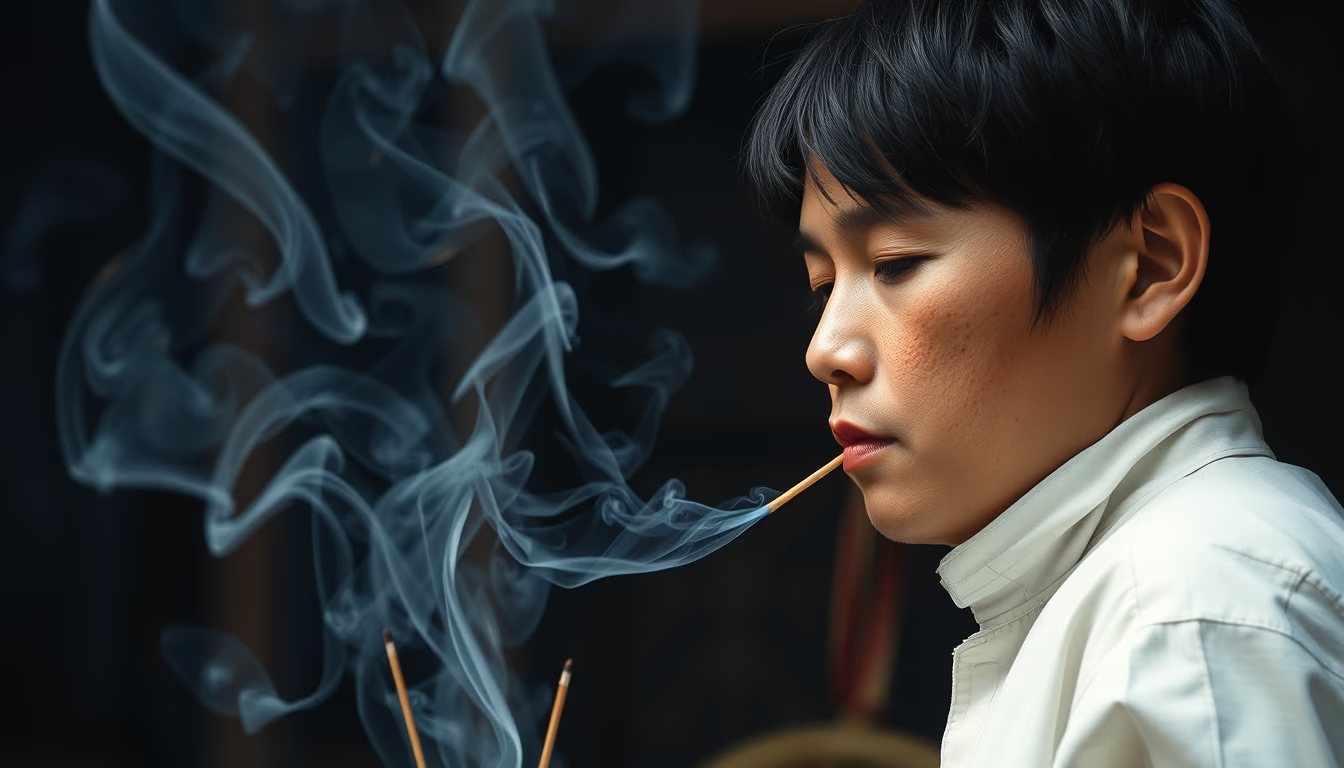
Incense sticks burning
1344×768 · AVIF · CC BY 4.0
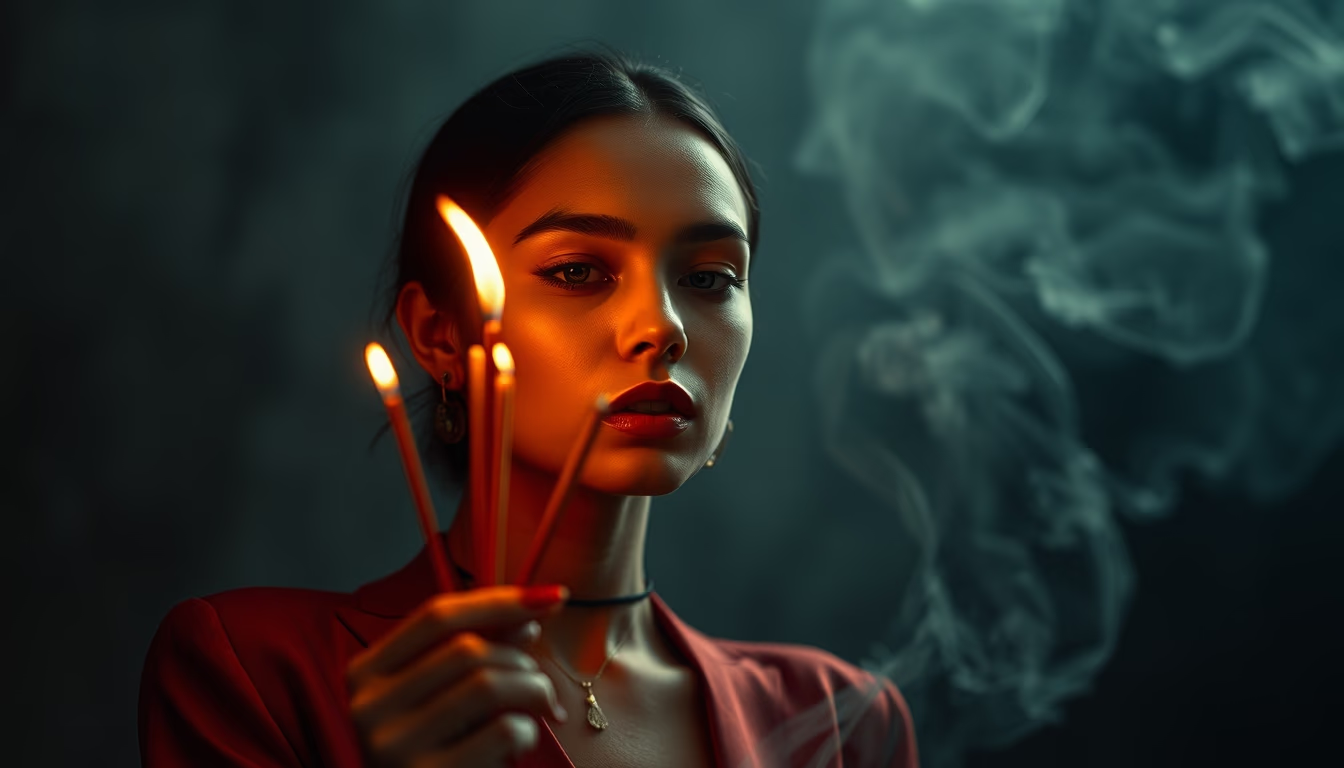
Incensos são produtos aromáticos queimados para perfumar ambientes, usados em rituais religiosos e práticas de meditação em diversas culturas globais.
Sobre o tema
Incensos são feitos de materiais aromáticos como resinas, madeiras, ervas e óleos essenciais, combinados com um material combustível (geralmente carvão ou madeira em pó) e um aglutinante. A mistura é moldada em forma de bastão, cone ou espiral e seca. A origem dos incensos remonta a civilizações antigas: no Egito, eram queimados em cerimônias religiosas; na Índia, o uso é documentado há mais de 5.000 anos nos Vedas. O incenso chegou ao Ocidente através das rotas comerciais, como a Rota da Seda, e tornou-se popular em igrejas católicas e ortodoxas.
Globalmente, o maior produtor de incensos é a Índia, responsável por cerca de 80% da produção mundial, com destaque para a região de Mysore e Bangalore. O estado indiano de Karnataka é conhecido pelo sândalo, ingrediente nobre. Outros grandes produtores incluem China, Japão e Nepal. No Japão, o incense (kōh) é central na cerimônia do incenso (kōdō), uma arte refinada. O comércio global de incensos movimenta bilhões de dólares anualmente, com crescente demanda por produtos naturais e artesanais.
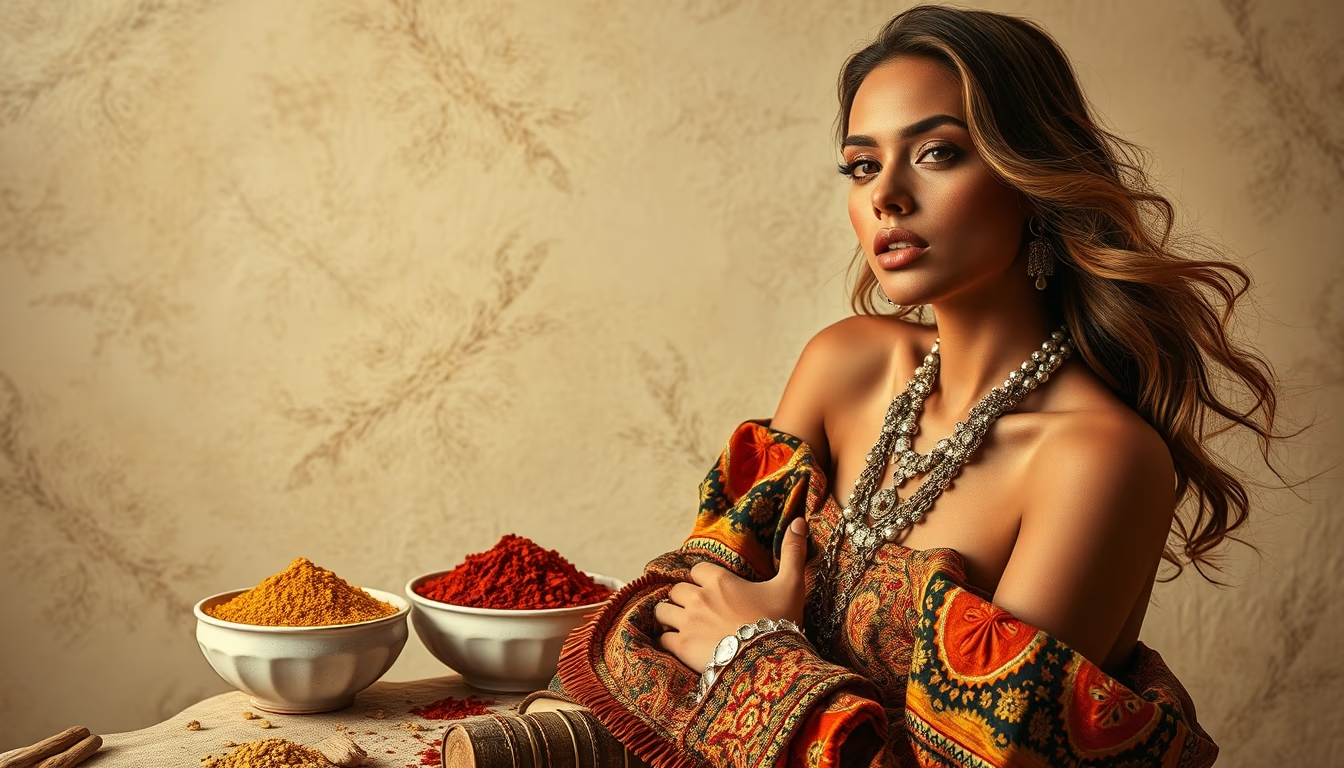
Os incensos têm forte apelo na moda e no design editorial. Em ensaios de alta-costura, a fumaça etérea dos incensos é usada para criar atmosferas místicas, contrastando com tecidos luxuosos e iluminação dramática. Essa estética remete ao orientalismo e à busca por espiritualidade no consumo contemporâneo. Além disso, incensos são associados a práticas de bem-estar, como yoga e mindfulness, o que amplia seu mercado em lojas de decoração e lifestyle.
Curiosidade: a palavra "incenso" vem do latim "incendere", que significa "queimar". A goma olíbano (Boswellia) e a mirra (Commiphora) são resinas bíblicas tradicionais. Hoje, existem incensos sem fumaça (usando difusores elétricos) e versões veganas que evitam ingredientes de origem animal, como o almíscar sintético.
Perguntas frequentes
Qual a diferença entre incenso de bastão, cone e espiral?
O formato influencia a duração e a intensidade da queima. Bastões queimam por 30 a 60 minutos. Cones queimam mais rápido (15 a 30 minutos) e produzem mais fumaça. Espirais podem queimar por horas, sendo usadas em templos e meditações prolongadas.
Incenso faz mal à saúde?
A fumaça do incenso contém partículas finas e compostos orgânicos voláteis que, em ambientes fechados e sem ventilação, podem irritar vias respiratórias. Para uso seguro, prefira incensos naturais sem fragrâncias sintéticas e queime em local arejado.
Quais são os incensos mais tradicionais do Brasil?
No Brasil, destaca-se o incenso de breu (resina de pinheiro) usado em terreiros de candomblé e umbanda. Outros populares são os de sândalo, lavanda e rosa, vendidos em lojas esotéricas e de artigos religiosos.
URL direta
https://pub-c7d6a6ea828543ac903a74a341ccb2e1.r2.dev/imagens/incense-sticks-burning-high-fashion-editorial-fresh15.avifComo creditar
Inclua um link visível de volta pro UtilizAí. Copie um dos snippets abaixo:
<a href="https://xn--utiliza-eza.com/midia/imagens/incense-sticks-burning-high-fashion-editorial-fresh15">Incense sticks burning</a> by <a href="https://xn--utiliza-eza.com">UtilizAí</a>, licensed under <a href="https://creativecommons.org/licenses/by/4.0/">CC BY 4.0</a>.
[Incense sticks burning](https://xn--utiliza-eza.com/midia/imagens/incense-sticks-burning-high-fashion-editorial-fresh15) by [UtilizAí](https://xn--utiliza-eza.com), CC BY 4.0
Licença: CC-BY-4.0