Honey jar artisan label
1344×768 · AVIF · CC BY 4.0
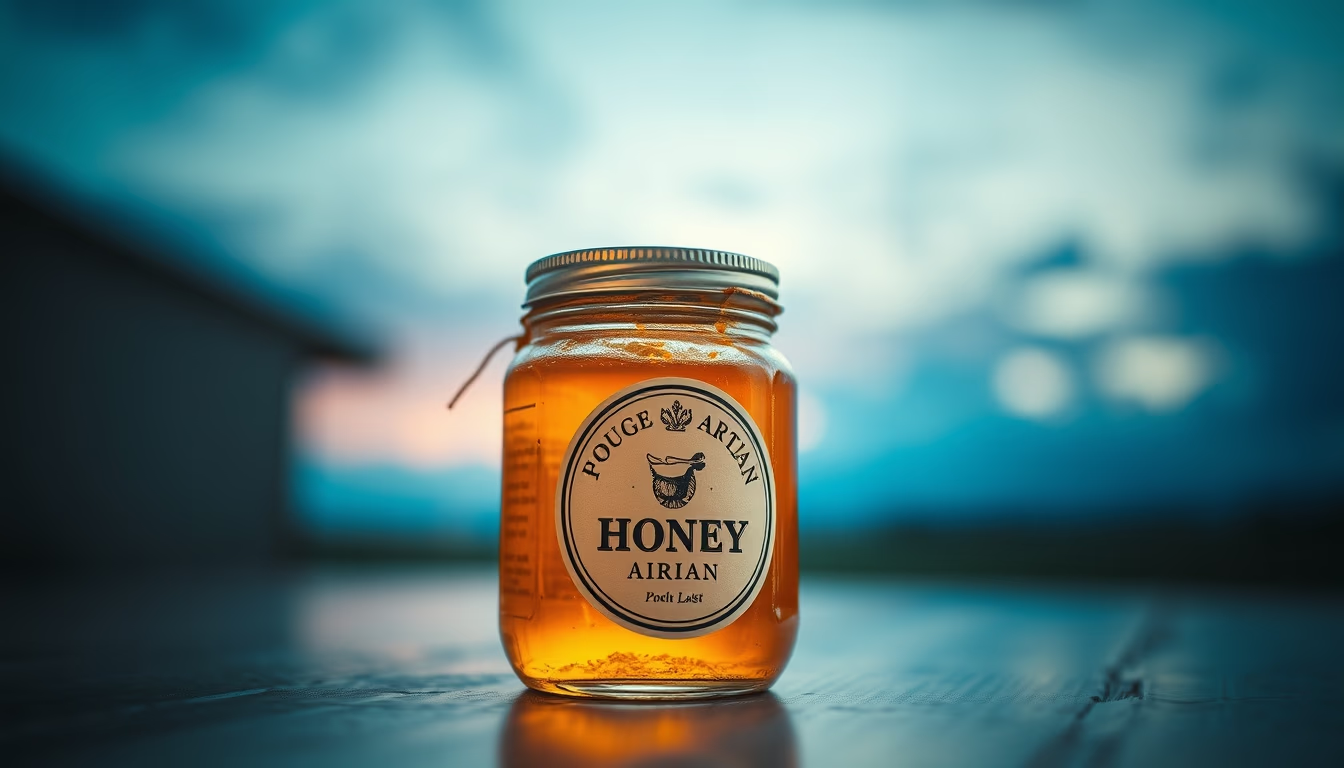
Explore the world of artisan honey: labels that tell stories of sustainable apiaries and unique flavors from each bloom.
About this subject
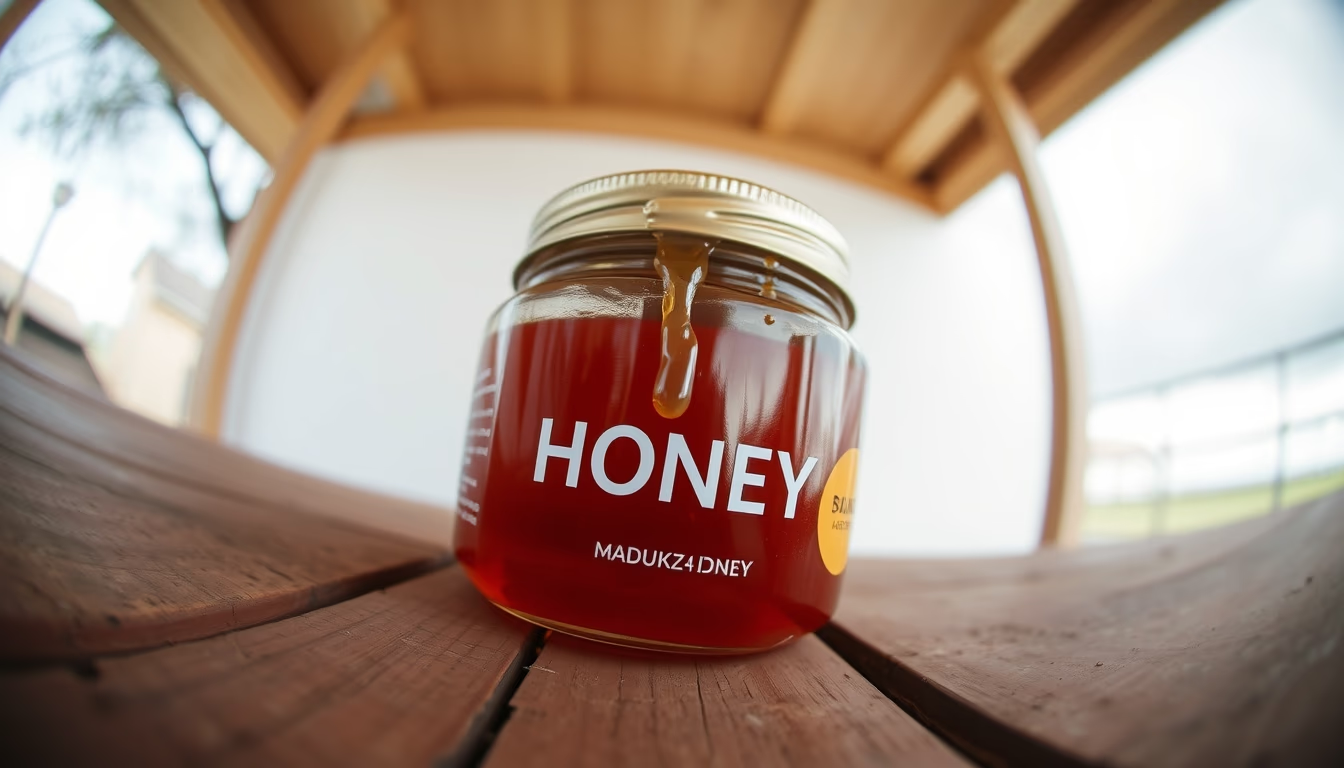
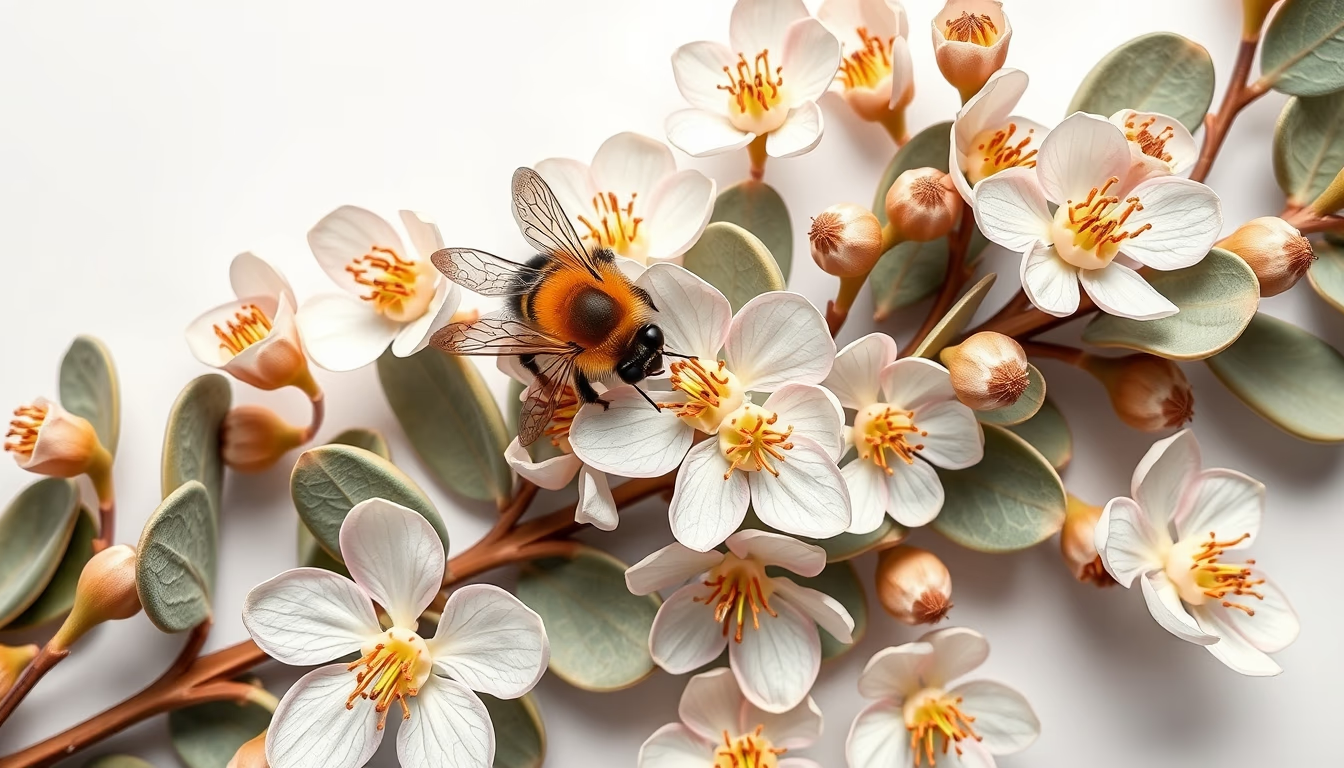
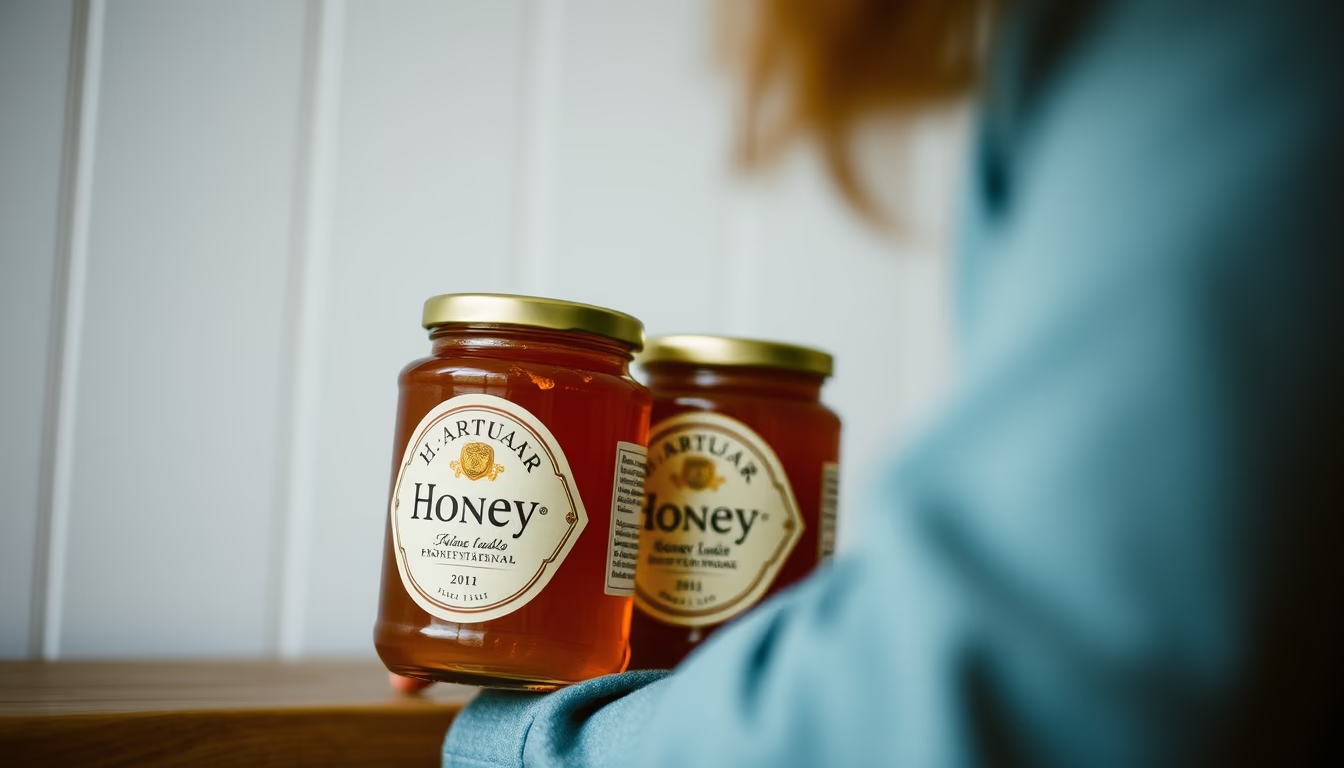
Artisan honey jars with handcrafted labels are more than packaging; they are the calling cards of producers who dedicate years to managing native and exotic bees. Every design detail reflects the nectar's origin, whether from orange blossom, eucalyptus, or wildflower blooms of the Brazilian savanna. In Brazil, organic beekeeping grows 15% annually, driven by demand for pesticide-free traceable products. Artisan labels often include information on bloom type, harvest date, and even GPS coordinates of the apiary, catering to consumers seeking transparency.
Artisan honey production follows strict standards: hives are placed in areas with preserved native flora, far from monocultures. Honey is cold-extracted to retain enzymes and antioxidants. Unlike industrial honey, which is often pasteurized and filtered, artisan honey can crystallize naturally, a sign of purity. Recycled paper labels, wax seals, and hand-drawn typography are common, reinforcing visual and sustainable appeal.
Fun facts: Honey from stingless native bees like jataí and mandaçaia has higher acidity and complex flavor, highly prized. Brazil has over 300 species of such bees. Honey from Apis mellifera, European bee, is the most widespread globally. Artisan labels often highlight geographic regions, like honey from Canudos (BA) or Bracatinga (PR), both with recognized origin denominations.
Long-exposure photography, common in honey jar images, emphasizes the viscosity and golden glow of the liquid, creating an aesthetic that evokes the slowness of natural processes. This visual style is used by producers aligning their honey with the concepts of slow food and conscious consumption.
Frequently Asked Questions
What sets artisan honey apart from industrial honey?
Artisan honey is cold-extracted without pasteurization or heavy filtration, preserving enzymes and bioactive compounds. It is also traceable, often organic, and produced on a small scale with specific floral sources.
How can I identify quality artisan honey from its label?
Artisan labels include details like geographic origin, bloom type, harvest date, and organic or fair-trade certification. Crystallization is a sign of purity.
Why is artisan honey more expensive than industrial honey?
The cost reflects sustainable management, manual harvesting, low yield per hive, and certification. Additionally, the flavor and nutritional benefits justify the premium.
Direct URL
https://pub-c7d6a6ea828543ac903a74a341ccb2e1.r2.dev/imagens/honey-jar-artisan-label-long-exposure-fresh1.avifHow to credit
Include a visible link back to UtilizAí. Copy one of the snippets below:
<a href="https://xn--utiliza-eza.com/en/midia/imagens/honey-jar-artisan-label-long-exposure-fresh1">Honey jar artisan label</a> by <a href="https://xn--utiliza-eza.com">UtilizAí</a>, licensed under <a href="https://creativecommons.org/licenses/by/4.0/">CC BY 4.0</a>.
[Honey jar artisan label](https://xn--utiliza-eza.com/en/midia/imagens/honey-jar-artisan-label-long-exposure-fresh1) by [UtilizAí](https://xn--utiliza-eza.com), CC BY 4.0
License: CC-BY-4.0