Honey jar artisan label
1344×768 · AVIF · CC BY 4.0
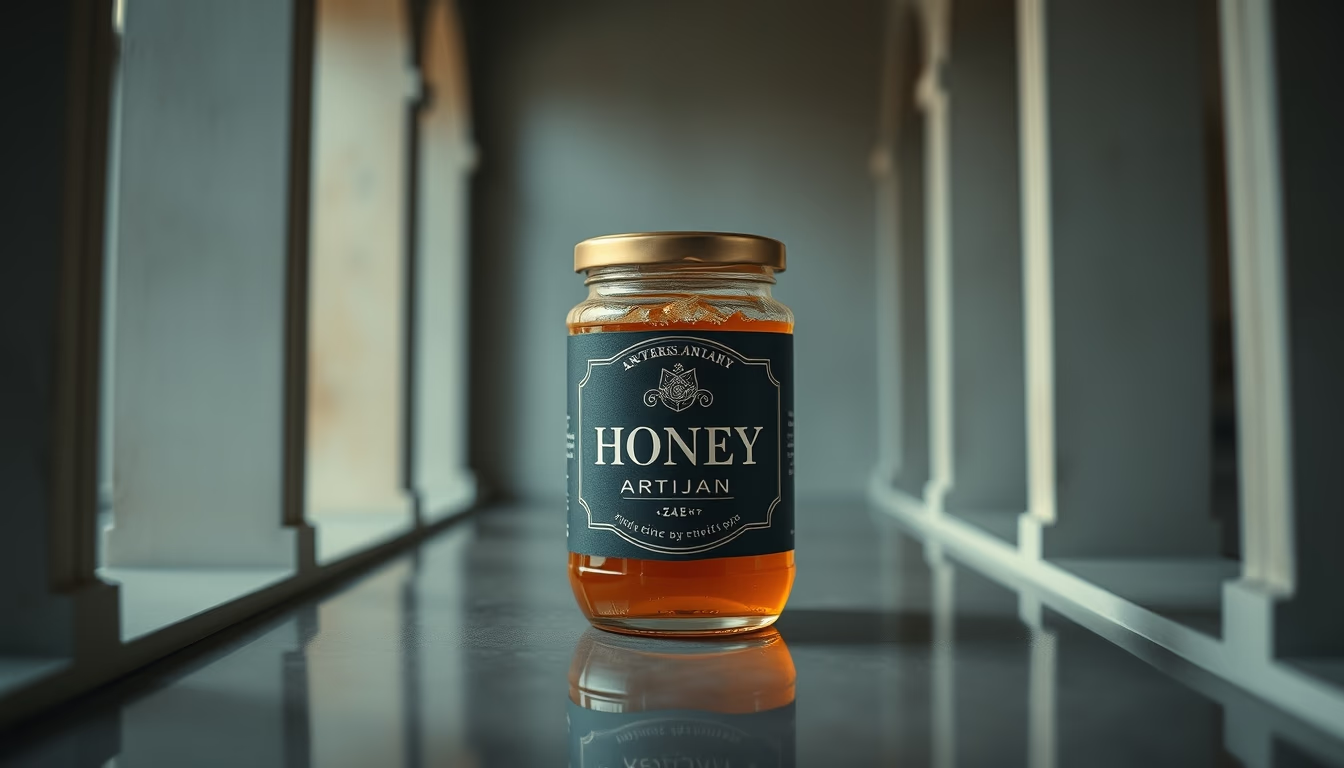
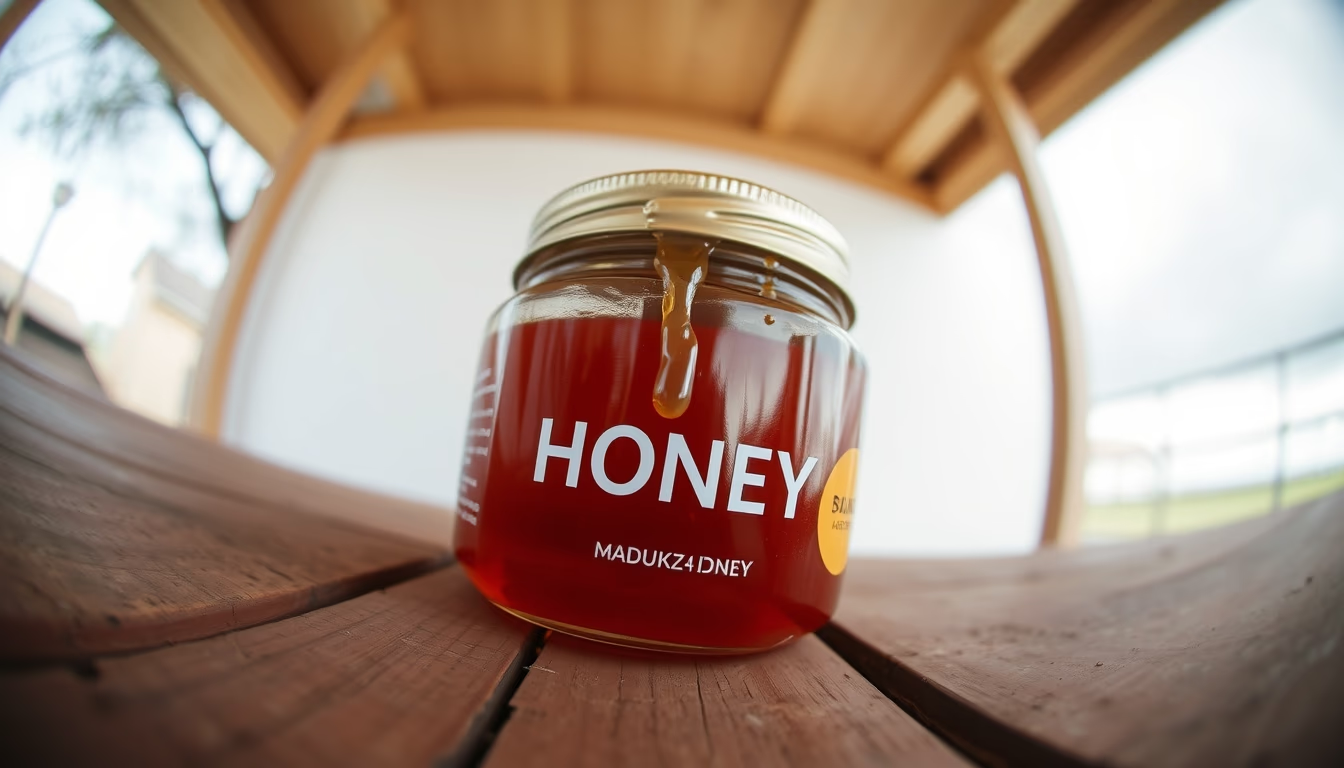
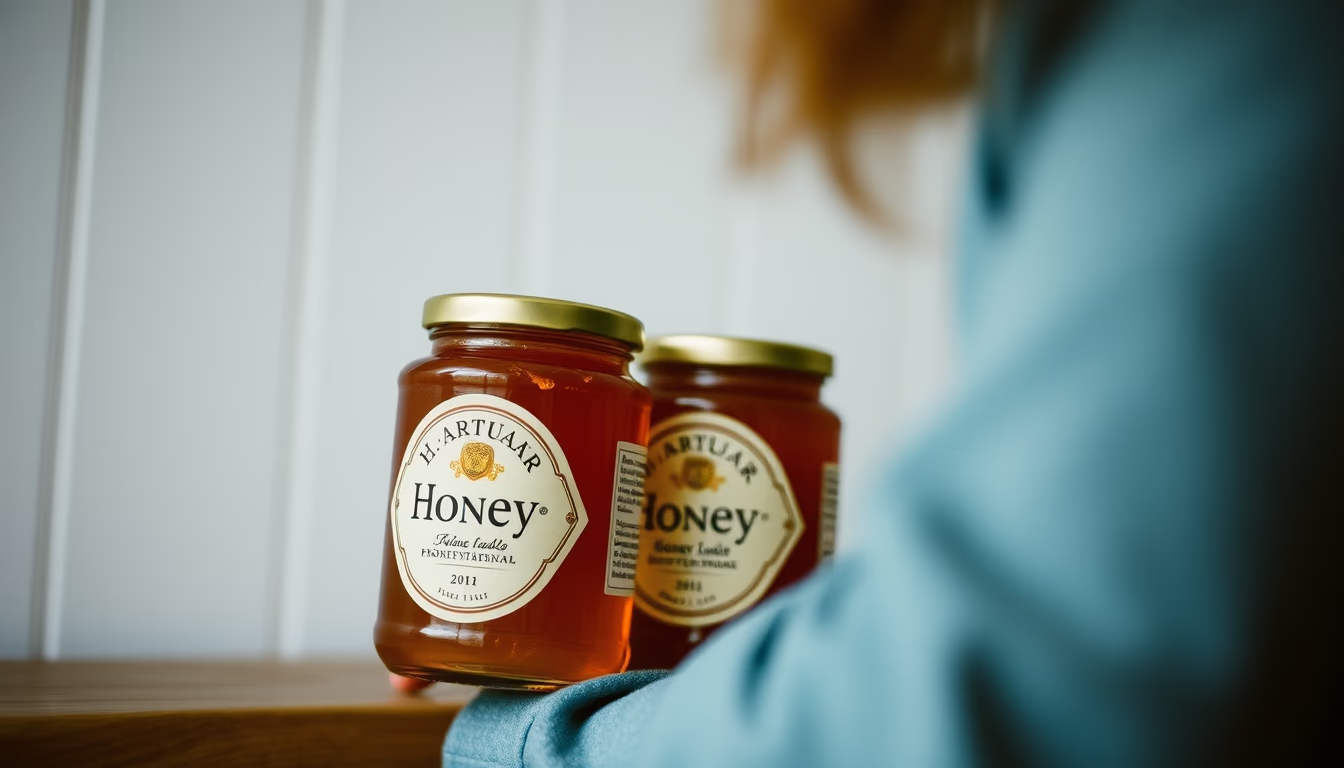
Um pote de mel com rótulo artesanal revela a importância do design na valorização de produtos locais e sustentáveis.
Sobre o tema
O mel é um dos alimentos mais antigos consumidos pela humanidade, com registros de uso que datam de mais de 8.000 anos. No Brasil, a produção de mel concentra-se principalmente nas regiões Sul e Nordeste, com destaque para estados como Rio Grande do Sul, Santa Catarina e Piauí. A apicultura brasileira produz cerca de 40 mil toneladas por ano, sendo grande parte destinada ao mercado interno.
Os rótulos artesanais em potes de mel não são apenas uma questão estética. Eles carregam informações cruciais como origem floral, data de colheita, lote e, muitas vezes, certificações orgânicas ou de comércio justo. No Brasil, a legislação exige que rótulos de mel contenham dados como identificação do produtor, peso líquido e registro no Ministério da Agricultura. Rótulos bem desenhados agregam valor ao produto, diferenciando pequenos produtores em feiras e mercados especializados.
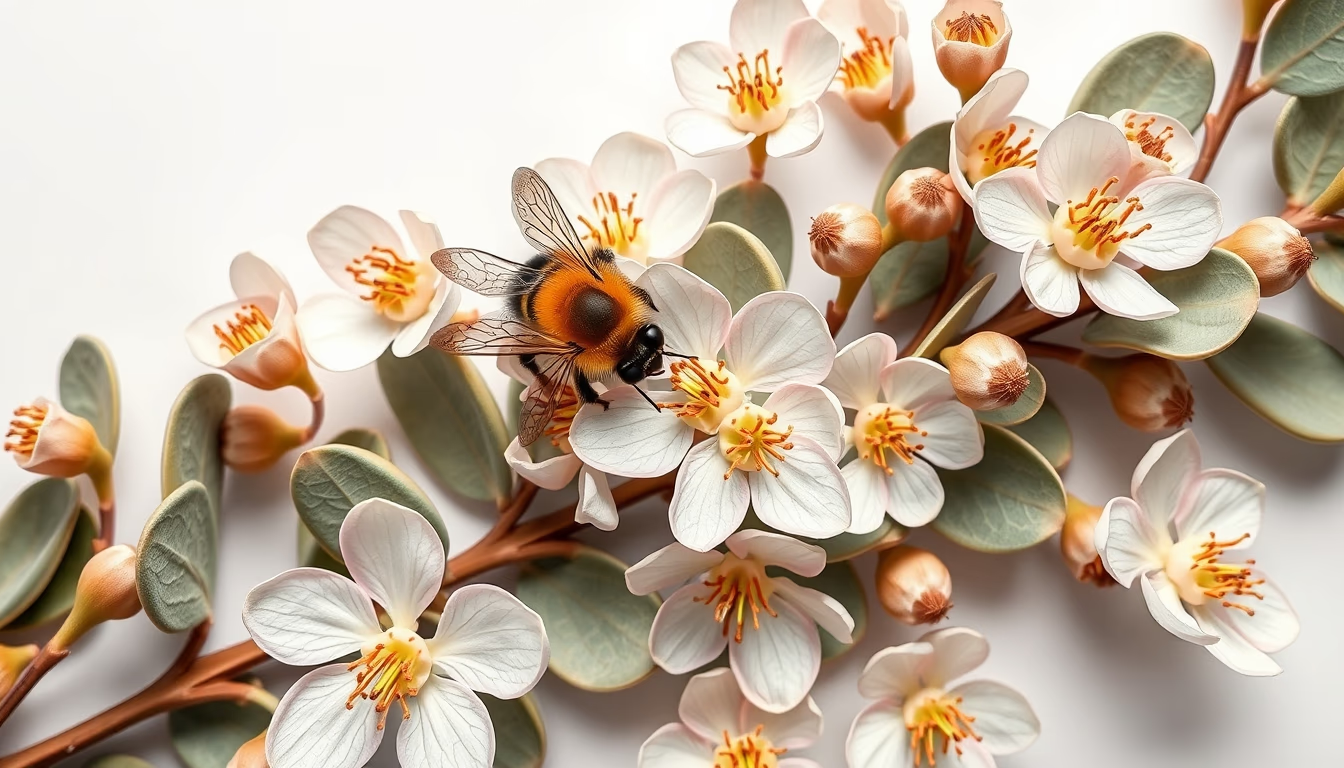
O design de um rótulo artesanal pode refletir a identidade do mel: cores que remetem às flores da região (laranja para laranjeira, amarelo para assa-peixe, verde para eucalipto) e tipografia que evoca tradição ou modernidade. Muitos apicultores investem em ilustrações botânicas ou geométricas para contar a história do seu terroir, uma tendência que valoriza a procedência e a sustentabilidade. Além disso, potes de vidro com tampa de cortiça ou metal reciclável reforçam o apelo ecológico.
Curiosidade: o Brasil é um dos poucos países onde o mel de abelhas nativas sem ferrão (meliponíneos) é amplamente consumido, especialmente nas regiões Norte e Centro-Oeste. Esses méis, como o de jataí e uruçu, têm sabores e texturas únicos, e seus rótulos artesanais frequentemente destacam nomes indígenas e regionais. Essa diversidade é um convite para explorar o universo da apicultura brasileira.
Perguntas frequentes
O que deve constar no rótulo de um mel artesanal?
O rótulo deve informar origem floral, data de colheita, lote, peso líquido, identificação do produtor e registro no Ministério da Agricultura. Se for orgânico, deve conter o selo correspondente.
Como diferenciar mel puro de mel adulterado pelo rótulo?
Méis puros geralmente indicam a florada (ex.: laranjeira, eucalipto) e não contêm açúcares adicionados. Verifique se há ingredientes como xarope de milho ou glicose na lista.
Por que os rótulos artesanais são importantes para pequenos produtores?
Eles agregam valor ao produto, contam a história do produtor e do terroir, e ajudam a fidelizar consumidores que buscam alimentos locais e sustentáveis.
URL direta
https://pub-c7d6a6ea828543ac903a74a341ccb2e1.r2.dev/imagens/honey-jar-artisan-label-architectural-photography-fresh17.avifComo creditar
Inclua um link visível de volta pro UtilizAí. Copie um dos snippets abaixo:
<a href="https://xn--utiliza-eza.com/midia/imagens/honey-jar-artisan-label-architectural-photography-fresh17">Honey jar artisan label</a> by <a href="https://xn--utiliza-eza.com">UtilizAí</a>, licensed under <a href="https://creativecommons.org/licenses/by/4.0/">CC BY 4.0</a>.
[Honey jar artisan label](https://xn--utiliza-eza.com/midia/imagens/honey-jar-artisan-label-architectural-photography-fresh17) by [UtilizAí](https://xn--utiliza-eza.com), CC BY 4.0
Licença: CC-BY-4.0