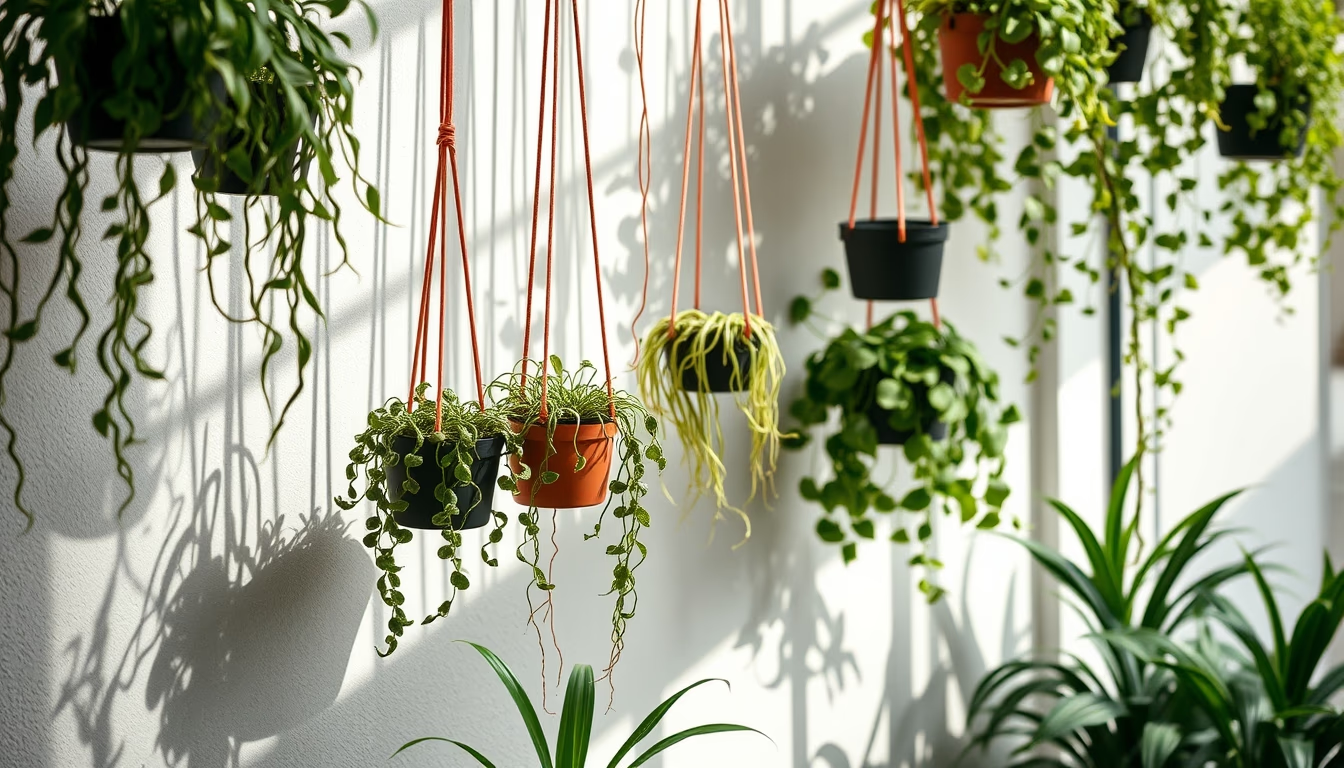
Hanging plants vertical garden
1344×768 · AVIF · CC BY 4.0
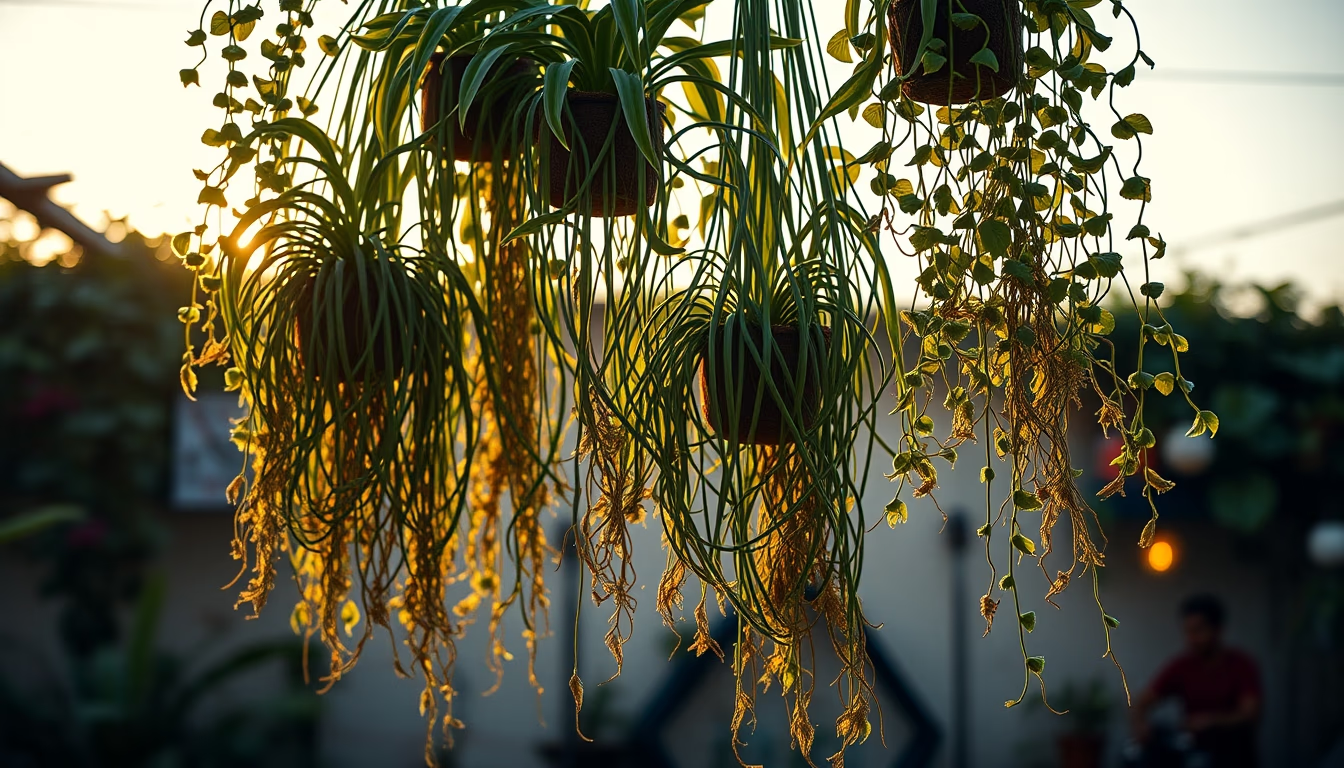
Jardins verticais com plantas suspensas transformam paredes e varandas em oásis verdes, unindo estética e sustentabilidade em espaços urbanos.
Sobre o tema
Jardins verticais com plantas suspensas são estruturas que utilizam vasos, suportes ou painéis modulares para fixar plantas em paredes ou muros, criando uma parede vegetal. Diferem dos jardins verticais tradicionais por não exigirem substrato contínuo, permitindo maior flexibilidade na disposição das espécies e facilitando a manutenção. Essa técnica é especialmente popular em apartamentos e pequenos espaços urbanos, onde o chão é escasso mas deseja-se integrar a natureza ao cotidiano.
Os benefícios ambientais são significativos. As plantas suspensas contribuem para a melhoria da qualidade do ar ao absorver CO2 e poluentes como formaldeído e benzeno. Além disso, a evapotranspiração das folhas ajuda a reduzir a temperatura local, combatendo as ilhas de calor nas cidades. Em áreas barulhentas, a vegetação atua como barreira acústica natural. Psicologicamente, a presença de verde reduz estresse e aumenta a produtividade, alinhando-se ao conceito de design biofílico.
As espécies mais indicadas incluem samambaias, jiboias, filodendros, peperômias e suculentas. Essas plantas toleram bem a luz indireta e não exigem substrato profundo. A rega deve ser frequente mas controlada, preferencialmente com sistemas de gotejamento para evitar excesso de água. Adubação líquida a cada 15 dias na primavera e verão mantém o vigor. A poda regular evita que as plantas cresçam demais e sobrecarreguem o suporte.
Curiosamente, o conceito remonta aos Jardins Suspensos da Babilônia, uma das Sete Maravilhas do Mundo Antigo, que utilizavam terraços com vegetação. Atualmente, pioneiros como Patrick Blanc popularizaram os jardins verticais hidropônicos. No Brasil, exemplos notáveis incluem o Jardim Vertical da Avenida Paulista em São Paulo, que abriga centenas de espécies em uma estrutura modular, demonstrando como a técnica pode ser aplicada em larga escala urbana.
Perguntas frequentes
Quais as melhores plantas para jardins verticais suspensos?
As melhores plantas são espécies adaptadas à luz indireta e com crescimento compacto. Samambaias, jiboias, filodendros, peperômias e suculentas são excelentes escolhas. Evite plantas que exigem sol pleno ou substrato muito profundo.
Como regar um jardim vertical suspenso?
A rega deve ser feita de forma moderada e frequente. Um sistema de gotejamento automatizado é ideal, mas regar manualmente 2 a 3 vezes por semana funciona, desde que o substrato seque parcialmente entre as regas. Verifique a drenagem para evitar acúmulo de água.
O jardim vertical suspenso precisa de muito sol?
A maioria das plantas para jardins suspensos prefere luz indireta ou meia-sombra. Exposição direta ao sol pode queimar as folhas. Escolha espécies adequadas à luminosidade do local, como pothos para sombra ou suculentas para locais mais claros.
URL direta
https://pub-c7d6a6ea828543ac903a74a341ccb2e1.r2.dev/imagens/hanging-plants-vertical-garden-cinematic-wide-shot-fresh12.avifComo creditar
Inclua um link visível de volta pro UtilizAí. Copie um dos snippets abaixo:
<a href="https://xn--utiliza-eza.com/midia/imagens/hanging-plants-vertical-garden-cinematic-wide-shot-fresh12">Hanging plants vertical garden</a> by <a href="https://xn--utiliza-eza.com">UtilizAí</a>, licensed under <a href="https://creativecommons.org/licenses/by/4.0/">CC BY 4.0</a>.
[Hanging plants vertical garden](https://xn--utiliza-eza.com/midia/imagens/hanging-plants-vertical-garden-cinematic-wide-shot-fresh12) by [UtilizAí](https://xn--utiliza-eza.com), CC BY 4.0
Licença: CC-BY-4.0