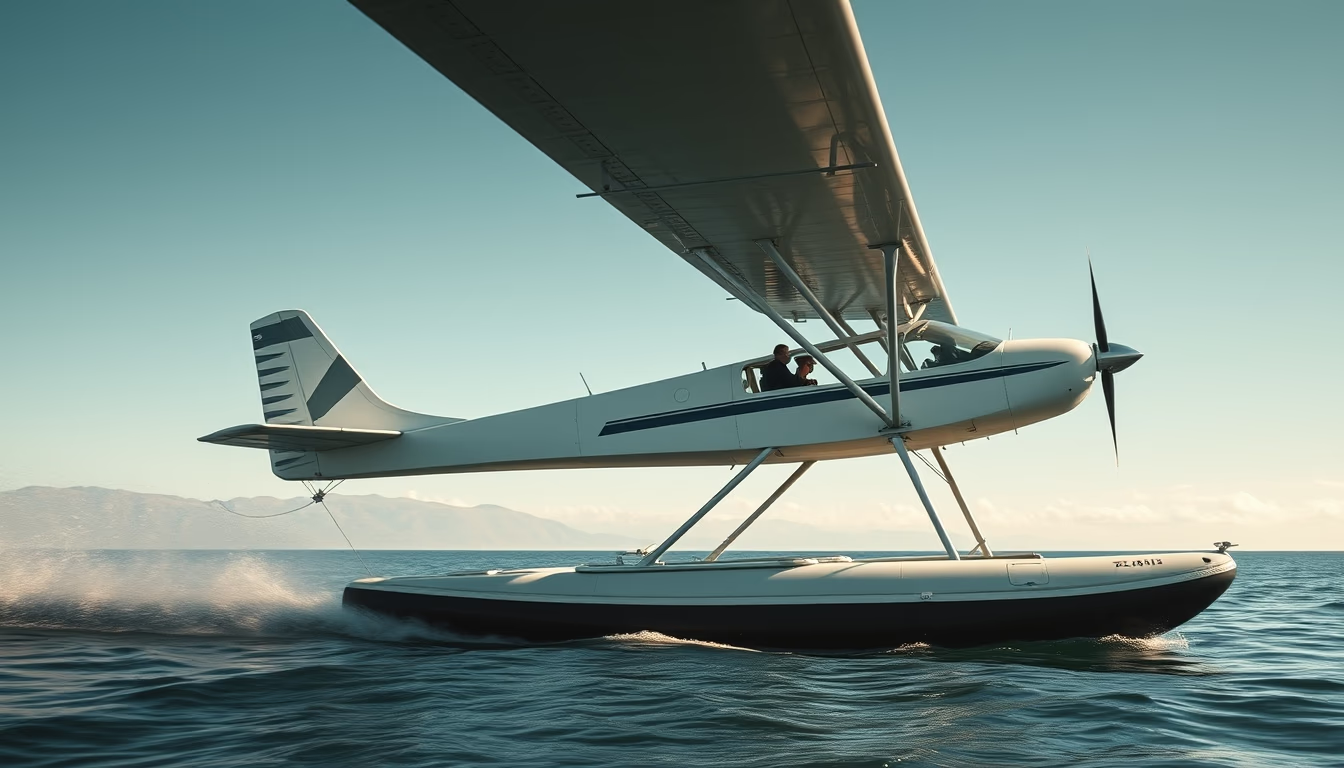
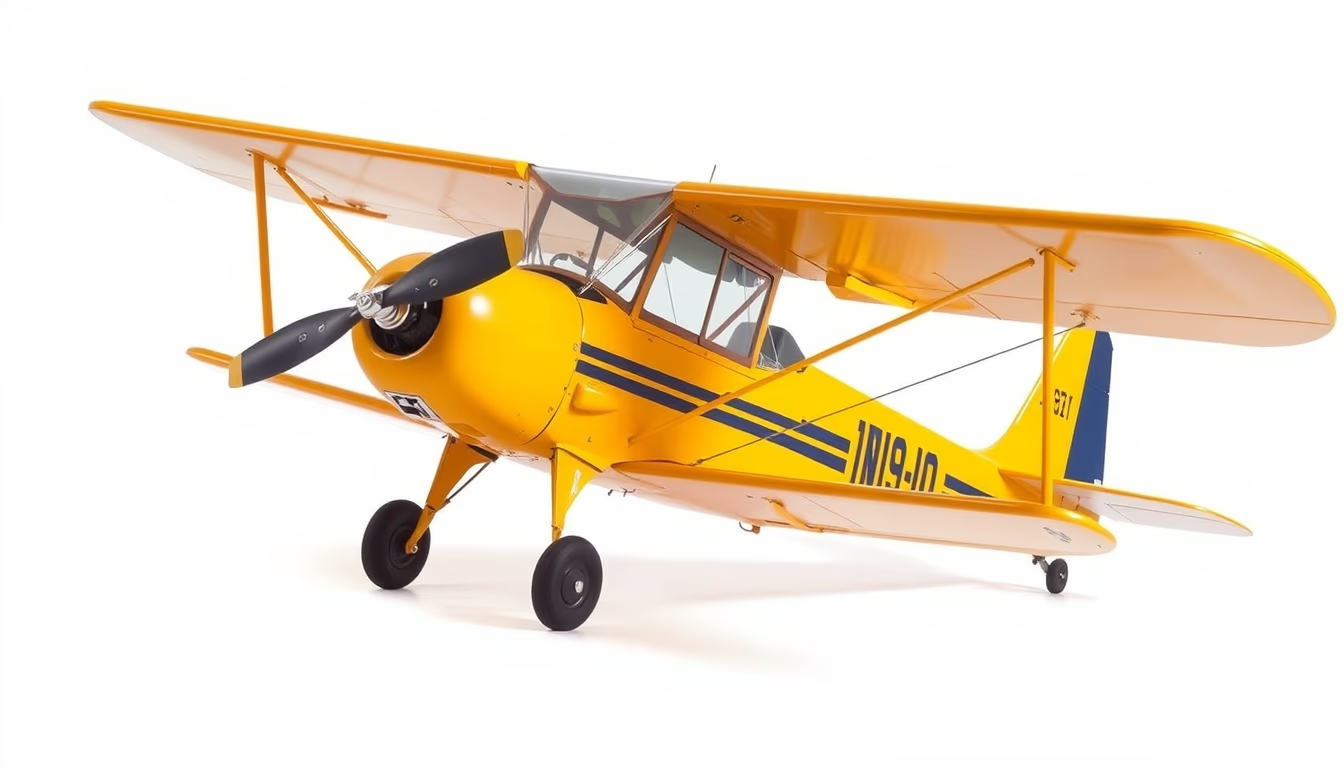
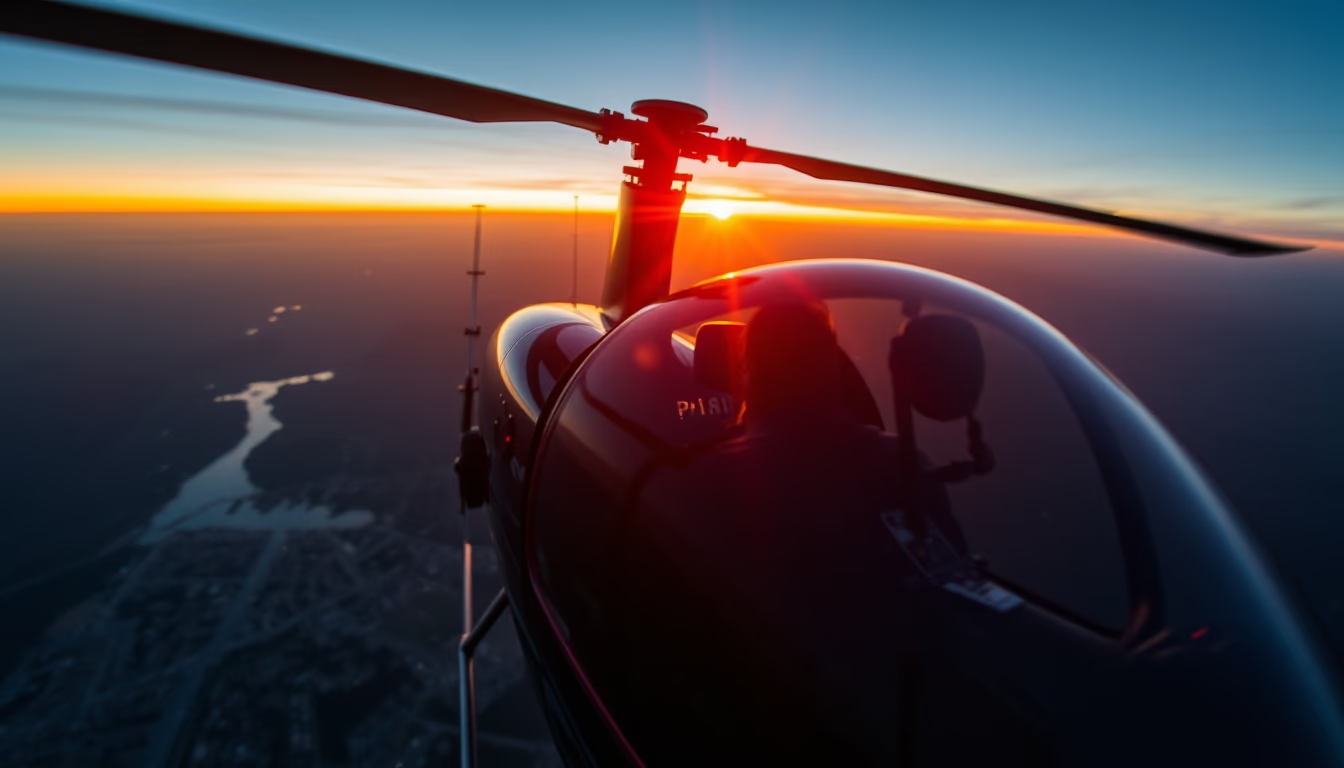
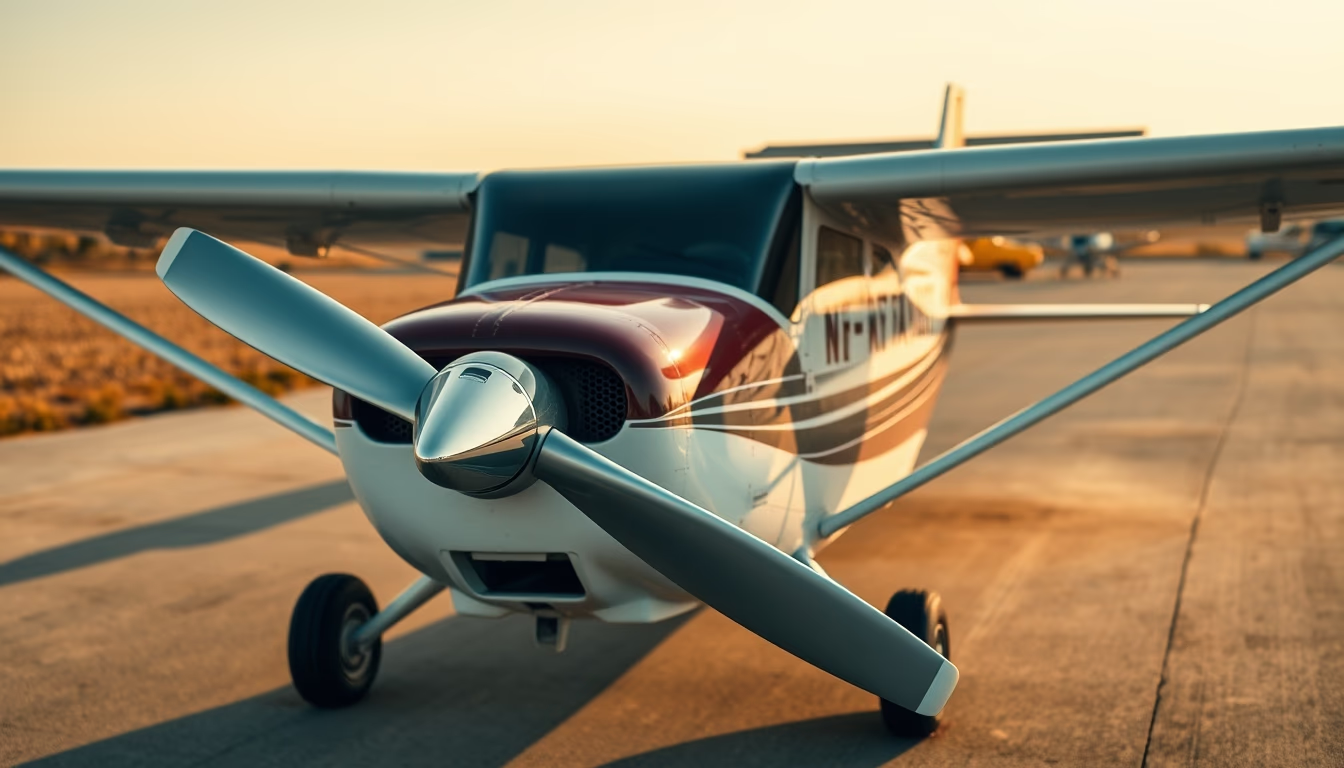
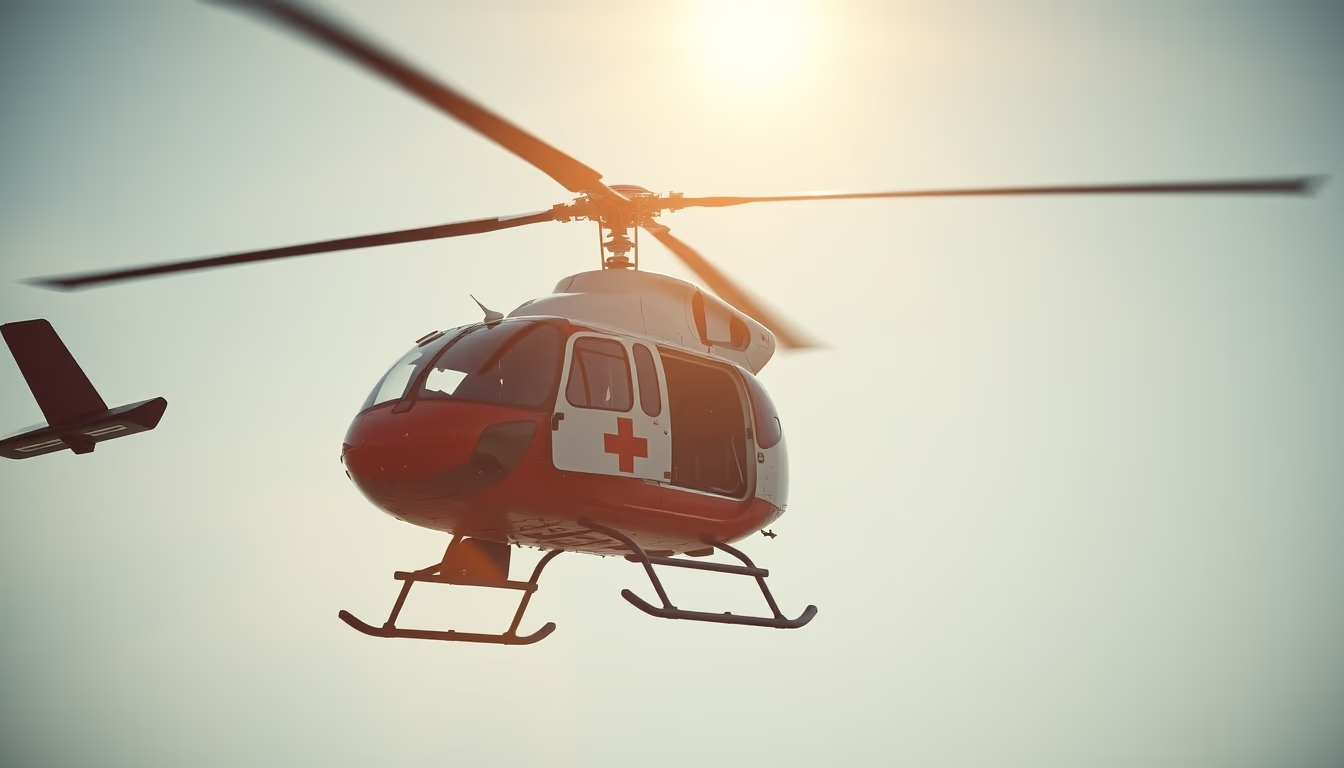
Gyrocopter autogyro
1344×768 · AVIF · CC BY 4.0

The autogyro, also known as gyrocopter, is a rotary-wing aircraft that combines features of a helicopter and an airplane, with a free-spinning rotor generating lift and a propeller for thrust.
About this subject
The autogyro was invented by Spanish engineer Juan de la Cierva in 1923, who aimed to create a safe aircraft that would not stall like conventional airplanes. Unlike a helicopter, the autogyro's rotor is unpowered; it spins freely due to forward motion, a phenomenon called autorotation. This provides simpler and safer operation, as even with engine failure, the pilot can glide and land gently.
In modern aviation, autogyros are primarily used for recreation, aerial observation, and training. They are popular for their low operating costs, simplified maintenance, and ability to take off and land on short runways. Models such as the Air & Space 18A and Magni M16 are well-known examples. In Brazil, the manufacturer Flyer Indústria Aeronáutica produced the Flyer F-1 autogyro in the late 1990s, demonstrating national interest in this technology.
A key technical point: the autogyro cannot hover like a helicopter, as it needs horizontal movement to maintain autorotation. However, its aerodynamic efficiency is superior at cruising speeds, consuming less fuel than similarly sized helicopters. Additionally, autogyros are considered more stable in turbulent wind conditions, making them safe for less experienced pilots.
Culturally, the autogyro appears in films and TV shows as a symbol of innovation and freedom, often associated with reconnaissance or adventure missions. Its distinctive silhouette with the rotor above the cabin and the front propeller is easily recognizable. Today, enthusiast communities host gatherings and competitions, such as the World Autogyro Championship, which takes place annually in various countries.
Frequently Asked Questions
What is the difference between an autogyro and a helicopter?
In an autogyro, the rotor spins freely via autorotation and is not powered, whereas in a helicopter the rotor is engine-driven. This means the autogyro cannot hover, but it is simpler and safer in case of engine failure.
Does an autogyro need a long runway to take off?
No, it can take off and land on short strips, often less than 100 meters, depending on the model and conditions. This makes it suitable for operations in remote areas.
Are autogyros manufactured in Brazil?
Yes, Flyer Indústria Aeronáutica produced the Flyer F-1 autogyro in the late 1990s. Today, enthusiasts assemble and operate imported models such as the Magni M16.
Direct URL
https://pub-c7d6a6ea828543ac903a74a341ccb2e1.r2.dev/imagens/gyrocopter-autogyro-high-fashion-editorial-fresh18.avifHow to credit
Include a visible link back to UtilizAí. Copy one of the snippets below:
<a href="https://xn--utiliza-eza.com/en/midia/imagens/gyrocopter-autogyro-high-fashion-editorial-fresh18">Gyrocopter autogyro</a> by <a href="https://xn--utiliza-eza.com">UtilizAí</a>, licensed under <a href="https://creativecommons.org/licenses/by/4.0/">CC BY 4.0</a>.
[Gyrocopter autogyro](https://xn--utiliza-eza.com/en/midia/imagens/gyrocopter-autogyro-high-fashion-editorial-fresh18) by [UtilizAí](https://xn--utiliza-eza.com), CC BY 4.0
License: CC-BY-4.0