Geothermal plant steam
1344×768 · AVIF · CC BY 4.0
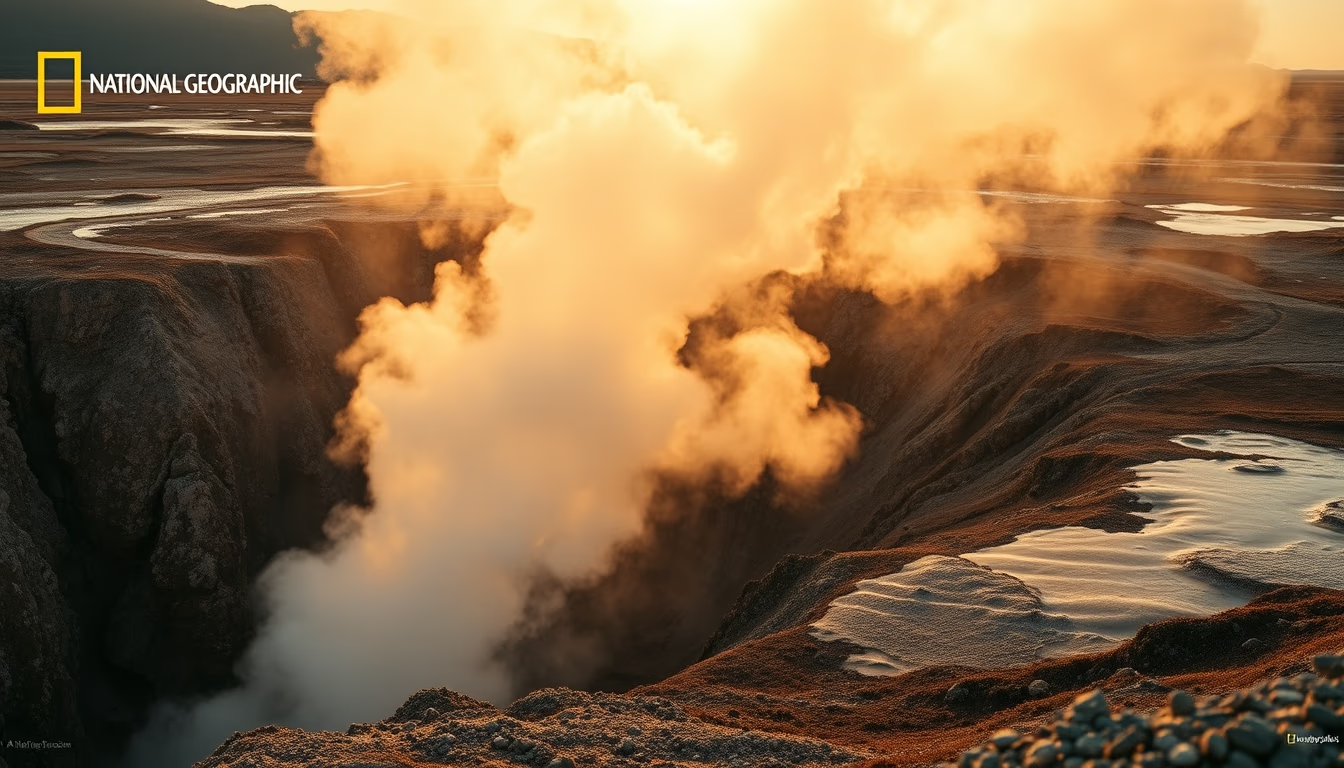
Geothermal plants harness Earth's internal heat to produce clean, baseload electricity, with notable installations in volcanic regions like Iceland.
About this subject
Geothermal energy is derived from heat stored beneath the Earth's surface, in rocks or deep aquifers. Plants drill wells to capture steam or hot water under high pressure, which drives turbines connected to electrical generators. After use, the fluid is cooled and reinjected into the reservoir, ensuring a sustainable cycle.
Major geothermal fields lie along the Pacific Ring of Fire, in countries such as Indonesia, the Philippines, and New Zealand, as well as in Iceland, where nearly all electricity comes from renewable sources, with geothermal playing a key role. In the United States, the Geysers complex in California is the world's largest geothermal plant by installed capacity.
A major advantage of geothermal power is its ability to generate electricity continuously, independent of weather conditions, making it a reliable baseload source. Its greenhouse gas emissions are also very low compared to fossil fuels. However, challenges include high upfront drilling costs and the risk of induced seismicity in poorly managed reservoirs.
The technology can also be used for direct heating of homes and greenhouses, as seen in Iceland and Japan. Developing countries like Kenya and Ethiopia are investing in geothermal plants to diversify their energy mix. The estimated global potential exceeds 200 GW, but only a fraction is currently utilized.
Frequently Asked Questions
Is geothermal energy truly renewable?
Yes, Earth's internal heat is virtually inexhaustible on human timescales. As long as reinjected water is properly managed, the source can be considered sustainable for thousands of years.
Which countries are the top geothermal producers?
The United States leads in installed capacity, followed by Indonesia, the Philippines, Turkey, New Zealand, and Iceland. Kenya is Africa's largest producer.
What are the environmental impacts of geothermal energy?
While low in CO2, plants may emit gases like H2S. Water use and improper reinjection can cause subsidence or induced seismicity. Modern techniques minimize these risks.
Direct URL
https://pub-c7d6a6ea828543ac903a74a341ccb2e1.r2.dev/imagens/geothermal-plant-steam-national-geographic-style-p4.avifHow to credit
Include a visible link back to UtilizAí. Copy one of the snippets below:
<a href="https://xn--utiliza-eza.com/en/midia/imagens/geothermal-plant-steam-national-geographic-style-p4">Geothermal plant steam</a> by <a href="https://xn--utiliza-eza.com">UtilizAí</a>, licensed under <a href="https://creativecommons.org/licenses/by/4.0/">CC BY 4.0</a>.
[Geothermal plant steam](https://xn--utiliza-eza.com/en/midia/imagens/geothermal-plant-steam-national-geographic-style-p4) by [UtilizAí](https://xn--utiliza-eza.com), CC BY 4.0
License: CC-BY-4.0