Gas chromatograph
1344×768 · AVIF · CC BY 4.0

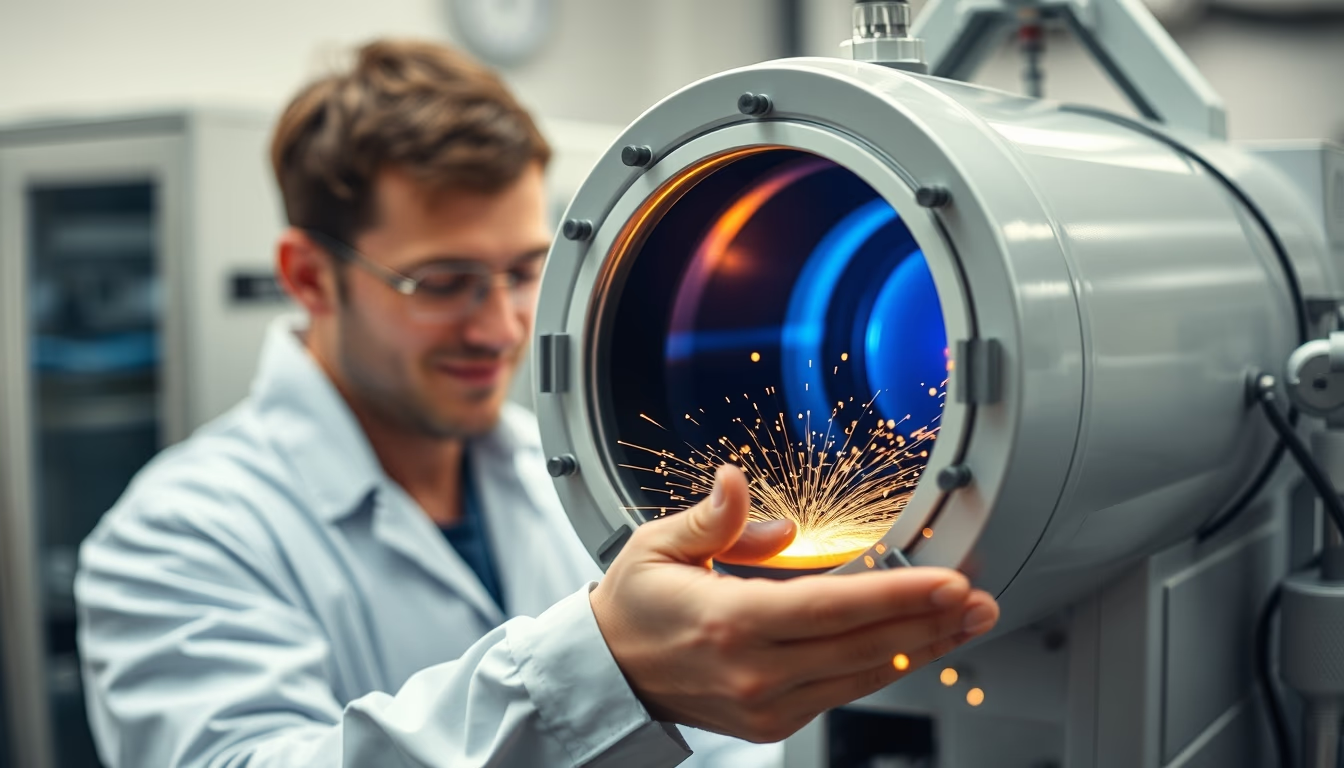
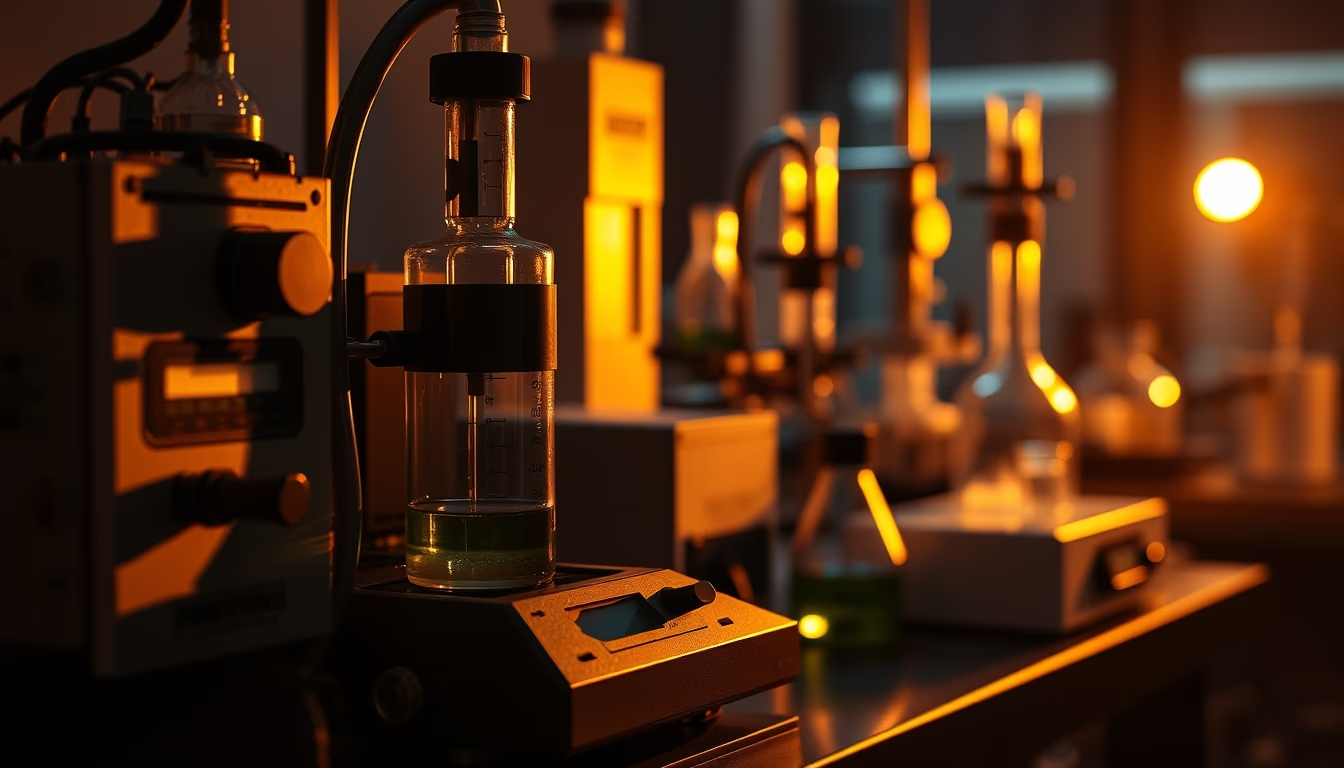
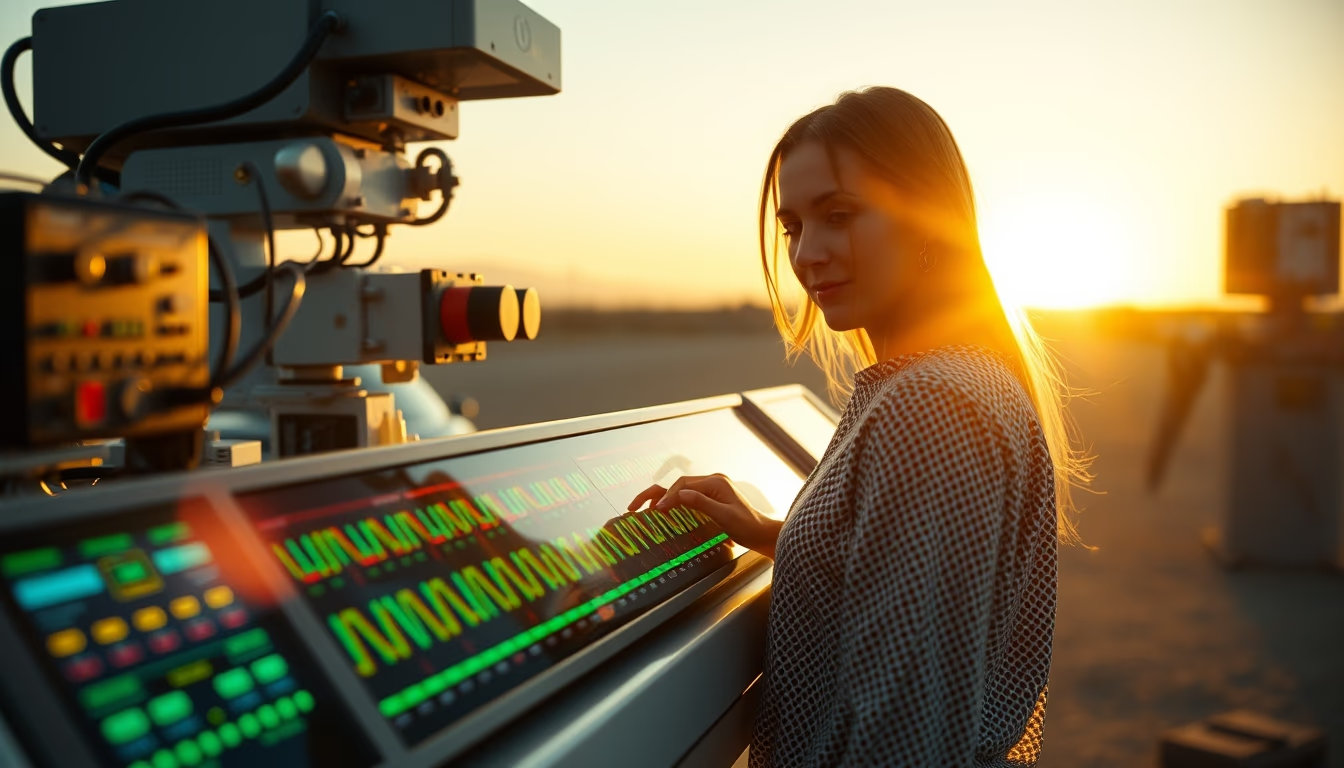
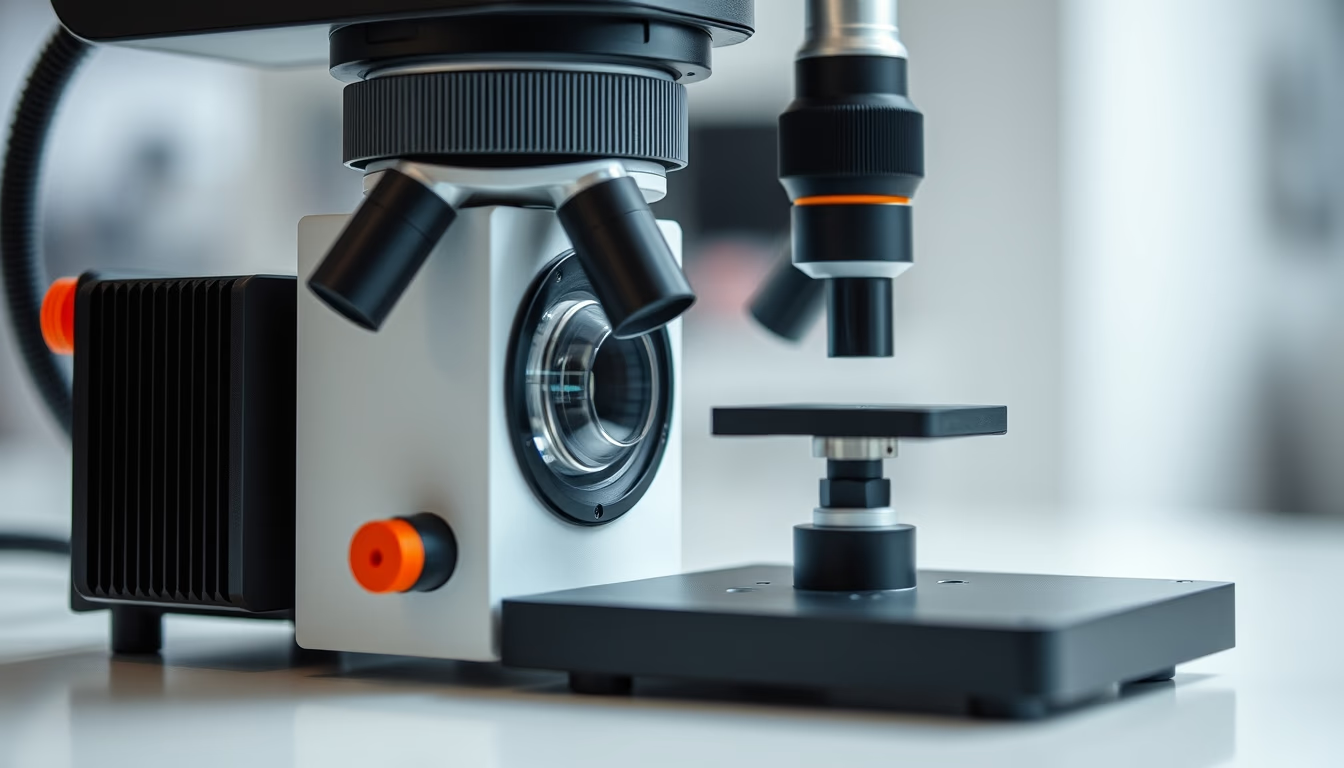
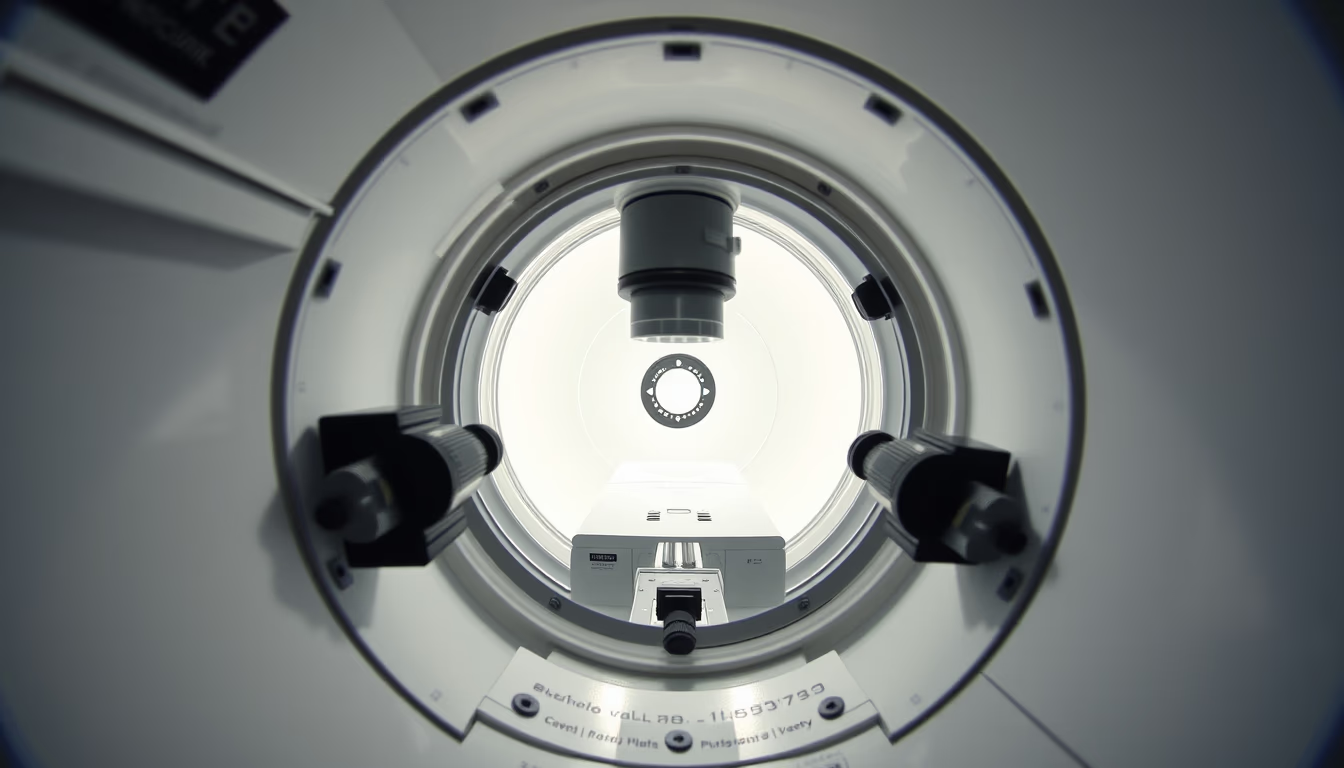
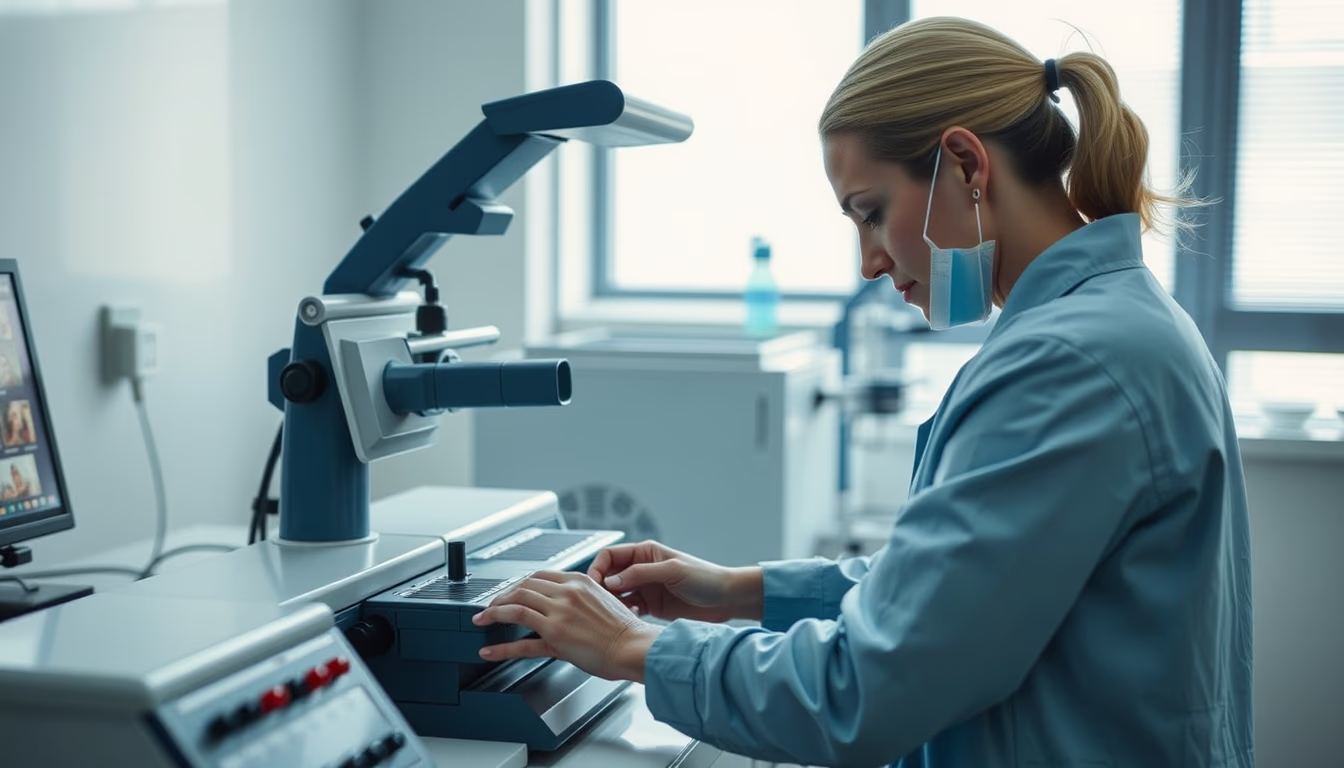
The gas chromatograph is an analytical instrument that separates and quantifies components of volatile mixtures, essential in laboratories and industries.
About this subject
The gas chromatograph is a powerful tool in analytical chemistry, used to separate and identify substances in complex mixtures. Its principle is based on the partition of analytes between a gaseous mobile phase (typically helium, nitrogen, or hydrogen) and a stationary phase, which can be a liquid or solid adsorbed on a capillary column. The sample is vaporized and injected into the column, where components are eluted at different retention times, allowing identification and quantification by detectors such as the flame ionization detector (FID) or mass spectrometer (GC-MS).
The development of the gas chromatograph dates back to the 1950s, with fundamental contributions from Archer Martin and Anthony Synge, who won the Nobel Prize in Chemistry in 1952 for their work on partition chromatography. Since then, the instrument has evolved into automated systems with high precision and sensitivity, capable of detecting concentrations in the parts-per-billion range. Its importance spans across sectors: in the petrochemical industry, it monitors fuel composition; in environmental control, it analyzes atmospheric pollutants; in forensics, it identifies drugs and explosives; and in food safety, it checks for pesticide residues and contaminants.
An interesting fact is that gas chromatography is also used in the analysis of essential oils and fragrances, aiding perfumery and flavor industries. Furthermore, the technique is coupled with mass spectrometry (GC-MS) to provide detailed structural information, making it one of the most robust tools in modern chemistry. The choice of column (polar or nonpolar) and detector depends on the nature of the compounds to be analyzed, demonstrating the method's versatility.
Frequently Asked Questions
How does a gas chromatograph work?
A gas chromatograph separates the components of a vaporized mixture, carried by an inert gas through a column with a stationary phase. Each substance interacts differently with the stationary phase, resulting in distinct retention times recorded by a detector.
What are the main types of detectors in gas chromatography?
Common detectors include the flame ionization detector (FID, for organic compounds), thermal conductivity detector (TCD, universal), electron capture detector (ECD, for halogenated compounds), and mass spectrometer (MS, for structural identification).
What is gas chromatography used for in the food industry?
In the food industry, gas chromatography is used to analyze fatty acid profiles, check for contaminants like pesticides and mycotoxins, control flavors and aromas, and verify the authenticity of products such as oils and alcoholic beverages.
Direct URL
https://pub-c7d6a6ea828543ac903a74a341ccb2e1.r2.dev/imagens/gas-chromatograph-film-grain-authentic-fresh10.avifHow to credit
Include a visible link back to UtilizAí. Copy one of the snippets below:
<a href="https://xn--utiliza-eza.com/en/midia/imagens/gas-chromatograph-film-grain-authentic-fresh10">Gas chromatograph</a> by <a href="https://xn--utiliza-eza.com">UtilizAí</a>, licensed under <a href="https://creativecommons.org/licenses/by/4.0/">CC BY 4.0</a>.
[Gas chromatograph](https://xn--utiliza-eza.com/en/midia/imagens/gas-chromatograph-film-grain-authentic-fresh10) by [UtilizAí](https://xn--utiliza-eza.com), CC BY 4.0
License: CC-BY-4.0