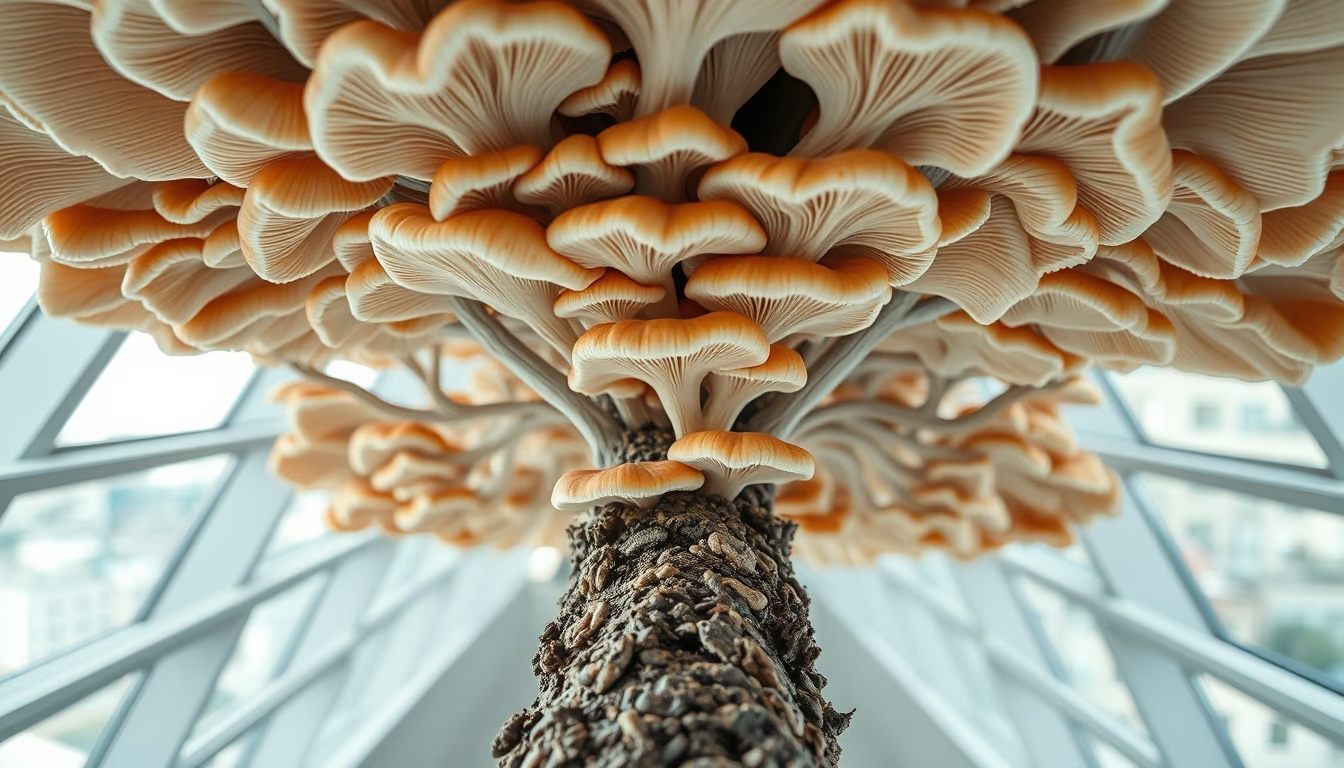
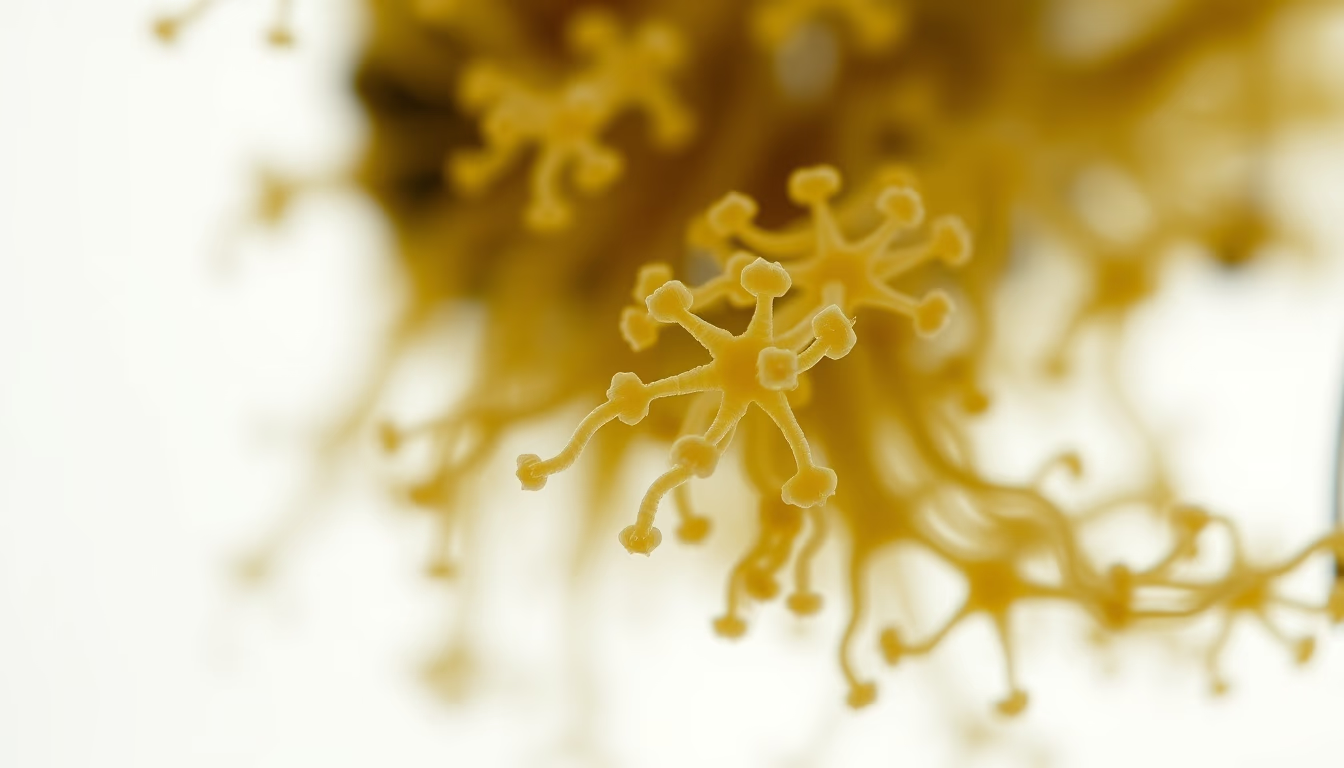
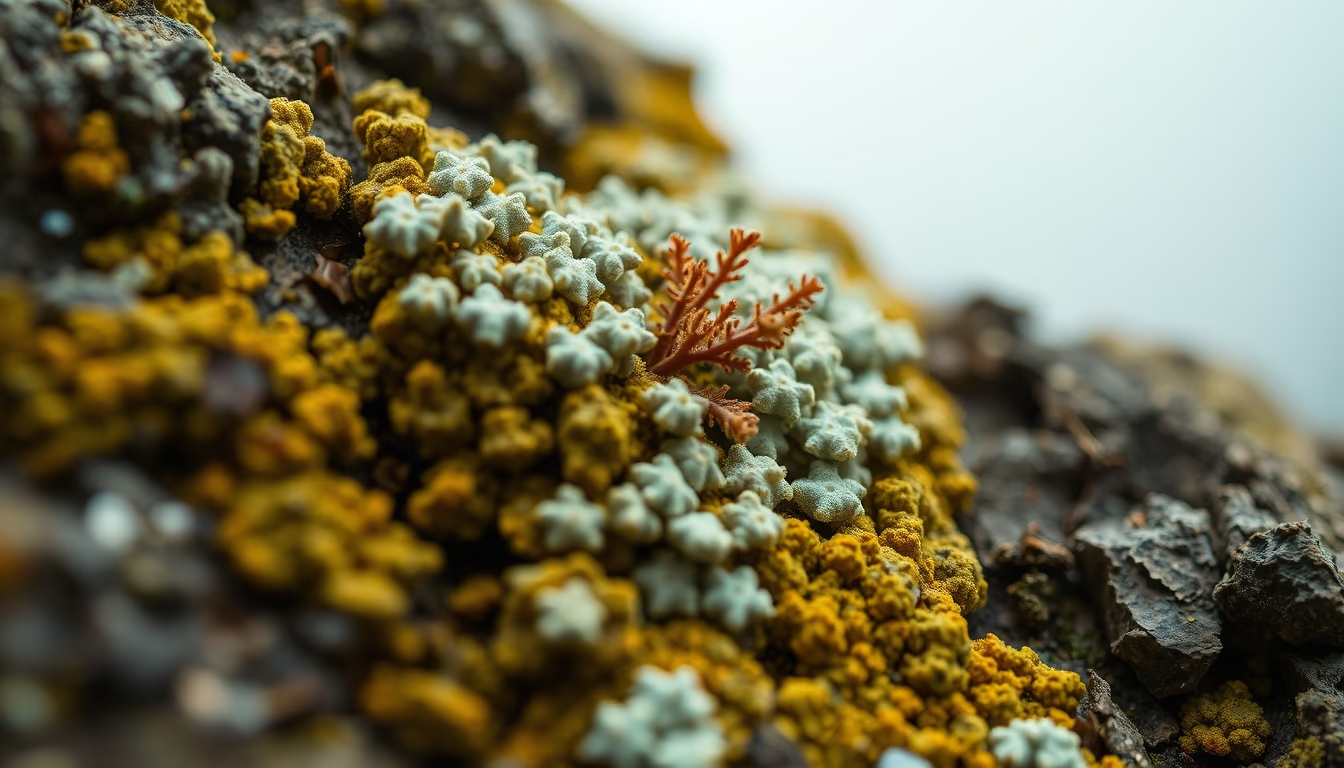
Fungi mycelium network
1344×768 · AVIF · CC BY 4.0
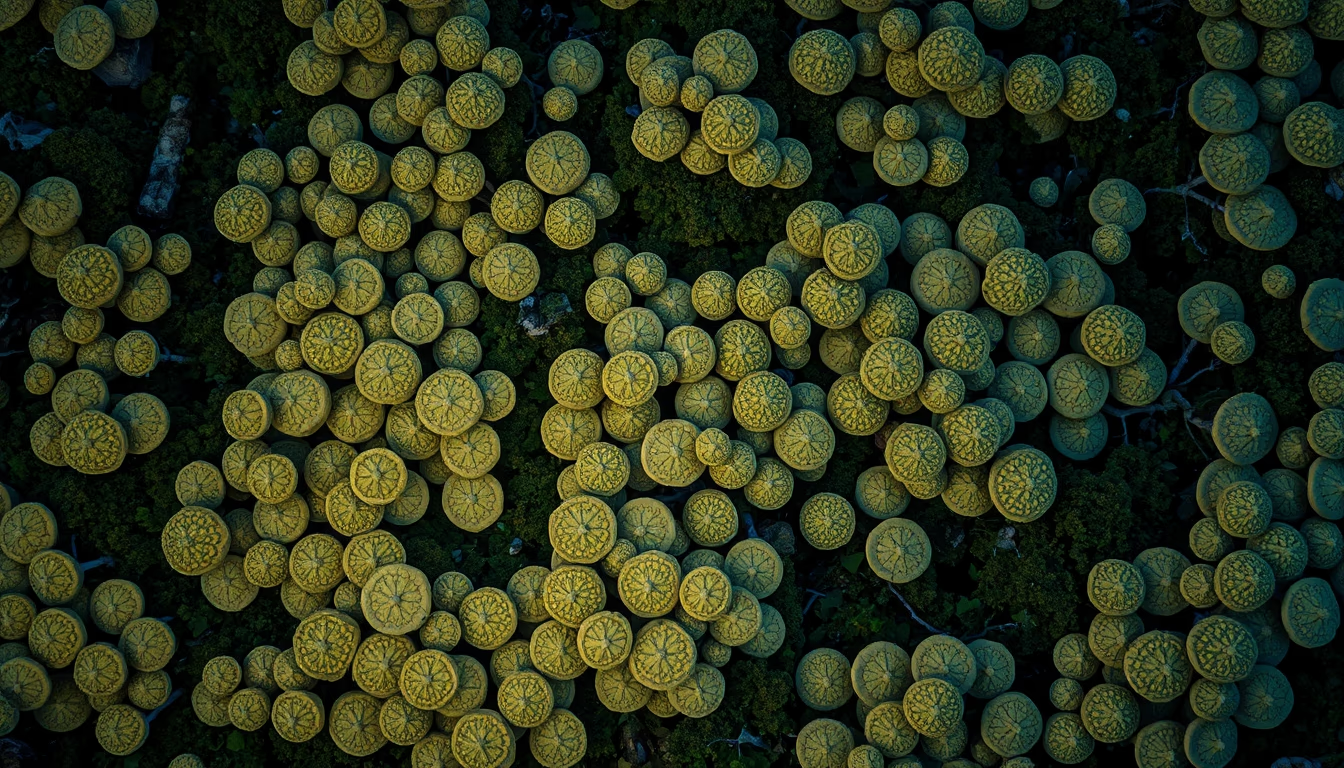
Mycelium forms underground networks connecting plants and fungi, functioning as an ecological nervous system crucial for ecosystem health.
About this subject
Mycelium is the vegetative part of fungi, consisting of a mass of branching hyphae that spread through soil, organic matter, or other substrates. These networks can extend for kilometers and connect different organisms, forming what scientists call the 'Wood Wide Web'. Through mycelium, fungi and plants engage in symbiotic exchanges: plants provide carbohydrates from photosynthesis, while fungi supply water and nutrients such as phosphorus and nitrogen, enhancing root absorption.
The largest known mycelial network belongs to the fungus Armillaria ostoyae in Oregon, USA, covering about 9.6 square kilometers and estimated to be between 2,000 and 8,500 years old. Mycelium also plays a critical role in decomposing organic matter, recycling nutrients, and forming humus that enriches soil. Its strong, biodegradable structure has inspired technological innovations, including sustainable packaging and building materials.
Recent studies indicate that mycelium can communicate chemically, transmitting warning signals between plants when pests or diseases threaten. This ability to transfer information and resources makes mycelial networks vital for ecological resilience. In degraded environments, mycelium reintroduction has been used to accelerate soil and vegetation recovery, demonstrating its potential in restoration projects.
Frequently Asked Questions
What is mycelium and what is its main function?
Mycelium is the vegetative structure of fungi, composed of thread-like hyphae. Its main function is to absorb nutrients from the environment and form networks connecting plants, facilitating the exchange of water, minerals, and organic compounds.
Can mycelium be used in industry?
Yes, mycelium is used to produce biomaterials such as biodegradable packaging, vegan leather, and thermal insulation. Companies like Ecovative Design already market mycelium-based products as sustainable alternatives to plastic.
What is the relationship between mycelium and trees in a forest?
Mycelium forms mutualistic associations with tree roots, called mycorrhizae. This symbiosis allows trees to access soil nutrients in exchange for sugars, and the mycelium connects different trees, enabling resource transfer among them.
Direct URL
https://pub-c7d6a6ea828543ac903a74a341ccb2e1.r2.dev/imagens/fungi-mycelium-network-aerial-drone-shot-fresh9.avifHow to credit
Include a visible link back to UtilizAí. Copy one of the snippets below:
<a href="https://xn--utiliza-eza.com/en/midia/imagens/fungi-mycelium-network-aerial-drone-shot-fresh9">Fungi mycelium network</a> by <a href="https://xn--utiliza-eza.com">UtilizAí</a>, licensed under <a href="https://creativecommons.org/licenses/by/4.0/">CC BY 4.0</a>.
[Fungi mycelium network](https://xn--utiliza-eza.com/en/midia/imagens/fungi-mycelium-network-aerial-drone-shot-fresh9) by [UtilizAí](https://xn--utiliza-eza.com), CC BY 4.0
License: CC-BY-4.0