Flowering rosemary bees
1344×768 · AVIF · CC BY 4.0
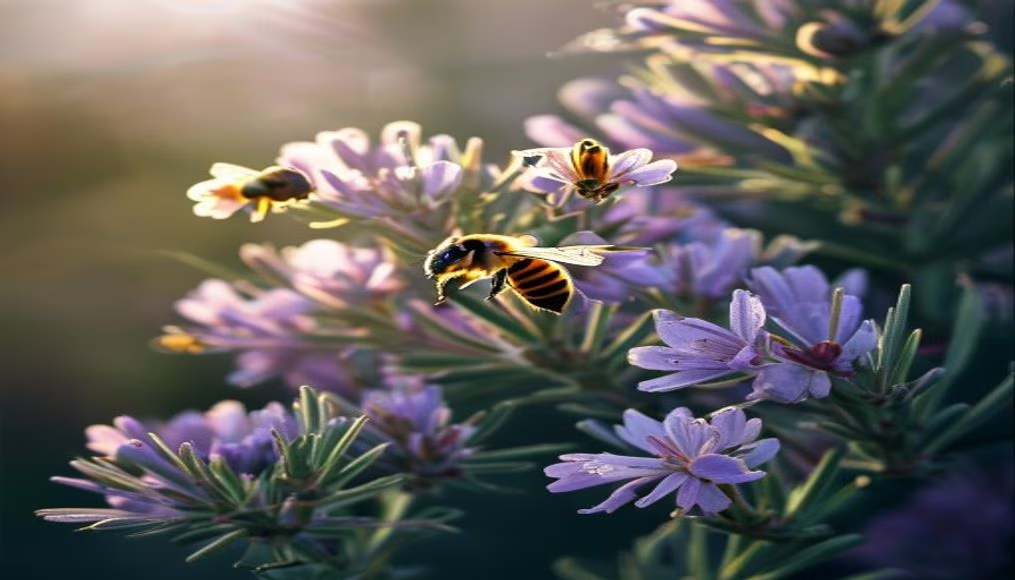
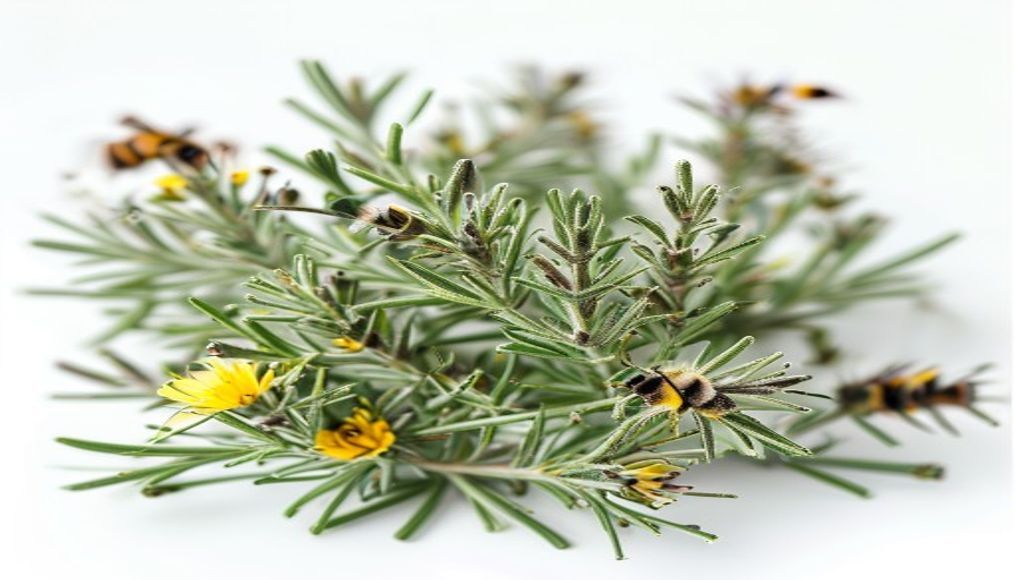
Flowering rosemary attracts bees for essential pollination in beekeeping. Discover curiosities about this interaction.
About this subject
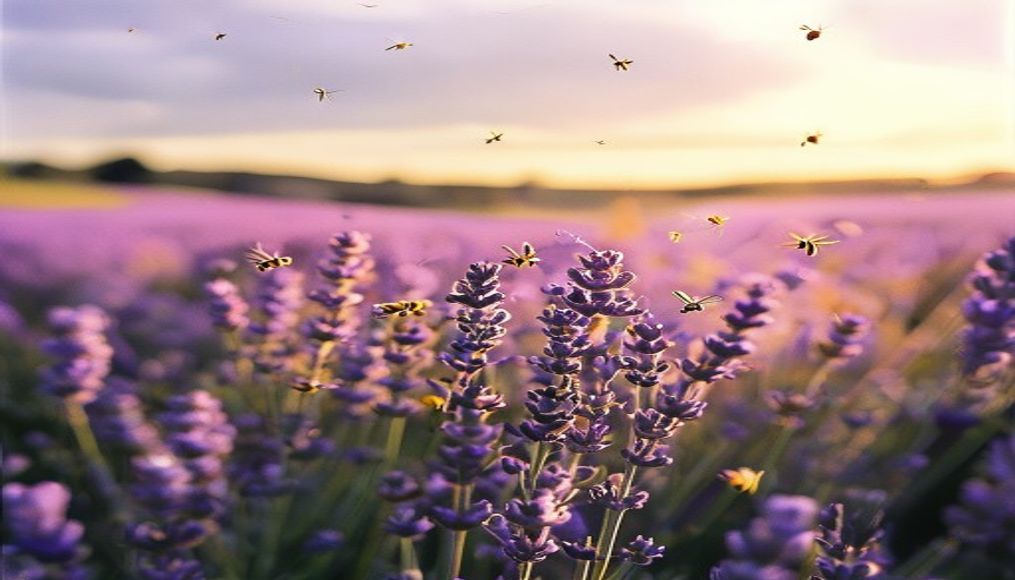
Rosemary, a shrub from the Lamiaceae family native to the Mediterranean region, is widely cultivated in Brazil. Its flowers, ranging from blue to lilac, bloom mainly in spring and early summer, offering abundant nectar and pollen for bees. This interaction is crucial for both plant reproduction and honey production in beekeeping.
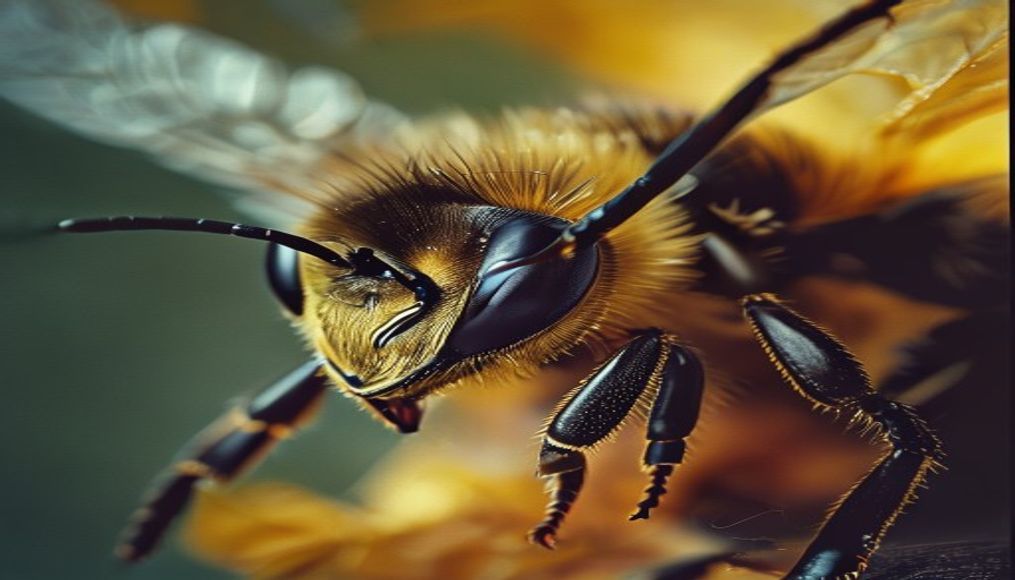
In beekeeping, rosemary honey is valued for its intense aroma and medicinal properties, being rich in antioxidants. Apis mellifera bees, the most common in apiaries, visit the flowers seeking resources, contributing to cross-pollination. Studies show that rosemary nectar has high levels of glucose and fructose, particularly attractive to worker bees.
Interestingly, rosemary has a prolonged flowering period if well maintained, providing food for bees for up to three months. In mild climates, such as southern Brazil, it is common to see apiaries near rosemary plantations. Additionally, the plant is drought-tolerant and grows in poor soil, making it an excellent choice for land restoration. Bee pollination can boost seed production by up to 40%, benefiting local biodiversity.
The use of rosemary in beekeeping also helps prevent bee diseases like nosema, as its phenolic compounds have antimicrobial action. Farmers and beekeepers often plant rows of rosemary around orchards to attract pollinators. This practice, called "wave pollination," uses sequentially blooming plants to keep bees active longer.
Frequently Asked Questions
What is the best time to plant rosemary to benefit bees?
Ideally plant in autumn or early spring, so flowers are available during the main bee activity season, from spring to summer.
Does rosemary honey differ from other honeys?
Yes, it has a more intense, slightly woody flavor and higher antioxidant content, such as rosmarinic acid, used in natural medicine.
Does rosemary attract only bees or other pollinators as well?
Besides bees, it attracts butterflies, bumblebees, and other pollinating insects, making it important for garden biodiversity.
Direct URL
https://pub-c7d6a6ea828543ac903a74a341ccb2e1.r2.dev/imagens/flowering-rosemary-bees-fine-art-photography-p2.avifHow to credit
Include a visible link back to UtilizAí. Copy one of the snippets below:
<a href="https://xn--utiliza-eza.com/en/midia/imagens/flowering-rosemary-bees-fine-art-photography-p2">Flowering rosemary bees</a> by <a href="https://xn--utiliza-eza.com">UtilizAí</a>, licensed under <a href="https://creativecommons.org/licenses/by/4.0/">CC BY 4.0</a>.
[Flowering rosemary bees](https://xn--utiliza-eza.com/en/midia/imagens/flowering-rosemary-bees-fine-art-photography-p2) by [UtilizAí](https://xn--utiliza-eza.com), CC BY 4.0
License: CC-BY-4.0