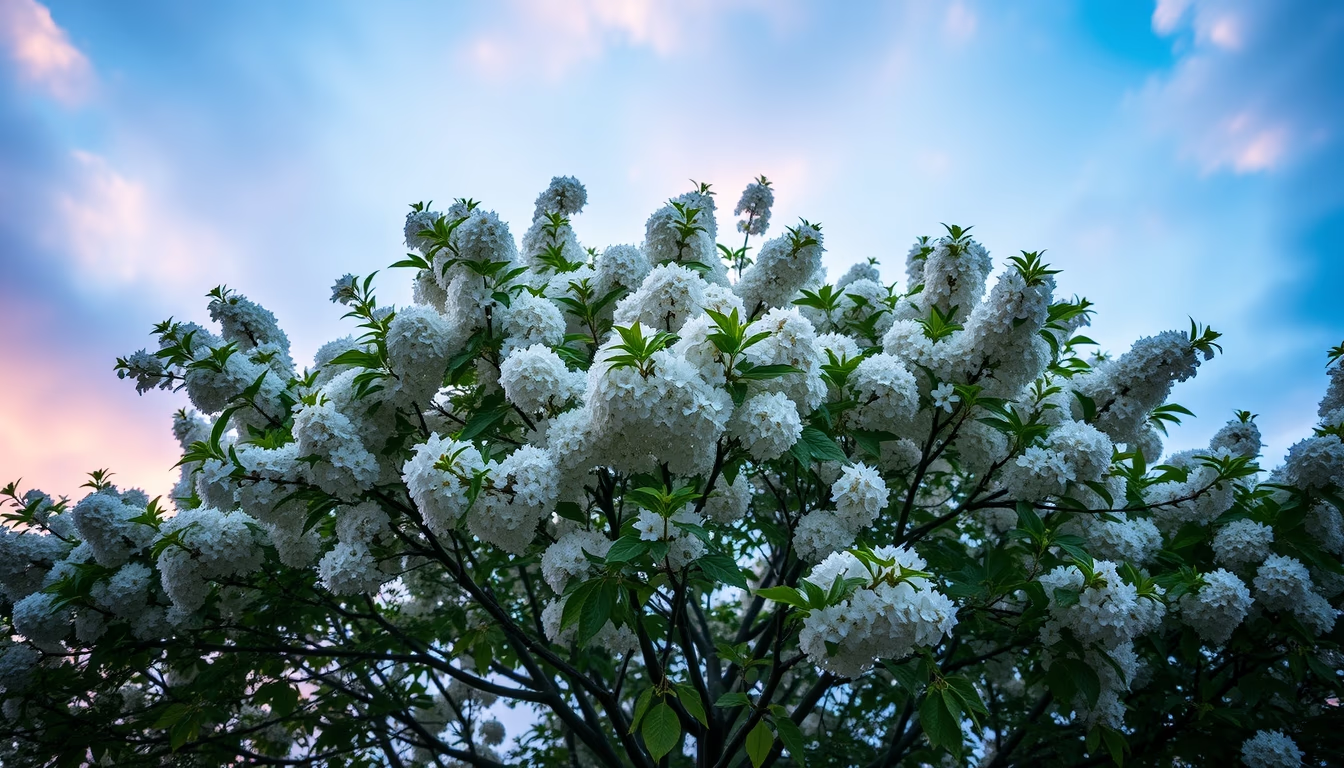
Flowering chestnut tree
1344×768 · AVIF · CC BY 4.0
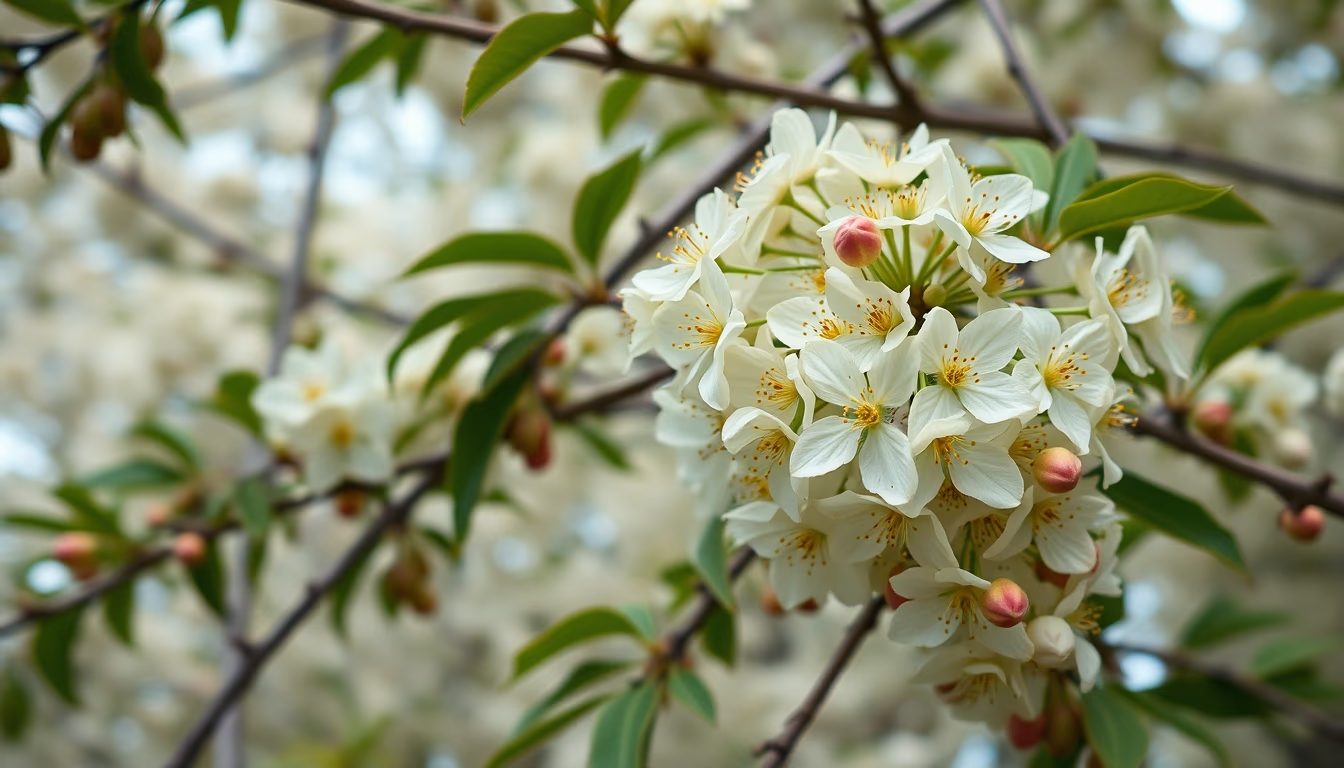
The flowering chestnut tree is a majestic tree that attracts bees and is essential for chestnut honey production.
About this subject
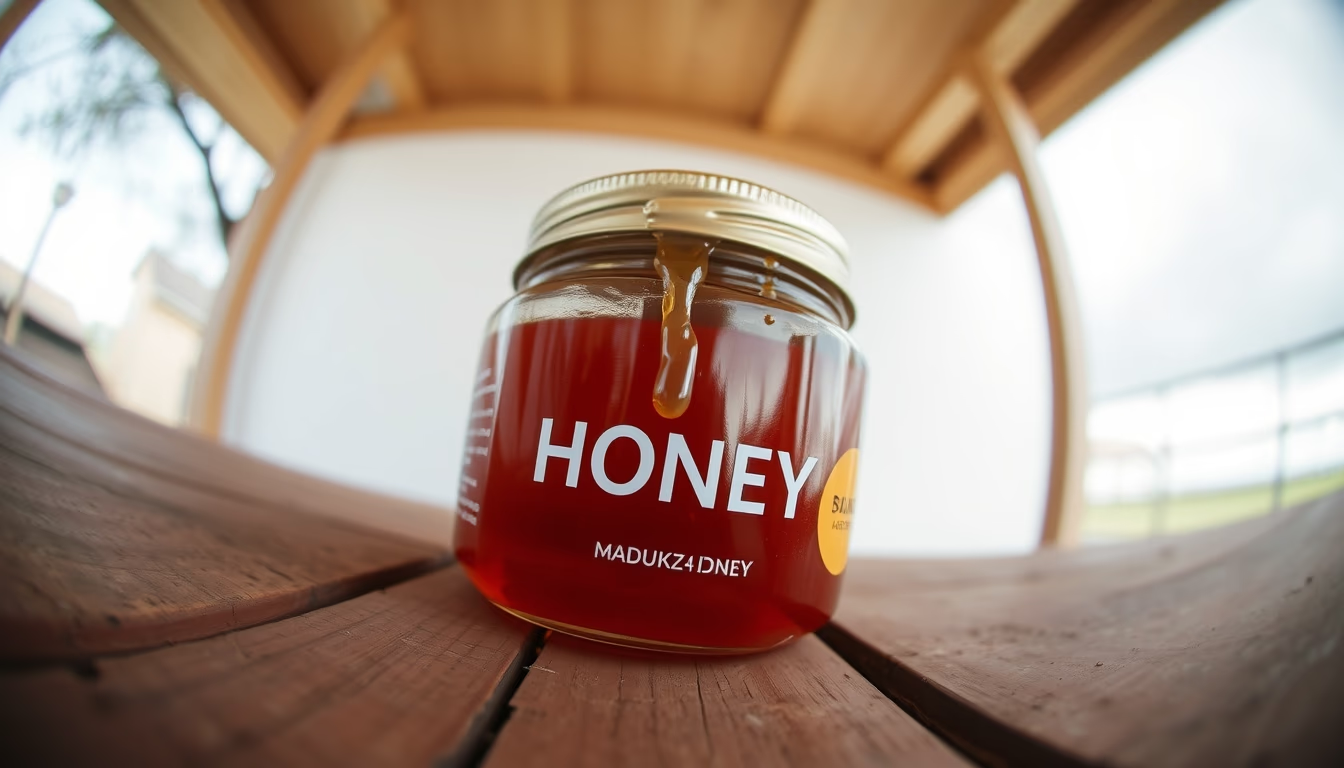
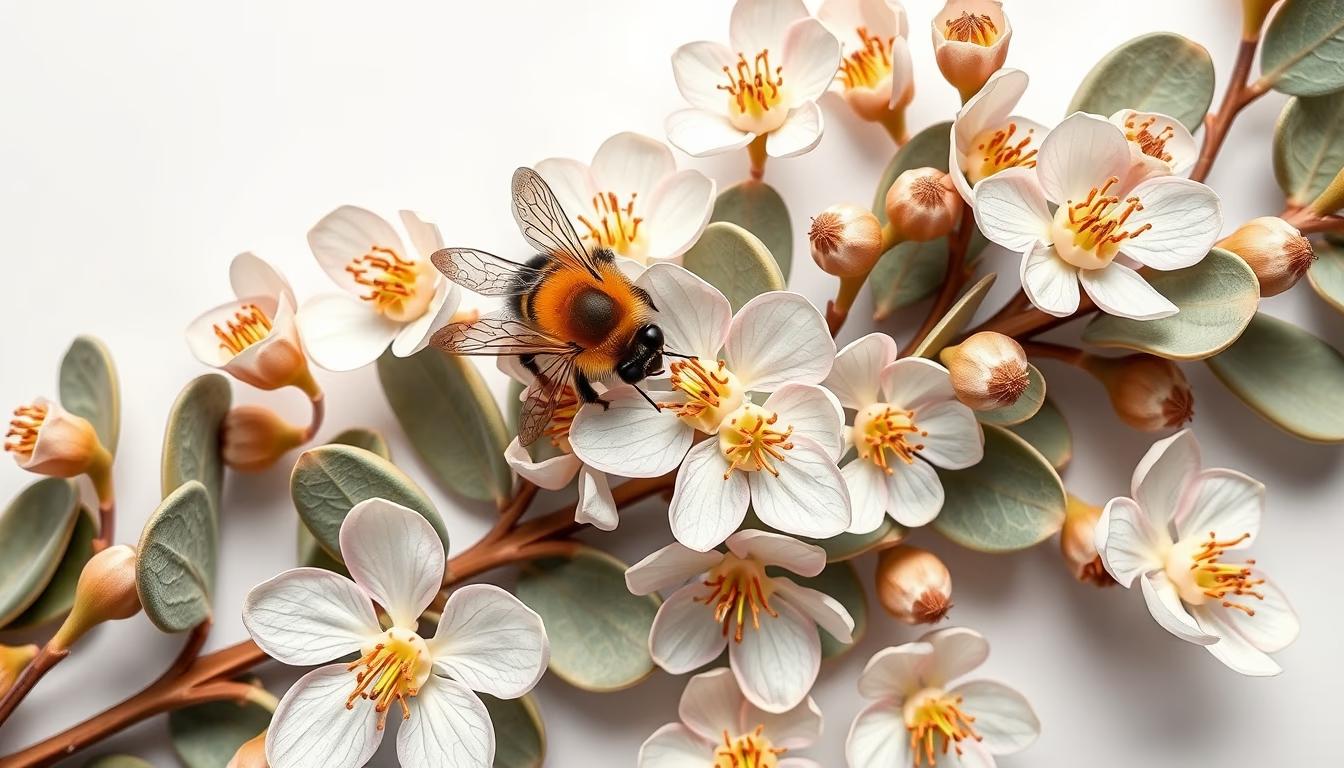
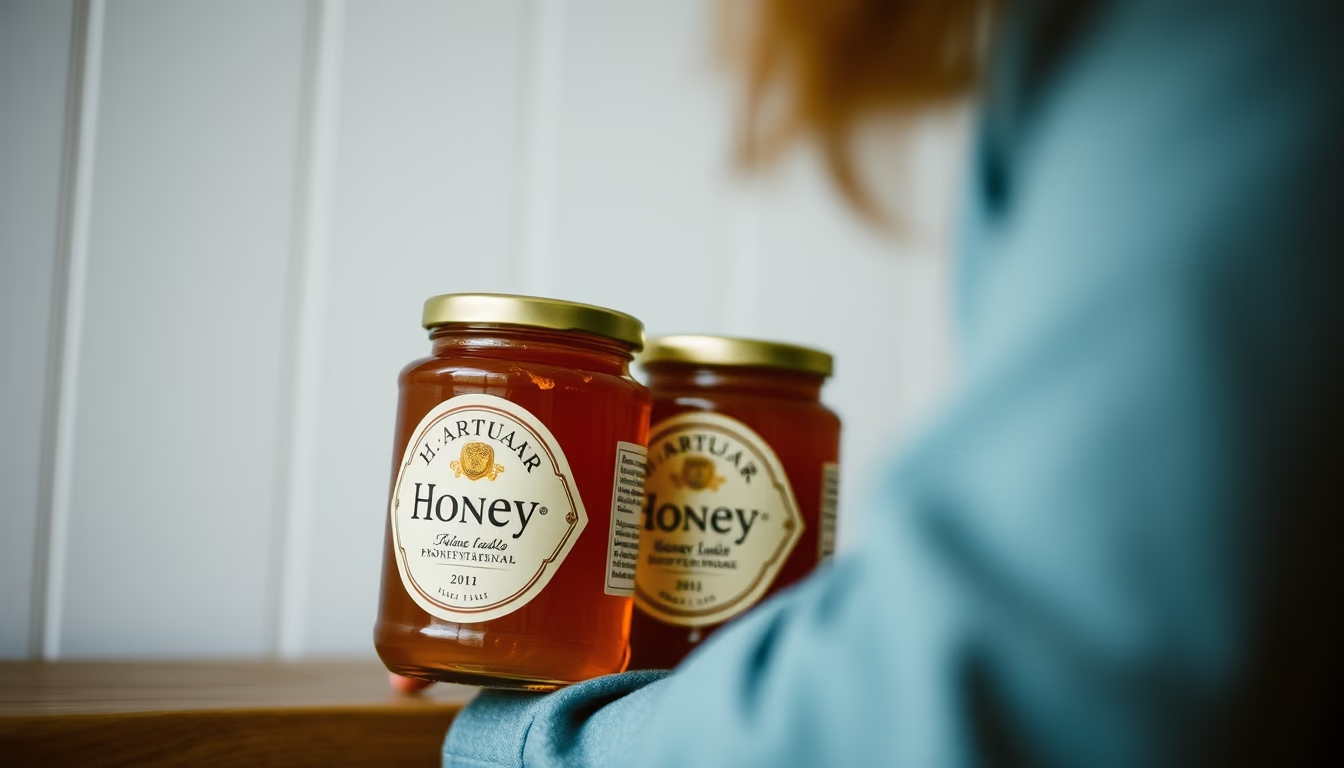
The chestnut tree, Castanea sativa, is a deciduous tree native to temperate regions of the Northern Hemisphere, commonly found in Europe, Asia, and North America. Its flowering season occurs from May to July, depending on climate, when long yellow catkins open and release a characteristic scent. The flowers are rich in nectar and pollen, attracting bees and other pollinators. Chestnut honey, produced from this tree's nectar, is dark, intense, and slightly bitter, valued for its antioxidant properties. Although not native to Brazil, the chestnut tree is cultivated in mild climate regions such as the South, where it adapts well. The tree can reach 30 meters in height and live for centuries, also prized for its durable wood and edible chestnuts, a traditional ingredient in autumn dishes. Beyond economic value, the chestnut tree holds cultural significance in many societies: in Europe, it is associated with fertility and prosperity, and its forests are important ecosystems for biodiversity. Pollination largely depends on insects, and honey production varies with flowering intensity, which can be affected by weather conditions. Beekeeping in chestnut groves is a traditional activity in regions like Tuscany, Italy, and Galicia, Spain, where chestnut honey is a protected designation of origin product.
Frequently Asked Questions
When does the chestnut tree flower?
The chestnut tree flowers between May and July, depending on climate and location. The flowers are long yellow catkins that produce abundant nectar.
Is chestnut honey produced everywhere in Brazil?
No, chestnut honey is more common in temperate regions. In Brazil, it is mainly produced in the South, where chestnut trees are cultivated in mild climates.
What are the main characteristics of chestnut honey?
Chestnut honey is dark, intense, and slightly bitter, rich in antioxidants. It is valued for its strong flavor and medicinal properties, and is a typical product from regions like Tuscany and Galicia.
Direct URL
https://pub-c7d6a6ea828543ac903a74a341ccb2e1.r2.dev/imagens/flowering-chestnut-tree-film-grain-authentic-fresh15.avifHow to credit
Include a visible link back to UtilizAí. Copy one of the snippets below:
<a href="https://xn--utiliza-eza.com/en/midia/imagens/flowering-chestnut-tree-film-grain-authentic-fresh15">Flowering chestnut tree</a> by <a href="https://xn--utiliza-eza.com">UtilizAí</a>, licensed under <a href="https://creativecommons.org/licenses/by/4.0/">CC BY 4.0</a>.
[Flowering chestnut tree](https://xn--utiliza-eza.com/en/midia/imagens/flowering-chestnut-tree-film-grain-authentic-fresh15) by [UtilizAí](https://xn--utiliza-eza.com), CC BY 4.0
License: CC-BY-4.0