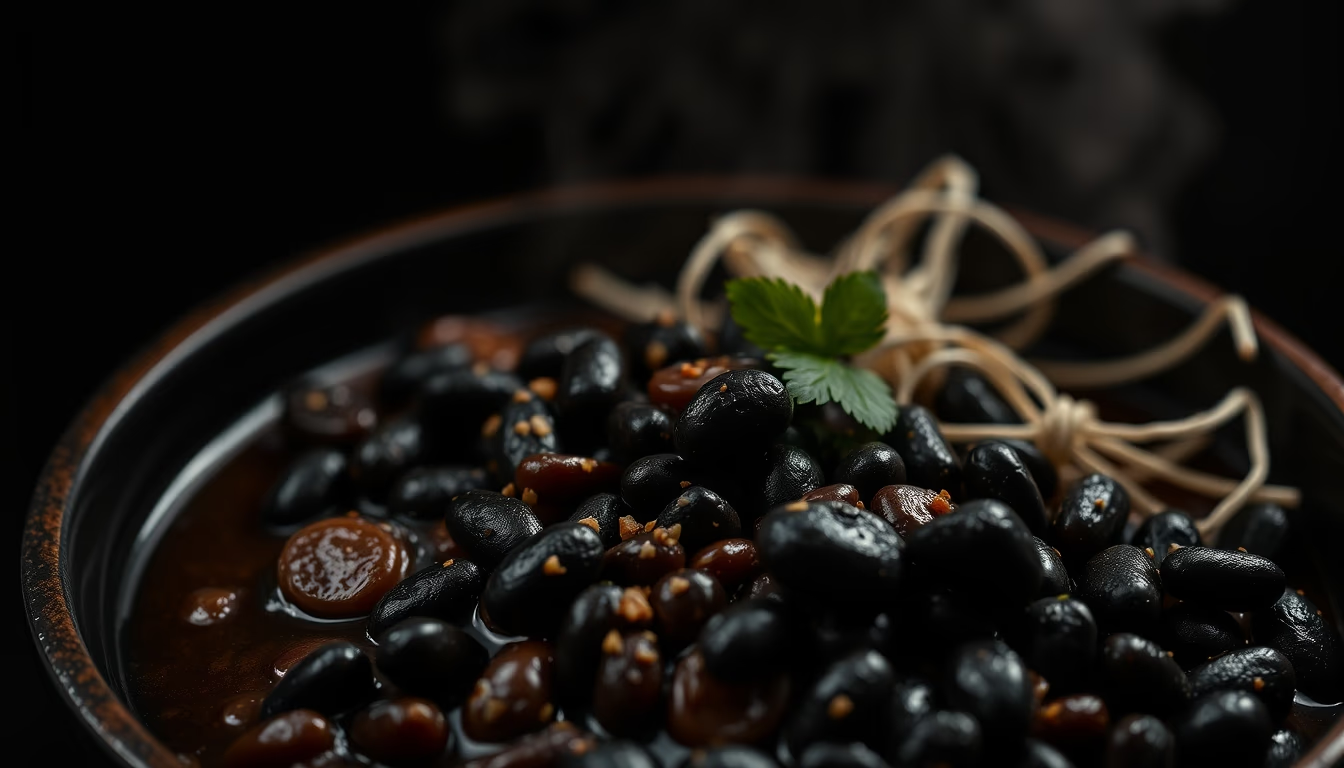
Feijoada brazilian black beans
1344×768 · AVIF · CC BY 4.0
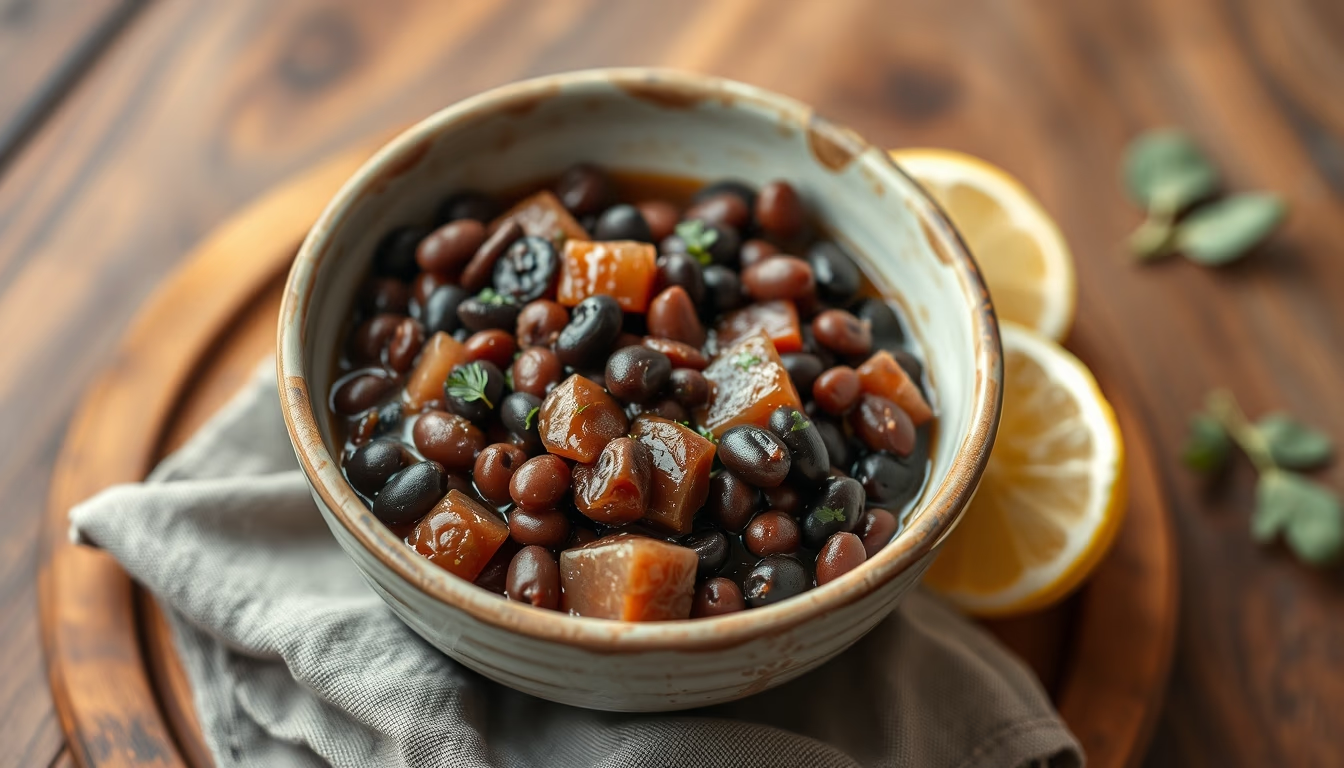
Feijoada is a black bean and pork stew, considered Brazil's national dish, with Afro-Brazilian origins and strong family traditions.
About this subject
Feijoada is one of the most iconic dishes in Brazilian cuisine, internationally recognized as a symbol of the country. It is a hearty stew made with black beans and a variety of pork cuts: ears, tail, feet, ribs, loin, as well as sausages (calabresa and paio) and jerked beef. Slow cooking in a clay or cast iron pot melds the flavors, resulting in a thick and aromatic broth.
The origins of feijoada date back to the colonial period, when African slaves used discarded pork cuts, cooking them with black beans. This version was adapted over centuries, incorporating Portuguese and indigenous ingredients, and became a festive dish. Today, feijoada is traditionally served on Wednesdays and Saturdays in bars and restaurants across Brazil, accompanied by white rice, sautéed collard greens, farofa (toasted cassava flour), pork rinds, orange slices, and vinaigrette.
Culturally, feijoada represents the fusion of African, Portuguese, and indigenous culinary heritage. Its preparation is a social event, families and friends gather for long lunches, with caipirinhas and conversation. Regional variations exist, such as the capixaba feijoada (with seafood) and vegetarian feijoada, but the traditional version remains favorite. In 2007, the National Institute of Historic and Artistic Heritage (IPHAN) recognized feijoada as an intangible cultural heritage of Brazil.
Frequently Asked Questions
What is the origin of feijoada?
Feijoada originated in colonial Brazil when African slaves cooked discarded pork cuts with black beans, later evolving with Portuguese and indigenous additions to become the national dish.
What are typical side dishes for feijoada?
Feijoada is served with white rice, sautéed collard greens, farofa (toasted cassava flour), pork rinds, orange slices, and vinaigrette. These sides balance the rich stew and add freshness.
Is feijoada considered cultural heritage?
Yes, in 2007 IPHAN (Brazilian National Institute of Historic and Artistic Heritage) recognized feijoada as an intangible cultural heritage of Brazil, emphasizing its role in national identity and food history.
Direct URL
https://pub-c7d6a6ea828543ac903a74a341ccb2e1.r2.dev/imagens/feijoada-brazilian-black-beans-documentary-nature-style-fresh16.avifHow to credit
Include a visible link back to UtilizAí. Copy one of the snippets below:
<a href="https://xn--utiliza-eza.com/en/midia/imagens/feijoada-brazilian-black-beans-documentary-nature-style-fresh16">Feijoada brazilian black beans</a> by <a href="https://xn--utiliza-eza.com">UtilizAí</a>, licensed under <a href="https://creativecommons.org/licenses/by/4.0/">CC BY 4.0</a>.
[Feijoada brazilian black beans](https://xn--utiliza-eza.com/en/midia/imagens/feijoada-brazilian-black-beans-documentary-nature-style-fresh16) by [UtilizAí](https://xn--utiliza-eza.com), CC BY 4.0
License: CC-BY-4.0