Fat bike snow trail
1344×768 · AVIF · CC BY 4.0
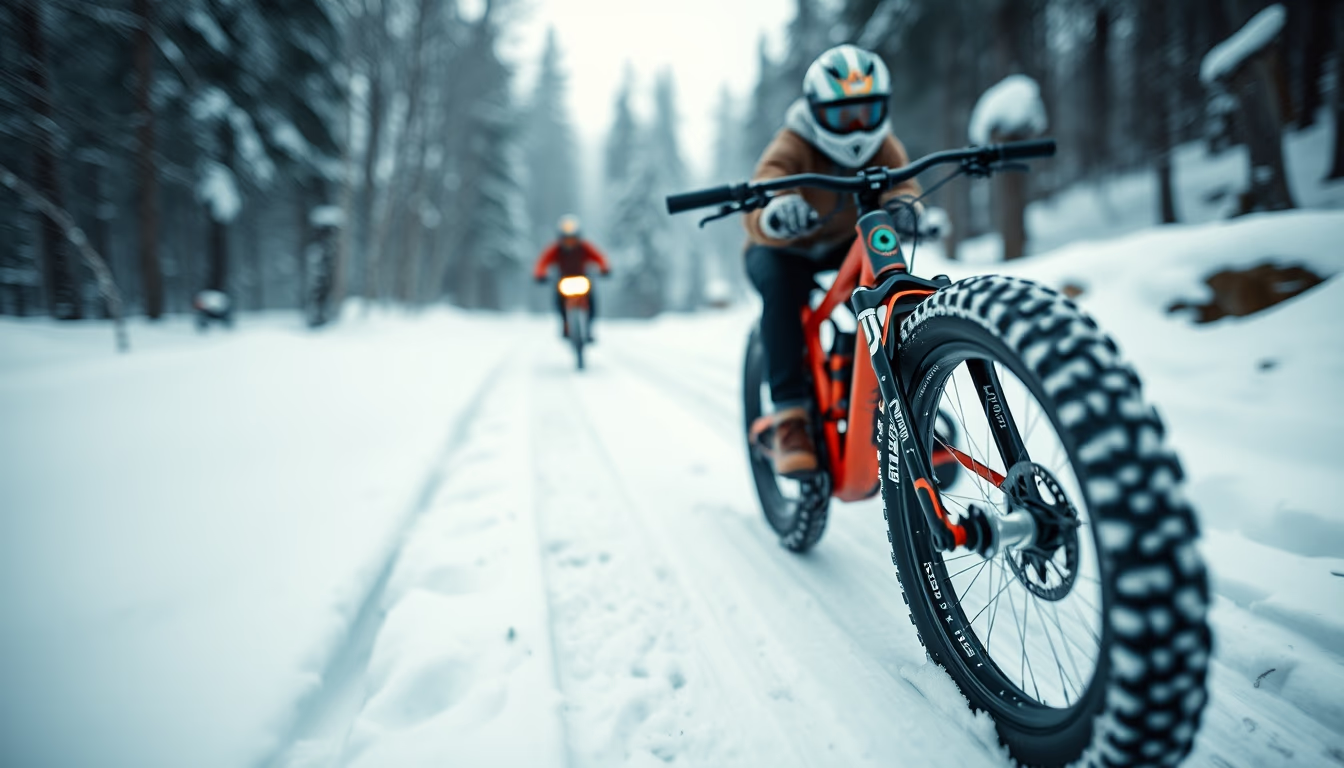
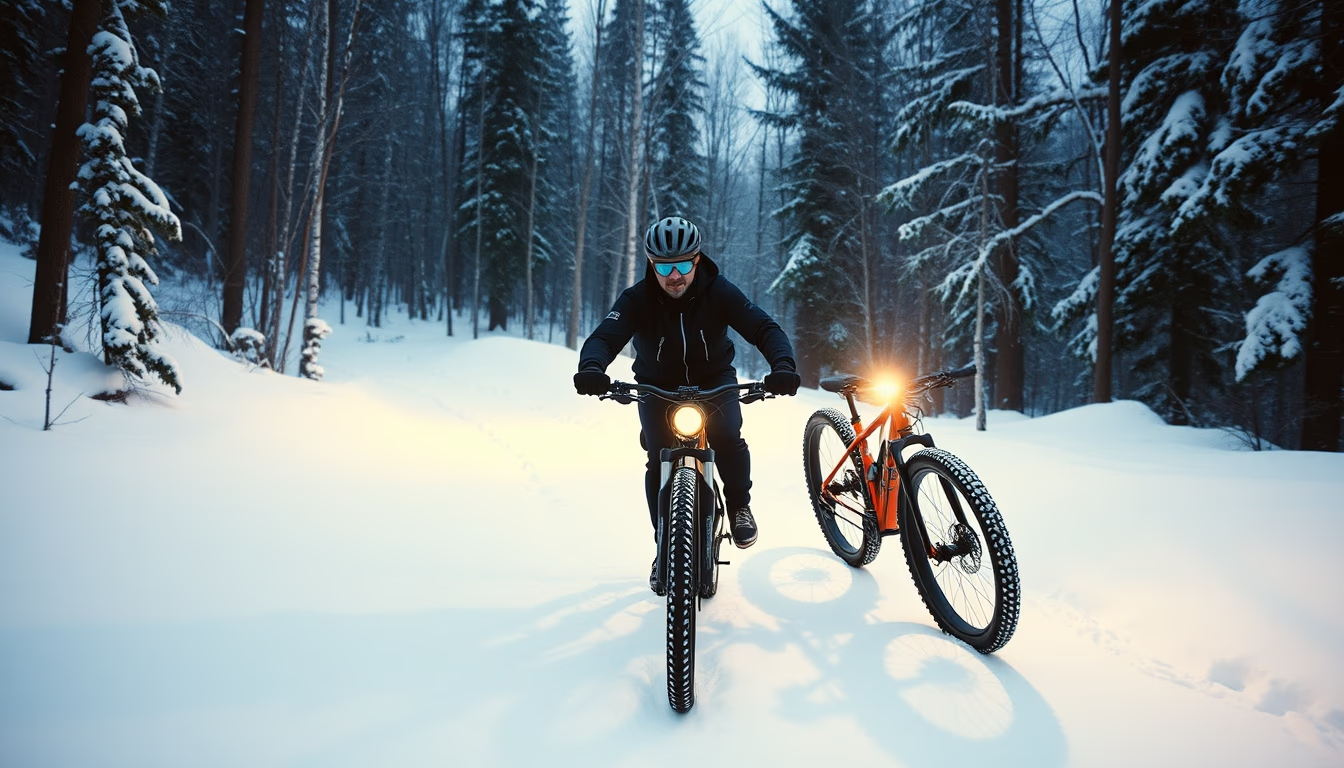
Fat bikes with wide tires make it easy to ride on snow trails, providing stability and fun in harsh conditions.
About this subject
Fat bikes are bicycles designed with oversized tires, typically 4 to 5 inches wide, running at low pressure (5 to 15 psi). This setup allows riding on soft surfaces like snow, sand, and mud without sinking, providing exceptional traction. The origin of this bike type dates back to the early 2000s, when cyclists in Alaska and Colorado began adapting mountain bikes with wider tires to ride on snow. Since then, the sport has grown, with dedicated events such as the Fat Bike Birkie in the United States and competitions in Scandinavia.
Riding on snow trails requires specific techniques. Corners demand body leaning and controlled front brake use to avoid skidding. Steep climbs call for weight forward and smooth pedaling to maintain grip. On descents, low tire pressure absorbs impacts and provides adhesion. Trail selection is also important: cross-country ski tracks or trails packed by snowmobiles are ideal, but fat bikes can handle deep powder with a bit more effort.
Although Brazil lacks snow in most regions, fat bikes are popular in dune and beach areas like Natal or São Luís. Cyclists there use the same wide-tire advantages to ride on soft sand. Interestingly, low pressure also helps on rocky terrain, as tires deform over obstacles. For beginners, it is recommended to start with higher pressures (around 15 psi) and gradually reduce as confidence builds.
The tilt-shift effect, common in aerial photography, can be used to create images of bikes in snow that look like miniature scenes. This technique, usually done with special lenses or digital editing, compresses perspective and blurs parts of the photo, highlighting the rider and trail against the white landscape. Although it does not alter the real riding experience, it offers a playful aesthetic that attracts many enthusiasts.
Frequently Asked Questions
What is the ideal tire pressure for a fat bike on snow?
Usually between 5 and 10 psi for deep snow, and up to 15 psi on packed trails. Adjust based on rider weight and trail conditions.
Are fat bikes suitable for beginners?
Yes, but they require adaptation due to tire width and extra weight. Start on flat terrain and practice turns and braking gently.
What is the tilt-shift effect in snow bike photos?
It is a photographic technique that simulates a miniature scene using selective blur and perspective distortion. In fat bike images, it highlights the trail and rider as if they were scale models.
Direct URL
https://pub-c7d6a6ea828543ac903a74a341ccb2e1.r2.dev/imagens/fat-bike-snow-trail-tilt-shift-miniature-fresh3.avifHow to credit
Include a visible link back to UtilizAí. Copy one of the snippets below:
<a href="https://xn--utiliza-eza.com/en/midia/imagens/fat-bike-snow-trail-tilt-shift-miniature-fresh3">Fat bike snow trail</a> by <a href="https://xn--utiliza-eza.com">UtilizAí</a>, licensed under <a href="https://creativecommons.org/licenses/by/4.0/">CC BY 4.0</a>.
[Fat bike snow trail](https://xn--utiliza-eza.com/en/midia/imagens/fat-bike-snow-trail-tilt-shift-miniature-fresh3) by [UtilizAí](https://xn--utiliza-eza.com), CC BY 4.0
License: CC-BY-4.0