Family planning savings at the dining table
1344×768 · AVIF · CC BY 4.0

Family financial planning: saving at the dinner table can have a big impact on the household budget.
About this subject
The dining table is one of the centers of family life, and it can also be a strategic point for saving money. In Brazil, where food inflation directly impacts household budgets, adopting habits such as planning weekly menus, making full use of food, and avoiding waste can reduce food expenses by up to 30%, according to home economics studies. This practice not only eases the budget but also promotes healthier and more sustainable eating.
The concept of 'saving at the table' goes beyond the supermarket. It also involves conscious use of resources like water and energy in food preparation, choosing seasonal products (which are cheaper and more nutritious), and reusing leftovers in new recipes. Many Brazilian families have discovered that cooking at home, instead of ordering delivery or eating out, can generate significant monthly savings, often enough to build an emergency fund or invest in education.
Interestingly, the practice of saving at the table has deep cultural roots in Brazil. During times of crisis, such as the hyperinflation of the 1980s and 1990s, housewives developed creative techniques to stretch the budget, such as using cassava flour to bulk up dishes or substituting expensive meats with plant-based proteins. Today, these skills are being rediscovered by a new generation seeking financial balance and sustainability.
From an investment perspective, the money saved on food can be directed toward low-risk investments like CDBs or government bonds, or used to pay off debt. Experts recommend that every saved real be treated with the same seriousness as an investment, as reducing expenses is as effective as increasing income for building wealth.
Frequently Asked Questions
How can I start saving on my family's food expenses?
Start by planning a weekly menu, making a shopping list based on it, and avoiding impulse purchases. Use food fully, reuse leftovers creatively, and prefer seasonal products, which are cheaper.
How much can I save per month with meal planning?
According to experts, it is possible to reduce food expenses by 20% to 30% with planning and waste reduction. For a family spending R$1,500 per month, that means saving R$300 to R$450.
Where should I invest the money saved on food?
Ideally, direct the savings to an emergency fund in low-risk investments like Tesouro Selic or CDBs with daily liquidity. Later, you can diversify into investment funds or private pension plans.
Direct URL
https://pub-c7d6a6ea828543ac903a74a341ccb2e1.r2.dev/imagens/family-planning-savings-at-the-dining-table-closeup-twilight-4.avifHow to credit
Include a visible link back to UtilizAí. Copy one of the snippets below:
<a href="https://xn--utiliza-eza.com/en/midia/imagens/family-planning-savings-at-the-dining-table-closeup-twilight-4">Family planning savings at the dining table</a> by <a href="https://xn--utiliza-eza.com">UtilizAí</a>, licensed under <a href="https://creativecommons.org/licenses/by/4.0/">CC BY 4.0</a>.
[Family planning savings at the dining table](https://xn--utiliza-eza.com/en/midia/imagens/family-planning-savings-at-the-dining-table-closeup-twilight-4) by [UtilizAí](https://xn--utiliza-eza.com), CC BY 4.0
License: CC-BY-4.0
Tags
Related images
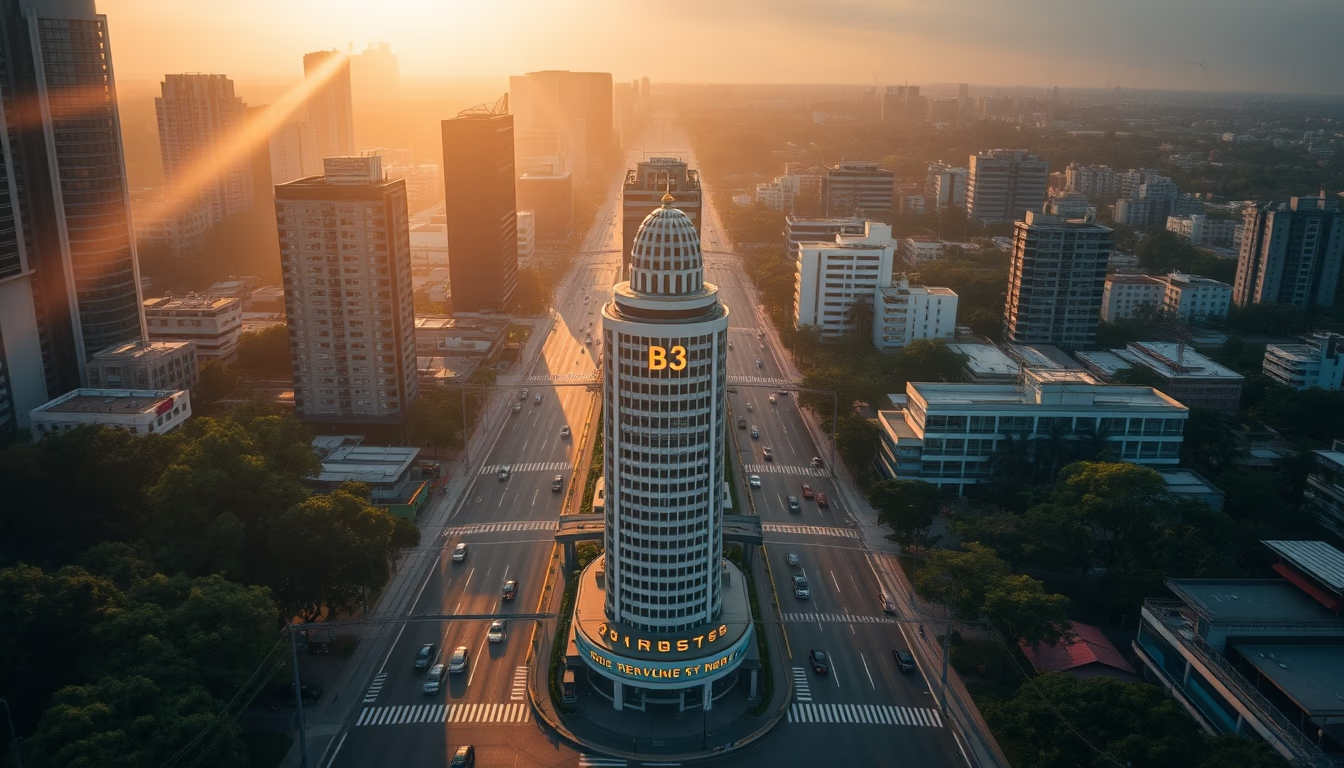 Aerial view of São Paulo financial district at golden hour with B3 building
 Aerial view of São Paulo financial district at golden hour with B3 building
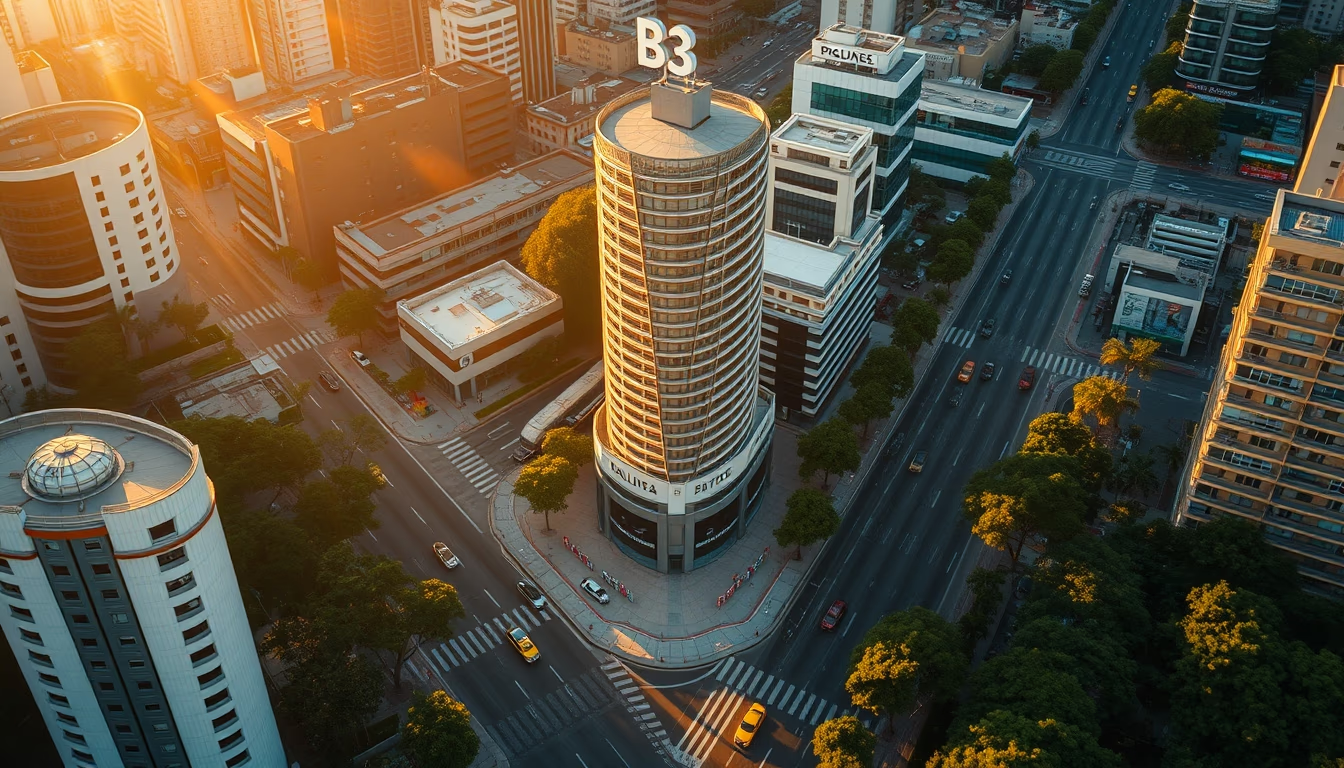 Aerial view of São Paulo financial district at golden hour with B3 building
 Aerial view of São Paulo financial district at golden hour with B3 building
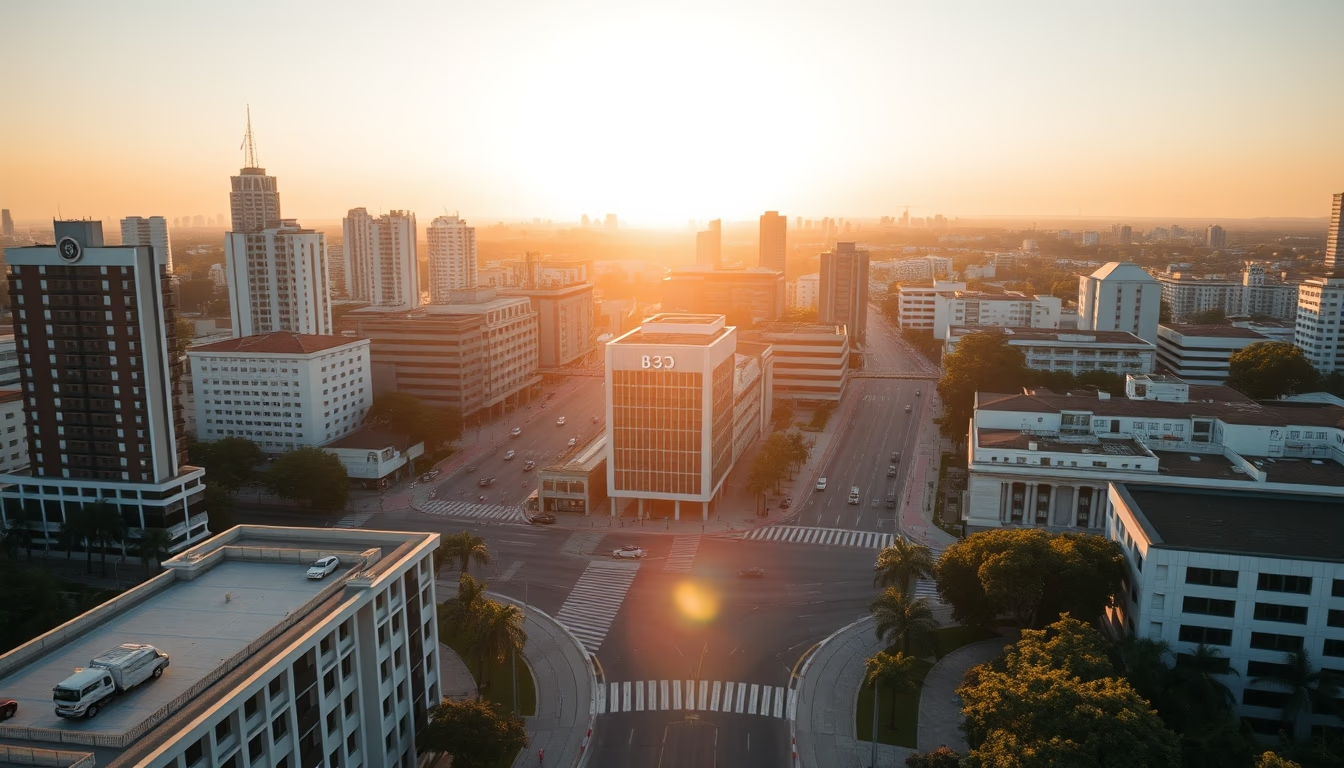 Aerial view of São Paulo financial district at golden hour with B3 building
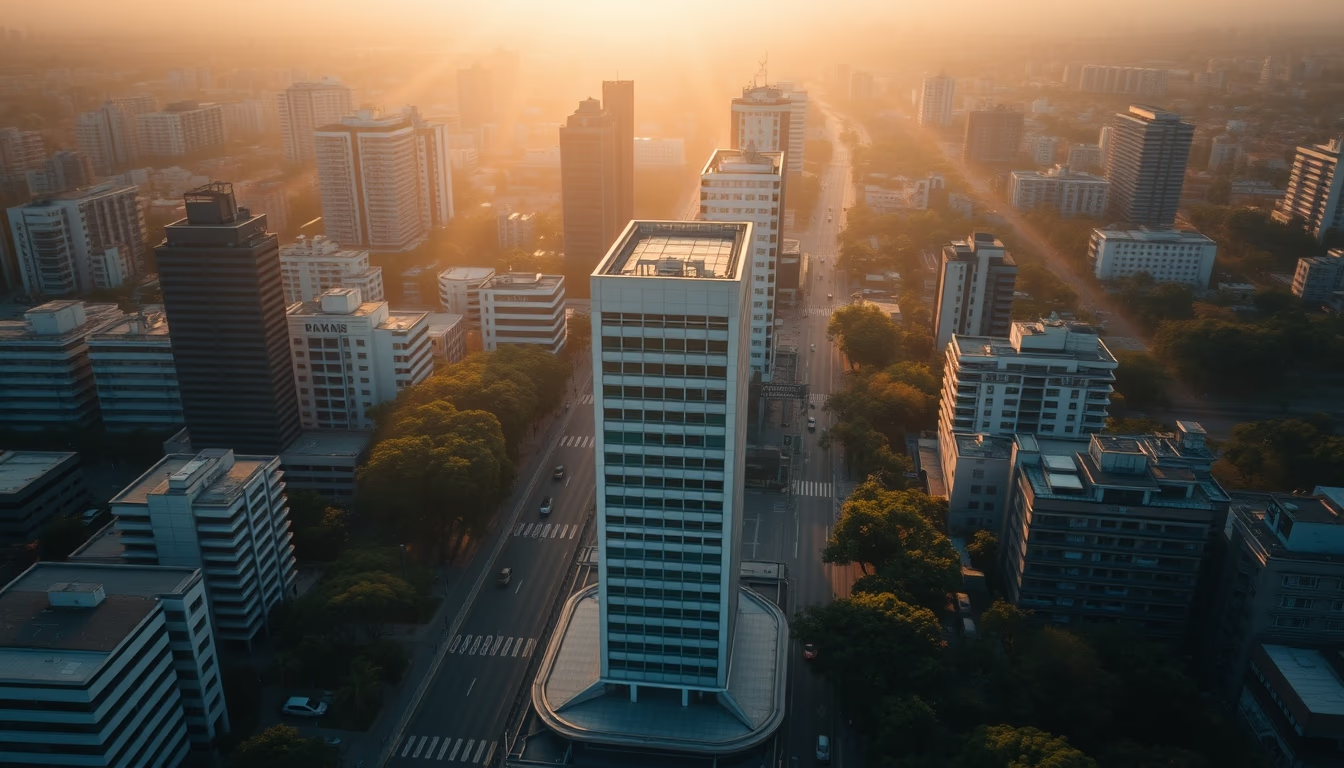 Aerial view of São Paulo financial district at golden hour with B3 building