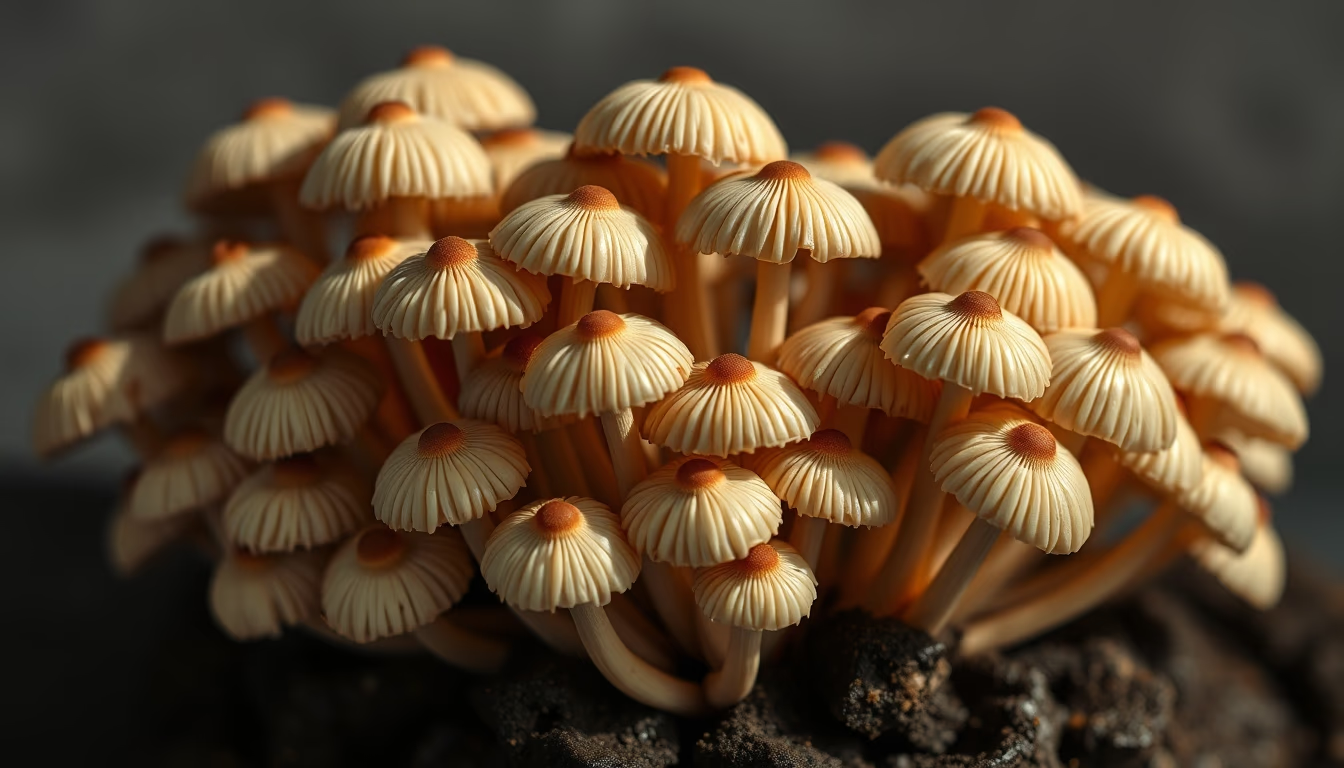
Enoki mushroom cluster
1344×768 · AVIF · CC BY 4.0
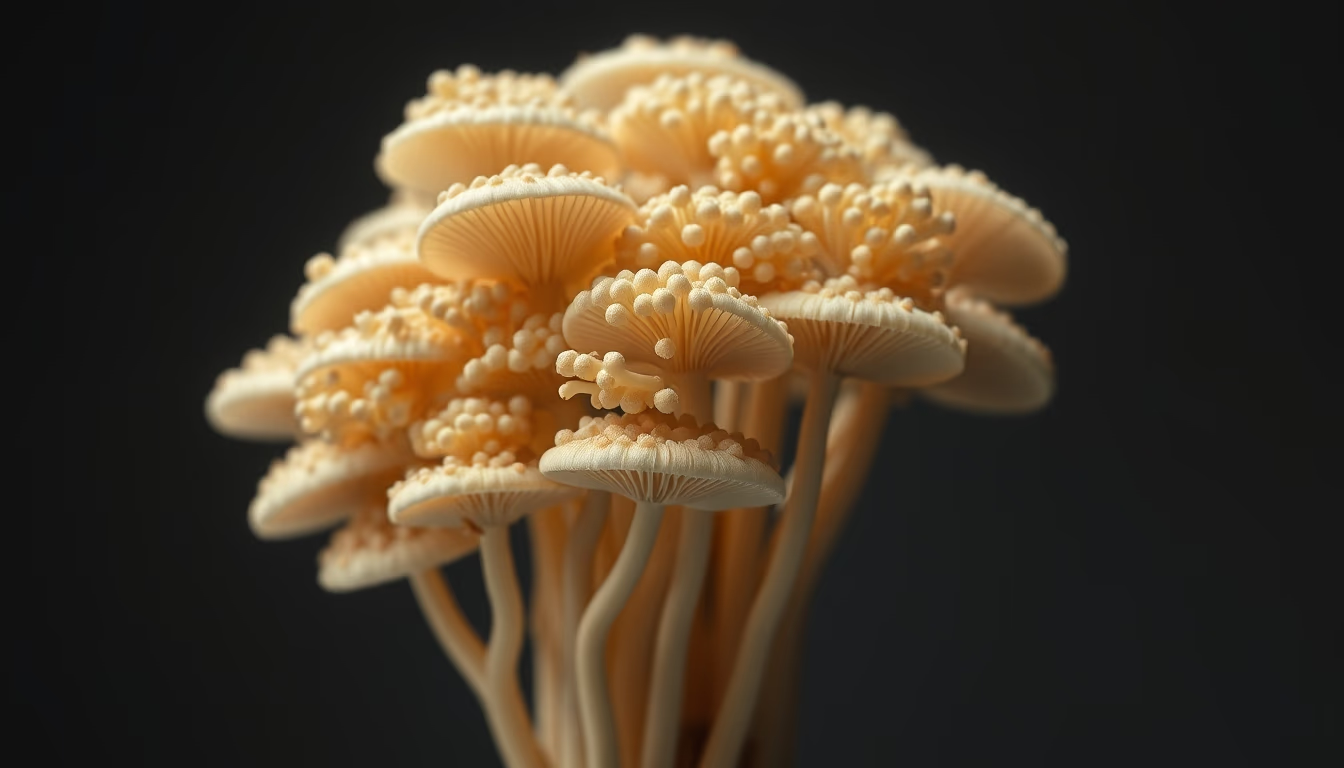
Enoki mushrooms, scientifically known as Flammulina filiformis, are edible fungi with long, thin stems, popular in Asian cuisine.
About this subject
Enoki mushrooms (Flammulina filiformis, formerly Flammulina velutipes) are edible fungi widely cultivated and consumed in countries like Japan, China, and Korea. Their distinctive appearance includes long, thin stems with a white or cream color and small rounded caps. In the wild, they grow on decaying wood, especially logs of deciduous trees during autumn and winter, but commercial specimens are grown in controlled environments to achieve the elongated, pale look.
In gastronomy, enokis are valued for their crunchy texture and mild, slightly sweet flavor. They are common ingredients in soups, such as Japanese nabemono, salads, stir-fries, and fried dishes. They can be eaten raw or cooked, but brief cooking is recommended to soften and enhance the taste. Nutritionally, they are low in calories, rich in fiber, B vitamins, and minerals like potassium and phosphorus. Studies suggest they contain bioactive compounds with antioxidant and immune-stimulating potential.
Commercial cultivation of enoki is a fascinating process. Growers inoculate sawdust or grain-based substrate with fungal spores, maintaining high humidity and low light. To promote elongated stems, low concentrations of carbon dioxide and controlled temperatures are applied. The result is the dense clusters we see in supermarkets. It is important to note that enoki could be confused with toxic mushrooms, but the cultivated version is safe and widely available.
In Japan, there is a wild variety called 'enokitake' with shorter, darker stems. The cultivated white version was developed to suit Western markets. Today, enoki is one of the most consumed mushrooms globally, alongside shiitake and button mushrooms, thanks to its versatility and ease of cultivation.
Frequently Asked Questions
Can enoki mushrooms be eaten raw?
Yes, enoki can be eaten raw, but it is more common to cook them lightly to improve texture and flavor. Cooking also reduces the risk of bacterial contamination, though cultivated mushrooms are safe.
What is the difference between wild and cultivated enoki?
Wild enoki (enokitake) has shorter, darker stems with brown caps, growing on dead wood. Cultivated enoki is white with very long stems, a result of controlled low-light and CO2 conditions.
Do enoki mushrooms have nutritional value?
Yes, they are low in calories and rich in fiber, B vitamins, and minerals like potassium and phosphorus. They also contain antioxidants that may benefit the immune system.
Direct URL
https://pub-c7d6a6ea828543ac903a74a341ccb2e1.r2.dev/imagens/enoki-mushroom-cluster-studio-editorial-portrait-p6.avifHow to credit
Include a visible link back to UtilizAí. Copy one of the snippets below:
<a href="https://xn--utiliza-eza.com/en/midia/imagens/enoki-mushroom-cluster-studio-editorial-portrait-p6">Enoki mushroom cluster</a> by <a href="https://xn--utiliza-eza.com">UtilizAí</a>, licensed under <a href="https://creativecommons.org/licenses/by/4.0/">CC BY 4.0</a>.
[Enoki mushroom cluster](https://xn--utiliza-eza.com/en/midia/imagens/enoki-mushroom-cluster-studio-editorial-portrait-p6) by [UtilizAí](https://xn--utiliza-eza.com), CC BY 4.0
License: CC-BY-4.0