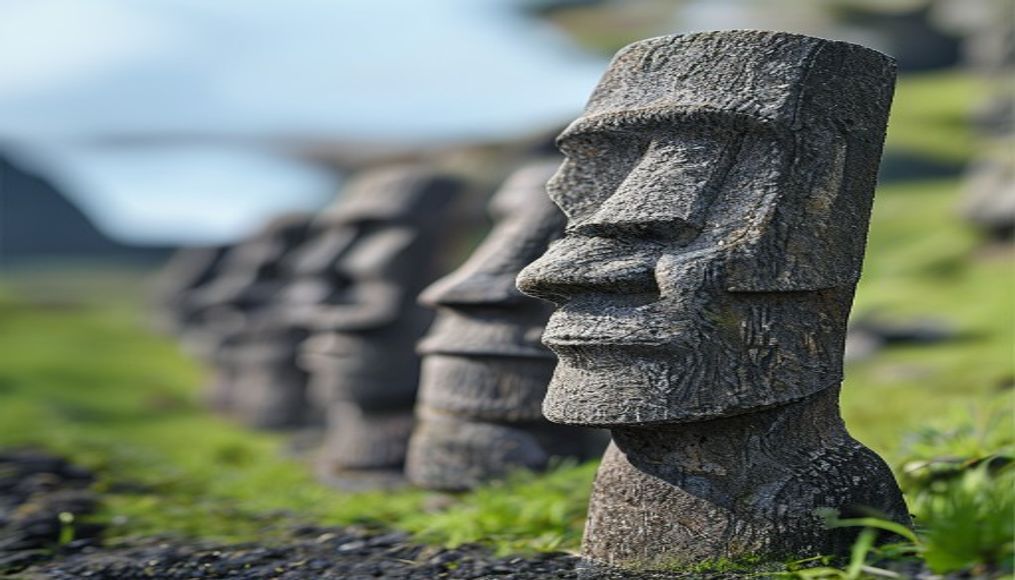
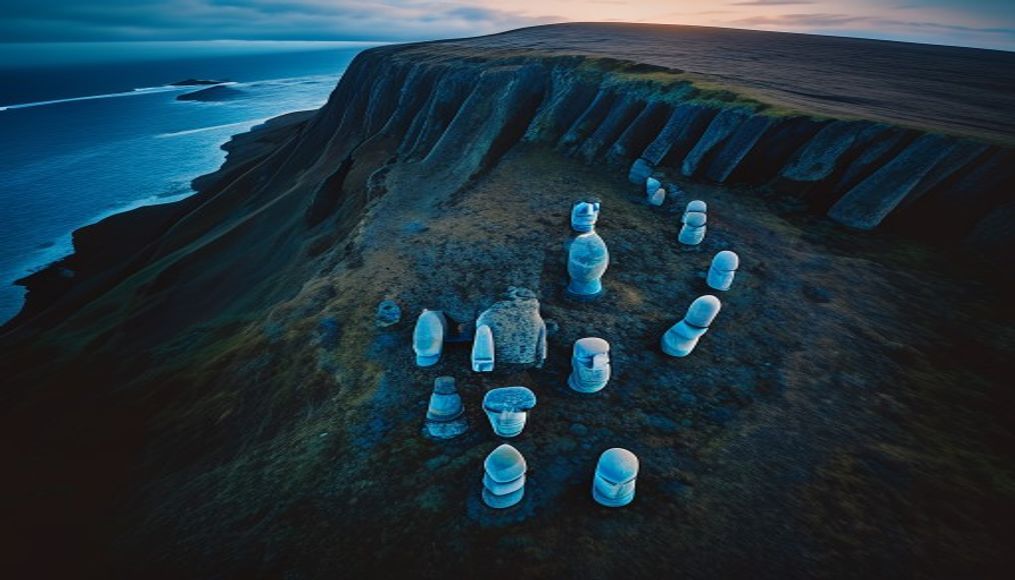
Easter island moai row
1344×768 · AVIF · CC BY 4.0
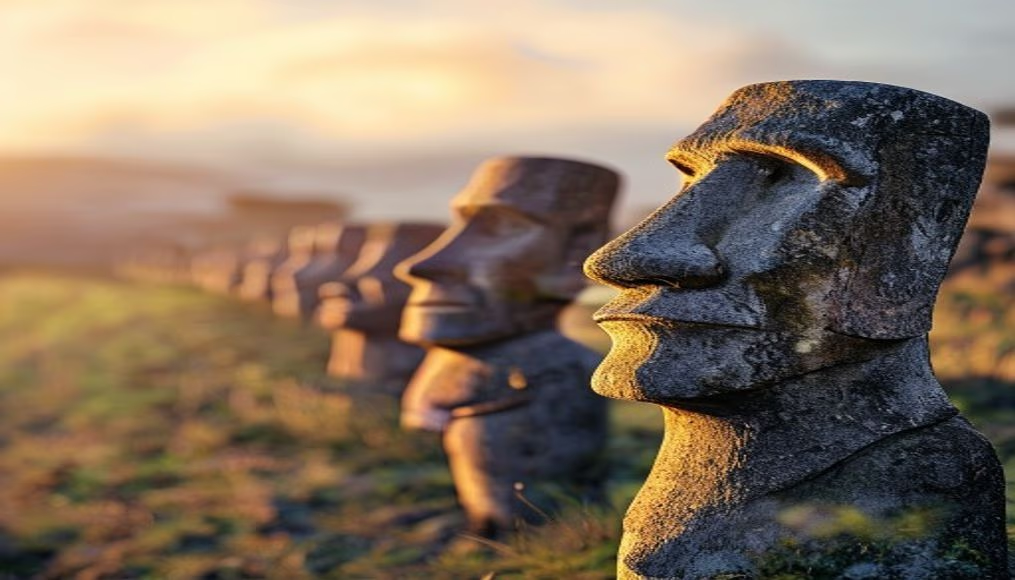
The Moai of Easter Island are monolithic statues carved by the Rapa Nui people between the 13th and 16th centuries, representing deified ancestors.
About this subject
The Moai are massive stone heads and torsos made of volcanic rock that dot Easter Island, a remote Chilean territory in the South Pacific. Carved mainly from volcanic tuff at the Rano Raraku quarry, these monuments reach up to 10 meters in height and weigh over 80 metric tons. The Rapa Nui people carved approximately 900 Moai between 1250 and 1500 AD, each representing an important ancestor believed to have supernatural powers to protect the community.
Building and moving these enormous statues is an impressive engineering feat. It is believed that the Rapa Nui used tree trunks, ropes, and human power to move the statues horizontally, using a rocking or dragging method. About one-third of the Moai remain at the Rano Raraku quarry, unfinished or in transit. The row of Moai at Ahu Tongariki, the largest ceremonial platform on the island, displays 15 restored statues that testify to the social and religious complexity of the Rapa Nui civilization.
The significance of the Moai goes beyond ancestry. They were part of an ancestor cult and were thought to emanate mana, a spiritual force that brought prosperity and fertility to the tribe's lands. Each Moai had eyes carved from white coral and obsidian that were inserted in specific rituals, activating their power. The location of the statues on coastal platforms (ahus) facing inland suggests they watched over and protected the community.
The collapse of the Rapa Nui society, possibly due to deforestation and internal conflicts, resulted in many Moai being toppled. From the 19th century onward, European missionaries and explorers took some statues to overseas museums. Today, Easter Island is a UNESCO World Heritage Site and the Moai stand as an enduring symbol of human ingenuity, attracting researchers and tourists from around the world.
Frequently Asked Questions
How many Moai are there on Easter Island?
There are approximately 900 Moai scattered across the island, including about 400 still at the Rano Raraku quarry.
How were the Moai transported?
Likely using tree trunks as rollers, ropes, and human power. Recent studies suggest a rocking motion, simulating walking.
What did the Moai's eyes signify?
The eyes of coral and obsidian were inserted during ceremonies to activate the Moai's mana, connecting the ancestor to the community and bringing protection.
Direct URL
https://pub-c7d6a6ea828543ac903a74a341ccb2e1.r2.dev/imagens/easter-island-moai-row-cinematic-wide-shot-p1.avifHow to credit
Include a visible link back to UtilizAí. Copy one of the snippets below:
<a href="https://xn--utiliza-eza.com/en/midia/imagens/easter-island-moai-row-cinematic-wide-shot-p1">Easter island moai row</a> by <a href="https://xn--utiliza-eza.com">UtilizAí</a>, licensed under <a href="https://creativecommons.org/licenses/by/4.0/">CC BY 4.0</a>.
[Easter island moai row](https://xn--utiliza-eza.com/en/midia/imagens/easter-island-moai-row-cinematic-wide-shot-p1) by [UtilizAí](https://xn--utiliza-eza.com), CC BY 4.0
License: CC-BY-4.0