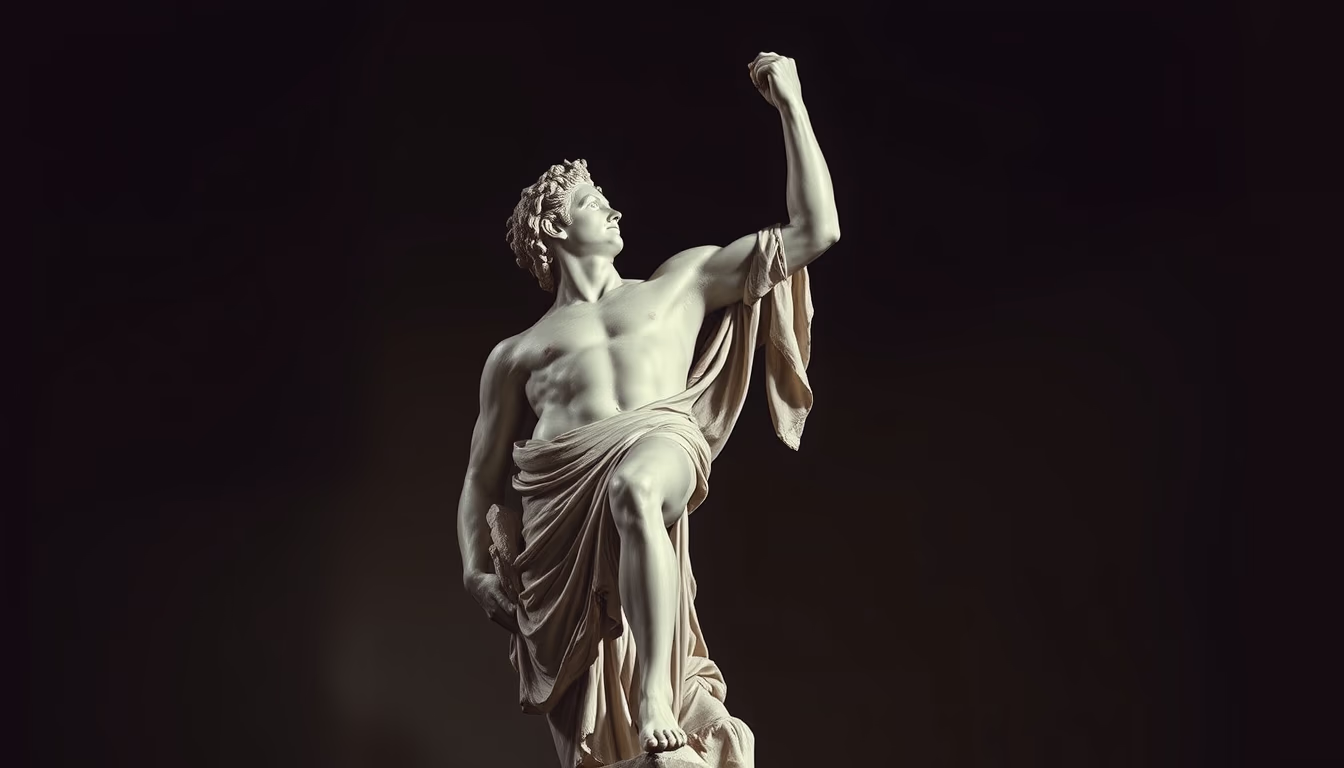
Discobolus statue greek
1344×768 · AVIF · CC BY 4.0
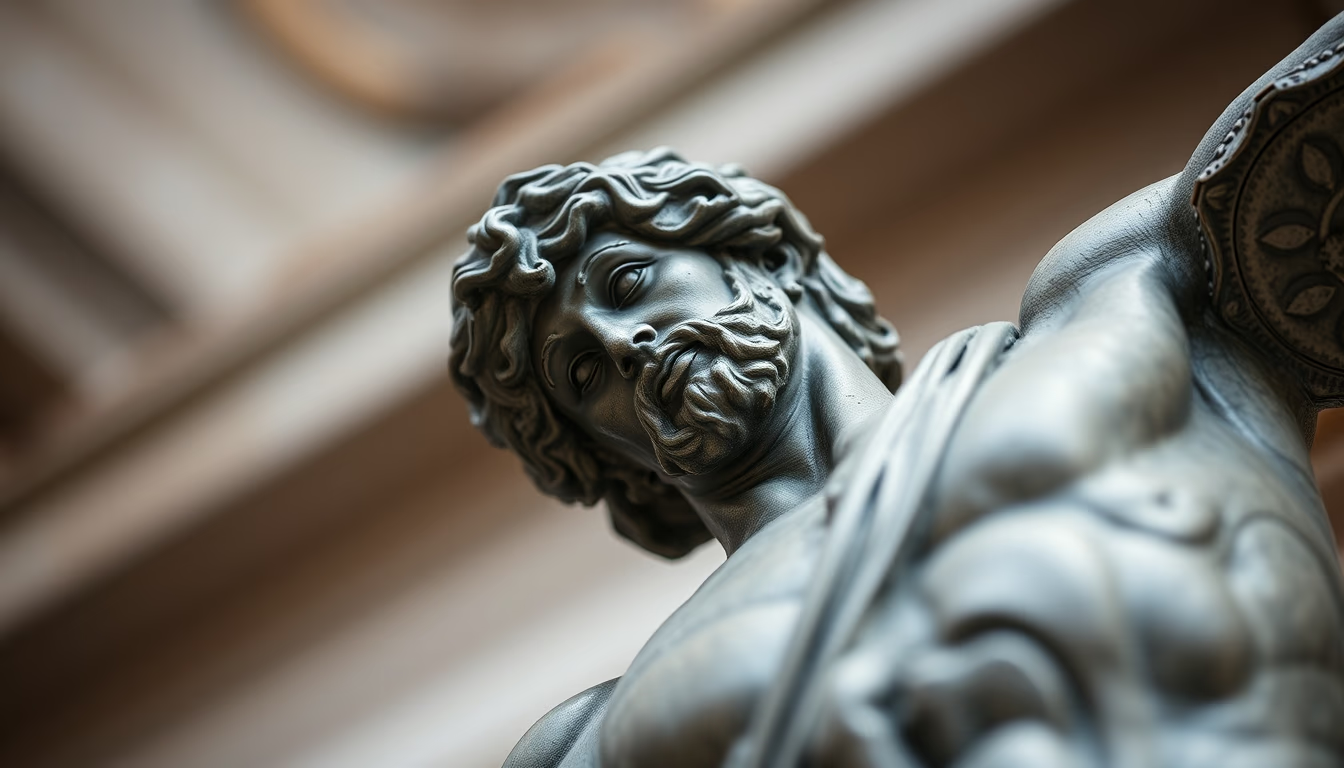
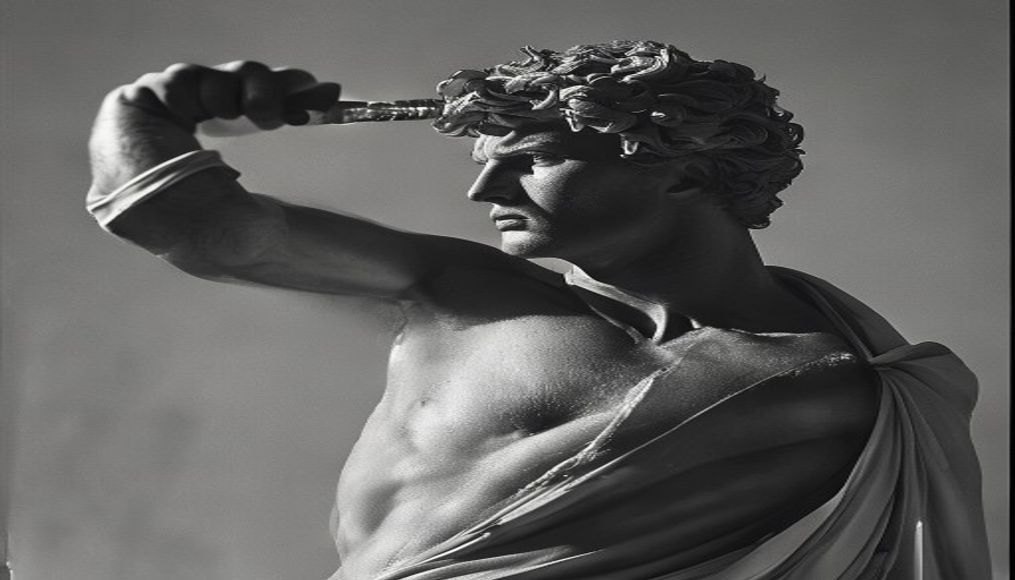
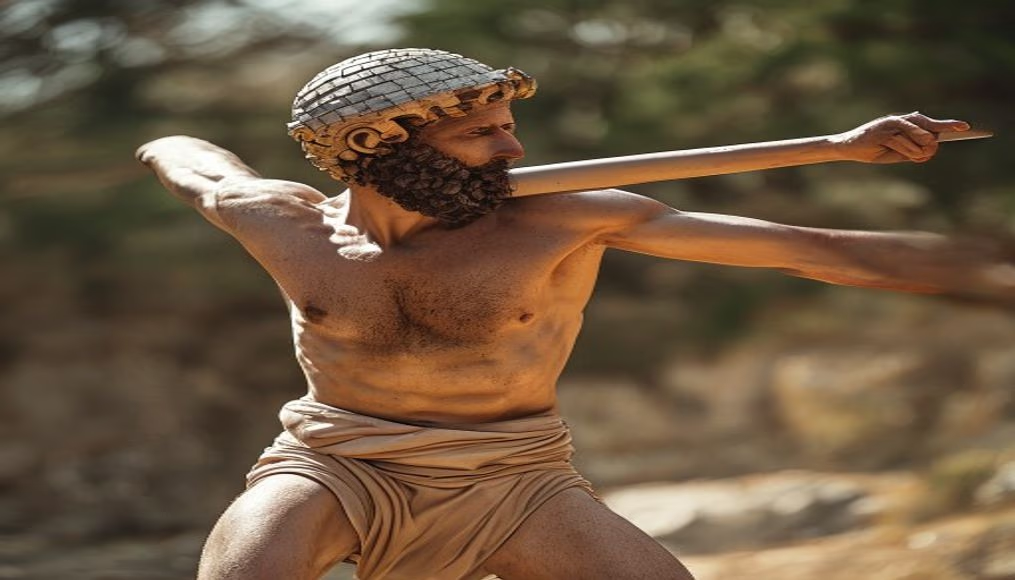
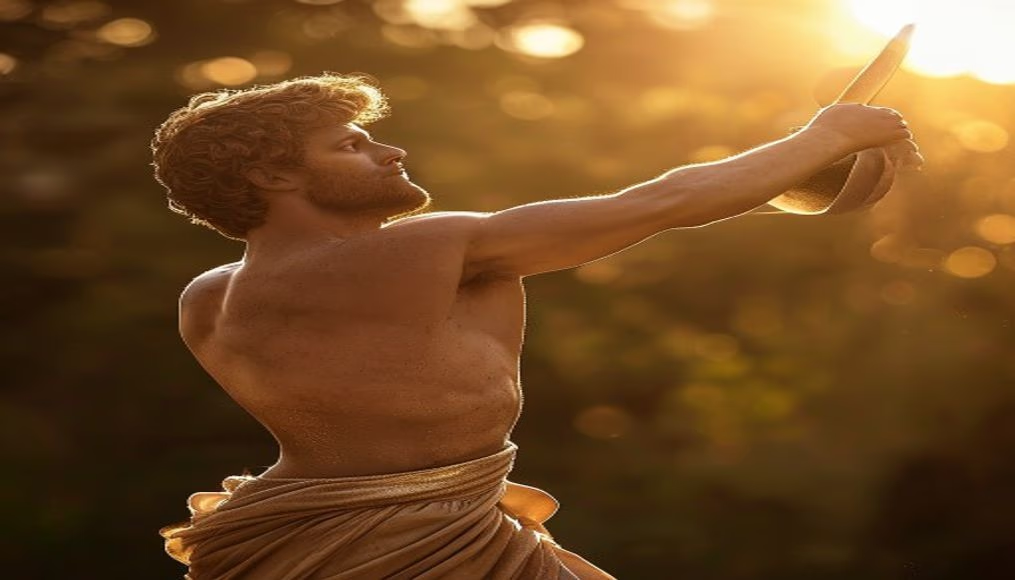
Myron's Discobolus is one of the most iconic sculptures of ancient Greece, depicting an athlete in mid-action at the peak of discus throwing.
About this subject
The Discobolus, Greek for 'discus thrower', is a classical statue created by the sculptor Myron around 460-450 BC. The original was cast in bronze and has been lost, but several Roman marble copies survive, with the most famous housed in the National Roman Museum (Palazzo Massimo) and the British Museum. The sculpture captures an athlete at the precise moment of the throw, with his body coiled and arms extended, conveying a sense of tension and frozen motion.
The work reflects the Greek ideal of physical perfection and the importance of athletics in Hellenic culture, particularly in events like the ancient Olympic Games. The Discobolus's pose is a study in balance and anatomy: the body's weight rests on one leg while the other projects backward, and the face maintains a serene expression characteristic of the Classical style. Muscles and bone structure are rendered with remarkable accuracy, demonstrating Myron's technical mastery.
A little-known curiosity is that the position of the Discobolus's right arm has been debated among archaeologists. In some Roman copies, the arm is drawn back as if the athlete is preparing to throw, but modern studies suggest the correct position would have the arm extended forward, following the dynamics of the actual movement. This ambiguity highlights the challenges of reconstructing ancient works from later copies.
The Discobolus has influenced Western art for centuries, appearing in paintings, reliefs, and even logos of sports competitions. The statue symbolizes not only athletic prowess but also the Greek pursuit of harmony between body and mind, a concept known as 'kalokagathia'.
Frequently Asked Questions
Who sculpted the Discobolus?
The Discobolus was sculpted by the Greek artist Myron, active in Athens around 480-440 BC. He was renowned for his realistic depictions of athletes and animals.
Where can I see the original Discobolus?
The original bronze is lost. The most famous Roman marble copies are at the National Roman Museum (Palazzo Massimo) in Rome and the British Museum in London.
What is the significance of the Discobolus in Greek art?
The Discobolus embodies the classical ideal of athletic beauty and balance, capturing human movement with anatomical precision. It is an enduring symbol of Greek sports culture and aesthetics.
Direct URL
https://pub-c7d6a6ea828543ac903a74a341ccb2e1.r2.dev/imagens/discobolus-statue-greek-macro-closeup-p4.avifHow to credit
Include a visible link back to UtilizAí. Copy one of the snippets below:
<a href="https://xn--utiliza-eza.com/en/midia/imagens/discobolus-statue-greek-macro-closeup-p4">Discobolus statue greek</a> by <a href="https://xn--utiliza-eza.com">UtilizAí</a>, licensed under <a href="https://creativecommons.org/licenses/by/4.0/">CC BY 4.0</a>.
[Discobolus statue greek](https://xn--utiliza-eza.com/en/midia/imagens/discobolus-statue-greek-macro-closeup-p4) by [UtilizAí](https://xn--utiliza-eza.com), CC BY 4.0
License: CC-BY-4.0