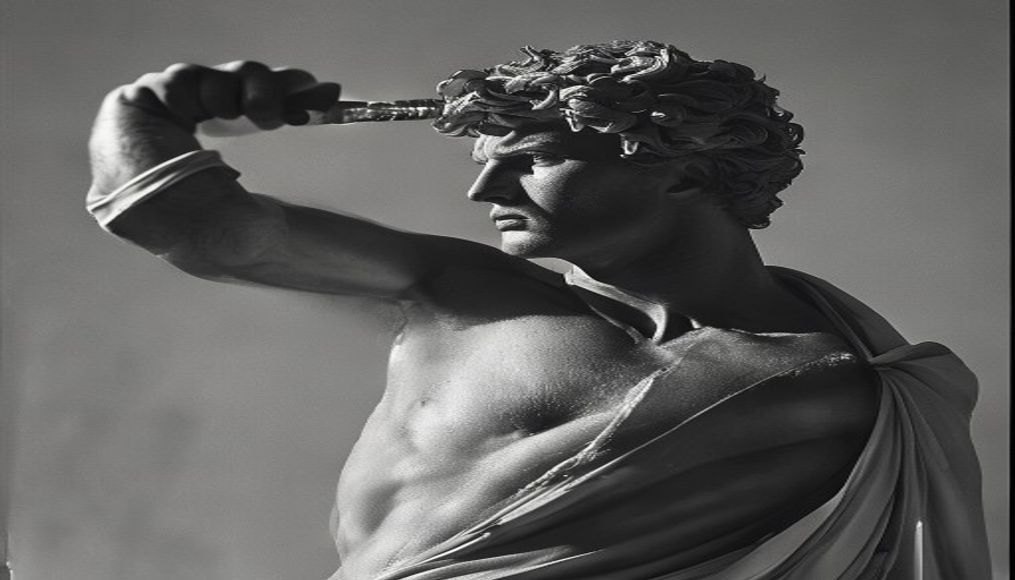
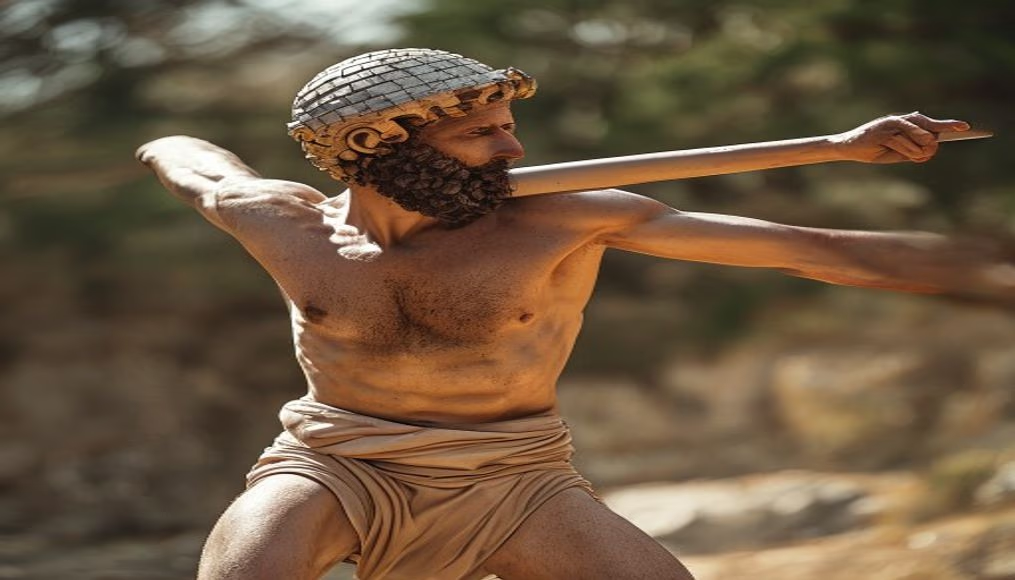
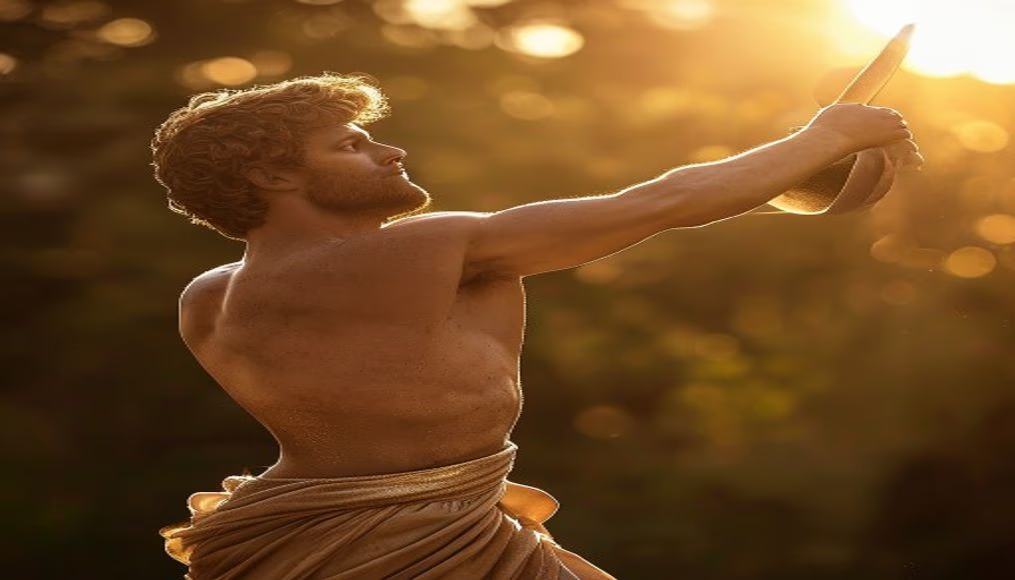
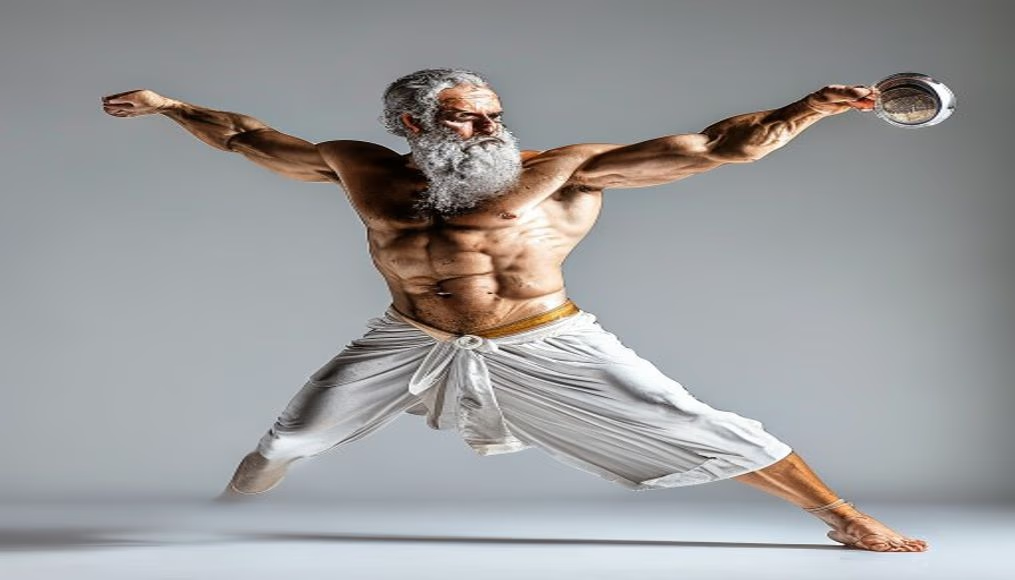
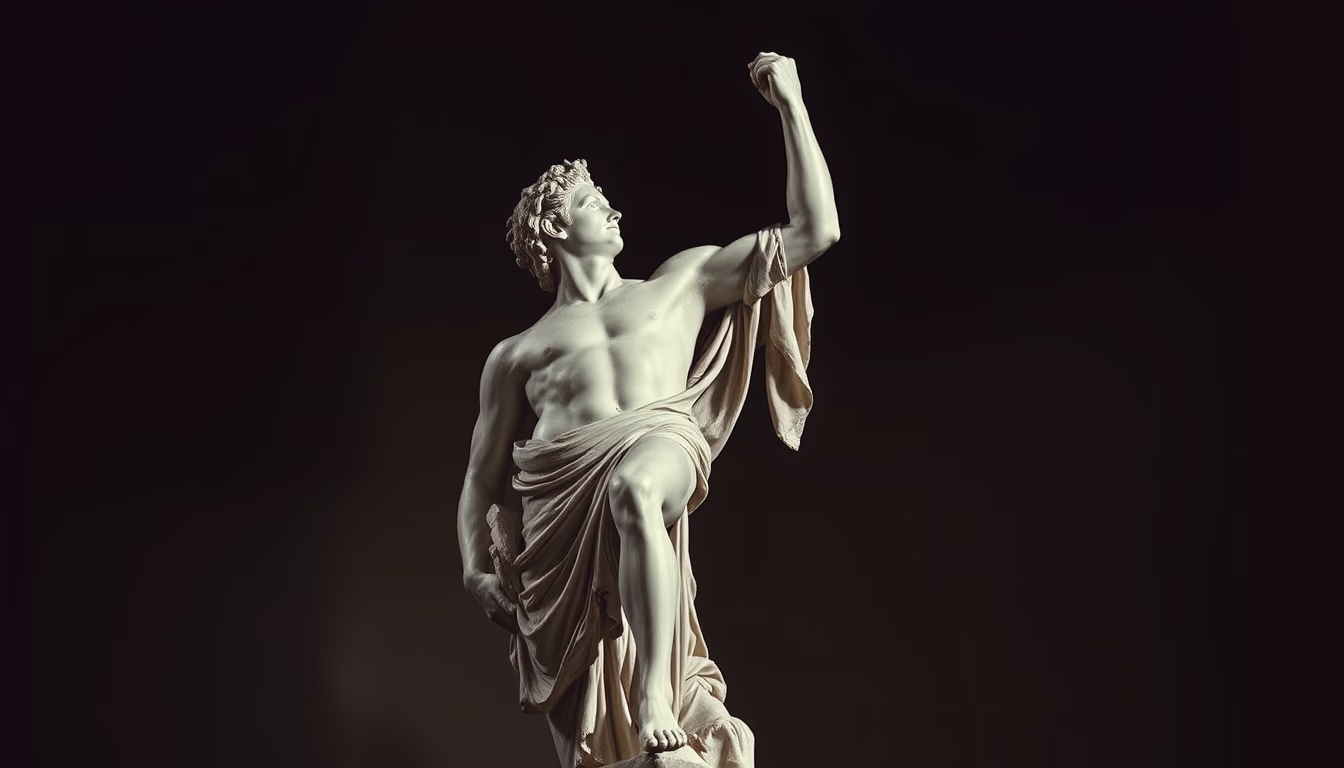
Discobolus statue greek
1344×768 · AVIF · CC BY 4.0
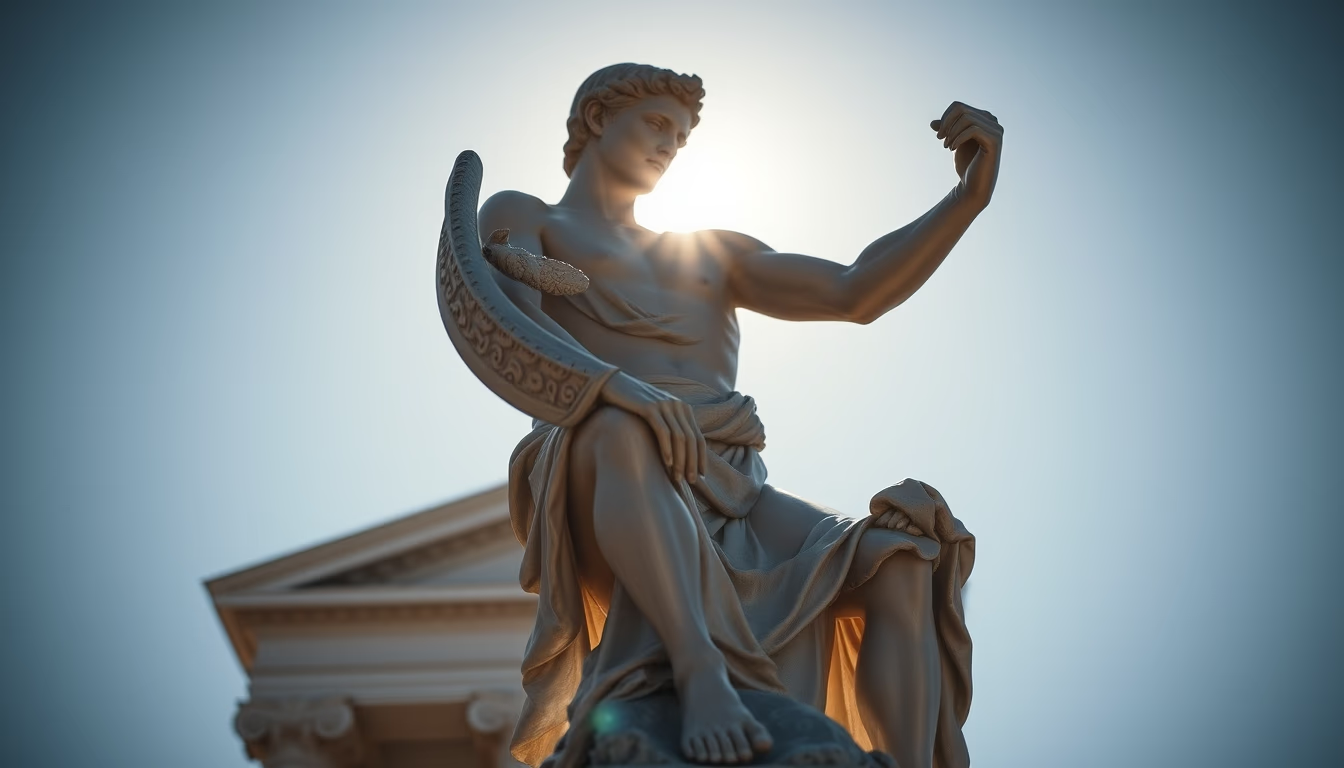
The Discobolus is one of the most famous ancient Greek sculptures, depicting an athlete in motion throwing a discus.
About this subject
The Discobolus is an iconic sculpture of Classical Greece, attributed to the sculptor Myron, who lived around 480-440 BC. The original work, cast in bronze, has not survived; what we know today are Roman marble copies, the most famous being the Palombara copy, discovered in 1781 in Rome. The sculpture captures the moment of maximum tension before the throw, with the body twisted in a pose that combines balance and dynamism, representing the Greek ideal of athletic beauty (kalokagathia).
The work is a milestone in art history for its realistic depiction of human movement. Myron innovated by portraying a transient instant, freezing the action, which was rare in archaic sculpture. The Discobolus's posture, with the right arm stretched back holding the discus and the body leaning, demonstrates a deep study of anatomy and motion. This technique influenced generations of artists, especially during the Renaissance.
The original Discobolus was part of a set of statues of victorious athletes, likely exhibited in a Greek sanctuary, such as Olympia. The sculpture symbolizes the values of ancient Greek society, which celebrated physical excellence and athletic competition. The Olympic Games, held since 776 BC, were the stage where athletes like the one depicted sought glory. The work also reflects the Greek quest for ideal proportions, with measurements based on mathematical calculations.
Today, copies of the Discobolus are in museums around the world, such as the National Roman Museum (Palazzo Massimo) and the British Museum. The sculpture has become a universal symbol of sport and classical art, frequently used in logos and cultural references. Its image appears on coins, stamps, and even in the modern Olympic Games as an emblem of the connection between past and present.
Frequently Asked Questions
Who sculpted the original Discobolus?
The original Discobolus was sculpted by the Greek artist Myron, active in Athens around 480-440 BC. He was known for his realistic depictions of athletes and animals.
Where is the most famous copy of the Discobolus located?
The most famous copy is the Palombara, which belongs to the collection of the National Roman Museum and is displayed at the Palazzo Massimo alle Terme in Rome.
Why is the Discobolus considered important in art history?
The sculpture is revered for its innovative depiction of human motion at a precise instant, demonstrating mastery of anatomy and contrapposto, and for influencing Western art for centuries.
Direct URL
https://pub-c7d6a6ea828543ac903a74a341ccb2e1.r2.dev/imagens/discobolus-statue-greek-documentary-photography-p0.avifHow to credit
Include a visible link back to UtilizAí. Copy one of the snippets below:
<a href="https://xn--utiliza-eza.com/en/midia/imagens/discobolus-statue-greek-documentary-photography-p0">Discobolus statue greek</a> by <a href="https://xn--utiliza-eza.com">UtilizAí</a>, licensed under <a href="https://creativecommons.org/licenses/by/4.0/">CC BY 4.0</a>.
[Discobolus statue greek](https://xn--utiliza-eza.com/en/midia/imagens/discobolus-statue-greek-documentary-photography-p0) by [UtilizAí](https://xn--utiliza-eza.com), CC BY 4.0
License: CC-BY-4.0