Dice rpg fantasy
1344×768 · AVIF · CC BY 4.0
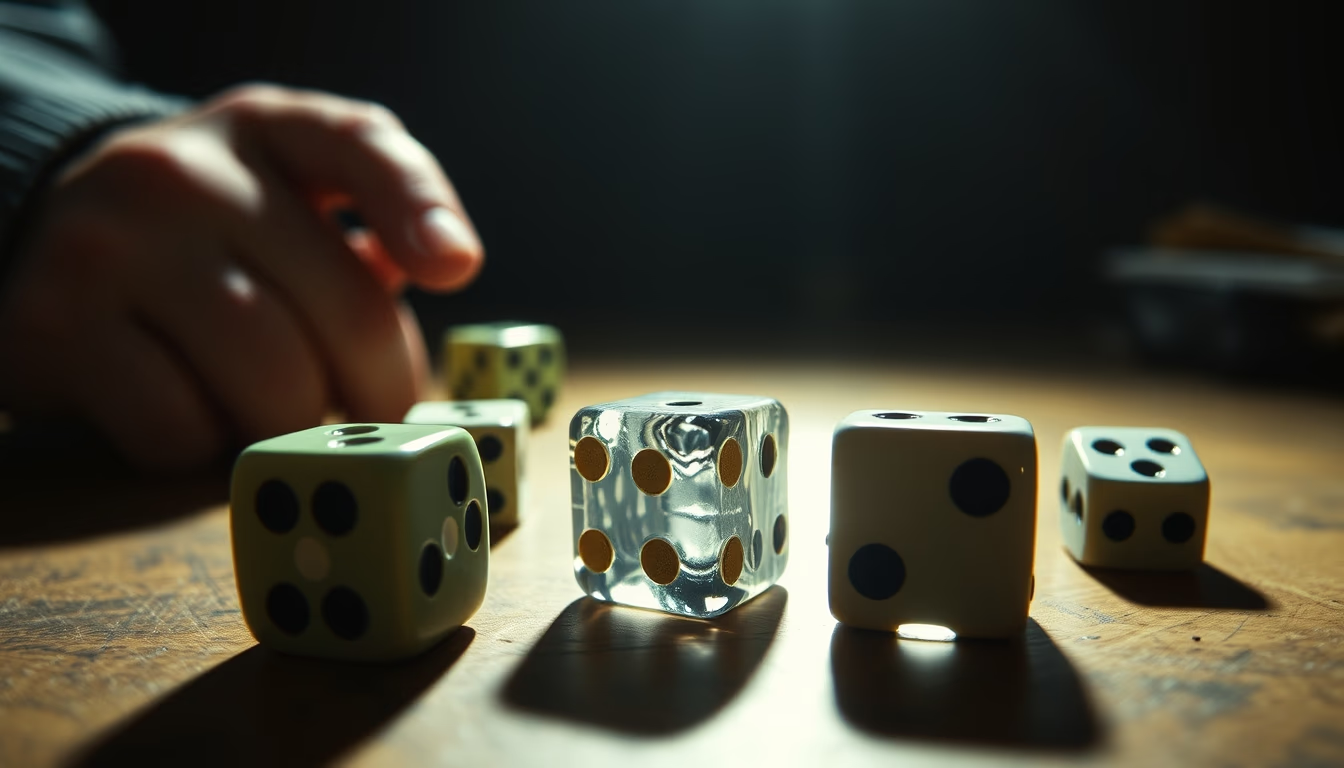
Polyhedral dice are the foundation of tabletop RPGs like Dungeons & Dragons, with each type (d4, d8, d20) determining character actions and luck in adventures.
About this subject
Polyhedral dice are essential tools in tabletop RPGs, with the standard set comprising seven pieces: d4, d6, d8, d10, d12, d20, and an extra d10 for percentile rolls (d100). Each die has a specific number of faces, usually numbered or with symbols, and is used to determine outcomes of actions, combat, skill checks, and more. The origin of RPG dice dates back to the 1970s with the rise of Dungeons & Dragons, when Gary Gygax and Dave Arneson adapted wargames into a narrative format, introducing the iconic d20 as the primary die for success and failure.
Common dice in fantasy RPGs include the d20, symbol of the d20 system used in D&D and Pathfinder; the d6, popular in games like GURPS and Warhammer; and damage dice such as d8, d10, and d12. Each serves specific purposes: the d4 is used for small weapon damage or potions, while the d20 determines attacks and saving throws. The hundred-sided die (d100) is actually simulated by two d10s, one for tens and one for units, allowing results from 1% to 100%.
Culturally, RPG dice have evolved from simple functional objects into collectibles and artistic expressions. Dice are made from metal, resin, acrylic with glitter, UV colors, and even custom models with runes or glyphs. The lo-fi disposable camera aesthetic in the image evokes a nostalgic, grainy look with desaturated colors, common in photographs from past decades. In this context, the dice appear vintage and homemade, reminiscent of early RPG sessions in garages and basements.
Dice also carry mathematical and philosophical weight for players. The randomness from rolling, the “roll”, introduces unpredictability and drama into stories. In narrative RPGs, many game masters encourage reading the result to guide the plot, turning the die into a silent storyteller. With the growth of the hobby, especially during the COVID-19 pandemic, sales of polyhedral dice surged, and now specialized brands produce limited series and exclusive designs.
Frequently Asked Questions
Why do RPG games use different dice (d4, d8, d20)?
Each die type represents a range of results. The d20 (20 faces) is used for main tests like attacks and skills because it offers larger variation. Smaller dice like d4 or d6 are used for light weapon damage or low-impact spells, while d8, d10, and d12 cover intermediate and high damage. This diversity allows balance between character and weapon power.
How did RPG dice originate?
Polyhedral dice were popularized by Dungeons & Dragons in 1974. Before that, wargames used only six-sided dice. Gary Gygax and Dave Arneson incorporated geometric shapes like d20, d12, and d10 to create different probabilities and make the game more strategic and unpredictable.
What does the lo-fi disposable camera style mean in dice images?
This style mimics the look of photos taken with film disposable cameras: high grain, faded colors, and imperfections. Applied to RPG dice, it conveys nostalgia and simplicity, referencing the early days of the hobby in the 1970s and 80s when gaming tables were more homemade and photographs had that analog feel.
Direct URL
https://pub-c7d6a6ea828543ac903a74a341ccb2e1.r2.dev/imagens/dice-rpg-fantasy-lo-fi-disposable-camera-p3.avifHow to credit
Include a visible link back to UtilizAí. Copy one of the snippets below:
<a href="https://xn--utiliza-eza.com/en/midia/imagens/dice-rpg-fantasy-lo-fi-disposable-camera-p3">Dice rpg fantasy</a> by <a href="https://xn--utiliza-eza.com">UtilizAí</a>, licensed under <a href="https://creativecommons.org/licenses/by/4.0/">CC BY 4.0</a>.
[Dice rpg fantasy](https://xn--utiliza-eza.com/en/midia/imagens/dice-rpg-fantasy-lo-fi-disposable-camera-p3) by [UtilizAí](https://xn--utiliza-eza.com), CC BY 4.0
License: CC-BY-4.0